

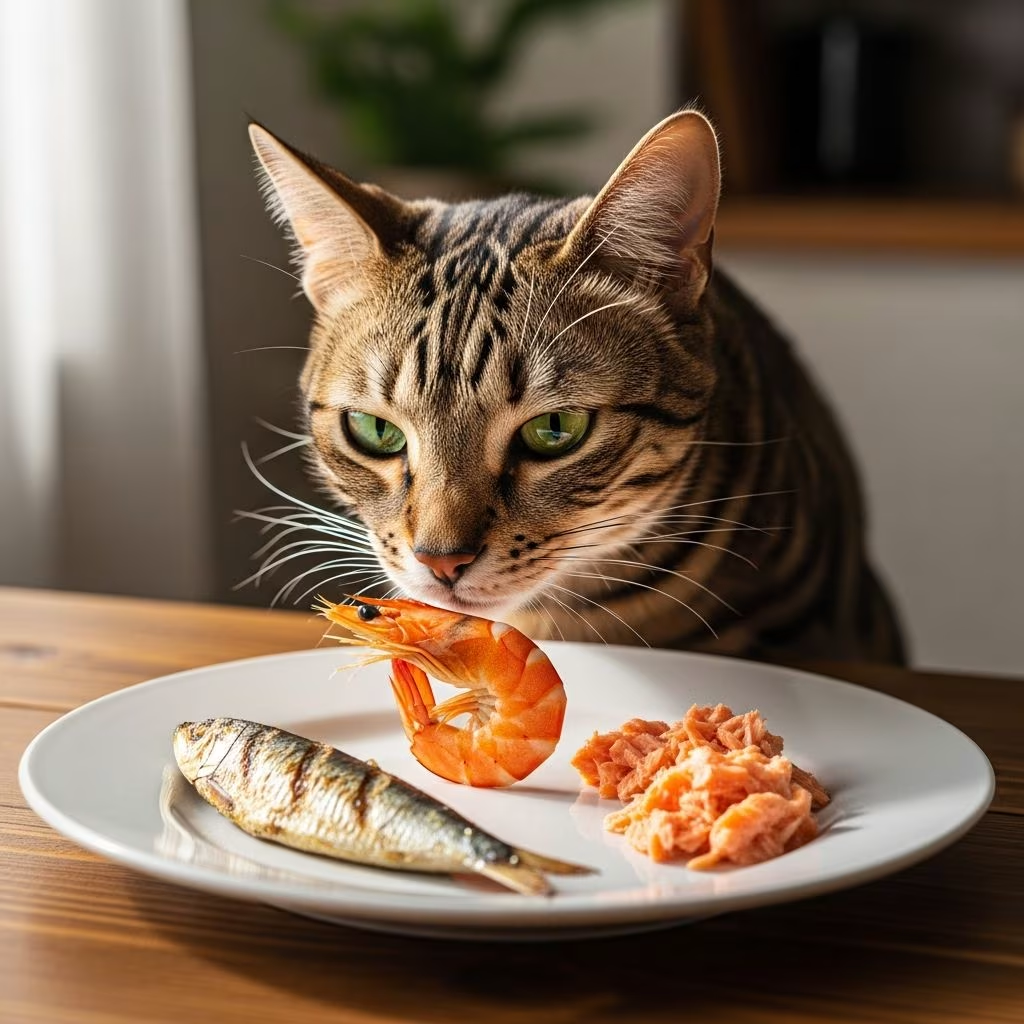
Cats are obligate carnivores with a natural affinity for protein-rich foods, and seafood often appeals to their taste buds. However, not all seafood is safe or beneficial for feline consumption. While seafood can provide valuable nutrients like omega-3 fatty acids, it also poses risks such as thiamine deficiency, heavy metals, and allergies. This comprehensive guide examines whether cats can eat seafood, highlights safe options, discusses potential dangers, and offers practical feeding advice to keep your cat healthy.
Quick Answer: Can Cats Eat Seafood?
Yes, cats can eat certain types of seafood in moderation as an occasional treat or dietary supplement, provided it is fully cooked, boneless, unseasoned, and low in mercury. Seafood like salmon, sardines, and white fish offers benefits such as high-quality protein and anti-inflammatory omega-3s (EPA and DHA), supporting skin, coat, joint, and heart health. However, raw seafood is dangerous due to parasites, thiaminase enzyme, and bacteria, and high-mercury fish like tuna should be limited. Always prioritize commercially prepared cat foods formulated for complete nutrition over home-prepared seafood.
Is Seafood Good for Cats?
Seafood can be a nutritious addition to a cat’s diet when fed appropriately. Cats require about 26% protein in their diet, and seafood provides lean, high-quality sources without excessive calories, helping prevent obesity. Key benefits include essential omega-3 fatty acids that cats cannot produce themselves, which reduce inflammation, support cognitive function, and benefit senior cats with arthritis or kidney issues.
- Rich in Omega-3s: Marine fish like salmon contain EPA and DHA, promoting healthy skin, shiny coats, joint mobility, immune function, and heart health. These fats are particularly valuable for aging cats or those with inflammatory conditions.
- Lean Protein Source: Seafood delivers complete proteins vital for muscle maintenance, with low fat content in options like cod, aiding weight management.
- Vitamins and Minerals: Provides vitamin D, B2 (riboflavin), selenium, calcium, and collagen for bone health, vision, and overall vitality.
Despite these advantages, seafood should not dominate the diet. Commercial cat foods with fish are balanced to avoid nutritional imbalances, unlike whole fish which may lack sufficient calcium relative to phosphorus, potentially harming cats with kidney issues.
Risks of Feeding Seafood to Cats
While appealing, seafood carries significant risks if not handled correctly. Raw or improperly prepared seafood can lead to severe health problems, and even cooked varieties have concerns like contaminants.
Thiamine (Vitamin B1) Deficiency
Raw seafood, especially freshwater and some saltwater fish, contains thiaminase, an enzyme that destroys thiamine essential for nerve function and energy metabolism. Deficiency symptoms include appetite loss, seizures, neurological issues, and death. Cooking deactivates thiaminase, mitigating this risk.
Heavy Metals and Toxins
Larger predatory fish accumulate mercury, forever chemicals (PFAS), and toxins like domoic acid from algae. Tuna, swordfish, shark, and mackerel pose higher risks, potentially causing neurological damage over time. Smaller fish like sardines and anchovies are safer with lower bioaccumulation. Selenium in fish may counteract some mercury effects.
Parasites and Bacteria
Raw fish harbors parasites (e.g., in salmon causing salmon poisoning disease) and bacteria leading to food poisoning, vomiting, and diarrhea. Cooking eliminates these threats.
Other Concerns
- Allergies: Fish and shellfish like crab are common allergens, causing itching, GI upset, or skin issues.
- Imbalanced Nutrition: Whole fish lacks proper calcium-phosphorus ratios, risky for kidney health.
- Histamine: Canned fish may contain low levels, but rarely toxic.
Safe Types of Seafood for Cats
Not all seafood is equal. Opt for low-mercury, sustainable options like small pelagic fish. Here’s a breakdown:
| Seafood Type | Safety Level | Benefits | Feeding Notes |
|---|---|---|---|
| Salmon (cooked) | High | Omega-3s, protein; supports eyes, coat, joints | Occasional; low allergy risk |
| Sardines, Herring, Anchovies | High | Sustainable, low mercury, omega-3 rich | 1x/week; canned in water OK |
| Cod, Tilapia (cooked) | Medium-High | Low-fat protein, vitamin D | Moderation; fully cooked |
| Tuna | Low | Protein | Occasional only; high mercury |
| Crab, Scallops (cooked, no shell) | Medium | Protein | Moderation; allergy risk |
| Swordfish, Shark, Tilefish | Avoid | – | High mercury |
Choose wild-caught or farmed from monitored sources for minimal contaminants.
How to Feed Seafood to Your Cat
Incorporate seafood sparingly—1-2 times weekly, no more than 10% of diet—to avoid imbalances. Always:
- Cook Thoroughly: Bake, boil, or steam without oils, salt, garlic, or onions (toxic to cats).
- Remove Bones/Skin/Shells: Prevent choking or digestive blockages.
- Portion Control: 1-2 oz for adults; less for kittens/seniors.
- Monitor Reactions: Watch for vomiting, diarrhea, lethargy, or itching; discontinue if issues arise.
- Prefer Commercial Foods: Fish-based kibble/wet foods are balanced and safe.
Alternatives like algae oil provide omega-3s sustainably without fish risks.
Seafood Nutrition Comparison
| Fish Type | Protein (per 100g) | Omega-3 (g) | Mercury Risk |
|---|---|---|---|
| Salmon | 20g | 2.3g | Low |
| Sardines | 25g | 1.5g | Very Low |
| Tuna | 30g | 0.3g | High |
| Cod | 18g | 0.2g | Low |
Data approximated from nutritional studies; values vary by preparation.
Frequently Asked Questions (FAQs)
Can cats eat raw seafood?
No, raw seafood risks thiamine deficiency, parasites, and bacteria. Always cook it.
Is canned tuna OK for cats?
In small amounts occasionally, but limit due to mercury. Rinse to reduce sodium.
Can kittens eat seafood?
Kittens can have small amounts of safe, cooked fish after weaning, but stick to kitten formula primarily.
What if my cat is allergic to fish?
Avoid all seafood; symptoms include itching or GI issues. Consult a vet for alternatives.
How much seafood per week?
1-2 small servings max, as treats, not staples.
Are shrimp safe for cats?
Cooked, peeled shrimp in moderation; remove shell to avoid choking. Allergy risk.
Seafood can enhance your cat’s diet when fed mindfully, balancing rewards with risks for a healthier, happier feline companion.
References
- Can cats eat fish? A look at the risks and benefits — VNG Pets. 2023. https://www.vngpets.com/blogs/news/can-cats-eat-fish-a-look-at-the-risks-and-benefits
- Can Cats Eat Raw Fish — Park Veterinary Hospital. 2024. https://parkvet.net/blog/can-cats-eat-raw-fish/
- Best Fish for Cats | Boat to Bowl Pet Food — Boat to Bowl. 2023. https://boattobowlpetfood.com/blogs/pet-parent-resources/best-fish-for-cats-types-of-fish-cat-love
- FISH FACTS — All Cats Veterinary Clinic. 2022. https://www.allcatsvetclinic.com/storage/app/media/do-not-feed-fish-to-your-cat.pdf
- Of Cats and Fish – Is Fish Bad for Cats — PetMD. 2013-07-01. https://www.petmd.com/blogs/nutritionnuggets/cat/jcoates/2013/july/is-fish-bad-for-cats-30648
- Truth About Feeding Fish to Your Cat — Hill’s Pet Nutrition. 2024. https://www.hillspet.com/cat-care/nutrition-feeding/is-fish-good-for-cats



