

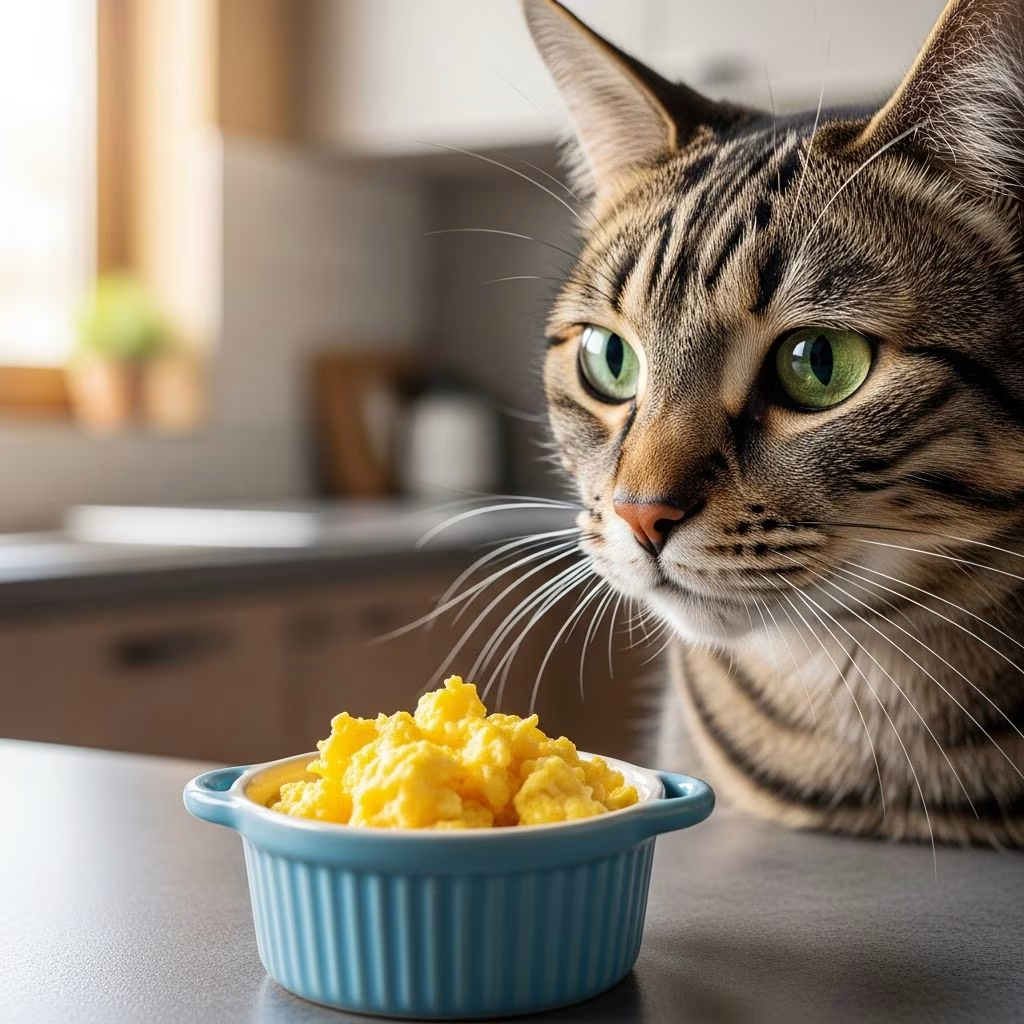
Can Cats Eat Scrambled Eggs?
Many cat owners wonder whether it’s safe to share their breakfast with their feline companions. The good news is that cats can safely eat plain, cooked scrambled eggs in moderation. Scrambled eggs can serve as a nutritious occasional treat for cats, providing valuable protein and essential nutrients. However, the key to safe egg consumption lies in preparation—scrambled eggs must be fully cooked and served plain, without any added ingredients that could potentially harm your cat’s digestive system or contribute to weight gain.
Are Eggs Good for Cats?
Eggs are nutrient-dense foods that can offer several health benefits to cats when given safely and in appropriate quantities. They represent an excellent source of high-quality protein, which is particularly important since cats are obligate carnivores with specific dietary requirements. Beyond protein, eggs contain essential amino acids, healthy fats, and various vitamins that support feline health.
Key Nutritional Benefits of Eggs for Cats
- High-quality protein: Supports muscle maintenance, development, and overall body function
- Essential amino acids: Particularly taurine, which is crucial for cats’ heart and eye health
- Essential fatty acids: Contribute to healthy skin, coat quality, and overall wellness
- B vitamins: Including B12, riboflavin, and other B-complex vitamins that aid in metabolism and energy production
- Selenium and choline: Support immune function, nervous system health, and liver function
- Easy digestibility: Most cats find eggs easy to digest, making them a gentle treat option
These nutritional components make eggs a potentially beneficial addition to your cat’s diet when served appropriately. However, it’s important to introduce eggs gradually and monitor your cat for any signs of digestive upset. Always consult with your veterinarian before making significant dietary changes or introducing new treats.
How to Safely Prepare Scrambled Eggs for Your Cat
Proper preparation is essential when serving scrambled eggs to your feline friend. The safest method involves cooking eggs thoroughly without any additional ingredients that could harm your cat.
Safe Preparation Guidelines
- Cook eggs until fully cooked—no runny or undercooked portions
- Use no salt, seasonings, or spices of any kind
- Avoid using cooking oils, butter, or any fats
- Serve eggs plain without any toppings or garnishes
- Allow eggs to cool to room temperature before serving
- Serve in small portions appropriate for your cat’s size
- Offer as an occasional treat, not a regular meal replacement
By following these guidelines, you ensure that your cat receives the nutritional benefits of eggs without unnecessary health risks. Plain scrambled eggs provide sufficient nutrition and flavor appeal without requiring additional ingredients.
Can Cats Eat Scrambled Eggs with Milk?
Many people assume that adding milk to scrambled eggs makes them more nutritious or appealing for cats. This is a common misconception that can actually harm your feline companion. Most adult cats are lactose intolerant, meaning they lack sufficient lactase enzymes to properly digest milk and milk products.
When cats consume milk-containing scrambled eggs, they often experience gastrointestinal upset including diarrhea, vomiting, and gas. These digestive issues can be uncomfortable and concerning for both cats and their owners. Additionally, cats do not require milk in their diet—their calcium and hydration needs are adequately met through a complete, balanced cat food formulated for their nutritional requirements.
Why Milk is Problematic for Cats
- Most adult cats lack sufficient lactase enzymes for proper digestion
- Milk consumption leads to diarrhea, vomiting, and stomach discomfort
- Not nutritionally necessary if feeding a balanced diet
- Can cause intestinal gas and bloating
- Plain scrambled eggs are safer and easier to digest
For optimal cat health, always serve plain scrambled eggs without milk to allow your cat to benefit from the protein and nutrients while avoiding digestive distress.
Can Cats Eat Scrambled Eggs with Cheese?
Cheese is another common ingredient added to scrambled eggs that pet owners often consider sharing with cats. Unfortunately, cheese poses similar problems to milk for feline digestive health. Since cheese is a dairy product, it contains lactose that adult cats cannot properly digest. Beyond lactose content, cheese presents additional concerns for feline health.
Cheese is notably high in both fat and sodium content, which can contribute to obesity when fed regularly. Weight management is crucial for cats’ long-term health, as obesity increases the risk of various health conditions. Furthermore, the high fat content in cheese can potentially trigger pancreatitis, a serious inflammation of the pancreas that requires veterinary treatment. While some cats might tolerate very small amounts of certain low-lactose cheeses, cheese should be avoided as a routine treat.
Health Risks of Cheese for Cats
| Risk Factor | Impact on Cat Health ||—|—|| Lactose intolerance | Digestive upset, diarrhea, vomiting || High fat content | Obesity, pancreatitis risk || High sodium levels | Hypertension, kidney stress || Unnecessary calories | Weight gain, metabolic issues || Digestive distress | Abdominal discomfort, gas |
Feeding plain scrambled eggs without cheese ensures your cat receives the protein and essential nutrients without unnecessary additives that could negatively affect their health or trigger digestive problems.
Can Cats Eat Scrambled Eggs with Butter?
Butter is another common cooking ingredient that should be avoided when preparing eggs for cats. Butter is almost entirely fat and provides no essential nutrients for feline health. The high fat content in butter poses several risks that make it unsuitable for cat consumption.
When cats consume high-fat foods like buttered eggs, they face increased risk of digestive upset, obesity, and pancreatitis—conditions that can significantly impact quality of life. Cats have specific nutritional requirements that differ substantially from humans, and butter offers nothing beneficial while introducing unnecessary health risks. Additionally, butter can mask the natural flavor and texture of eggs, making it more difficult to accurately gauge your cat’s tolerance to the food or notice any adverse reactions.
Why Butter Should Be Avoided
- Almost entirely composed of fat with no nutritional benefit
- High fat content leads to digestive upset and gastrointestinal distress
- Increases obesity risk, particularly with regular consumption
- Can trigger pancreatitis, a serious health condition
- Masks egg flavor, making it harder to monitor cat reactions
- Provides unnecessary calories that contribute to weight gain
Plain, cooked eggs provide sufficient protein and nutrients without the health risks associated with butter and other cooking fats.
Raw Eggs and Feline Safety
Raw eggs should never be given to cats, regardless of whether you feed your cat a raw diet. Raw eggs present serious health risks that make them unsuitable for feline consumption. When eggs are not cooked or are undercooked, they can harbor dangerous bacteria including Salmonella and E. coli, which can cause severe gastrointestinal infections and other serious health complications in cats.
Beyond bacterial contamination concerns, raw egg whites contain avidin, a protein that binds to biotin (vitamin B7) and prevents its absorption in the body. This can lead to biotin deficiency, which negatively impacts coat health, skin condition, and overall wellness. Cooking eggs completely destroys both avidin and harmful bacteria, making cooked eggs the only safe option for feline consumption.
Portion Size and Frequency Guidelines
While scrambled eggs can be a nutritious treat, they should only comprise a small portion of your cat’s overall diet. Eggs should never replace complete commercial cat food, which is formulated to meet all of your cat’s specific nutritional requirements. Think of scrambled eggs as an occasional supplement rather than a dietary staple.
Recommended Serving Guidelines
- Serve scrambled eggs no more than 1-2 times per week
- Limit portions to 1-2 tablespoons per serving for average-sized cats
- Adjust portion size based on your cat’s weight and overall diet
- Never allow eggs to comprise more than 10% of daily caloric intake
- Monitor your cat’s weight to prevent obesity
- Consider eggs as treats separate from regular meals
When introducing eggs to your cat’s diet for the first time, start with very small portions and observe your cat for any signs of digestive upset or allergic reactions over the next 24-48 hours before offering eggs again.
Potential Allergies and Sensitivities
While true egg allergies are relatively uncommon in cats, some felines may experience allergic reactions or food sensitivities to eggs. When introducing any new food to your cat’s diet, it’s important to monitor closely for signs of allergic responses.
Signs of Allergic Reactions or Food Sensitivities
- Excessive sneezing or nasal discharge
- Excessive scratching or grooming
- Skin infections or ear infections
- Vomiting or regurgitation
- Diarrhea or loose stools
- Lethargy or unusual behavior changes
- Hair loss or bald patches
- Facial swelling or difficulty breathing (seek immediate veterinary care)
If you notice any of these symptoms after feeding your cat scrambled eggs, discontinue immediately and consult your veterinarian for guidance tailored to your specific cat’s health needs.
Making Eggs a Healthy Cat Treat
In summary, cats can safely enjoy scrambled eggs when properly prepared. Plain, fully cooked scrambled eggs provide high-quality protein, essential amino acids, and vitamins that support feline health. However, adding milk, cheese, butter, or other ingredients introduces potential digestive issues, excess calories, and unnecessary fat that could harm your cat’s health.
Best Practices for Serving Scrambled Eggs
- Always cook eggs thoroughly before serving
- Serve plain without any added ingredients
- Allow eggs to cool to room temperature
- Offer in moderation as an occasional treat
- Never use milk, cheese, butter, or seasonings
- Monitor your cat after feeding eggs for digestive issues
- Consult your veterinarian before introducing eggs to your cat’s diet
- Ensure eggs do not comprise more than 10% of daily calories
Observing your cat after feeding eggs and consulting a veterinarian before making dietary changes ensures safe introduction and prevents potential health complications that could arise from improper preparation or individual sensitivities.
Frequently Asked Questions About Cats and Eggs
Q: Can kittens eat scrambled eggs?
A: Yes, kittens can eat plain scrambled eggs in very small portions, but only after consulting with your veterinarian. Kittens have specific nutritional requirements for growth and development, so professional guidance ensures eggs won’t interfere with their balanced diet.
Q: How much scrambled egg can I give my cat?
A: Limit servings to 1-2 tablespoons of plain scrambled egg per occasion for average-sized cats. Serve no more than 1-2 times per week, and ensure eggs comprise no more than 10% of your cat’s daily caloric intake.
Q: Are boiled eggs better than scrambled eggs for cats?
A: Both boiled and scrambled eggs are safe for cats when prepared plainly without added ingredients. Choose whichever preparation your cat prefers, as long as no salt, seasonings, butter, or other additives are used.
Q: Can I give my cat egg whites only?
A: Yes, egg whites are an excellent choice for cats, particularly those watching their weight. Egg whites contain minimal fat while providing protein, making them a lighter alternative to whole eggs.
Q: What should I do if my cat has diarrhea after eating eggs?
A: If your cat experiences digestive upset after consuming eggs, discontinue feeding eggs immediately and contact your veterinarian. This may indicate lactose intolerance, food sensitivity, or another digestive issue requiring professional evaluation.
Q: Can cats eat scrambled eggs every day?
A: No, scrambled eggs should only be given occasionally, not daily. Daily egg consumption could contribute to obesity and nutritional imbalances. Reserve eggs as an occasional treat to maintain your cat’s balanced diet.
Q: Are eggshells safe for cats?
A: Yes, eggshells are a wonderful source of calcium for cats. To incorporate eggshells into your cat’s diet, grind them into a fine powder and sprinkle the powder into your cat’s regular food. This supplements their calcium intake naturally.
References
- Can Cats Eat Scrambled Eggs? — Trinity Veterinary Hospital. Accessed 2026-01-14. https://trinityveterinaryhospital.com/blog/can-cats-eat-scrambled-eggs/
- Can Cats Eat Eggs? — Pumpkin Pet Insurance. Accessed 2026-01-14. https://www.pumpkin.care/post/can-cats-eat-eggs
- Can Cats Eat Eggs? — PetMD. Accessed 2026-01-14. https://www.petmd.com/cat/nutrition/can-cats-eat-eggs
- Can Cats Eat Eggs? Are They Safe & Good for Cats? — Purina Arabia. Accessed 2026-01-14. https://www.purina-arabia.com/en-gb/care-and-advice/cat/feeding-and-nutrition/can-eat-eggs
- Can Cats Eat Eggs? A Guide to Safety — Purina US. Accessed 2026-01-14. https://www.purina.com/articles/cat/feeding/can-cats-eat/eggs
- Can Cats Eat Eggs? — Sahara Pines Animal Hospital. Accessed 2026-01-14. https://saharapinesah.com/blog/can-cats-eat-eggs/



