

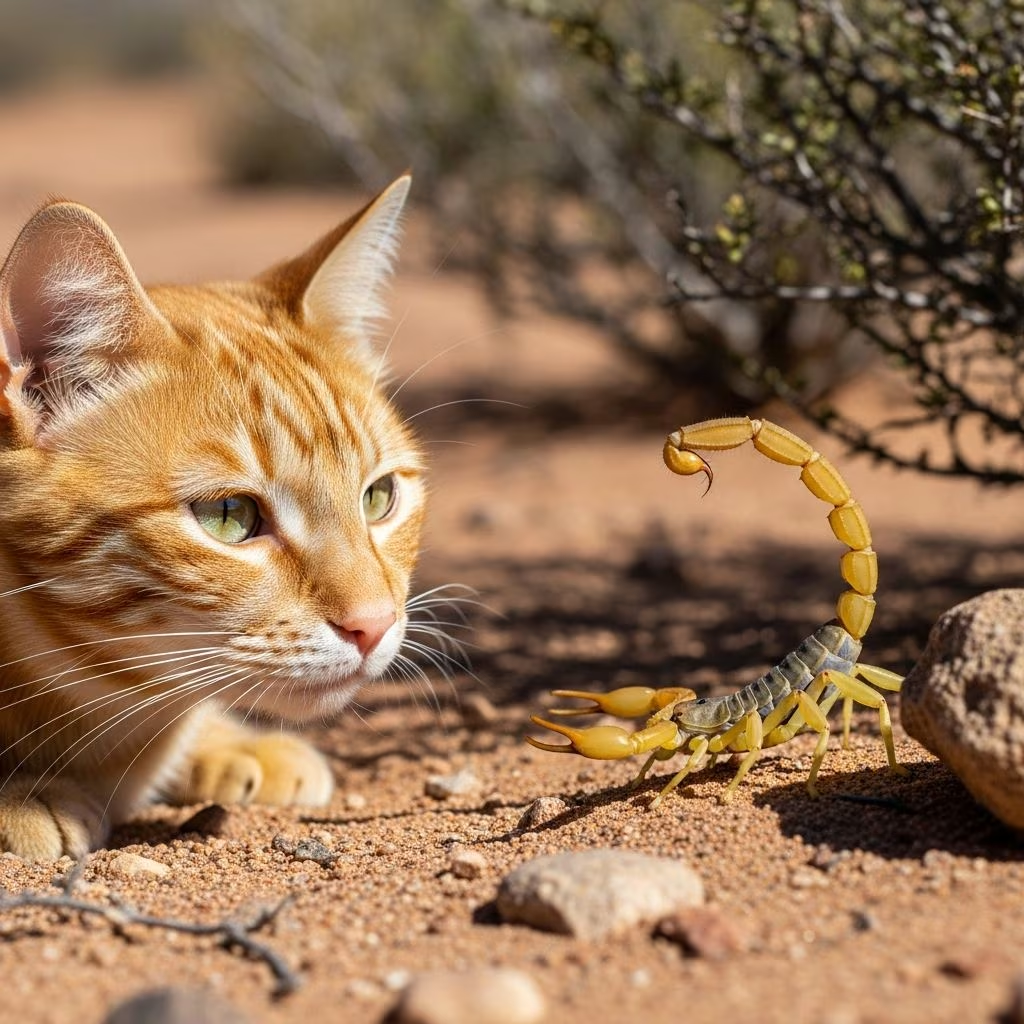
Cats are natural hunters with a penchant for chasing anything that moves, including scorpions. While many cats encounter scorpions without issue, eating them or getting stung can pose risks depending on the scorpion species. In most cases, non-venomous scorpions cause only mild discomfort, but certain types like bark scorpions can lead to serious health problems requiring immediate veterinary attention.
This comprehensive guide covers whether cats can safely eat scorpions, the dangers involved, symptoms to watch for, treatment protocols, prevention strategies, and FAQs to help cat owners in scorpion-prone regions stay vigilant.
Can Cats Safely Eat Scorpions?
Cats often view scorpions as intriguing prey due to their predatory instincts. In general, eating a dead or non-venomous scorpion is unlikely to harm a cat, as there are few documented cases of clinical signs from ingestion alone. Cats’ nimble paws and quick reflexes allow them to dispatch scorpions without getting stung in many instances, and their thick fur provides a natural barrier against stings.
However, this does not mean it’s safe or advisable. Scorpions can sting during play or if provoked, injecting venom that causes pain, swelling, or more severe reactions. Most scorpions in the U.S., such as those in Arizona, Nevada, New Mexico, California, Utah, and Colorado, are not highly toxic to cats, resulting in mild symptoms like localized pain or itching. Cats have been observed hunting scorpions routinely in these areas with no apparent consequences, but vigilance is key.
That said, not all scorpions are benign. Species like the bark scorpion (Centruroides sculpturatus, now Centruroides exilicauda) produce potent neurotoxic venom that can cause intense pain, neurological issues, and in rare cases, death in cats. Even if ingestion occurs without a sting, the exoskeleton or remnants could lead to gastrointestinal upset if consumed in large quantities.
- Cats typically bat at scorpions to stun them before eating.
- Scorpions often flee rather than sting, using pincers first for defense.
- Feral cats in scorpion-heavy areas like Arizona’s deserts frequently consume them without issue.
Owners should discourage this behavior, as the risk outweighs any ‘natural pest control’ benefit. Professional pest management is safer for scorpion control around pets.
Are Scorpions Dangerous to Cats?
Scorpion danger to cats varies by species and location. The vast majority of encounters result in no sting or only minor pain, thanks to cats’ agility and fur protection. Scorpions sting as a last resort, preferring to pinch with powerful claws or escape.
Bark scorpions represent the primary threat in the southwestern U.S. Their sting penetrates fur more easily and delivers venom affecting the nervous system, leading to symptoms beyond simple pain. While fatalities are exceedingly rare—even in cats—hospitalization may be needed for pain management and monitoring.
| Scorpion Type | Common Locations | Risk to Cats | Symptoms |
|---|---|---|---|
| Common House Scorpion | Worldwide | Low | Mild pain, itching |
| Bark Scorpion (C. exilicauda) | Arizona, New Mexico | High | Pain, tremors, drooling, lethargy |
| Striped Tail Scorpion | Southwest U.S. | Moderate | Swelling, limping |
Geographic hotspots amplify risk: Arizona leads with over 25,000 scorpion stings reported annually in humans, suggesting high pet exposure. Cats in rural or desert homes face greater odds of encounters under rocks, woodpiles, or at night when scorpions hunt.
Are Cats Immune to Scorpion Stings?
A common myth suggests cats are immune to scorpion venom due to their fur or physiology. This is false. While cats’ dense coat can deflect shallow stings and their hunting prowess minimizes contact, venomous stings still affect them. The rumor persists because successful hunts are common, and mild stings often go unnoticed as cats hide pain stoically.
Cat fur reduces sting penetration but doesn’t eliminate it, especially from aggressive species. Stomach acids may neutralize some ingested venom, but stings during play pose the real hazard. No scientific evidence supports full immunity; veterinary cases confirm cats suffer similar effects to dogs or humans, scaled to size.
Signs of a Scorpion Sting in Cats
Cats mask pain masterfully, often retreating to hide after a sting. Monitor closely for 24-48 hours post-exposure. Early signs are localized, progressing to systemic if venomous.
- Pain and Inflammation: Excessive licking, swelling, or redness at the site (paw, face, leg).
- Mobility Issues: Limping, reluctance to jump, or guarding the area.
- Behavioral Changes: Increased vocalization (meowing, yowling), hiding, aggression, or confusion.
- Neurological Signs: Head shaking, abnormal eye movements (nystagmus), tremors, or seizures (rare).
- Systemic Symptoms: Drooling, lethargy, vomiting, difficulty breathing, or loss of appetite.
Severe cases involve cardiovascular instability or anaphylaxis. Photograph the scorpion if possible for identification—key for treatment. Mild stings resolve in hours; worrisome signs demand immediate vet care.
What to Do If Your Cat Gets Stung by a Scorpion
Act swiftly but calmly. Isolate the cat from further exposure and call your vet or an emergency clinic. Provide details: scorpion description, sting location, time elapsed, and symptoms.
- Clean the sting site gently with mild soap and water to prevent infection.
- Apply a cold compress (wrapped ice pack) for 10-15 minutes to reduce swelling—never direct ice.
- Prevent licking by using an e-collar if needed.
- Monitor vital signs: heart rate, breathing, alertness.
- Rush to vet if symptoms escalate: tremors, breathing issues, or collapse.
Veterinary treatment includes analgesics (opioids or NSAIDs), anti-venom for bark scorpion cases (if available), IV fluids, muscle relaxants, and monitoring. Most cats recover within 24-72 hours with supportive care. Costs range from $200-$2000+ depending on severity.
How to Prevent Scorpion Encounters with Cats
Prevention beats cure in scorpion country. Modify your environment to deter arachnids while keeping cats safe indoors or supervised.
- Yard Maintenance: Remove debris, rocks, woodpiles; trim vegetation; seal cracks in foundations/walls.
- Lighting and Barriers: Use yellow bug lights (scorpions hunt by UV glow); install door sweeps and weatherstripping.
- Pest Control: Employ pet-safe diatomaceous earth, sticky traps, or professional services avoiding toxic sprays.
- Cat Management: Supervise outdoor time, especially dusk/dawn; consider indoor-only living in high-risk areas.
- Blacklights: Hunt scorpions at night—they fluoresce under UV for easy spotting and removal.
In Arizona, integrated pest management combining these reduces populations by 80-90%. Discourage cats from hunting; provide toys mimicking prey for instinct satisfaction.
Frequently Asked Questions (FAQs)
Can cats eat scorpions without getting sick?
Usually yes for non-venomous types, but risks exist. Monitor for 24 hours post-ingestion.
Will a scorpion sting kill my cat?
Rarely; even bark scorpions seldom fatal with prompt vet care, though painful.
Are cats good for natural scorpion control?
They hunt them effectively but risk stings; not a reliable or safe method.
How long do scorpion sting symptoms last in cats?
Mild: 12-24 hours; severe: 2-5 days with treatment.
What if my cat ate a scorpion but seems fine?
Observe for GI upset or delayed symptoms; consult vet if concerned.
Final Thoughts
Scorpions pose manageable risks to cats in endemic areas, with most encounters harmless due to feline prowess. Eating scorpions rarely causes issues sans sting, but prevention through habitat control and supervision is paramount. In scorpion hotspots, proactive measures safeguard your pet. If stung, rapid vet intervention ensures full recovery. Empower your cat’s safety with knowledge and caution—hunting is instinctual, but your vigilance keeps them thriving.
References
- Can Cats Eat Scorpions? Vet-Approved Safety Guide — Hepper. 2023. https://articles.hepper.com/can-cats-eat-scorpions/
- Cat Eat Scorpion Danger — Dial A Vet. 2023. https://www.dialavet.com/vet-answers/cat-eat-scorpion-danger-15563
- Do Cats Eat Scorpions? Natural Scorpion Control — Responsible Pest Control. 2023. https://responsiblepestcontrol.net/blog/cats-for-natural-scorpion-control/
- Protect Your Pets from Bark Scorpions — Kykopest Prevention. 2023. https://www.kykopestprevention.com/blog/protect-your-pets-from-bark-scorpions-and-roof-rats
- Can Your Cat Safely Chase, Kill, or Eat Insects? — Fear Free Happy Homes. 2023. https://www.fearfreehappyhomes.com/can-your-cat-eat-insects/



