

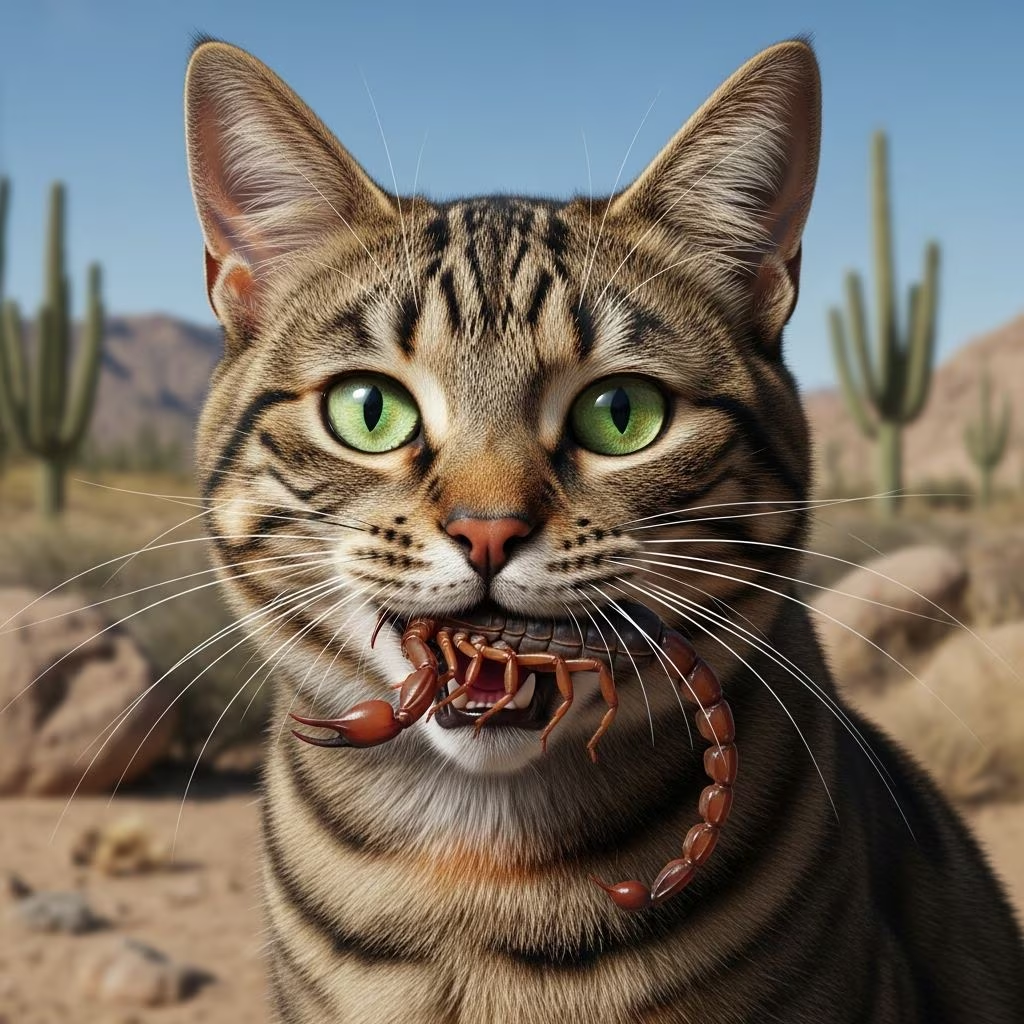
Cats are natural hunters with a penchant for chasing anything that moves, including scorpions. While many cats in scorpion-heavy regions like the southwestern U.S. encounter these arachnids without severe issues, eating or being stung by a scorpion carries potential risks that cat owners must understand. This comprehensive guide explores whether cats can safely eat scorpions, the dangers involved, symptoms to watch for, treatment protocols, and preventive measures to keep your feline safe.
Quick Answer: Can Cats Eat Scorpions?
In most cases, a cat eating a scorpion without being stung poses little harm, as cats often hunt and consume them successfully due to their agility and thick fur providing natural protection. However, scorpions can sting, and while fatalities are rare, certain venomous species like the bark scorpion (Centruroides sculpturatus) can cause significant pain, neurological symptoms, and require veterinary intervention. Always monitor your cat closely after any scorpion encounter and seek vet care if stung.
Are Scorpions Dangerous to Cats?
Scorpions vary widely in toxicity, with over 2,000 species worldwide, but only a handful pose serious threats to cats. In the U.S., the bark scorpion found in Arizona, New Mexico, and surrounding states is the most concerning due to its potent neurotoxic venom, which can lead to severe symptoms even in pets. Most common scorpions deliver mild stings akin to a bee sting, causing localized pain but no systemic effects.
Cats’ predatory instincts make them effective at dispatching scorpions—often using paws to pin and crush them with pincers before the stinger deploys. Scorpions prefer flight over fight, reducing sting likelihood. Thick fur acts as a barrier, blocking many stings from penetrating skin. Despite this, no cat is fully immune, and vulnerable areas like the face, paws, or mouth remain at risk.
- Low-risk scorpions: Cause mild pain, swelling; recovery without vet care possible.
- High-risk (e.g., bark scorpion): Neurotoxins lead to tremors, drooling; vet visit essential.
Can Cats Safely Eat Scorpions?
Veterinarians generally agree that ingesting a dead scorpion without envenomation is unlikely to harm a cat, as there are few documented cases of poisoning from consumption alone. Cats in arid regions like Arizona frequently hunt scorpions as prey, and their digestive systems handle small arachnids well. However, live scorpions pose a sting risk during the hunt or eating process.
If a cat kills and eats a scorpion swiftly, the venom glands may not activate fully. Risks escalate if the scorpion stings inside the mouth or throat. Feral cats in scorpion hotspots demonstrate resilience, but domestic cats with health issues (kittens, seniors, immunocompromised) face higher dangers. Discourage hunting by supervising outdoor time and using deterrents.
| Scorpion Type | Venom Potency | Risk to Cats |
|---|---|---|
| Common house scorpion | Mild | Low; pain only |
| Bark scorpion (Centruroides spp.) | High (neurotoxic) | High; severe symptoms possible |
| Emperor scorpion | Mild | Very low |
Are Cats Immune to Scorpion Stings?
The myth of cat immunity stems from their hunting prowess and fur protection, but cats are not impervious. Scorpions sting as a defense of last resort, and cats rarely trigger this by avoiding direct steps on them—unlike humans. Fur deflects many stings, yet thin-skinned areas remain vulnerable. Studies and vet reports confirm cats suffer stings, with symptoms mirroring human reactions scaled to size.
Bark scorpions exemplify this: their venom affects cats’ nervous systems, causing excitability or depression. Immunity rumors persist due to underreporting—cats hide pain effectively, masking incidents.
Signs of a Scorpion Sting in Cats
Cats mask illness masterfully, complicating detection. Watch for these symptoms post-encounter, which appear within minutes to hours:
- Painful licking or chewing at sting site
- Localized swelling or redness
- Limping if paw stung
- Behavioral changes: hiding, aggression, vocalizing
- Neurological: tremors, nystagmus (abnormal eye movement), head shaking
- Excessive drooling or foaming
- Confusion, disorientation, or ‘drunk’ walking
- Lethargy, weakness
- Respiratory distress or abnormal breathing
- Anorexia (refusing food/water)
Mild cases resolve in 24-48 hours; severe ones escalate rapidly. Photograph the scorpion if safe for identification.
What to Do if Your Cat Gets Stung by a Scorpion
Act swiftly: Isolate the cat in a quiet, dark space to minimize stress. Do not attempt home remedies like ice or suction— they worsen outcomes. Rush to a vet or emergency clinic, providing scorpion details if possible.
Vet protocols include:
- Pain management: Analgesics like opioids or NSAIDs.
- Monitoring: Vital signs, ECG for cardiac effects.
- Supportive care: IV fluids, anti-emetics for vomiting, muscle relaxants for tremors.
- Antivenom: Rare, reserved for severe bark scorpion cases.
- Wound care: Cleaning to prevent secondary infection.
Most cats recover fully within 24-72 hours with prompt care. Fatality risk is under 1% in treated cases.
How to Prevent Scorpion Encounters with Cats
Proactive steps reduce risks in endemic areas:
- Yard maintenance: Remove rocks, woodpiles, debris—scorpion harbors.
- Seal entry points: Doors, vents, cracks.
- Pet-safe pest control: Diatomaceous earth, sticky traps; avoid toxic sprays.
- Supervise outdoors: No free-roaming in scorpion season (warm months).
- Night precautions: Scorpions active nocturnally; use blacklights to spot/relocate.
- Indoor enrichment: Toys, scratching posts to curb hunting urges.
Consider professional pest services specializing in pet-safe scorpion control.
Scorpion-Prone Areas for Cats in the U.S.
Focus vigilance if residing in:
- Arizona (especially Phoenix metro)
- New Mexico
- Nevada
- Utah
- California (southern deserts)
- Colorado (southern regions)
- Texas (western parts)
Urban sprawl increases encounters as habitats overlap.
Frequently Asked Questions (FAQs)
What happens if a cat eats a scorpion?
Typically harmless if no sting occurs, but monitor for mouth stings causing drooling or swelling. Vet check recommended.
Are bark scorpions deadly to cats?
Rarely fatal with treatment, but cause intense pain and neuro symptoms. Immediate vet care critical.
How long do scorpion sting effects last in cats?
Mild: 24 hours; severe: up to 72 hours with support.
Can I use scorpion repellent around cats?
Yes, pet-safe options like essential oils (cedar, lavender) or diatomaceous earth. Avoid pyrethroids.
Final Thoughts
While cats often prevail over scorpions unscathed, risks warrant caution. Educate yourself on local species, prioritize prevention, and act fast on symptoms. Your vigilant care ensures safe adventures for your hunter. Consult vets for personalized advice in high-risk zones.
References
- Can Cats Eat Scorpions? Vet-Approved Safety Guide — Hepper. 2023. https://articles.hepper.com/can-cats-eat-scorpions/
- Cat Eat Scorpion Danger — Dial A Vet. 2023. https://www.dialavet.com/vet-answers/cat-eat-scorpion-danger-15563
- Do Cats Eat Scorpions? Natural Scorpion Control — Responsible Pest Control. 2023. https://responsiblepestcontrol.net/blog/cats-for-natural-scorpion-control/
- The Hidden Perils of Cats and Scorpions — Pet Poison Helpline. 2023. https://www.petpoisonhelpline.com/pet-tips/the-hidden-perils-of-cats-and-scorpions/
- Protect Your Pets from Bark Scorpions — KTKO Pest Prevention. 2023. https://www.kykopestprevention.com/blog/protect-your-pets-from-bark-scorpions-and-roof-rats



