

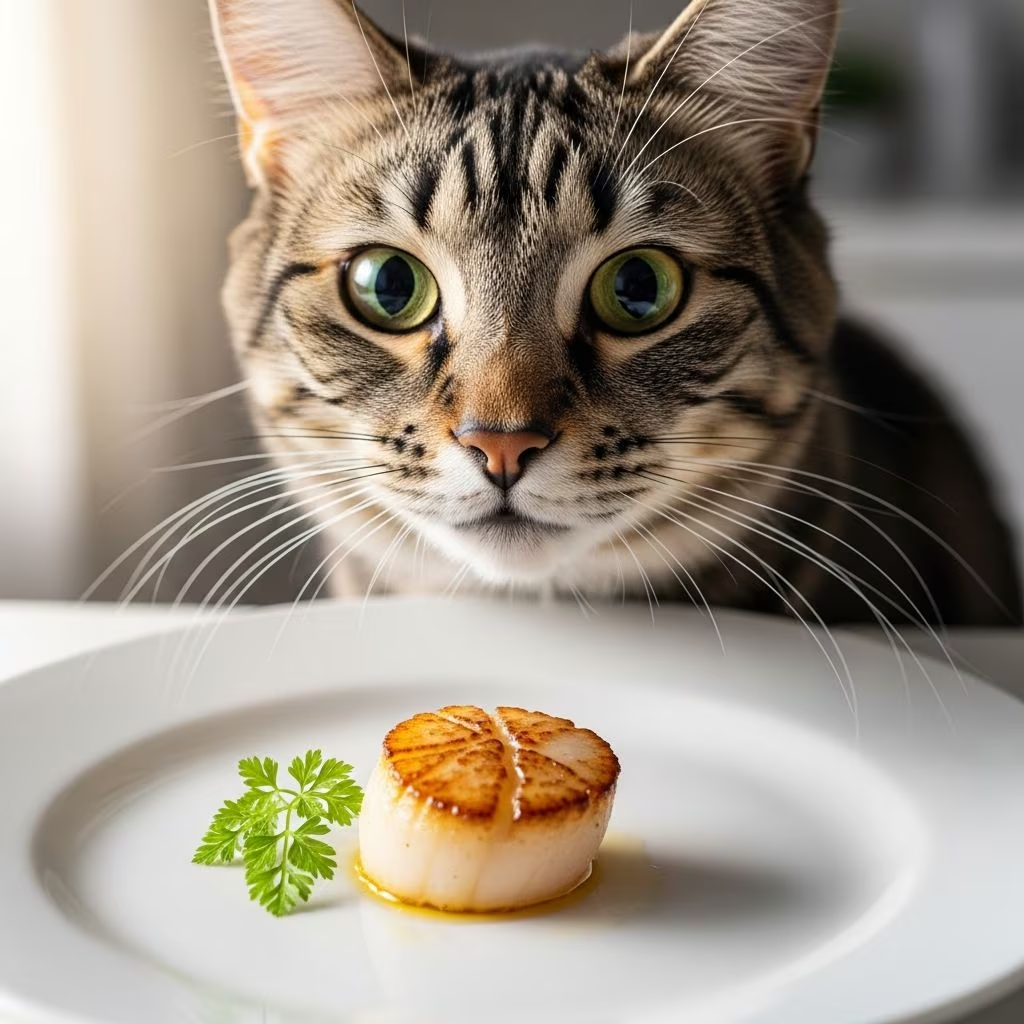
Scallops are a popular seafood delicacy enjoyed by many humans, but can cats safely join in on the treat? Plain, fully cooked scallops are generally safe for cats as an occasional treat, providing lean protein and essential nutrients when fed in moderation. However, raw scallops pose significant risks, and preparation matters greatly to avoid health issues.
Can Cats Eat Scallops?
Cats are obligate carnivores, thriving on high-protein diets, which makes seafood like scallops appealing. Yes, cats can eat scallops, but only if they are fully cooked and plain. Raw scallops can harbor bacteria such as Salmonella and Escherichia coli, leading to food poisoning and gastrointestinal distress in cats.
Veterinarians emphasize that while scallops are non-toxic, they should never replace a cat’s balanced commercial or vet-recommended diet. Introduce them gradually to monitor for adverse reactions, and always consult your vet before adding new foods, especially for cats with pre-existing conditions. Fully cooked scallops eliminate the enzyme thiaminase found in raw ones, which breaks down thiamine (vitamin B1) and can cause deficiency symptoms like neurological issues, seizures, or vision loss.
Are Scallops Good for Cats?
In moderation, scallops offer nutritional benefits that complement a cat’s diet. They are low in calories, high in protein, and packed with vitamins and minerals essential for feline health. A typical 3-ounce serving provides about 94 calories, 17 grams of protein, minimal fat (around 1 gram), and zero carbohydrates, making it a guilt-free snack for weight-conscious cats.
Key nutrients in scallops include:
- Omega-3 fatty acids (333 mg per 3 oz): Support brain function, eye health, skin, coat, and joint mobility.
- Lean protein: Vital for muscle maintenance and energy.
- Vitamin B12: Aids red blood cell formation and neurological health.
- Minerals: Potassium, magnesium, zinc, iron, phosphorus, selenium, copper, and choline for immune support, bone health, and metabolism.
These nutrients make scallops a flavorful way to provide trace elements not always abundant in standard kibble. However, treats should not exceed 10% of daily calories to prevent nutritional imbalances or obesity.
Nutritional Breakdown of Scallops for Cats
To illustrate the value, here’s a table summarizing the approximate nutritional profile of 3 ounces (85g) of cooked scallops, based on reliable data:
| Nutrient | Amount | Benefit for Cats |
|---|---|---|
| Calories | 94 kcal | Low-calorie treat option |
| Protein | 17g | Muscle repair and growth |
| Fat | 1g (with omega-3s) | Healthy skin and coat |
| Carbs | 0g | Suitable for low-carb feline diet |
| Vitamin B12 | High | Nerve function |
| Potassium | High | Heart and muscle function |
| Zinc | Present | Immune boost |
This profile positions scallops as a nutrient-dense treat, but portion control is key—a few bite-sized pieces (under 10-20 calories) suffice for most cats.
Precautions for Feeding Scallops to Cats
While beneficial, scallops come with caveats. Always prioritize safety:
- Cook thoroughly: Boiling, baking, or broiling without oil kills pathogens. Frying adds unhealthy fats leading to pancreatitis or digestive upset.
- No seasonings: Avoid garlic, onions, butter, salt, or spices toxic to cats (e.g., garlic causes anemia).
- Freshness check: Discard off-smelling or expired scallops, as spoilage amplifies risks.
- Heavy metals: Scallops may contain cadmium, mercury, arsenic, or lead. Cats’ smaller size lowers their tolerance threshold; chronic exposure risks organ damage or cancer. Opt for sustainably sourced, low-contaminant scallops.
- Allergies: Watch for vomiting, diarrhea, itching, or lethargy—seafood allergies occur in some cats.
- Portion size: Limit to 1-2 small pieces monthly, equating to 5-10% of calories to avoid obesity or nutrient excess.
Senior cats, kittens, or those with kidney issues should avoid scallops due to phosphorus and sodium content; vet approval is essential.
How to Prepare Scallops for Your Cat
Preparation is straightforward for safety:
- Select fresh, high-quality scallops from reputable sources.
- Clean thoroughly to remove sand or grit.
- Cook plainly: Boil for 3-5 minutes until opaque, or bake at 400°F for 8-10 minutes.
- Cool completely before offering bite-sized pieces.
- Store leftovers refrigerated for up to 2 days; reheat gently if needed.
Never microwave with seasonings or serve cold from the fridge if raw-handled. Plain preparation ensures digestibility.
Risks of Raw Scallops for Cats
Raw feeding is dangerous. Beyond bacteria, thiaminase destroys thiamine, risking deficiency within days—symptoms include ataxia, seizures, and heart failure. Parasites and viruses add to GI woes like bloody diarrhea. Human-safe raw sushi-grade scallops still risk contamination; cats’ shorter digestive tracts amplify vulnerability. Always cook to mitigate these threats.
Alternatives to Scallops for Cats
If scallops aren’t ideal, consider these vet-approved seafood treats:
- Cooked salmon or whitefish: Omega-3 rich, similar benefits.
- Shrimp: Low-cal protein, fully cooked and peeled.
- Tuna (in water, sparingly): Flavorful but limit due to mercury.
- Commercial fish treats: Balanced and safe.
Stick to variety within a complete diet for optimal health.
Frequently Asked Questions (FAQs)
Can kittens eat scallops?
No, avoid scallops for kittens under 6-12 months. Their sensitive digestion can’t handle potential allergens or rich proteins; stick to kitten formula.
How often can I feed my cat scallops?
Once or twice monthly, in tiny amounts (e.g., 1 tsp shredded). Exceeding 10% daily calories risks imbalance.
Are frozen scallops safe for cats?
Yes, if thawed, fully cooked, and plain. Avoid refreezing post-thaw to prevent bacterial growth.
What if my cat ate raw scallops?
Monitor for vomiting, diarrhea, or lethargy. Contact your vet immediately for supportive care like fluids or antibiotics.
Do scallops cause allergies in cats?
Possibly—symptoms include hives, swelling, or GI upset. Test small amounts first and discontinue if reactions occur.
Conclusion
Cooked, plain scallops can delight your cat with protein, omega-3s, and minerals as a rare treat, enhancing muscle, coat, and overall vitality. Risks from raw forms, contaminants, or excess make moderation and proper prep non-negotiable. Prioritize your cat’s core diet, consult vets for personalized advice, and enjoy sharing safely. Your feline friend will thank you with purrs!
References
- Can Cats Eat Scallops? Vet-Reviewed Safety Facts — Hepper. 2024. https://articles.hepper.com/can-cats-eat-scallops/
- Can Cats Eat Scallops? Vet-Verified Facts — Huston Veterinary Clinic. 2024. https://hustonveterinary.com/can-cats-eat-scallops/
- Can Cats Eat Scallops? Vet-Approved Facts & FAQ — Catster. 2024. https://www.catster.com/nutrition/can-cats-eat-scallops/
- Can cats eat fish, seafood and shellfish? — Bella+Duke. 2024. https://www.bellaandduke.com/cats/expert-advice/cat-nutrition/can-cats-eat-raw-fish/



