

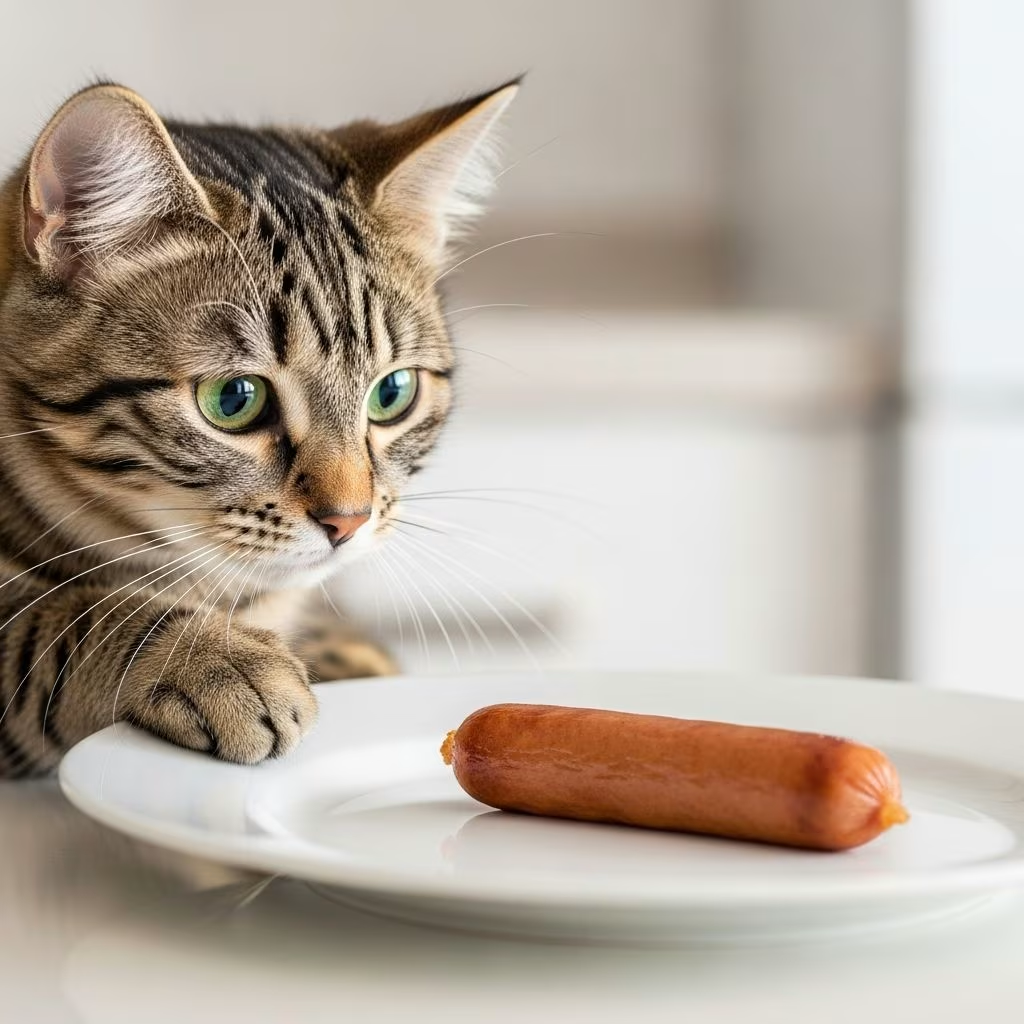
Can Cats Eat Sausage? Vet-Reviewed Nutritional Facts & FAQ
Sausage is a popular breakfast staple for many households, and it’s tempting to share this savory treat with your feline companion, especially when they beg at your feet during meal preparation. However, cats should not eat sausage due to multiple health risks associated with this processed meat product. While a tiny accidental bite may not cause immediate harm, regular consumption or even moderate portions can lead to serious health complications for your cat. Understanding why sausage is unsuitable for feline diets is essential for responsible pet ownership.
Is Sausage Bad for Cats?
Sausages present multiple dangers to cats that make them unsuitable for regular consumption. The primary concerns include excessive fat content, dangerous sodium levels, and potentially toxic seasonings and preservatives. Unlike humans, cats have different nutritional requirements and metabolic capabilities that make sausage particularly problematic for their health.
The combination of these factors creates a perfect storm for feline health issues. Even seemingly small amounts can trigger adverse reactions in some cats, particularly those with pre-existing health conditions or lower body weights.
Understanding Sausage’s Harmful Ingredients
Most commercial sausages contain multiple ingredients that pose specific risks to cats. Each component works against feline health in distinct ways:
- Garlic and onion powder: These seasonings are extremely toxic to cats, even in small quantities. They damage red blood cells and can cause hemolytic anemia, a potentially life-threatening condition.
- High sodium content: Sausages contain 500-700mg of salt per link, which triples a cat’s safe daily sodium limit of 210mg.
- Excess fat: Most sausages contain 30-40% fat, far exceeding the 20% maximum recommended for cats.
- Preservatives: Sodium nitrite, sulfites, and other chemical additives can disrupt oxygen transport in blood and cause long-term health complications.
Sodium Content and Its Effects
One of the most significant dangers in sausage is the excessive sodium content. A single sausage link can contain 500-700mg of salt, compared to a cat’s safe daily limit of just 210mg. Consuming sausage creates an immediate sodium overload that can trigger serious complications:
- Dehydration and increased thirst
- Kidney strain and potential kidney disease
- Elevated blood pressure
- Seizures in severe cases
- Urinary tract infections, cystitis, or bladder stones
Even small amounts of sausage can cause sodium toxicity in smaller cats or those under 10 pounds. The ASPCA states that consumption exceeding 210mg sodium per 5 pounds of body weight requires immediate veterinary care.
Is Sausage Too Fatty for Cats?
Fat is an important nutrient for cats as a secondary energy source, but sausage contains dangerously high levels that exceed feline dietary needs. While cats require some dietary fat, the recommended maximum is 20% of total calories. Most sausages exceed this significantly, containing 30-40% fat content.
Regular consumption of high-fat foods like sausage can lead to:
- Obesity and weight gain
- Pancreatitis, a serious inflammation of the pancreas
- Liver disease
- Diabetes
- Heart problems
While cats naturally have high levels of HDL cholesterol, excessive dietary fat consumption disrupts their metabolic balance and increases the risk of these chronic conditions.
Preservatives and Chemical Additives
Sausages are heavily processed and contain numerous preservatives designed to extend shelf life. Many of these additives are safe for human consumption but harmful to cats. Key problematic preservatives include:
- Sulfites and sulfur dioxide: These preservatives can destroy thiamine (Vitamin B1) in your cat’s diet, leading to thiamine deficiency, which is linked to neurological issues.
- Nitrates and nitrites: These chemical preservatives can be detrimental when consumed in high quantities or over the long term.
- BHA and other artificial additives: These enhance flavor and preservation but add no nutritional value and may pose digestive risks.
Thiamine deficiency is particularly concerning because even small amounts of these preservatives should be avoided to maintain proper neurological function in your cat.
Toxic Seasonings in Sausage
Perhaps the most dangerous aspect of sausage for cats is the seasonings used in production. Garlic and onion are members of the allium family, which are toxic to cats regardless of quantity. Even “unseasoned” or “plain” sausage varieties may contain garlic or onion powder as hidden ingredients.
As little as 5 grams (1 teaspoon) of seasoned sausage can be toxic due to garlic and onion content. These seasonings cause hemolytic anemia by damaging red blood cells, potentially leading to:
- Pale or discolored gums
- Lethargy and weakness
- Difficulty breathing
- Organ failure in severe cases
The American Veterinary Medical Association explicitly advises against processed meats like sausage due to these irreversible health risks.
Nutritional Comparison: What Cats Actually Need vs. What Sausage Offers
| Component | Cat’s Safe Limit | Typical Sausage Content | Health Impact |
|---|---|---|---|
| Sodium | 210mg/day | 500-700mg/link | Dehydration, kidney strain, seizures |
| Fat | ≤20% of calories | 30-40% of calories | Pancreatitis, obesity, diabetes |
| Garlic/Onion | 0mg (toxic) | 0.5-2% of mix | Hemolytic anemia, organ failure |
| Preservatives | None needed | Multiple types | Thiamine deficiency, digestive issues |
Are Any Sausages Healthy for Cats?
Since the main health concerns with sausage are the high fat content and abundance of preservatives, finding a truly cat-safe sausage is nearly impossible. Even if you located a sausage without preservatives, the sodium and fat content would still be problematic.
If you must offer sausage, the only remotely acceptable option would be:
- Homemade sausage made without any preservatives
- Lower-fat varieties made with chicken or turkey instead of pork
- Sausage with minimal to no seasoning
- Only offered as an extremely rare, tiny treat
However, even with these modifications, sausage remains unsuitable for regular feline diets. The risk-benefit analysis simply doesn’t favor sausage consumption for cats.
What Should You Do If Your Cat Eats Sausage?
If your cat accidentally consumes sausage, the appropriate response depends on the amount and ingredients. A single small lick or tiny piece may not cause immediate harm, but you should monitor your cat carefully for 24 hours for signs of distress.
Watch for the following symptoms:
- Vomiting or diarrhea
- Lethargy or unusual behavior
- Pale or discolored gums
- Difficulty breathing
- Loss of appetite
- Excessive thirst or urination
If you suspect your cat has consumed a significant amount of sausage or if any symptoms develop, immediately contact your veterinarian. Do not wait to see if symptoms worsen. Sodium poisoning and hemolytic anemia require prompt professional treatment.
Safe Treat Alternatives That Nourish Your Cat
Your cat doesn’t need sausage to enjoy special treats. Many veterinarian-approved alternatives satisfy your cat’s meat cravings while providing actual nutritional benefits. Remember the 10% rule: treats should never exceed 10% of your cat’s daily caloric intake.
Plain cooked chicken: Shredded chicken without skin or bones is an excellent protein source. Offer no more than 15 grams at a time. Avoid adding salt, seasoning, or oil.
Canned tuna in water: This can be offered occasionally as a special treat, but limit to 1 teaspoon weekly due to mercury concerns and potential thiamine deficiency if overused.
Commercial cat treats: Look for treats with AAFCO (Association of American Feed Control Officials) approval, ideally from sources like those recommended by Cornell University’s Feline Health Center. These are formulated to meet feline nutritional standards.
Cooked turkey: Similar to chicken, plain cooked turkey provides lean protein without harmful additives.
Freeze-dried meat treats: These commercial options contain no additives or preservatives and offer pure protein.
The Cornell Feline Health Center confirms that properly selected treats provide essential taurine and other nutrients without harmful additives that sausage contains.
What’s the Final Verdict?
While a tiny accidental bite of sausage may not cause immediate harm to most cats, sausage should not be part of your cat’s regular diet. The combination of high fat, excessive sodium, toxic seasonings, and harmful preservatives makes sausage unsuitable for feline consumption. Unlike dogs, cats lack the enzymes to safely process sausage ingredients, making them particularly vulnerable to adverse effects.
If you’re looking to treat your cat, invest in veterinarian-approved alternatives that actually contribute to their health rather than putting them at risk. Your cat’s begging behavior doesn’t indicate nutritional need—it’s simply curiosity or desire for attention. Redirect this behavior toward safer options and maintain appropriate portion sizes of legitimate feline treats.
Frequently Asked Questions (FAQs)
Q: Can cats eat a small piece of sausage?
A: A single small piece may not cause immediate harm, but it’s not recommended. Even small amounts contain concerning levels of sodium and fat. If your cat accidentally eats a tiny piece, monitor for 24 hours and contact your vet if symptoms develop.
Q: What happens if a cat eats sausage?
A: A single small serving may cause vomiting or diarrhea. Risks escalate with repeated exposure. One link can trigger sodium poisoning in cats under 10 pounds. Watch for lethargy, pale gums, or digestive upset, and contact your vet immediately if these symptoms appear.
Q: Are all sausages dangerous for cats?
A: Yes. All commercial sausages contain dangerous levels of salt (300-700mg per serving) and often contain hidden onion or garlic powder. No sausage variety meets feline dietary requirements regardless of meat type.
Q: How much sausage is toxic to cats?
A: As little as 5 grams (1 teaspoon) of seasoned sausage can be toxic due to garlic and onion content. For sodium toxicity, the ASPCA states that consumption exceeding 210mg sodium per 5 pounds of body weight requires immediate care. Most sausages contain 500mg+ per serving.
Q: What should I feed my cat instead of sausage?
A: Opt for plain cooked chicken (maximum 15g), canned tuna in water (1 teaspoon weekly), or vet-formulated treats. The Cornell Feline Health Center confirms these provide essential taurine without harmful additives. Never exceed 10% of daily calories from treats.
Q: Do vets recommend sausage for cats?
A: No. The American Veterinary Medical Association explicitly advises against processed meats due to irreversible health risks. Unlike dogs, cats lack enzymes to safely process sausage ingredients. Even occasional feeding contributes to chronic conditions like pancreatitis.
References
- Can Cats Eat Sausage? Vet-Reviewed Nutritional Facts & FAQ — Catster. 2025. https://www.catster.com/nutrition/can-cats-eat-sausage/
- Can cats eat sausage? The facts you need to know! — Untamed. 2024. https://untamed.com/blogs/nutrition/can-cats-eat-sausage
- Can Cats Eat Sausage? — Basepaws. 2024. https://basepaws.com/blog/can-cats-eat-sausage
- Feline Nutrition — Cornell Feline Health Center, Cornell University College of Veterinary Medicine. 2024. https://www.vet.cornell.edu/departments-centers-and-institutes/cornell-feline-health-center
- Pet Poison Control and Safety Information — ASPCA Animal Poison Control Center. 2025. https://www.aspca.org/
- Nutritional Guidelines for Complete and Balanced Diets for Cats — Association of American Feed Control Officials (AAFCO). 2024. https://www.aafco.org/



