

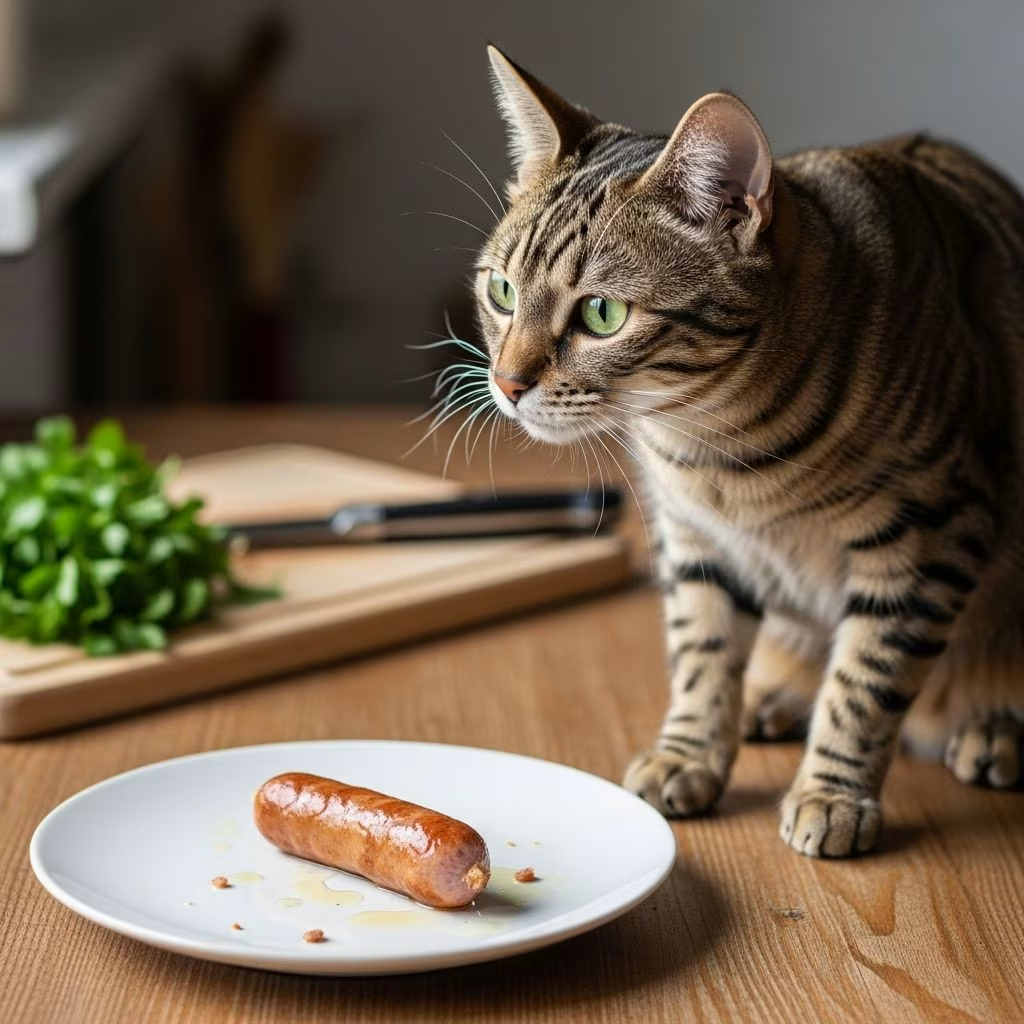
Cats are obligate carnivores that thrive on meat-based diets, but not all meats suit their sensitive systems. Sausage, a popular human food, often tempts curious felines, yet it carries significant health concerns due to processing, additives, and nutritional imbalances. While a tiny nibble might not cause immediate harm, regular or larger portions can lead to serious issues like obesity, organ strain, and toxicity. This comprehensive guide examines sausage’s composition, feline dietary needs, potential dangers, and superior alternatives to keep your cat healthy and happy.
Understanding Sausage Composition and Feline Biology
Sausage typically consists of ground meat—often pork, beef, or poultry—mixed with fat, salt, spices, and preservatives, encased for cooking or curing. These elements make it flavorful for humans but problematic for cats, whose digestive systems evolved for raw or lightly processed prey high in protein and moisture, low in carbohydrates and excess sodium.
Cats lack certain enzymes to process plant-based additives common in sausages, such as garlic and onion powders from the Allium family. Their kidneys are efficient at concentrating urine but vulnerable to salt overload, and high-fat intake can overwhelm their pancreas. Recognizing these differences helps explain why human snacks like sausage disrupt feline equilibrium.
- Protein source: Meat base provides some benefits, but quality varies and is often diluted.
- Fat levels: Excessive for cats, promoting weight gain.
- Sodium content: Far exceeds a cat’s daily needs.
- Additives: Spices and chemicals irritate or poison.
Key Dangers: Why Sausage Harms Cats
Sausage’s appeal stems from its rich taste, but this masks hazards tailored to human palates. High fat content, averaging 20-30% in many varieties, exceeds the 20% caloric limit ideal for cats, leading to rapid calorie surplus.1 Salt levels cause thirst, dehydration, and long-term kidney stress, while toxic spices damage red blood cells.
Fat Overload and Related Conditions
Excess fat triggers pancreatitis—inflammation of the pancreas causing vomiting, lethargy, and abdominal pain. Obese cats face diabetes, joint problems, and hepatic lipidosis (fatty liver disease). Indoor or neutered cats, with lower activity and metabolism, are especially prone; even small weekly treats accumulate.
| Risk | Causes | Symptoms |
|---|---|---|
| Pancreatitis | High saturated fats | Vomiting, diarrhea, hunched posture |
| Obesity | Calorie-dense treats | Weight gain, reduced mobility |
| Diabetes | Fat-induced insulin resistance | Increased thirst, urination |
Salt and Mineral Imbalances
Sausages contain 1-2% sodium by weight, dwarfing the 0.3-0.4% in commercial cat foods. This prompts excessive drinking, electrolyte shifts, and hypertension, straining delicate kidneys already at risk from age or genetics.3 Chronic exposure elevates urinary tract infections, stones, and insufficiency.
Toxic Additives: Garlic, Onions, and Spices
Allium compounds in powdered form oxidize hemoglobin in cat red blood cells, causing hemolytic anemia. Symptoms include pale gums, weakness, rapid breathing, and collapse, appearing 1-5 days post-ingestion. Even trace amounts in seasonings pose threats; spicy varieties add gastrointestinal burns and diarrhea.1
Preservatives and Processing Risks
Nitrates, nitrites, and sulfites extend shelf life but deplete thiamine (vitamin B1), vital for cat nerve function, risking neurological deficits like seizures or ataxia. Uncertain meat quality introduces allergens, bacteria (if undercooked), or excess vitamins like A, causing skeletal issues in kittens.2
Raw sausage harbors Salmonella or E. coli, while casings pose choking hazards or blockages. Fully cooked, casing-free bits reduce some risks but don’t eliminate nutritional pitfalls.
Signs Your Cat Has Eaten Harmful Sausage
Monitor for acute reactions: vomiting, diarrhea, drooling, or refusal to eat within hours. Delayed signs include lethargy, jaundice, dark urine (anemia), or increased thirst (salt effects). Seek veterinary care if symptoms persist; blood tests confirm toxicities.
- Immediate: Stomach upset, hyperactivity from salt.
- 24-72 hours: Anemia weakness, pale mucous membranes.
- Chronic: Weight fluctuations, urinary changes.
Occasional Treats: Is Any Sausage Safe?
Plain, cooked chicken or turkey sausage—low-fat, low-sodium, free of garlic/onion/spices—might be tolerated in pea-sized amounts (1-2% of daily calories) for healthy adults. Avoid for kittens, seniors, or those with conditions. Turkey varieties edge out pork for lower fat.2 Still, commercial cat treats outperform by matching taurine and nutrient profiles.
Never offer cured types like salami or pepperoni, laden with toxins and fats.5
Healthier Alternatives to Satisfy Meat Cravings
Opt for cat-formulated options ensuring balance:
- Commercial treats: Freeze-dried meat bits with taurine.
- Home-prepared: Boiled chicken breast, skinless turkey, or fish (no bones/seeds), shredded finely.
- Novel proteins: Rabbit or duck for picky eaters.
- Veggies as fillers: Steamed pumpkin for fiber, sparingly.
Portion control prevents boredom-induced begging; rotate flavors. Consult vets for dietary tweaks, especially post-neutering or illness.
Frequently Asked Questions About Cats and Sausage
Can cats eat cooked sausage?
Cooked is safer than raw (bacteria risk), but additives persist. Limit to plain, minimal amounts; better skipped altogether.
Is turkey sausage okay for cats?
Potentially, if unseasoned and low-fat, but check labels rigorously. Poultry bases are leaner than pork.
What if my cat ate sausage by accident?
Observe for 48 hours; contact vet for garlic-heavy types or large quantities. Induce vomiting only under guidance.
Does sausage cause allergies in cats?
Possible with fillers or preservatives; symptoms mimic intolerances like IBS.
How much plain meat is safe as treats?
10% of diet max; prioritize kibble/wet food for completeness.
Long-Term Diet Tips for Thriving Cats
Maintain 85-95% complete food (AAFCO-labeled), supplementing with vetted treats. Weigh monthly, encourage play for activity. Annual bloodwork detects early deficiencies from indiscretions. Hydration via fountains aids kidney health amid occasional slips.
Ultimately, steering clear of sausage protects against preventable woes, fostering a lean, vibrant companion. Prioritize quality over temptation for lifelong vitality.
References
- Can Cats Eat Sausage? Safety & Nutrition Guide — Zoorithm. 2023. https://www.zoorithm.com/cats/can-cat-eat-sausage
- Can Cats Eat Sausage? Vet-Reviewed Nutritional Facts — Catster. 2024. https://www.catster.com/nutrition/can-cats-eat-sausage/
- Can cats eat sausage? The facts you need to know! — Untamed. 2023. https://untamed.com/blogs/nutrition/can-cats-eat-sausage
- Emergency cat food: The human foods cats can eat — Bow Wow Insurance. 2024. https://bowwowinsurance.com.au/pet-community/pet-talk/human-foods-for-cats/
- Can Cats Eat Bacon or Other Processed Meats? — Whisker. 2023. https://www.whisker.com/blog/can-cats-eat-bacon-processed-meats



