

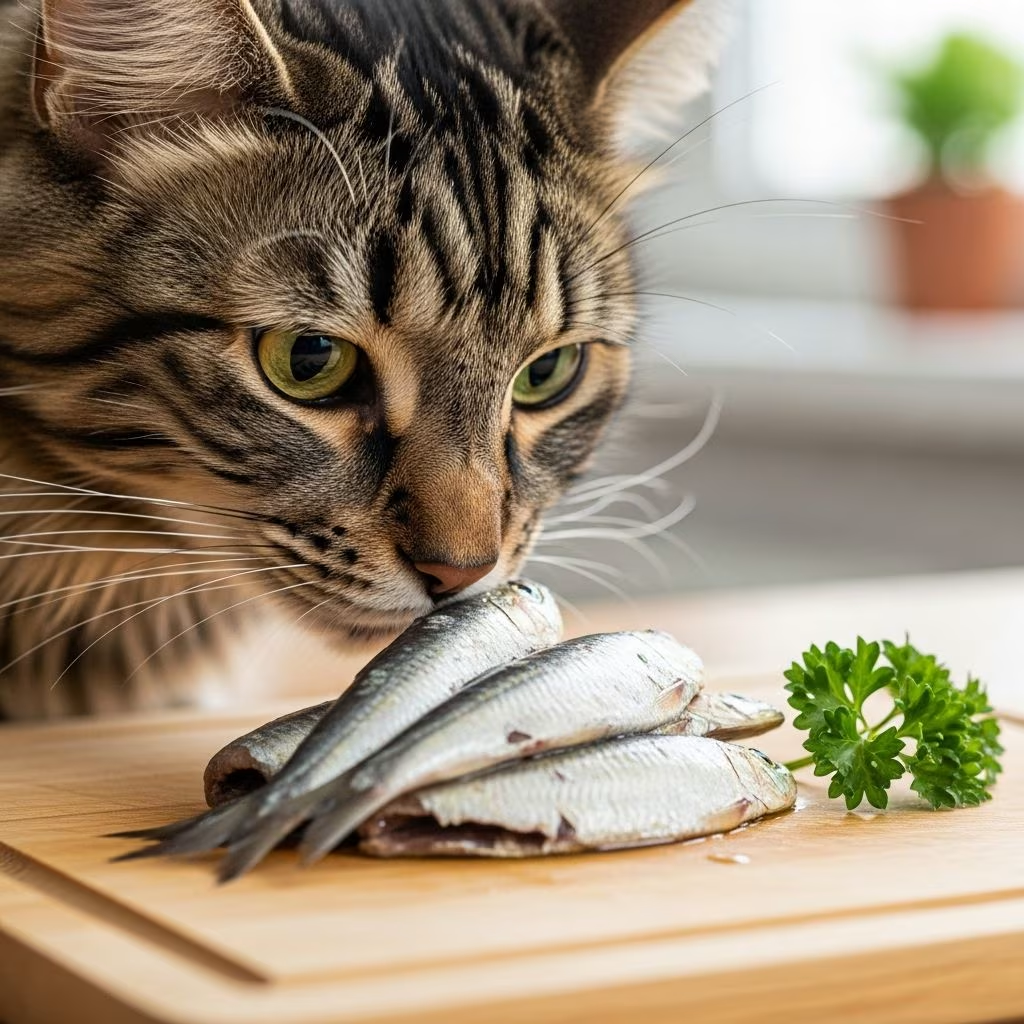
Can Cats Eat Sardines?
Yes, cats can safely eat sardines, and they can be a nutritious addition to your feline’s diet when served properly. Sardines are not toxic to cats and are actually used in many commercial cat food formulations. However, like any human food, sardines should only be given to cats in moderation and with careful attention to preparation methods. Understanding the benefits and potential risks of sardines will help you make informed decisions about your cat’s diet.
Nutritional Benefits of Sardines for Cats
Sardines offer several important nutrients that support feline health. These small fish are packed with essential nutrients that can complement your cat’s regular diet when offered as an occasional treat.
Protein Content
Sardines are an excellent source of high-quality animal protein, which is essential for cats. Cats require approximately 26% protein in their diet, derived from animal sources, making sardines an appropriate protein supplement. This nutrient supports muscle maintenance, growth, and overall body function in felines.
Omega-3 Fatty Acids
One of the most significant benefits of sardines is their high content of omega-3 fatty acids, including EPA and DHA (eicosapentaenoic acid and docosahexaenoic acid). These fatty acids have anti-inflammatory properties and are found naturally in sardines and other seafood. They provide several health advantages for cats:
- Support healthy coat and skin condition, keeping fur shiny and skin moisturized
- Promote joint health and flexibility
- Support cardiovascular function and heart health
- Aid in brain development and cognitive function
- Contribute to healthy vision, which is particularly important for cats’ hunting abilities
- Support immune system function
Essential Vitamins and Minerals
Sardines contain vitamin D, which helps regulate calcium levels and maintains bone health. They also provide selenium, an antioxidant that helps prevent cell damage and supports a healthy immune system while potentially lowering the risk of certain health conditions. Additionally, sardines contain taurine, an essential amino acid that is vital for brain, heart, and eye health in cats.
Types of Sardines Safe for Cats
Not all sardines are created equal when it comes to feline nutrition. The preparation method and packaging significantly impact their safety and nutritional value for cats.
Canned Sardines in Water
Canned sardines packed in water are the safest option for cats. These sardines have minimal added sodium and oil, making them ideal for feline consumption. When selecting canned sardines in water, look for varieties with no salt added or low sodium content. The water-packed option eliminates excess oil that could upset your cat’s digestive system or lead to overconsumption of fish oil.
Sardines in Oil
While sardines packed in oil can be given to cats, they should be rinsed thoroughly before serving to remove excess oil and sodium. The high oil content can be problematic if fed regularly, as it may lead to digestive issues or unwanted weight gain. Reserve oil-packed sardines for occasional treats and always rinse them first.
Avoiding Seasoned Varieties
Never give your cat sardines that contain added seasonings, salt, or spices. These additions can be harmful to felines and may cause sodium toxicity if consumed in large quantities. Always check the ingredient list carefully to ensure the sardines contain only fish and water, or minimal safe additives.
How to Safely Serve Sardines to Cats
Proper preparation is crucial when offering sardines to your cat. Following these guidelines will help ensure a safe and healthy treat experience.
Portion Size
Sardines should only be offered as an occasional treat, not as a meal replacement or daily food. A small amount—typically a few small pieces or a single sardine—is sufficient for most cats. Treats should make up no more than 10% of your cat’s daily caloric intake, with the remaining 90% coming from complete and balanced cat food.
Preparation Steps
- Select canned sardines in water with no added salt or seasonings
- If using oil-packed sardines, rinse them thoroughly under cool water to remove excess oil and sodium
- Remove all bones, as even small fish bones can pose a choking hazard or cause intestinal blockage
- Cut the sardine into small, appropriate pieces for your cat’s size and age
- Serve at room temperature, not directly from the refrigerator
- Always supervise your cat while eating
Frequency of Feeding
Sardines should be treated as an occasional treat rather than a regular dietary staple. Offering sardines once or twice per week is a reasonable frequency, but some cats may do well with less frequent treats. Monitor your cat’s response and consult with your veterinarian about appropriate frequency based on your individual cat’s health and dietary needs.
Potential Risks and Precautions
While sardines are generally safe for cats, there are several important precautions to consider before adding them to your cat’s diet.
Mercury Content
Fish, including sardines, can contain mercury. However, sardines are considered a safer choice compared to larger predatory fish like tuna, which accumulate higher mercury levels. Small fish like sardines in spring water are recommended as good occasional treats to minimize mercury exposure while still providing nutritional benefits.
Thiamine Deficiency Risk
Raw fish contains high levels of an enzyme that destroys vitamin B1 (thiamine), which can cause a severe condition called thiamine deficiency. For this reason, never feed your cat raw sardines. Always use canned sardines, which have been heat-treated during processing, eliminating this risk.
Fish Oil Overconsumption
If your cat’s regular diet already contains fish ingredients, feeding sardines frequently could lead to overconsumption of fish oil. This may cause digestive upset, vitamin E depletion, or other health issues. If your cat eats fish-based cat food regularly, limit sardine treats to occasional offerings or consider alternating with non-fish treats.
Choking and Bone Hazards
Even though sardines have small bones, they can still pose a choking hazard to some cats, particularly kittens or senior cats with dental issues. Always debone sardines carefully before serving, examining the fish closely to ensure all bones are removed. For cats that handle small bones well, the tiny bones in sardines may be acceptable, but err on the side of caution.
Sodium Content
Excess salt is harmful to cats and can lead to sodium toxicity. Always choose low-sodium or salt-free varieties, and avoid any sardines with added seasonings or spices. Read the nutritional label carefully to verify sodium content before purchasing.
Sardines vs. Other Fish Options for Cats
When considering fish treats for your cat, sardines are among the better options available. Here’s how they compare to other common choices:
| Fish Type | Mercury Level | Bone Size | Recommendation |
|---|---|---|---|
| Sardines | Low | Small | Good occasional treat |
| Mackerel | Moderate | Medium | Occasional treat in moderation |
| Tuna | High | Large | Limited treats only |
| Salmon | Low-Moderate | Large | Occasional treat when deboned |
| Cooked Whitefish | Low | Medium | Good occasional treat |
Sardines stand out as a particularly good choice because they are small fish with low mercury accumulation and can be easily portioned for cats. They also have higher omega-3 content compared to many other commonly fed fish options.
Signs Your Cat May Be Sensitive to Sardines
While most cats tolerate sardines well, some may experience adverse reactions. Watch for these warning signs:
- Vomiting or regurgitation shortly after eating sardines
- Diarrhea or loose stools
- Excessive drooling
- Lethargy or unusual behavior
- Loss of appetite for regular food
- Gagging or difficulty swallowing
- Signs of choking or distress
If your cat displays any of these symptoms after consuming sardines, discontinue feeding them immediately and contact your veterinarian.
When to Avoid Sardines
Certain cats should not be fed sardines or should only receive them under veterinary supervision:
- Cats with fish allergies or sensitivities
- Cats with kidney disease or renal issues
- Cats with thyroid conditions
- Cats on a prescription diet that specifically excludes fish
- Kittens under 12 weeks old
- Senior cats with dental problems (unless sardines are properly deboned and softened)
- Cats with a history of gastrointestinal issues
Always consult with your veterinarian before introducing sardines if your cat has any underlying health conditions.
Frequently Asked Questions (FAQs)
Q: Can kittens eat sardines?
A: Kittens can eat sardines once they are at least 12 weeks old and eating solid food. However, sardines should still be given in very small portions as occasional treats. Consult with your veterinarian about the appropriate age and portion size for your kitten.
Q: How often can I feed my cat sardines?
A: Sardines should be offered no more than once or twice per week as an occasional treat. They should not become a regular part of your cat’s diet, as this could lead to nutritional imbalances or overconsumption of certain nutrients like fish oil.
Q: Are canned sardines better than fresh sardines for cats?
A: Canned sardines in water are preferable to fresh sardines for cats. Canned sardines are heat-treated, eliminating the risk of thiamine deficiency from raw fish. Fresh sardines may contain parasites and harmful enzymes. Always choose properly processed canned sardines packed in water.
Q: Can sardines replace my cat’s regular food?
A: No, sardines cannot replace a complete and balanced commercial cat food. While nutritious, sardines lack certain essential nutrients and should only supplement a high-quality feline diet. Treats, including sardines, should comprise no more than 10% of your cat’s daily caloric intake.
Q: What should I do if my cat eats a sardine with bones?
A: Monitor your cat closely for signs of choking or distress. Small sardine bones often pass through the digestive system without issue, but contact your veterinarian if your cat shows symptoms like vomiting, reduced appetite, lethargy, or difficulty defecating within 24-48 hours.
Q: Are sardines safe for senior cats?
A: Sardines can be safe for senior cats if properly prepared. Ensure all bones are removed, cut pieces into small sizes appropriate for easier consumption, and monitor for any digestive issues. Senior cats with dental problems may need softer treats or may benefit from choosing alternative options.
Q: Can sardines help with my cat’s coat and skin health?
A: Yes, the omega-3 fatty acids in sardines can support coat and skin health. However, most quality commercial cat foods already contain these nutrients. Sardines can be a beneficial supplement, but consistent nutrition from regular cat food is more important than occasional sardine treats.
References
- Can Cats Eat Fish Bones? Vet-Reviewed Feeding Facts — Catster. 2024. https://www.catster.com/cat-health-care/can-cats-eat-fish-bones/
- Is There Mercury in Cat Food? Vet-Verified Facts & FAQ — Catster. 2024. https://www.catster.com/nutrition/is-there-mercury-in-cat-food/
- Can Cats Eat Mackerel? Precautions & Advice — Catster. 2024. https://www.catster.com/nutrition/can-cats-eat-mackerel/
- Can Cats Eat Minnows? Vet-Reviewed Facts & FAQ — Catster. 2024. https://www.catster.com/nutrition/can-cats-eat-minnows/
- Good Diet=Healthy Skin and Coat — Cat Writers’ Association. 2021. https://catwriters.com/



