

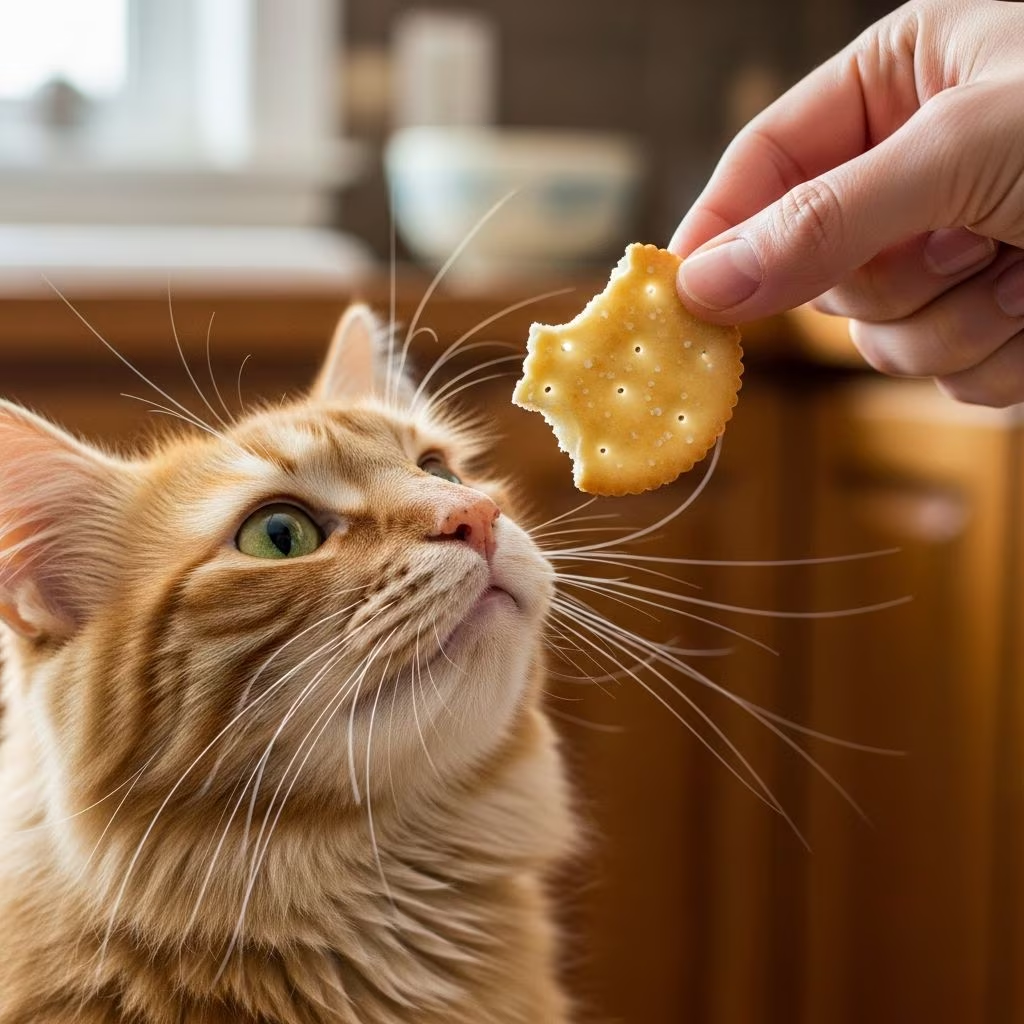
Saltine crackers are a popular human snack, but they pose risks for cats due to high sodium and carbohydrate content. While a tiny piece occasionally won’t cause immediate harm, regular feeding can lead to serious health issues like salt poisoning, obesity, and digestive upset. Cats are obligate carnivores requiring protein-rich diets, making saltines an unsuitable treat.
What Are Saltine Crackers?
Saltine crackers, also known as soda crackers, are simple, crisp snacks made primarily from refined wheat flour, water, salt, and baking soda. Some varieties include yeast, shortening, or minimal flavorings. They are baked to achieve a light, airy texture with a signature salty topping, providing humans with a low-fat, crunchy option for pairing with toppings.
For cats, however, these ingredients offer no benefits. Refined flour breaks down into simple carbohydrates that cats struggle to digest efficiently, as their systems are optimized for animal proteins and fats. The salt—often 150-200mg per serving—far exceeds a cat’s daily sodium needs of about 40-80mg, depending on size and health.
- Key ingredients: Wheat flour (carbs), salt (sodium), baking soda (leavening agent).
- Nutritional profile per 5 crackers (15g): ~70 calories, 11g carbs, 1.5g fat, 1g protein, 200mg sodium.
- Cats derive zero essential taurine, arachidonic acid, or vitamin A from saltines, nutrients vital from meat sources.
Understanding composition reveals why saltines disrupt feline nutrition: excess carbs spike blood sugar without satiety, while sodium burdens kidneys.
Are Saltine Crackers Safe for Cats?
In very small amounts, plain saltines are not acutely toxic to most healthy cats, but they are not safe or recommended. Veterinary consensus advises against them due to poor digestibility and nutritional voids. Cats lack enzymes like amylase in sufficient quantities to process grains effectively, leading to fermentation in the gut.
Flavored varieties (e.g., herb, cheese) amplify dangers with additives like garlic or onions, which are toxic. Even plain ones risk choking from crumbs or blockages in kittens/small cats.
| Aspect | Safe in Small Amounts? | Risks |
|---|---|---|
| Sodium | No | Dehydration, thirst, kidney strain |
| Carbs | Limited | Obesity, diabetes risk |
| Digestibility | Poor | Upset stomach, diarrhea |
| Nutrition | None | Taurine deficiency potential if substituted |
Safety hinges on ‘occasional nibble’ versus habitual sharing—prioritize cat-formulated foods.
Potential Health Risks of Feeding Saltines to Cats
Regular or excessive saltine consumption endangers cats through multiple pathways. As obligate carnivores, felines thrive on 50-60% protein diets; carbs should comprise under 10%.
High Sodium Content and Salt Poisoning
Saltines deliver 10-20% of a cat’s upper sodium limit per cracker. Overload causes hypernatremia (salt poisoning), with symptoms escalating rapidly: excessive thirst/polydipsia, vomiting, diarrhea, weakness, tremors, seizures, coma. Kidneys filter excess sodium, straining those with chronic kidney disease (common in 30-50% of senior cats).
- Symptoms timeline: Mild (thirst in hours), severe (neurologic in 12-24 hours).
- Risk factors: Dehydration, heart/kidney issues, hot weather.
Carbohydrate Overload and Obesity
Cats inefficiently metabolize carbs, converting excess to fat. Saltines’ simple starches promote insulin spikes, heightening type 2 diabetes risk—now affecting 1 in 50 cats per recent studies. Weight gain stresses joints, heart, and liver, shortening lifespan.
Digestive Issues
Wheat gluten irritates sensitive guts, causing bloating, gas, soft stools, or diarrhea. Dry texture risks impaction if gulped whole, especially in playful cats.
Nutritional Deficiencies
Lacking taurine (prevents blindness/heart failure), vitamin A (skin/eye health), and arachidonic acid (inflammation control), saltines displace vital meals. Chronic substitution risks dilated cardiomyopathy (DCM) or central retinal degeneration (CRD).
Other Risks: Allergies and Choking
Rare wheat allergies manifest as itching, ear infections, chronic GI woes. Crumbs pose aspiration/choking hazards.
Monitor post-exposure: lethargy, appetite loss warrant vet visits.
Signs of Trouble After Eating Saltines
Post-saltine symptoms vary by amount ingested:
- Mild GI upset: Vomiting (within 2-4 hours), diarrhea, drooling—resolves in 24 hours with fasting/water.
- Sodium excess: Increased drinking/urination, restlessness, head pressing.
- Severe: Tremors, ataxia, collapse—emergency!
At-risk cats (seniors, renally impaired) show amplified effects. Induce vomiting only under vet guidance; hypertonic saline IV corrects sodium imbalances.
What Should You Do if Your Cat Eats Saltines?
Single small piece: Observe 24 hours, ensure water access, withhold food 12 hours if GI signs.
Multiple/large amount: Contact vet/ASPCA hotline immediately. Provide cracker details (brand, quantity). Treatments: Fluids, anti-emetics, monitoring.
- Prevention tips: Store snacks inaccessible; redirect begging to toys.
- Home care limits: No milk/human remedies—toxic.
Vets emphasize: Better safe than sorry—err toward professional advice.
Healthier Alternatives to Saltines for Cats
Opt for treats mirroring natural prey: high-protein, low-carb.
| Treat Type | Benefits | Examples |
|---|---|---|
| Commercial Cat Treats | Balanced nutrients, dental health | Freeze-dried chicken/minnow bits |
| Plain Cooked Meat | Pure protein, taurine-rich | Turkey, chicken (no skin/seasoning) |
| Cat-Safe Veggies | Fiber, low-cal crunch | Cucumber slices, steamed broccoli |
| Dental Chews | Plaque reduction, texture | Greenies, Virbac CET |
Limit treats to 10% daily calories. Hydrating options like tuna flakes (in water) mimic crunch safely.
- DIY recipe: Blend cooked chicken with catnip; dehydrate into chips.
- Rotate for variety, avoiding boredom-induced begging.
Cat Nutrition Basics: Why Protein Matters
Cats evolved as hunters; wild diets are 70% moisture, 50%+ protein, minimal plants. Domestic kibble/wet food must supply:
- Taurine: 0.1-0.2% dry matter—heart/vision essential.
- Arachidonic acid/Vit A: Liver/fish-derived.
- AAFCO standards ensure completeness.
Human foods like saltines undermine this, promoting ‘carb creep’ in obesity epidemics.
Frequently Asked Questions (FAQs)
Can cats eat saltine crackers regularly?
No. High salt/carbs harm kidneys, cause obesity/diabetes over time. Occasional tiny nibble only.
What are symptoms of salt poisoning in cats from saltines?
Vomiting, diarrhea, thirst, tremors, seizures, lethargy. Seek emergency vet care.
Can saltine crackers cause obesity in cats?
Yes, empty carbs convert to fat, raising diabetes/joint disease risks.
Are there any benefits to giving cats saltines?
None nutritionally. Texture may entertain briefly, but better cat chews exist.
What if my cat stole a saltine—should I worry?
One small piece: Monitor hydration/appetite. Multiple: Call vet.
Final Thoughts on Cats and Saltines
Saltines tempt sharing moments, but feline health demands restraint. Prioritize species-appropriate nutrition for longevity—vets report fewer issues in strict-protein fed cats. Consult professionals for tailored advice, ensuring your companion thrives.
References
- Foods Poisonous to Cats: 4 Dangerous Ones to Avoid — PetPlace.com. 2023-05-15. https://www.petplace.com/article/cats/pet-health/cat-health/cat-diet-nutrition/the-ultimate-guide-to-what-cats-cant-eat
- Can Cats Eat Saltines? Vet Reviewed Facts & Info — Hepper. 2024-08-20. https://articles.hepper.com/can-cats-eat-saltines/
- Nutritional Requirements for Cats — National Research Council (via NRC report). 2006-01-01 (authoritative standard, remains foundational for feline nutrition). https://nap.nationalacademies.org/catalog/11616/nutrient-requirements-of-dogs-and-cats
- Sodium Toxicity in Cats — Merck Veterinary Manual. 2024-11-10. https://www.merckvetmanual.com/toxicology/food-hazards/salt-toxicity-in-animals
- Can Cats Eat Bread? — Rover.com. 2023-07-12. https://www.rover.com/blog/can-my-cat-eat-bread/



