

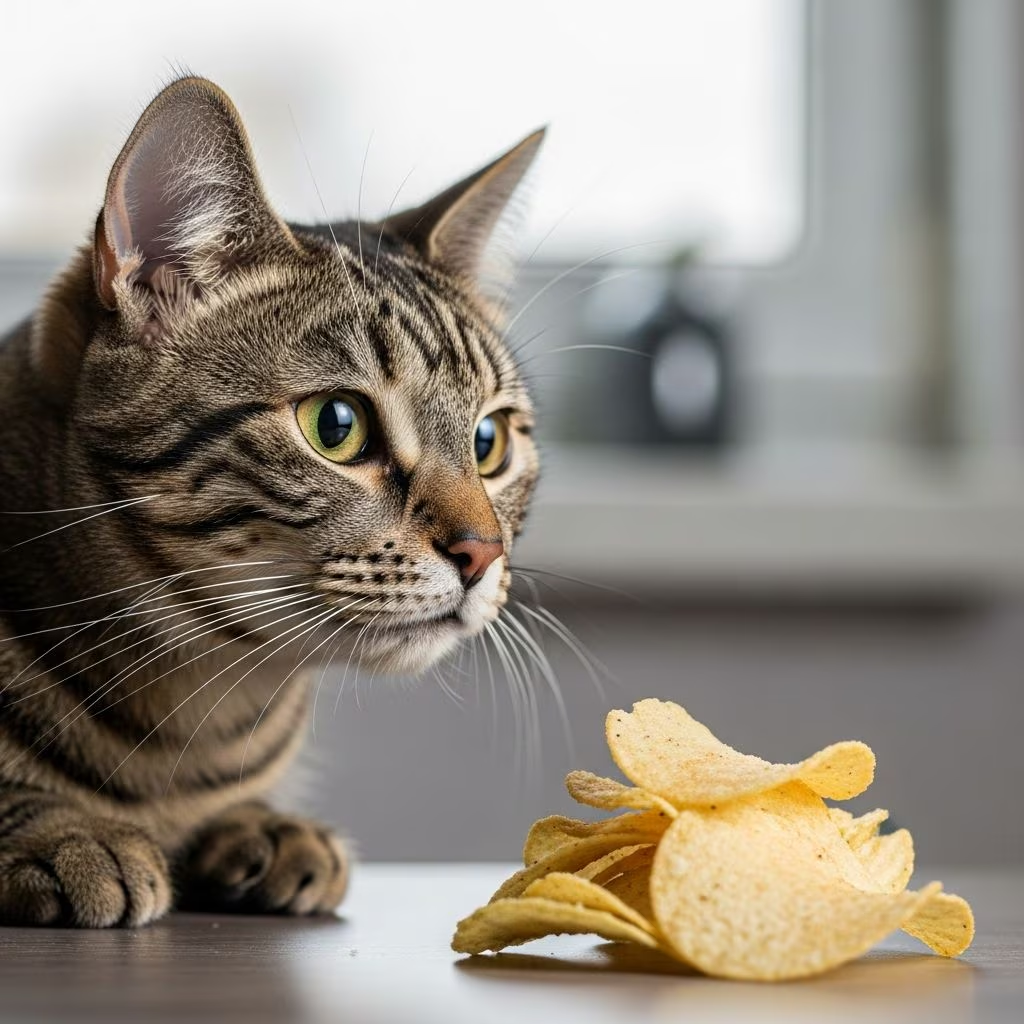
Can Cats Eat Salt & Vinegar Chips? Vet-Reviewed Risks & FAQ
Does your cat inch towards you when they hear the crinkle of a chip bag? Felines are nosy creatures that are often intrigued by what they can’t have. This may include salt and vinegar potato chips. While eating a couple of salt and vinegar chips will likely not hurt your cat, potato chips are not a healthy snack for them and should not be fed to cats intentionally. Plus, vinegar is commonly used as a natural cat repellent, so they aren’t likely to enjoy the taste anyway. Let’s learn more about why these popular human snacks pose potential risks to your feline friend.
Why Salt and Vinegar Chips Are Bad for Cats
Salt and vinegar chips aren’t toxic to cats, so if they accidentally eat one or two occasionally, you shouldn’t have anything to worry about. However, while not toxic, potato chips aren’t healthy for cats because they contain a lot of salt and fat, and the oil they are cooked in can upset their stomach. Understanding the specific components that make these chips problematic is essential for keeping your cat safe.
Salt Content and Sodium Toxicity
Sodium is a vital component for life. Together with potassium, these electrolytes regulate your cat’s bodily fluid balance. Sodium is a dietary requirement that is often easily met by feeding cat food that meets AAFCO standards. AAFCO-certified cat foods are formulated to meet their basic nutritional requirements, ensuring your cat receives appropriate sodium levels from their regular diet.
Since cats get all the sodium they need from their diet, they don’t require extra salt found in salt and vinegar chips. If a cat was to eat a lot of salt, salt toxicity can occur, a condition that can be fatal. Signs of salt toxicity include:
- Vomiting
- Diarrhea
- Seizures
- Excessive thirst
- Lethargy
Dehydrated pets are at the highest risk of salt toxicity, but it can also happen if they’re eating large amounts of heavily salted human food. The high sodium concentration in potato chips can rapidly elevate sodium levels in your cat’s bloodstream, disrupting their electrolyte balance and causing serious health complications.
Fat Content and Digestive Issues
Potato chips are cooked in oil, which gives your cat excess fat that they don’t need in their diet. Eating more than a couple of potato chips may lead to signs of digestive upset, including:
- Vomiting
- Diarrhea
- Stomach pain
These symptoms occur due to the oil content and are often temporary. Most of the time, these signs will go away within a day or two, but be sure to consult your vet if signs become severe or aren’t cleared up within 48 hours. The unhealthy fats in fried snacks can overwhelm your cat’s digestive system, which is designed to process animal-based proteins rather than processed plant oils.
Consuming excess fat can also lead to weight gain and obesity if fed regularly over time. Obesity can contribute to other issues, such as diabetes and joint problems. Regular consumption of high-fat human foods significantly increases the risk of metabolic diseases in cats, making it crucial to avoid feeding them chips as treats.
Is Vinegar Bad for Cats?
Vinegar isn’t toxic to cats. In fact, many pet parents use it to clean their home because it’s safer to use around felines than most commercial cleaning products and essential oils. However, cats generally dislike the taste and smell of vinegar—so much that it’s actually touted as a natural cat repellent. This means that even if your cat somehow obtained a salt and vinegar chip, they may instinctively avoid it due to the vinegar flavoring.
Due to its antibacterial properties, you may read that it can be a good idea to add apple cider vinegar to your cat’s diet. However, before doing this, be sure to speak to your veterinarian as it may not be beneficial for every cat and the high acidity can upset their stomach. The acidic nature of vinegar can disrupt your cat’s digestive pH balance, potentially causing gastrointestinal discomfort even in small quantities.
Are Potatoes Healthy for Cats?
Plain, cooked potatoes aren’t toxic to cats, and may be found as an ingredient in commercially produced cat food. However, due to their high carbohydrate content, cats shouldn’t eat a lot of potatoes, especially those fried in oil as in potato chips. Cats are obligate carnivores, meaning their bodies are optimized for digesting animal proteins rather than plant-based carbohydrates. Consuming excessive carbohydrates can lead to weight gain and nutritional imbalances.
Potatoes shouldn’t have any potatoes that are raw or served with butter, cream, or extra seasonings, such as garlic and onion, as these extra ingredients can upset their stomach or be potentially toxic in large enough amounts. Garlic and onion, in particular, contain compounds that can damage your cat’s red blood cells, leading to hemolytic anemia. Always ensure any potato-based food your cat consumes is plain, unseasoned, and properly cooked.
What Happens If Your Cat Eats Salt and Vinegar Chips?
If your cat manages to sneak a chip or two, they will likely be fine in most cases. One or two chips occasionally shouldn’t cause major health issues for a healthy adult cat. However, if your cat consumes a larger quantity of salt and vinegar chips, you should monitor them closely for symptoms of digestive distress.
Watch for the following warning signs after your cat eats chips:
- Vomiting or regurgitation
- Diarrhea
- Excessive drooling
- Restlessness or discomfort
- Increased thirst or urination
- Loss of appetite
- Lethargy or unusual behavior
In most cases, these symptoms will resolve on their own as your cat’s body processes and eliminates the chips. However, if symptoms persist or worsen, it’s best to consult a vet immediately. If your cat shows severe symptoms such as seizures, difficulty breathing, or extreme lethargy, contact your vet or an emergency animal clinic right away, as these could indicate salt toxicity or other serious complications.
Prevention: How to Keep Your Cat Safe
The best approach to protecting your cat from the dangers of salt and vinegar chips is prevention. Keep these snacks securely stored away from curious felines:
- Store chips and other human snacks in sealed containers
- Keep snacks in high cupboards where your cat can’t access them
- Avoid eating chips near your cat or leaving them unattended on tables and counters
- Clean up any crumbs immediately after eating
- Educate family members about the importance of not sharing human food with pets
Providing your cat with engaging toys and their own appropriate treats can also reduce their curiosity about your food. When cats have adequate enrichment and satisfying alternatives, they’re less likely to attempt stealing human snacks.
Healthy Treat Alternatives for Your Cat
Instead of sharing your salty snacks, offer your cat treats that are specifically formulated for feline nutrition. Some excellent alternatives include:
- Commercial cat treats: Look for brands with high protein content and minimal additives
- Cooked chicken: Plain, unseasoned chicken breast is an excellent protein source
- Fish: Cooked salmon or tuna can be given occasionally in small portions
- Wet cat food: High-quality canned food provides nutrition and hydration
- Freeze-dried meat: A nutritious option that satisfies natural hunting instincts
Always introduce new treats gradually and in moderation. Treats should comprise no more than 10% of your cat’s daily caloric intake, with the remaining 90% coming from a balanced, high-quality cat food.
Frequently Asked Questions (FAQs)
Q: Can one chip harm my cat?
A: A single chip is unlikely to cause severe harm, but it can still upset your cat’s stomach. It’s always better to err on the side of caution and avoid giving them chips altogether. Most healthy cats will experience no lasting effects from a single chip consumed accidentally.
Q: Why are acidic foods bad for cats?
A: Cats have sensitive stomachs and are not equipped to handle acidic foods. Acidic ingredients can cause gastrointestinal irritation and disrupt their pH balance. This can lead to discomfort, reduced appetite, and in some cases, more serious digestive issues over time.
Q: What if my cat loves salty foods?
A: It’s not uncommon for cats to be curious about salty snacks, but their bodies are not designed to process high sodium levels. If your cat shows particular interest in salty human foods, focus on providing salt-free alternatives and ensure they can’t access dangerous snacks. Consult your vet if your cat’s food preferences seem unusual.
Q: How can I keep my cat from eating human snacks?
A: Store chips and other human snacks in sealed containers or high cupboards where your cat can’t access them. Providing your cat with engaging toys and their own treats can also reduce their curiosity about your food. Training and consistent boundaries are also important tools in preventing snacking behavior.
Q: Are there any potato chips safe for cats?
A: No potato chips are truly safe for cats. Even plain, unsalted potato chips lack nutritional value for felines and contain excessive fat. It’s best to avoid all types of potato chips and choose species-appropriate treats instead.
Q: When should I call my veterinarian?
A: Contact your vet if your cat shows symptoms lasting more than 48 hours, including persistent vomiting or diarrhea. Seek emergency care immediately if your cat exhibits seizures, difficulty breathing, extreme lethargy, or shows signs of severe distress.
Conclusion
Salt and vinegar potato chips may be what we reach for when hunger (or boredom) strikes, but they’re not a good snack for your cat due to the high amount of salt and fat. However, if your cat happens to sneak a chip or two, they will likely be fine. Eating more than that may lead to an upset stomach complete with vomiting and diarrhea. Be sure to see your vet if your kitty gobbles a large amount of salt and vinegar chips and are experiencing any severe signs. By understanding the risks and taking preventive measures, you can ensure your feline companion stays healthy and happy while enjoying appropriate, cat-safe treats.
References
- AAFCO Official Standards — Association of American Feed Control Officials. https://www.aafco.org/
- Feline Nutrition and Dietary Requirements — American Animal Hospital Association (AAHA). https://www.aaha.org/
- Common Toxic Substances and Foods for Cats — ASPCA Animal Poison Control Center. https://www.aspca.org/pet-care/animal-poison-control
- Sodium Toxicity in Pets — PetMD Veterinary Network. https://www.petmd.com/
- Obesity in Cats: Prevention and Management — The International Cat Care Society. https://www.icatcare.org/



