

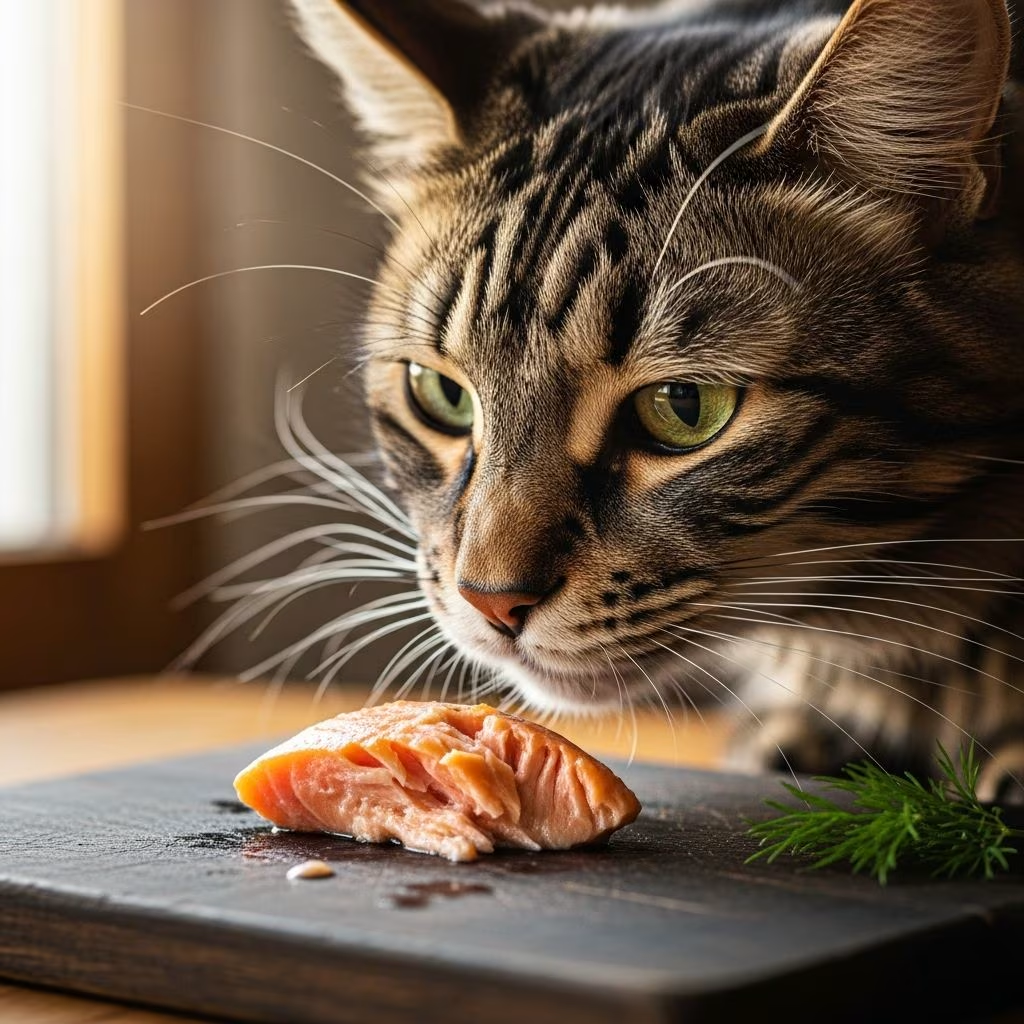
Salmon is a nutrient-packed fish that many cat owners wonder about as a treat for their feline friends. Cats are obligate carnivores, thriving on high-protein diets, and salmon offers high-quality protein along with essential omega-3 fatty acids. However, not all forms of salmon are safe, and moderation is key to prevent nutritional imbalances or health risks.
This article explores the benefits, risks, preparation methods, and feeding guidelines for salmon in your cat’s diet, drawing from veterinary insights to help you make informed choices.
Quick Answer: Can Cats Eat Salmon?
Yes, cats can eat cooked, plain salmon in small amounts as an occasional treat. It provides valuable nutrients like protein, omega-3s (EPA and DHA), B vitamins, selenium, and potassium, supporting overall health. Avoid raw, canned, smoked, or seasoned salmon due to risks of bacteria, parasites, high sodium, and thiaminase enzyme that depletes thiamine (vitamin B1).
A Little Bit About Cats and Salmon
Cats in the wild hunt small prey, not large fish like salmon, so fish isn’t a natural staple in their diet. Domestic cats, however, often love the taste and smell of salmon, making it an appealing treat. While commercial cat foods may include salmon, fresh salmon should supplement—not replace—a balanced, complete diet formulated to meet AAFCO standards.
Salmon’s appeal lies in its palatability and nutrition profile. A 100g serving of cooked salmon delivers about 20g protein, 13g fat (including 2-5g omega-3s), vitamin D (13.7mcg), B12, niacin, B6, potassium, and selenium—nutrients cats can’t always synthesize themselves.
5 Health Benefits of Salmon for Cats
Salmon offers targeted health advantages when fed appropriately. Here are the top benefits backed by veterinary sources:
- Joint Health: Omega-3 fatty acids reduce inflammation, easing arthritis and maintaining mobility in senior cats.
- Healthy Skin and Coat: Omega-3s and -6s combat dry skin, rashes, allergies, and promote a shiny coat.
- Cognitive Support: DHA and B12 prevent cognitive decline, support brain function, nervous system, and gut health.
- Heart Health: Omega-3s lower triglycerides, improve cardiovascular function, and reduce chronic disease risk.
- Immune and Overall Wellness: Vitamins, minerals, and proteins boost immunity, metabolism, vision, and muscle maintenance.
Salmon Nutrition Facts for Cats
Per 100g cooked salmon (approximate values, USDA-based via sources):
| Nutrient | Amount | Benefit for Cats |
|---|---|---|
| Protein | 20g | Muscle repair, energy |
| Omega-3 Fatty Acids | 2-5g (EPA/DHA) | Anti-inflammatory, heart/joint health |
| Vitamin B12 | 3-5mcg | Cognitive, immune support |
| Vitamin D | 13.7mcg | Bone health |
| Selenium | 36mcg | Antioxidant protection |
| Potassium | 384mg | Heart/muscle function |
These nutrients address common feline deficiencies, but salmon lacks taurine, arachidonic acid, and other essentials found in cat-specific foods.
Risks: Dangers of Feeding Your Cat Salmon
- Raw Salmon: Carries bacteria (Salmonella, E. coli, Listeria), parasites, and thiaminase, risking thiamine deficiency, vomiting, diarrhea, or neurological issues. Cats are resistant to some salmon parasites but not all risks.
- Overfeeding: High fat can cause obesity, diarrhea, or refusal of balanced food; limits to 10% of calories (e.g., 1/20th of a 700-calorie fillet for a 10lb cat).
- Nutritional Imbalance: Fish-heavy diets may lack complete nutrition, leading to deficiencies.
- Allergies: Rare, but watch for itching, GI upset.
How to Safely Prepare Salmon for Cats
- Select Fresh: Choose wild-caught or farmed salmon low in contaminants; avoid previously frozen if possible.
- Cook Thoroughly: Bake, boil, or poach at 145°F (63°C) internal temp—no frying, seasoning, oil, garlic, onions, or salt.
- Debone: Remove all bones to prevent choking or injury.
- Portion Control: Start with a teaspoon-sized piece; mix with regular food.
- Store Properly: Refrigerate leftovers up to 2 days; freeze portions.
How Much Salmon Can Cats Eat?
Treats should not exceed 10% of daily calories (270-290 for average 10lb cat, so ~30 calories or 1-2 tsp salmon). Weekly: 1-2 small servings. Puppies/kittens/seniors: Consult vet for tailored amounts. Monitor weight and stool; adjust if issues arise.
Can Kittens Eat Salmon?
Kittens can have tiny amounts of cooked salmon after weaning (8+ weeks), aiding growth via protein/omegas. Limit to avoid digestive upset; prioritize kitten formula.
Conclusion
Salmon is a fantastic occasional treat for most cats, delivering omega-3s and proteins for joint, skin, heart, and brain health. Always cook it plain, serve sparingly, and pair with a complete diet. Consult your vet for cats with health conditions, allergies, or obesity risks. With precautions, salmon can enhance your cat’s vitality safely.
Frequently Asked Questions
Can cats eat raw salmon?
No. Raw salmon risks bacteria, parasites, and thiaminase-induced B1 deficiency. Always cook it.
Can cats eat canned salmon?
No. High sodium causes poisoning (vomiting, seizures); may have unsafe additives.
Can cats eat salmon skin?
Yes, cooked skin is safe and omega-3 rich—in moderation.
Can cats eat smoked salmon?
No. Excessive salt and spices pose toxicity risks.
Is salmon good for cats with allergies?
Omega-3s may help skin allergies, but test small amounts and vet-check first.
References
- Can Cats Eat Salmon? – Wag! — WagWalking. 2023. https://wagwalking.com/wellness/can-cats-eat-salmon
- Can Cats Eat Salmon? Is Salmon Good for Cats? – PetMD — PetMD. 2023. https://www.petmd.com/cat/nutrition/can-cats-eat-salmon
- Salmon for Cats: Benefits & Nutrition — Love Nala. 2023. https://www.lovenala.com/blogs/nutrition-for-cats/salmon-for-cats-a-nutritious-delicious-choice
- How Salmon Protein Affects Cats’ Health — Addiction Pet Foods. 2023. https://addictionpet.com/blog/salmon-protein-affects-cats-health/
- Can Cats Eat Salmon? — AK Salmon Co. 2023. https://aksalmonco.com/blogs/learn/can-cats-eat-salmon



