

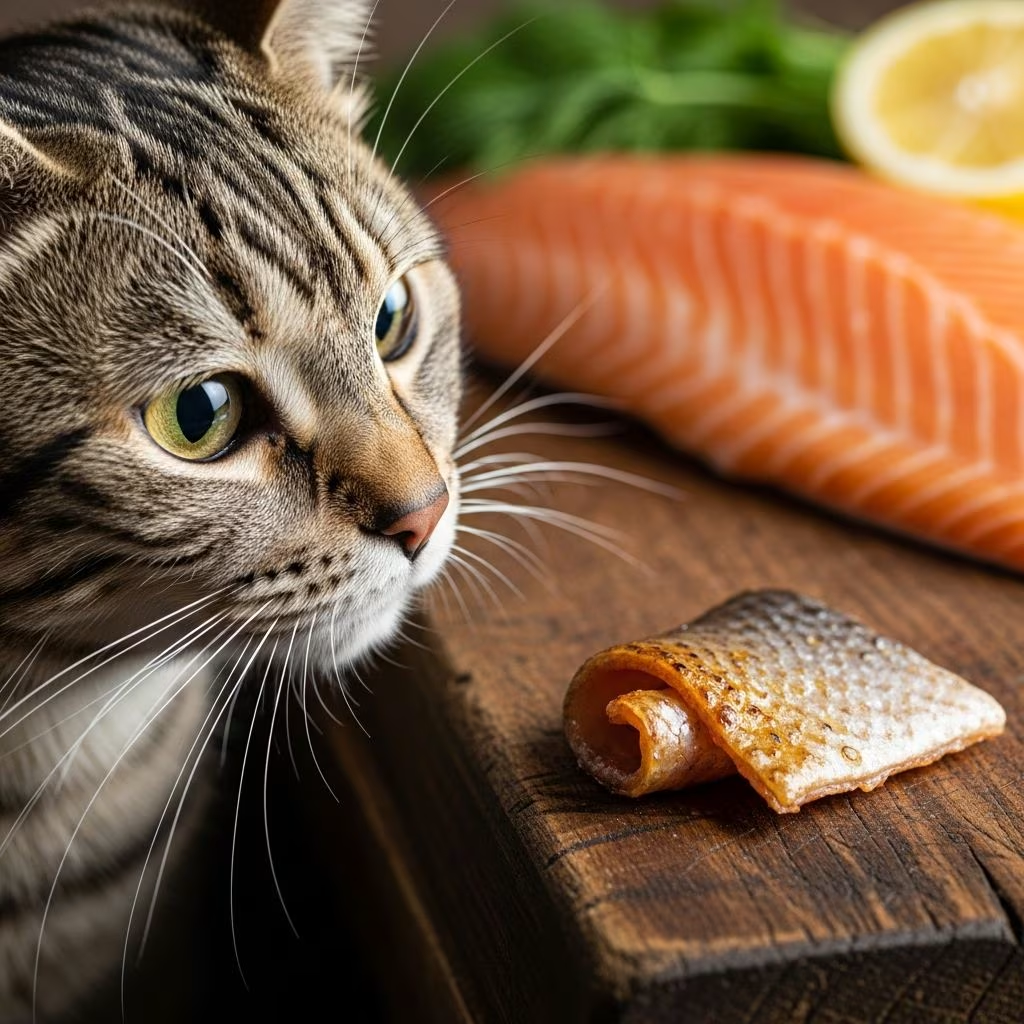
Salmon skin can be a nutritious treat for cats when prepared correctly, offering omega-3 fatty acids that support skin, coat, joint, and heart health. However, it must be cooked plainly, boneless, and fed in moderation to avoid risks like choking, digestive issues, or thiaminase from raw fish.
The Short Answer
Yes, cats can eat **salmon skin** safely as an occasional treat if it’s fully cooked, skinless from bones, unseasoned, and limited to small portions. Raw or seasoned salmon skin poses serious health risks including bacterial infections and nutrient deficiencies.
Key Nutritional Benefits of Salmon Skin for Cats
Salmon skin is rich in **omega-3 fatty acids** (EPA and DHA), protein, and vitamins that provide targeted health benefits for felines:
- Healthy Skin and Shiny Coat: Omega-3s reduce inflammation and nourish skin from within, promoting a glossy coat. Studies show fish oils improve feline dermatitis symptoms.
- Joint and Bone Support: Anti-inflammatory properties aid mobility in active or senior cats prone to jumping-related wear.
- Brain, Eye, and Heart Health: DHA supports cognitive function, vision, and cardiovascular wellness.
- Vitamin B12 Boost: Essential for immunity, nerves, and gut health since cats can’t produce it.
- High-Quality Protein: Supports muscle maintenance without carb overload.
These nutrients make salmon skin superior to many treats, but it shouldn’t exceed 10-15% of diet to maintain nutritional balance.
Potential Risks and Dangers of Salmon Skin for Cats
While beneficial, improper preparation turns salmon skin hazardous:
- Bones and Choking Hazard: Even small bones can splinter and cause internal injuries or blockages. Always remove thoroughly.
- Raw Fish Thiaminase: Enzyme destroys thiamine (vitamin B1), leading to deficiency, neurological issues, or death if fed regularly.
- Bacterial Contamination: Raw or undercooked skin risks salmonella or parasites.
- High Fat Content: Excess can cause pancreatitis or obesity in sedentary cats.
- Salt and Seasonings: Smoked, canned in brine, or human-seasoned skin contains toxic sodium levels (600-1200mg/100g), garlic, or oils upsetting digestion.
| Risk Factor | Safe Preparation | Dangerous Form |
|---|---|---|
| Bones | Fully deboned | Any bones present |
| Thiaminase | Cooked thoroughly | Raw salmon |
| Sodium | Plain, no salt | Smoked/canned in brine |
| Fat Overload | Small portions | Large/frequent feeds |
How to Safely Prepare Salmon Skin for Your Cat
Follow these vet-recommended steps for safe feeding:
- Select Fresh Salmon: Choose wild-caught or farmed Atlantic salmon without prior freezing if possible.
- Remove Skin Carefully: Peel skin from fillet, discarding any attached bones or scales.
- Cook Plainly: Bake, grill, boil, or steam at 350°F until flaky (internal temp 145°F). No oils, salt, garlic, onions, or herbs.
- Cool and Cut: Let cool completely, then chop into tiny, bite-sized pieces to prevent gulping.
- Portion Control: Start with 1-2 tsp per 10lbs body weight, 1-2x weekly. Monitor for allergies (itching, vomiting).
Avoid: farm-raised with antibiotics, previously frozen (higher parasite risk), or table scraps.
How Much Salmon Skin Can Cats Eat?
Moderation is key—salmon skin is a treat, not staple:
- Adult Cats: 5-10g (1 tsp) per kg body weight, max 1-2x/week.
- Kittens/Seniors: Half portions due to sensitive digestion.
- Total Treat Limit: <10% daily calories to avoid imbalance.
Overfeeding risks nutritional gaps (e.g., taurine deficiency) and pickiness.
Best Alternatives to Salmon Skin for Cats
If salmon skin isn’t ideal, try these omega-rich options:
- Commercial Fish Oil Supplements: Vet-formulated with DHA/EPA, no bones/prep needed.
- Grain-Free Salmon Cat Foods: e.g., Smalls Fresh Fish, AvoDerm Canned (high moisture for skin health).
- Other Safe Fish: Cooked sardines/mackerel skins (boneless, plain).
- Chicken/Turkey Skin: Plain cooked, leaner protein alternative.
FAQs
Can cats eat raw salmon skin?
No, raw salmon skin contains thiaminase destroying thiamine and risks bacteria/parasites. Always cook fully.
Is canned salmon skin safe for cats?
Only if packed in water, low-sodium, boneless. Rinse well; limit due to preservatives. Better fresh-cooked.
What about smoked salmon skin?
No—excessive salt (600-1200mg/100g) causes thirst, vomiting, seizures. Toxic for cats.
Does salmon skin help with cat allergies?
Omega-3s may reduce skin inflammation/allergies, but test small amounts. Consult vet for allergies.
Can kittens eat salmon skin?
In tiny amounts after 8 weeks, well-cooked. Prioritize kitten formula for growth.
What if my cat ate seasoned salmon skin?
Monitor for vomiting/diarrhea. Contact vet if symptoms persist; induce vomiting only on advice.
Conclusion
Salmon skin offers fantastic **omega-3 benefits** for your cat’s skin, coat, joints, and more when fed cooked, plain, and sparingly. Prioritize safety by deboning, avoiding seasonings, and consulting your vet—especially for health conditions. Balanced commercial diets remain essential, with treats like this enhancing—not replacing—nutrition for a happier, healthier feline.
References
- 8 Best Cat Foods for Healthy Skin & Coats in 2026 — Catster. 2026. https://www.catster.com/nutrition/best-cat-food-for-healthy-skin-coat/
- Can Cats Eat Salmon? Vet-Verified Facts & FAQ — Catster. 2026. https://www.catster.com/nutrition/can-cats-eat-salmon/
- What Can Cats Eat Besides Cat Food? Vet-Verified Nutrition Guide — Catster. 2026. https://www.catster.com/nutrition/what-can-cats-eat-besides-cat-food/
- Can Cats Eat Canned Salmon? Vet-Reviewed Facts & FAQ — Catster. 2026. https://www.catster.com/nutrition/can-cats-eat-canned-salmon/
- Good Diet=Healthy Skin and Coat — Cat Writers’ Association. 2021-09. https://catwriters.com/wp-content/uploads/wpforms/8426-cec48ec9cd173cc105e0ef1a20fba1ea/D.CatsterColArdenSkinCoatSept21-d7706a78a8ecad7ecee8c667e24c5407.pdf



