

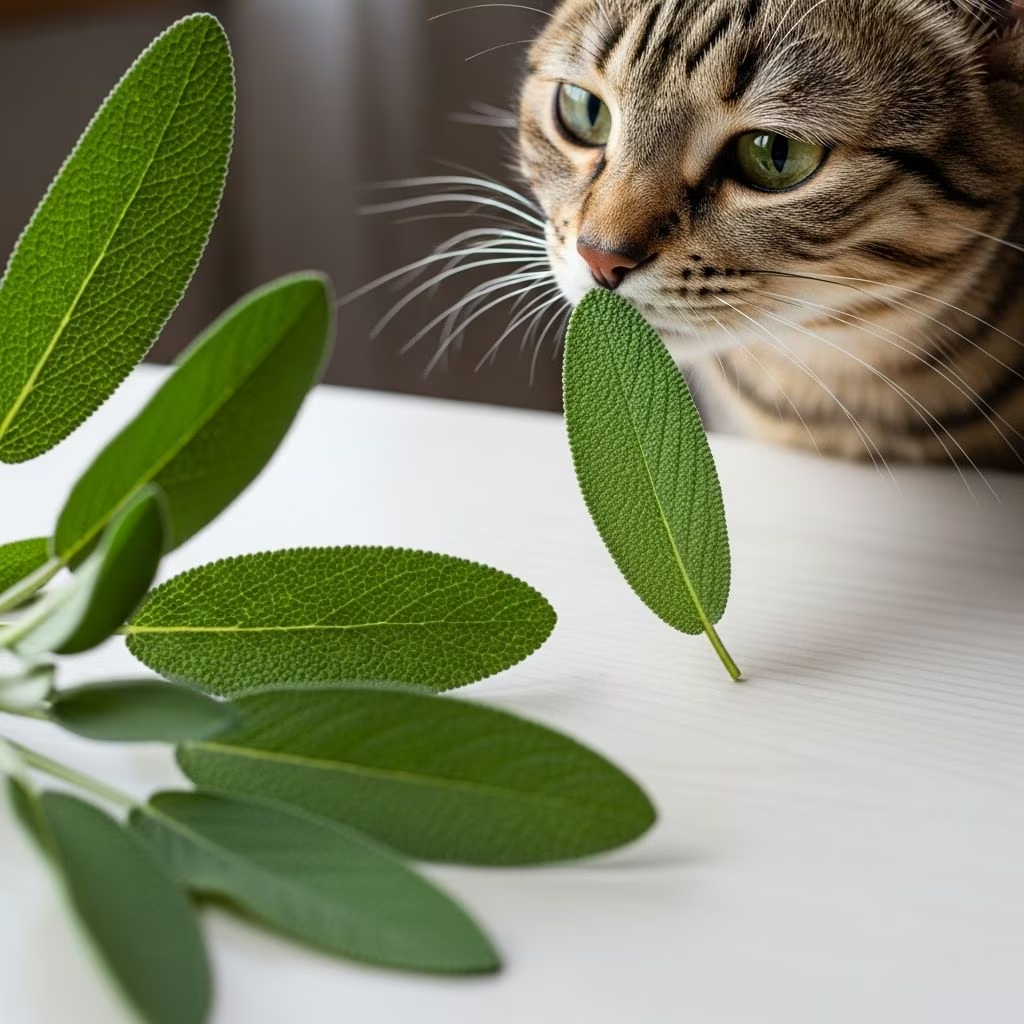
Can Cats Eat Sage? Vet-Reviewed Nutritional Facts & FAQ
Sage is a wonderful herb to have in the house, and thankfully, sage is safe for cats when offered in moderation. This common culinary herb, scientifically known as Salvia officinalis, belongs to the mint family (Lamiaceae) and is listed by the ASPCA as non-toxic to cats. However, like many human foods and herbs, there are important guidelines and precautions you should understand before sharing sage with your feline companion.
While cats don’t have the same nutritional needs as humans and don’t necessarily benefit from herbs the way we do, sage can be offered occasionally as a safe addition to their diet. Understanding the proper preparation, safe amounts, and potential risks will help you make informed decisions about your cat’s diet and keep your pet healthy and happy.
Is Sage Safe for Cats?
The straightforward answer is yes, cats can eat sage safely in small amounts. Sage is not toxic to cats and does not appear on lists of dangerous plants or herbs for felines. However, moderation is the key word here. Cats can safely consume sage, but it should only be offered occasionally and in very small quantities rather than as a regular dietary staple.
The ASPCA specifically lists common sage and garden sage as non-toxic to cats, which provides reassurance for pet owners who want to include this herb in their homes. That said, the safety of sage is largely dependent on how it’s prepared, in what form it’s offered, and the quantity your cat consumes.
Potential Benefits of Sage for Cats
Though cats don’t typically require herbs for their nutritional needs, sage does contain certain compounds that may offer minor health benefits when consumed in moderation. Here are some potential advantages of sage for felines:
- Rich in antioxidants – Sage contains compounds that may help neutralize harmful free radicals in the body, potentially supporting cellular health
- Digestive support – Sage has mild anti-inflammatory properties that could soothe minor digestive discomfort and support gastrointestinal health
- Antimicrobial effects – The herb’s natural oils may have antimicrobial properties that could potentially support oral health
- Flavor variety – For cats that enjoy sampling different foods, sage can add variety to their diet without posing significant health risks in small amounts
It’s important to note that while these potential benefits exist, they are generally more significant for humans than for cats. Research specifically addressing how sage compounds affect feline health is limited, and these benefits should not be the primary reason for offering sage to your cat.
Understanding the Risks and Toxicity Concerns
While sage is not inherently toxic to cats in small quantities, there are several important risks and concerns you should be aware of before offering this herb to your feline friend.
Potential Risks of Feeding Sage to Cats
The primary concern with sage is that overconsumption or improper preparation can lead to various health issues:
- Digestive upset – Overconsumption of sage may cause vomiting, diarrhea, or an upset stomach in cats
- Essential oil toxicity – Sage essential oil is highly concentrated and can be toxic to cats if ingested or absorbed through the skin
- Allergic reactions – Some cats may have sensitivities to sage, leading to symptoms like sneezing, itching, or skin irritation
- Respiratory issues – Burning sage or white sage incense can potentially trigger respiratory issues in cats
The Thujone Factor
One of the primary toxicity concerns with sage relates to a compound called thujone, which is found in the herb. Research has shown that thujone can be toxic to the brain at high doses in laboratory animals. Sage also contains other essential oils including camphor and cineole, which can be toxic to cats in high concentrations.
The challenge is that cats lack certain liver enzymes necessary to break down some of the compounds in sage oil effectively. This means that while small amounts of fresh or dried sage are generally safe, concentrated forms like essential oils pose a much greater risk. In more severe cases of overconsumption, sage could theoretically affect the central nervous system because of the thujone content, though this has primarily been tested on laboratory animals rather than pet cats.
Safe Ways to Offer Sage to Your Cat
If you’d like to share sage with your cat, safety should be your top priority. Here are some essential guidelines to ensure the herb is safe for your feline friend:
- Use fresh or dried sage – Stick to plain, unseasoned sage without added salt, spices, oils, or any other seasonings
- Offer tiny amounts – A tiny pinch of sage is usually sufficient. Avoid giving your cat large quantities at any time
- Monitor for reactions – Watch carefully for signs of digestive upset or allergies after your cat eats sage for the first time
- Avoid sage essential oils completely – Never use sage essential oil around your cats, as these are highly concentrated and can be toxic
- Keep sage plants out of reach – While sage is non-toxic, it’s still wise to keep potted sage plants in areas where your cat cannot easily access or chew on them
- Never burn sage around cats – Avoid using white sage or other sage products for smudging or burning incense in your home when cats are present
Signs Your Cat May Have Eaten Too Much Sage
While small amounts of sage are unlikely to harm your cat, overconsumption or exposure to unsafe forms like essential oils can lead to noticeable symptoms. Be aware of these warning signs:
- Vomiting or diarrhea
- Lethargy or unusual weakness
- Drooling or foaming at the mouth
- Tremors or seizures (in severe cases)
- Loss of appetite
- Unusual behavior or disorientation
If you notice any of these symptoms, contact your veterinarian immediately. Be prepared to provide details about how much sage your cat consumed, in what form it was offered, and when the exposure occurred. This information will help your vet determine the best course of treatment and care for your pet.
Sage Essential Oil: A Serious Concern
Perhaps the most important thing to understand is that while fresh or dried sage is generally safe for cats in small amounts, sage essential oil is NOT safe for cats. Essential oils are highly concentrated forms of the plant, containing much higher levels of active compounds that can be toxic to felines.
Sage essential oil contains substances such as thujone and camphor, which are toxic to cats. Your cat lacks the liver enzymes necessary to break down some of the compounds in sage oil, leading to toxicity. This means that even small exposures to sage essential oil—whether ingested, inhaled, or absorbed through the skin—can potentially cause serious health issues.
If you use essential oils in your home, make sure they are stored securely in cabinets where your cat cannot access them. Avoid using diffusers with sage essential oil in areas where your cat spends time, and never apply essential oils directly to your cat’s skin or fur.
Comparing Safe and Unsafe Forms of Sage
| Form of Sage | Safety for Cats | Notes |
|---|---|---|
| Fresh sage leaves | Generally safe in small amounts | Plain, unseasoned leaves are the safest option; monitor for any reactions |
| Dried sage | Generally safe in small amounts | Ensure no added seasonings, salt, or oils are present |
| Sage essential oil | NOT safe | Highly concentrated and toxic; avoid completely |
| Sage in seasoned dishes | Not recommended | May contain other ingredients harmful to cats like garlic, onion, or excessive salt |
| Burning sage or white sage incense | Not recommended | Can trigger respiratory issues and irritation |
Consulting Your Veterinarian
Before introducing any new herb or food to your cat’s diet, it’s always best to consult with your veterinarian. Your cat’s vet is the professional who knows your cat’s complete health status, medical history, and individual nutritional needs. All cats have slightly different requirements, and your vet can make personalized recommendations based on your specific feline’s situation.
This is especially important if your cat has any existing health conditions, is taking medications, or has a history of digestive sensitivities. Your vet can advise you on whether offering sage is appropriate for your particular cat and can help you understand safe quantities and proper preparation methods.
Frequently Asked Questions About Cats and Sage
Q: Can cats eat raw sage leaves?
A: Yes, raw sage leaves are generally safe for cats in small amounts, but they should be plain and completely unseasoned. Remove any stems or large pieces that could be choking hazards, and always supervise your cat when offering new foods.
Q: Is sage essential oil safe for cats?
A: No, sage essential oil is highly concentrated and toxic to cats. Avoid using it around your pets entirely, and store essential oils securely away from feline access.
Q: What should I do if my cat eats too much sage?
A: Monitor your cat closely for symptoms like vomiting, diarrhea, or lethargy, and contact your vet immediately if you’re concerned. Provide your vet with information about the amount consumed and the form it was in.
Q: Can sage benefit my cat’s health?
A: While sage has some antioxidant and antimicrobial properties, its health benefits for cats are minimal. It should only be given occasionally and in moderation, and should never be considered a substitute for proper veterinary care and a balanced diet.
Q: Is it safe to burn white sage around my cat?
A: No, burning sage incense or white sage for smudging is not recommended around cats. The smoke and fumes can trigger respiratory issues and other complications in sensitive felines.
Q: What are some safe alternatives to sage for my cat?
A: Safe alternatives include cat grass, catnip (which also belongs to the mint family), and commercial cat treats specifically formulated for feline nutrition. Always consult your vet before introducing new items to your cat’s diet.
Q: Can sage be toxic at certain doses?
A: Yes, sage can be toxic to cats at high doses due to compounds like thujone, which has been shown to affect the brain at high concentrations in laboratory studies. This is why moderation and small amounts are essential.
References
- Can Cats Eat Sage? Benefits and Potential Risks — Dial A Vet. https://www.dialavet.com/blog/can-cats-eat-sage
- Can Cats Eat Sage? Vet-Verified Nutritional Info & Safety Guide — Hepper. https://articles.hepper.com/can-cats-eat-sage/
- Is Sage Safe for Cats? What Every Pet Owner Needs to Know — Pet First Veterinary Clinic. https://petfirst.ae/is-sage-safe-for-cats/
- Is Sage Safe for Cats? — Modern Vet. https://modernvet.com/is-sage-safe-for-cats/
- Can Cats Eat Sage? Vet-Reviewed Nutritional Facts & FAQ — Catster. https://www.catster.com/cat-health-care/can-cats-eat-sage/
- Sage – Toxic and Non-toxic Plants — ASPCA. https://www.aspca.org/pet-care/aspca-poison-control/toxic-and-non-toxic-plants/sage



