

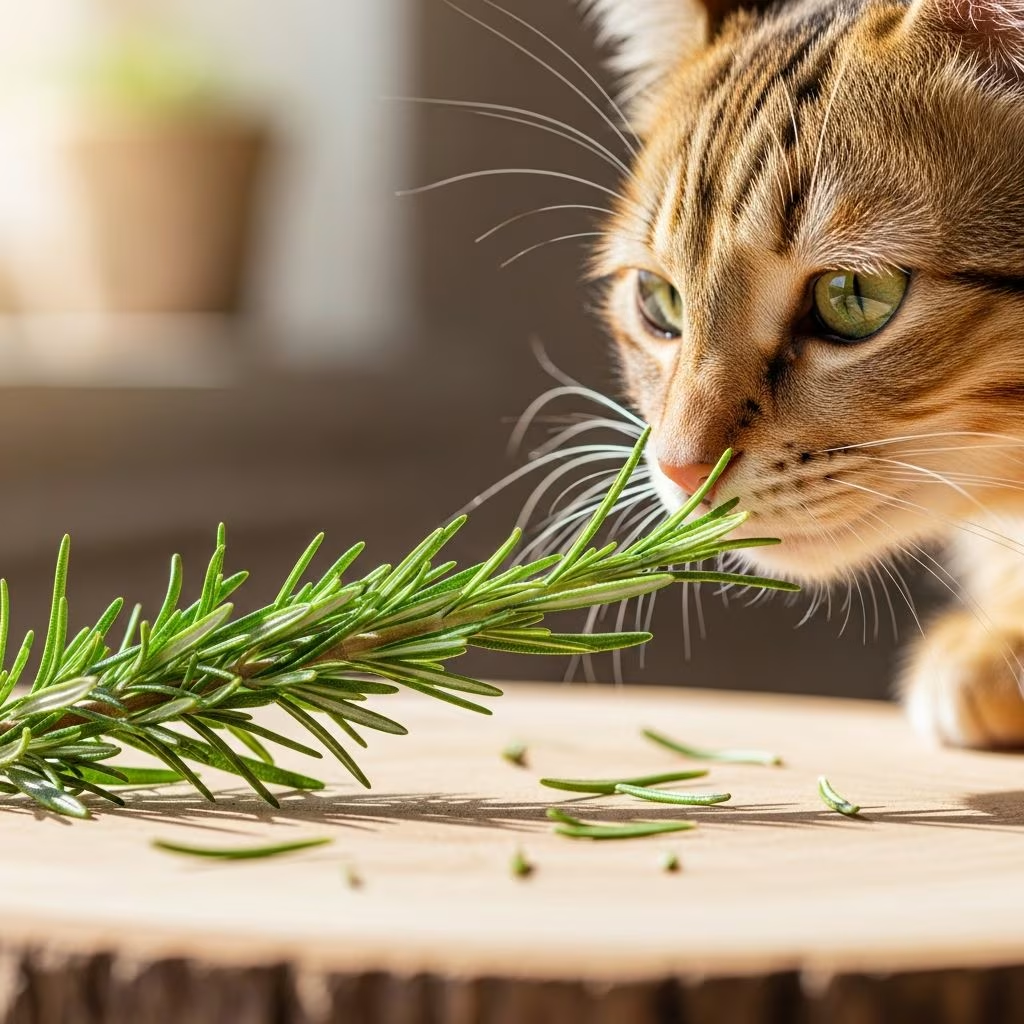
Can Cats Eat Rosemary? A Comprehensive Guide for Pet Owners
As a dedicated cat owner, you want to ensure that everything your feline friend consumes is safe and beneficial for their health. When it comes to herbs like rosemary, many pet parents wonder whether this aromatic plant is appropriate for their cats. The good news is that rosemary is generally safe for cats to consume in small quantities. However, understanding the nuances of feeding rosemary to your pet is essential for maintaining their well-being and preventing any potential health issues.
Is Rosemary Safe for Cats?
Yes, rosemary is safe for cats when given in small amounts. According to the ASPCA and Pet Poison Helpline, rosemary is not listed among toxic plants for felines, making it a non-toxic herb that cats can safely nibble on. Additionally, the FDA classifies rosemary as “Generally Recognized as Safe” (GRAS) for both pets and humans, providing further reassurance for pet owners.
Rosemary is commonly used in commercial cat food as a natural preservative and flavor enhancer, demonstrating its acceptance in feline nutrition. However, the key to safe consumption lies in moderation. While rosemary won’t harm your cat in small quantities, larger amounts could potentially cause digestive upset due to the herb’s volatile oils.
Understanding Feline Dietary Needs
Cats have unique dietary requirements that differ from other pets. Unlike dogs, cats are obligate carnivores, meaning they require specific nutrients found primarily in meat. When introducing herbs like rosemary, it’s important to remember that they should supplement, not replace, a balanced feline diet. Rosemary can be a beneficial addition to your cat’s meals when used appropriately and sparingly.
Nutritional Profile of Rosemary
Understanding what rosemary contains helps explain why it can be a worthwhile addition to your cat’s diet in limited quantities. Here’s a breakdown of the nutritional components found in rosemary:
| Nutrient | Amount per 100g |
|---|---|
| Vitamin A | 146 IU |
| Vitamin C | 21.8 mg |
| Calcium | 317 mg |
| Iron | 6.65 mg |
While these nutrients are present in rosemary, cats would need to consume substantial amounts to gain significant nutritional benefit, which is not recommended. Instead, the primary value of rosemary for cats lies in its specialized compounds.
Health Benefits of Rosemary for Cats
When used appropriately, rosemary can offer several potential health benefits for your feline companion. Understanding these advantages helps explain why veterinarians and animal nutritionists approve of small amounts of this herb in cat diets.
Antioxidant Properties
One of the most significant benefits of rosemary is its abundant antioxidant content. These powerful compounds work by shielding your cat’s cells from damage caused by free radicals, which can contribute to aging and various health conditions. By adding rosemary to your pet’s diet, you may help strengthen their immune system and enhance their overall health. The antioxidants in rosemary support cellular function and can contribute to long-term wellness.
Digestive Health Support
Rosemary has properties that can support pet digestive health. This herb contains compounds that may ease stomach discomfort and reduce gas in felines. For cats experiencing minor digestive problems, rosemary can serve as a mild, natural remedy. However, it’s important to note that this benefit only applies when rosemary is given in very small quantities and should never replace veterinary care for serious digestive issues.
Natural Preservative Benefits
In commercial cat foods, rosemary extract serves as a natural preservative, helping maintain food quality without artificial additives. This demonstrates that when properly formulated at appropriate concentrations, rosemary is recognized as a valuable ingredient in feline nutrition products.
Safe Forms of Rosemary for Cats
Not all forms of rosemary are equally safe for cats. Understanding the differences between various rosemary preparations is crucial for responsible pet ownership.
Fresh Rosemary
Fresh rosemary leaves are safe for cats in moderation. If your cat nibbles on a rosemary plant or encounters small amounts in food, there’s typically no cause for concern. Most cats naturally limit their consumption due to rosemary’s strong aroma and flavor, which many felines find unappealing. This natural preference actually works in your favor as a safety mechanism.
Dried Rosemary
Dried rosemary leaves are also considered safe for cats when used sparingly. A small sprinkle of dried rosemary in your cat’s environment or food is unlikely to cause harm. The drying process doesn’t significantly increase the herb’s toxicity, though concentrated forms should still be avoided.
Rosemary Extract in Commercial Pet Food
Rosemary extract used as a preservative in commercial cat food is safe for consumption. This form is specifically processed for pet food use and contains much lower concentrations than essential oils. Regulatory bodies have approved this application, making it a trusted ingredient in quality cat food products.
Rosemary Essential Oil – Avoid
Rosemary essential oil is highly concentrated and should never be given to cats. Essential oils are too potent and can irritate cats’ sensitive systems, potentially causing respiratory issues, vomiting, or other adverse reactions. Never use rosemary oil directly on your cat or in areas where they groom extensively.
Risks and Precautions When Feeding Rosemary to Cats
While rosemary presents potential health benefits, ensuring cat food safety remains paramount. It’s essential to consider feline dietary concerns when incorporating herbs into their meals.
Digestive Upset
The most common risk associated with rosemary consumption in cats is digestive upset. Large amounts of rosemary can cause vomiting or diarrhea in felines. The strong scent and taste of rosemary could potentially upset a cat’s stomach, leading to these digestive issues. Even though cats typically won’t overconsume rosemary due to its strong flavor, it’s important to monitor portions carefully.
Volatile Oils and Enzymes
Rosemary contains volatile oils such as camphor and linalool. These compounds require specific enzymes to be properly broken down—enzymes that cats naturally lack. This metabolic limitation means that excessive amounts of rosemary can accumulate in their system and cause gastrointestinal distress or more serious health complications.
Allergic Reactions and Sensitivities
Some cats may have allergies or sensitivities to rosemary, leading to skin irritation or respiratory issues. Individual cats respond differently to various herbs and foods. If your cat has a history of food sensitivities or allergies, consult your veterinarian before introducing rosemary to their diet.
Signs of Rosemary Toxicity to Watch For
When using rosemary for pet health, it’s vital to proceed with caution and monitor your cat carefully. Be vigilant for the following signs of potential problems:
- Vomiting or diarrhea
- Decreased appetite or refusal to eat
- Lethargy or unusual tiredness
- Tremors or unusual movements
- Breathing difficulty
- Skin irritation or excessive scratching
If these symptoms appear, discontinue rosemary immediately and seek veterinary advice. Your veterinarian can assess your cat’s condition and provide appropriate treatment if necessary.
How to Safely Introduce Rosemary to Your Cat’s Diet
If you’ve decided to introduce rosemary to your cat’s meals, follow these guidelines to ensure a safe and positive experience.
Start with Small Amounts
Begin by adding just a tiny amount of fresh or dried rosemary to your cat’s regular diet. A small nibble or a light sprinkle is sufficient for an initial introduction. This conservative approach allows you to observe your cat’s response without overwhelming their system.
Monitor for Adverse Reactions
After introducing rosemary, closely observe your cat over the next 24-48 hours for any signs of digestive upset, behavioral changes, or physical symptoms. Most cats tolerate small amounts of rosemary without issues, but individual responses vary.
Gradual Increase
If your cat shows no adverse reactions after the initial introduction, you can gradually incorporate slightly more rosemary into their meals. However, never exceed more than a small amount, as moderation remains the key to safe consumption.
Consistency and Observation
Continue monitoring your cat’s health and digestion if you regularly include rosemary in their diet. Some cats may develop sensitivities over time, so ongoing observation is important. Keep a mental note of any changes in your cat’s eating habits, energy levels, or litter box behavior.
Comparing Safe Forms of Rosemary for Cats
| Rosemary Form | Safety Level | Usage in Pet Food | Toxicity Risk | Recommended Intake |
|---|---|---|---|---|
| Fresh Leaves | Generally Safe | Limited | Non-toxic in small amounts | Tiny nibbles |
| Dried Leaves | Generally Safe | Occasional | Non-toxic in small amounts | Small sprinkles |
| Extract (Commercial) | Safe | Common preservative | None (regulated) | As part of commercial food |
| Essential Oil | Unsafe | Never used | Highly toxic | Avoid entirely |
Keeping Rosemary Plants Safe in Your Home
If you grow rosemary plants at home, taking precautions ensures your cat stays safe while allowing you to enjoy this versatile herb.
- Place rosemary plants in areas your cat cannot easily access, such as elevated shelves or separate rooms
- Consider using hanging planters to keep plants out of reach
- Monitor your cat’s interaction with rosemary plants if they’re in shared spaces
- Ensure your cat doesn’t consume large quantities by redirecting their attention to appropriate toys or treats
- If growing rosemary indoors, consider a dedicated plant area away from your cat’s main living space
Frequently Asked Questions About Cats and Rosemary
Q: Can cats eat fresh rosemary?
A: Yes, cats can eat fresh rosemary in small amounts. However, it’s best to offer just a tiny nibble and monitor for any adverse reactions. Most cats won’t consume large quantities due to the herb’s strong taste and aroma.
Q: Is rosemary essential oil safe for cats?
A: No, rosemary essential oil is too concentrated and can be harmful to cats. Avoid using it directly on your cat or in areas where they groom. Stick to fresh or dried leaves from the potted plant instead.
Q: Can cats have rosemary in homemade treats?
A: Yes, cats can enjoy rosemary in homemade treats, provided it is used sparingly and not in essential oil form. Ensure any homemade cat food includes rosemary only as a minor ingredient.
Q: Do cats like the taste of rosemary?
A: Many cats enjoy nibbling on rosemary, likely due to its aroma and texture. However, preferences vary by individual. Some cats will avoid it entirely due to its strong flavor, which actually serves as a natural safety mechanism.
Q: Can rosemary extract used as a preservative in cat food harm my cat?
A: No, rosemary extract used as a preservative in commercial cat food is safe. It’s specifically formulated at low concentrations and has been approved by regulatory bodies for use in pet food products.
Q: What should I do if my cat accidentally eats large amounts of rosemary?
A: If your cat consumes a large quantity of rosemary and shows signs of digestive upset, vomiting, or unusual behavior, contact your veterinarian immediately. While rosemary isn’t typically toxic in small amounts, excessive consumption could cause discomfort.
Q: How can I safely use rosemary plants at home if I have cats around?
A: Keep rosemary plants in areas your cat can’t easily access, monitor your cat’s interaction with the herb, and ensure they don’t consume large quantities. If growing rosemary indoors, consider placing it in a separate room or elevated location away from your curious feline.
Conclusion: Making Informed Decisions About Your Cat’s Diet
Rosemary can be a safe and potentially beneficial herb for cats when used appropriately and in very small quantities. Its antioxidant properties and digestive support benefits make it an interesting addition to a feline diet, particularly when found in regulated commercial cat foods. However, cat owners should prioritize safety by introducing rosemary gradually, monitoring for adverse reactions, and maintaining appropriate portion sizes.
Remember that while rosemary offers some health benefits, it should never replace a complete and balanced diet formulated specifically for feline nutritional needs. Always consult with your veterinarian before making significant changes to your cat’s diet, especially if your cat has existing health conditions or dietary sensitivities. By following these guidelines, you can confidently include small amounts of rosemary in your cat’s life while ensuring their continued health and happiness.
References
- Can Cats Eat Rosemary? What Happens if They Do? — My Pet Health Store. 2024. https://ie.mypethealthstore.com/blogs/news/can-cats-eat-rosemary-what-happens-if-they-do
- Can Cats Eat Rosemary? Benefits and Safety Tips — Dial A Vet. 2024. https://www.dialavet.com/blog/can-cats-eat-rosemary
- Is Rosemary Safe for Cats? Explore Herb, Extract, & Oil — VetriScience Blog. 2024. https://blog.vetriscience.com/is-rosemary-safe-for-cats
- Is Rosemary Safe for Cats? Complete Guide to Cat Safety — PetsCare. 2024. https://www.petscare.com/news/post/is-rosemary-safe-for-cats
- Is Rosemary Toxic to Cats? Safety, Benefits, and Risks Explained — BasePaws. 2024. https://basepaws.com/cat-insider/is-rosemary-toxic-to-cats
- Rosemary | ASPCA Poison Control — ASPCA. 2024. https://www.aspca.org/pet-care/aspca-poison-control/toxic-and-non-toxic-plants/rosemary



