

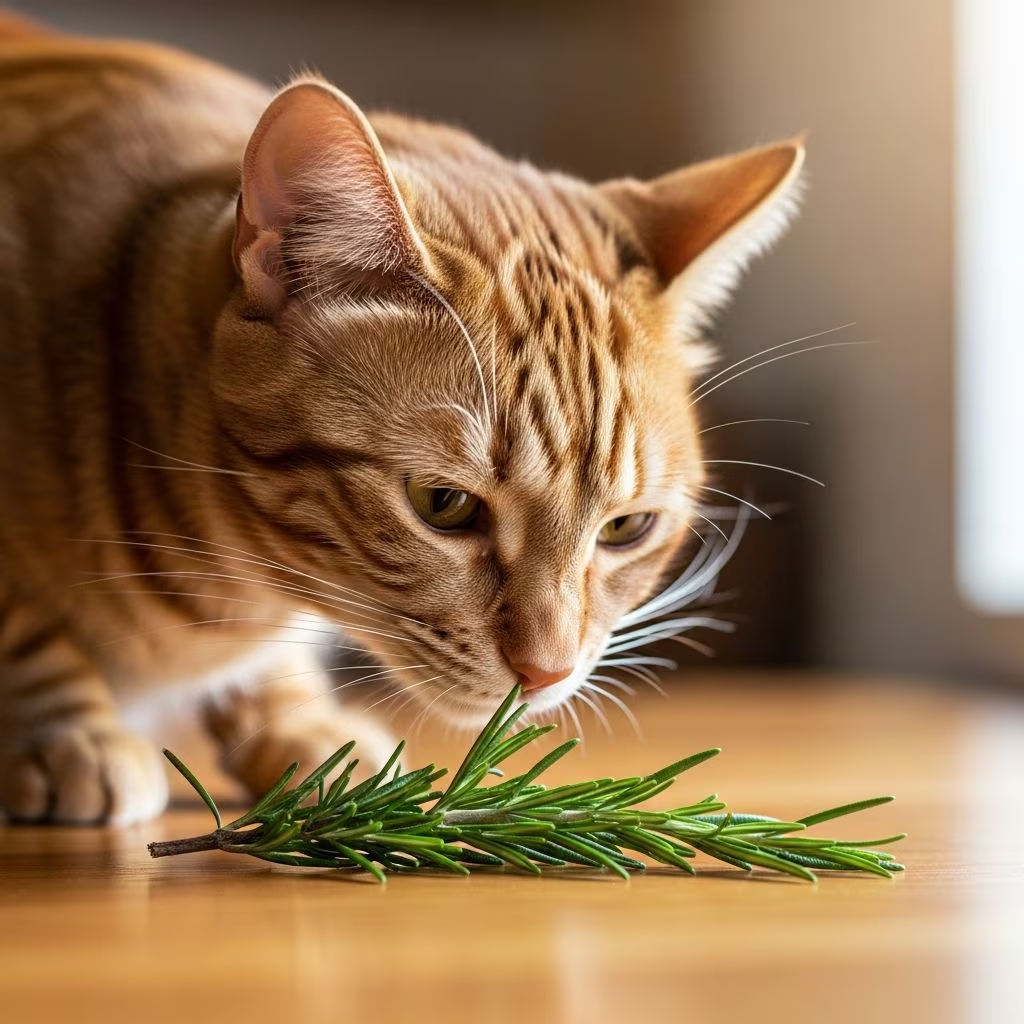
Can Cats Eat Rosemary? Vet-Verified Potential Benefits & Risks
As a cat owner, you naturally want to provide your feline companion with the best nutrition and enrichment possible. This often leads to questions about what human foods and herbs are safe for cats to consume. Rosemary is a popular culinary herb used in many kitchens, and you may have wondered whether it’s safe to share with your cat. The answer is nuanced: while rosemary is generally considered non-toxic to cats, it comes with important caveats and precautions that every cat owner should understand.
Understanding the safety profile of herbs like rosemary is essential for protecting your cat’s health. Unlike some plants that are inherently toxic to felines, rosemary falls into a gray area—it’s not poisonous, but it can still cause problems under certain circumstances. This comprehensive guide explores everything you need to know about cats and rosemary, from nutritional considerations to safety guidelines.
Is Rosemary Safe for Cats?
According to the ASPCA, rosemary is not toxic for cats, which means consuming it won’t be fatal to your feline friend. The FDA also classifies rosemary as “Generally Regarded as Safe” for both pets and humans. This official designation provides reassurance that the herb itself is not inherently dangerous.
However, it’s important to understand that non-toxic doesn’t mean risk-free. Rosemary can upset a cat’s stomach if consumed in sufficient quantities, so it’s best to discourage your cat from eating it even though it won’t kill them. The key principle is moderation—small amounts of fresh or dried rosemary are unlikely to cause harm, but larger quantities present genuine concerns.
Understanding Rosemary’s Composition and Effects on Cats
Rosemary contains volatile oils, including camphor and linalool, that give the herb its distinctive aroma and flavor. These compounds are what make rosemary beneficial for humans but problematic for cats. The issue lies in feline metabolism: cats lack specific enzymes needed to break down these volatile oils efficiently.
Additionally, cats are obligate carnivores, meaning they eat mostly meat and cannot readily digest vegetation like rosemary. Their digestive systems are fundamentally designed to process animal proteins, not plant matter. This biological fact underscores why rosemary and similar herbs should never constitute a regular part of your cat’s diet.
Risks and Precautions: What Every Cat Owner Should Know
Even though rosemary is safe for cats in small amounts, several risks warrant careful attention:
- Digestive upset – Eating too much rosemary can cause vomiting or diarrhea. The volatile oils irritate the sensitive feline digestive system.
- Essential oils – Concentrated rosemary essential oil is highly potent and should never be ingested by cats. Essential oils pose significantly greater risks than fresh or dried herbs.
- Allergic reactions – Some cats may have sensitivities to rosemary, leading to skin irritation or respiratory issues.
- Overuse in pest control – Rosemary-based sprays or solutions should be diluted and used sparingly around cats.
- Central nervous system effects – In extreme cases, concentrated rosemary oils can affect heart rate and cause seizures.
- Liver concerns – Ingested oils may potentially lead to liver damage or failure in sensitive cats.
The most common concern is digestive upset, which typically resolves on its own. However, understanding these risks helps you make informed decisions about your cat’s environment and diet.
Signs Your Cat May Be Sensitive to Rosemary
Even though rosemary is considered safe, every cat is unique with individual sensitivities. Watch carefully for these warning signs of adverse reactions:
- Vomiting or diarrhea after ingestion
- Excessive drooling or pawing at the mouth
- Skin redness or irritation after contact
- Coughing, sneezing, or difficulty breathing
- Lethargy or unusual fatigue
- Loss of appetite or reluctance to eat
- Tremors or uncoordinated movements (with essential oil exposure)
If you notice any of these symptoms, remove access to rosemary immediately and consult your veterinarian. Don’t wait to see if symptoms resolve on their own, especially if they involve respiratory distress or neurological signs.
Fresh vs. Dried Rosemary: Key Differences
Both fresh and dried rosemary are safe for cats in small amounts, but they carry different considerations:
| Form | Safety Profile | Recommended Amount | Primary Concerns |
|---|---|---|---|
| Fresh Rosemary | Generally safe in small amounts | Tiny nibble only | Digestive upset if consumed in larger quantities |
| Dried Rosemary | Safe in very small amounts | Small pinch only | Concentrated volatile oils; easier to overconsume |
| Rosemary Essential Oil | NOT SAFE for cats | Never give to cats | Severe toxicity risks including seizures and liver damage |
| Rosemary Extracts | NOT SAFE for cats | Never give to cats | Concentrated compounds toxic to feline metabolism |
Dried rosemary is more concentrated than fresh, meaning a small pinch contains more volatile oils than a fresh leaf. This makes it easier for your cat to accidentally consume too much, particularly if they’re attracted to the dried herb.
What Happens If Your Cat Eats Too Much Rosemary?
If your cat has consumed more rosemary than recommended, monitor them carefully for gastrointestinal upset. Symptoms may include vomiting, diarrhea, lack of appetite, or general lethargy. In most cases, these symptoms resolve on their own within a few hours to a day.
However, if symptoms persist for more than 24 hours or your cat seems lethargic or weak, contact your veterinarian immediately. These could be signs of a more serious reaction requiring professional intervention.
If your cat has ingested rosemary essential oil, the situation is more serious and requires immediate veterinary attention. Even small amounts of concentrated rosemary oil can trigger tremors, drooling, seizures, and respiratory distress. Don’t delay—seek professional care as soon as possible if essential oil exposure occurs.
Rosemary Essential Oil: A Serious Concern
While fresh and dried rosemary herbs are generally safe in moderation, rosemary essential oil is categorically unsafe for cats. This is a critical distinction that many cat owners don’t fully appreciate.
Essential oils are highly concentrated extracts of plant compounds. A single drop of rosemary essential oil contains far more volatile oils than you’d find in an entire sprig of fresh rosemary. Cats have unique liver metabolism that makes them unable to process these concentrated compounds effectively.
Never apply rosemary essential oil directly to your cat or use it in their environment. Because cats constantly groom themselves by licking their fur, any topical application will inevitably be ingested. Additionally, avoid using essential oil diffusers near cats, as inhalation can also cause adverse effects. At best, rosemary oil can cause skin irritation; at worst, it can trigger seizures or cardiac issues.
Rosemary as a Natural Preservative in Cat Food
Some cat food manufacturers add rosemary or rosemary extract to their products as a natural preservative. This practice is generally considered safe because the amounts used are minimal and designed for feline consumption. If your cat’s regular food contains rosemary extract, there’s typically no cause for concern, as the formulation has been evaluated for safety.
However, this doesn’t mean you should intentionally add rosemary to your cat’s diet beyond what’s already in commercial foods. The difference between a food-grade addition and intentional supplementation is significant.
Why Some Cats Are Attracted to Rosemary
You may notice your cat showing interest in rosemary plants or dried rosemary in your kitchen. Some cats react to rosemary similarly to how they react to catnip, though the mechanism differs. Others simply investigate out of curiosity, not because the herb appeals to them nutritionally.
If your cat seems drawn to rosemary, it’s important to prevent access rather than indulge the behavior. Just because your cat wants something doesn’t mean it’s beneficial for them—much like human children with candy, feline curiosity doesn’t always align with what’s healthy.
Safe Herbs for Cats: Alternatives to Rosemary
If you want to introduce herbs to enrich your cat’s environment or diet, several options are genuinely safe and beneficial:
- Catnip – Most cats enjoy catnip and it provides safe enrichment
- Cat grass – Specifically grown for cats, helps with digestion
- Valerian root – Safe herb that some cats enjoy
- Silvervine – Similar to catnip, safe alternative for enrichment
- Bonito flakes – Aromatic treat cats naturally enjoy
These alternatives provide enrichment and interest without the digestive concerns associated with rosemary and similar culinary herbs.
Best Practices for Cat Safety Around Rosemary
If you use rosemary in your kitchen or grow it as a houseplant, follow these guidelines to keep your cat safe:
- Store fresh rosemary in sealed containers where cats cannot access it
- Keep dried rosemary in closed cabinets away from curious felines
- Never use rosemary essential oil or diffusers in areas where cats spend time
- Don’t apply rosemary-based products topically to your cat
- Monitor your cat if they show interest in rosemary plants
- Always ask your veterinarian before introducing any new herb to your cat’s environment
- Use rosemary-based pest control sprays only in areas inaccessible to cats, and dilute thoroughly
Frequently Asked Questions
Can cats eat fresh rosemary?
Yes, cats can eat fresh rosemary in small amounts. A tiny nibble is unlikely to cause harm, but it’s best to monitor your cat for any adverse reactions. Avoid giving regular amounts, as cats digest vegetation poorly and the volatile oils can cause digestive upset.
Is rosemary essential oil safe for cats?
No, rosemary essential oil is not safe for cats under any circumstances. It is too concentrated and can cause serious harm including skin irritation, digestive distress, seizures, and cardiac issues. Never apply it to your cat or use it in areas where cats spend time.
What should I do if my cat eats rosemary?
If your cat has eaten a small amount of fresh rosemary, monitor them for vomiting or diarrhea. These symptoms typically resolve on their own. However, if symptoms persist beyond 24 hours or your cat seems lethargic, contact your veterinarian. If essential oil exposure occurs, seek immediate veterinary care.
Is dried rosemary safer than fresh rosemary for cats?
No, dried rosemary is not safer than fresh; in fact, it may be riskier because it’s more concentrated. A pinch of dried rosemary contains more volatile oils than a fresh leaf, making it easier for cats to accidentally consume too much.
Can I use rosemary-based products around my cat?
Rosemary-based pest control sprays and other products should be diluted and used sparingly, if at all, around cats. Never spray them directly on your cat or in areas where your cat spends significant time. Always read product labels and consult your veterinarian before using any rosemary products in your home.
Why do some cats show interest in rosemary?
Some cats react to rosemary similarly to catnip, while others simply investigate due to curiosity. Regardless of the reason for their interest, it’s important to prevent access to prevent accidental overconsumption or exposure to concentrated forms.
Is rosemary extract in cat food safe?
Yes, rosemary extract used as a natural preservative in commercial cat food is generally safe. These formulations contain minimal amounts specifically evaluated for feline safety. This is different from intentionally adding rosemary to your cat’s diet.
Final Thoughts on Rosemary and Cats
In summary, rosemary is non-toxic to cats in small amounts, but it’s not an herb you should intentionally introduce to your cat’s diet. The volatile oils it contains can cause digestive upset, and cats lack the digestive enzymes to process plant matter efficiently. Rosemary essential oil and concentrated extracts pose serious health risks and should be completely avoided.
Your cat’s safety depends on thoughtful management of their environment and diet. By understanding the risks associated with rosemary and other culinary herbs, you can make informed decisions that protect your feline companion’s health. When in doubt, consult your veterinarian before introducing anything new to your cat’s surroundings or diet. They know your individual cat best and can provide personalized guidance based on your pet’s specific health status and needs.
References
- Can Cats Eat Rosemary? Benefits and Safety Tips — Dial A Vet. Accessed January 2026. https://www.dialavet.com/blog/can-cats-eat-rosemary
- Can Cats Eat Rosemary? Is Rosemary Safe for Cats? — Chewy. Accessed January 2026. https://www.chewy.com/education/cat/food-and-nutrition/can-cats-eat-rosemary
- Can Cats Eat Rosemary? Vet-Verified Potential Benefits & Risks — Catster. Accessed January 2026. https://www.catster.com/nutrition/can-cats-eat-rosemary/
- Is Rosemary Safe for Cats? Explore Herb, Extract, & Oil — VetriScience. Accessed January 2026. https://blog.vetriscience.com/is-rosemary-safe-for-cats
- Is Rosemary Toxic to Cats? Safety, Benefits, and Risks Explained — BasePaws. Accessed January 2026. https://basepaws.com/blog/is-rosemary-toxic-to-cats
- Rosemary – Toxic and Non-toxic Plants — ASPCA. Accessed January 2026. https://www.aspca.org/pet-care/aspca-poison-control/toxic-and-non-toxic-plants/rosemary



