

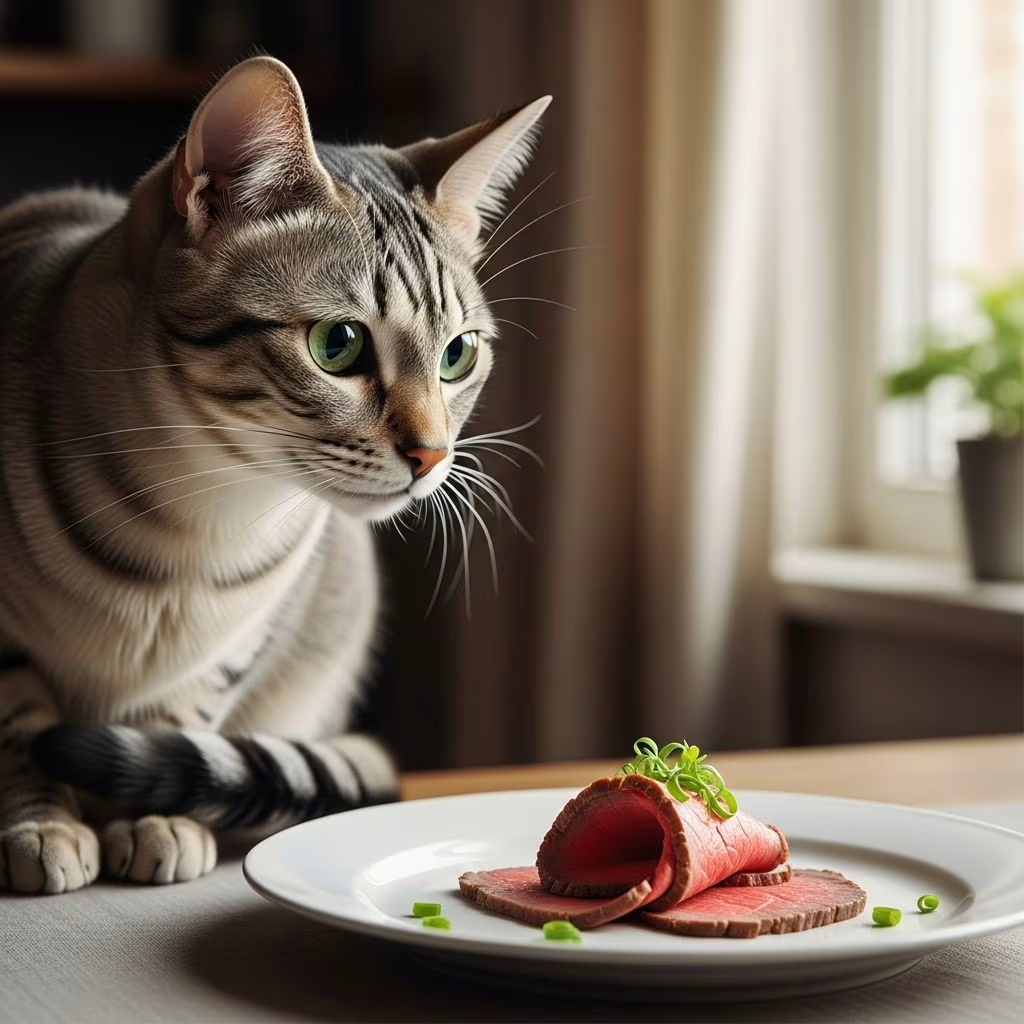
Roast beef can be safe for cats in small amounts if it is plain, cooked, lean, and free from seasonings or additives. As obligate carnivores, cats thrive on animal proteins, and plain roast beef provides high-quality protein along with essential nutrients like taurine and vitamin B12. However, common preparations include toxic ingredients such as garlic, onion, or excessive salt, which can cause serious health issues. Always prioritize a complete, balanced cat food diet and use roast beef only as an occasional treat.
How Is Roast Beef Beneficial for Cats?
Cats require meat-based diets because they are obligate carnivores, meaning their bodies depend on animal proteins for survival. Roast beef, when plain and properly prepared, delivers key nutrients that support feline health, making it a potential treat rather than a staple.
Protein is the cornerstone of a cat’s diet, comprising up to 50% or more of their caloric needs. Beef provides complete proteins with all essential amino acids that cats cannot synthesize on their own. This supports muscle maintenance, energy levels, and overall vitality.
- Taurine: Essential for heart function, vision, and reproduction. Cats lack the enzymes to produce taurine, so they must obtain it from meat sources like beef. Deficiency can lead to dilated cardiomyopathy or blindness.
- Arginine: An amino acid vital for liver function and ammonia detoxification. Without it, cats risk hyperammonemia, causing vomiting, seizures, and lethargy.
- Vitamin A: Supports vision, skin health, and immune function. Cats cannot convert plant-based beta-carotene to vitamin A, relying solely on animal tissues.
- Iron and Vitamin B12: Iron aids red blood cell production to prevent anemia, while B12 supports nerve health and metabolism.
- Lean Protein Benefits: Helps maintain healthy weight and muscle tone without excess calories from fat.
These nutrients make plain roast beef a nutrient-dense treat, adding variety to a cat’s diet. However, commercial cat foods are formulated to provide these in balanced amounts, so treats should not exceed 10% of daily intake to avoid imbalances.
What Are the Issues with Giving Roast Beef to Cats? 3 Main Concerns
While beneficial, roast beef poses risks if not handled correctly. The primary concerns are seasonings, fat content, and potential allergies or digestive issues.
1. Toxic Seasonings and Additives
Most store-bought or restaurant roast beef contains garlic, onion powder, salt, or spices toxic to cats. Garlic and onions damage red blood cells, leading to hemolytic anemia with symptoms like pale gums, weakness, and rapid breathing. Excessive salt causes thirst, dehydration, and kidney strain, especially in cats with heart or renal disease.
2. High Fat Content and Pancreatitis
Fatty cuts can trigger pancreatitis, an inflammation of the pancreas causing vomiting, abdominal pain, and lethargy. Over time, fat contributes to obesity, diabetes, and joint issues. Always trim visible fat before offering.
3. Bones, Allergies, and Bacterial Risks
Bones splinter, risking choking, mouth injuries, or intestinal blockages requiring surgery. Some cats have beef allergies, showing itching, diarrhea, or vomiting. Raw beef carries Salmonella, E. coli, and parasites like Toxoplasma, which the American Veterinary Medical Association warns against.
| Risk Factor | Potential Harm | Prevention |
|---|---|---|
| Seasonings (garlic/onion) | Anemia, digestive upset | Choose plain, unseasoned beef |
| Excess Fat | Pancreatitis, obesity | Trim fat; use lean cuts |
| Bones/Fragments | Choking, blockages | Remove all bones |
| Allergies | Itching, GI issues | Introduce small amounts; monitor |
| Bacteria (raw) | Food poisoning | Cook thoroughly |
Can Kittens, Seniors, or Cats with Health Issues Eat Roast Beef?
Not all cats tolerate roast beef equally. Kittens need precise nutrition for growth, so human foods like roast beef can disrupt balances of calcium, phosphorus, and other nutrients. Avoid giving it to kittens under 6 months.
Senior cats or those with obesity, diabetes, or kidney disease benefit from low-fat, low-sodium diets. Fatty or salted roast beef exacerbates these conditions. Cats with pancreatitis history should avoid it entirely.
Food-sensitive cats may react to beef proteins. Start with tiny amounts and watch for adverse signs.
How Should You Safely Feed Your Cat Roast Beef?
To minimize risks, follow these guidelines for safe feeding.
- Cut into small, bite-sized pieces to prevent choking.
- Offer sparingly: 1-2 teaspoons (a few small pieces) once or twice weekly, no more than 10% of calories.
- Cook thoroughly without seasonings; plain boiled or roasted beef is ideal.
- Trim all fat, skin, and bones.
- Store leftovers properly to avoid bacterial growth.
- Monitor for 24-48 hours post-feeding for vomiting, diarrhea, lethargy, or other issues.
Integrate as a training reward or topper, but never replace commercial cat food, which meets AAFCO standards for complete nutrition.
What About Raw Beef?
Raw beef is unsafe due to pathogens like Salmonella, E. coli, Listeria, Campylobacter, and parasites. The AVMA strongly advises against raw diets for pets, citing risks to both cats and handlers. Cooked meat eliminates these dangers while remaining digestible.
What Should I Do if My Cat Eats My Roast Beef?
If your cat consumes seasoned, fatty, or raw roast beef, watch closely for 24-72 hours. Symptoms of trouble include:
- Vomiting or diarrhea
- Lethargy or weakness
- Pale gums
- Increased thirst/urination
- Abdominal pain (hunched posture)
- Tremors, rapid breathing, or collapse
Contact your vet immediately if symptoms appear, providing details on amount and ingredients eaten. Most cats recover from small amounts, but prompt care prevents complications.
Conclusion
Plain, lean, cooked roast beef can be a nutritious occasional treat for healthy cats, supplying vital proteins, taurine, and vitamins they crave as obligate carnivores. However, seasonings, fat, bones, and overfeeding present significant risks like toxicity, pancreatitis, and nutritional imbalances. Stick to moderation, preparation best practices, and veterinary guidance to keep your cat safe. A balanced commercial diet remains the foundation—treats like roast beef add joy without jeopardy.
Frequently Asked Questions
Can cats eat roast beef with seasoning?
No, avoid seasoned roast beef. Garlic, onion, and salt are toxic, causing anemia, dehydration, or GI upset.
How much roast beef can I feed my cat?
Small amounts only—a few bite-sized pieces 1-2 times weekly, as no more than 10% of their diet.
Is cooked or raw beef better for cats?
Cooked is safer, killing bacteria and parasites present in raw meat.
Can roast beef cause allergies in cats?
Yes, some cats are sensitive to beef, showing itching, vomiting, or diarrhea. Test small amounts first.
What if my cat eats seasoned roast beef?
Monitor for symptoms like vomiting or lethargy; call your vet if any appear.
Is roast beef okay for kittens or senior cats?
Limited for healthy adults only. Avoid for kittens, seniors, or cats with health issues.
References
- Can Cats Eat Roast Beef? Safety & Feeding Tips — Zoorithm. 2023. https://www.zoorithm.com/cats/can-cat-eat-roast-beef
- Can Cats Eat Roast Beef? Vet Reviewed Benefits & Concerns — Catster. 2024. https://www.catster.com/nutrition/can-cats-eat-roast-beef/
- Why Cats Need to Eat Meat — Cat Care Society. 2023. https://www.catcaresociety.org/why-cats-need-to-eat-meat/
- Can Cats Eat Human Food? A Guide to Safety — Purina US. 2025. https://www.purina.com/articles/cat/feeding/can-cats-eat/is-human-food-safe-for-cats



