

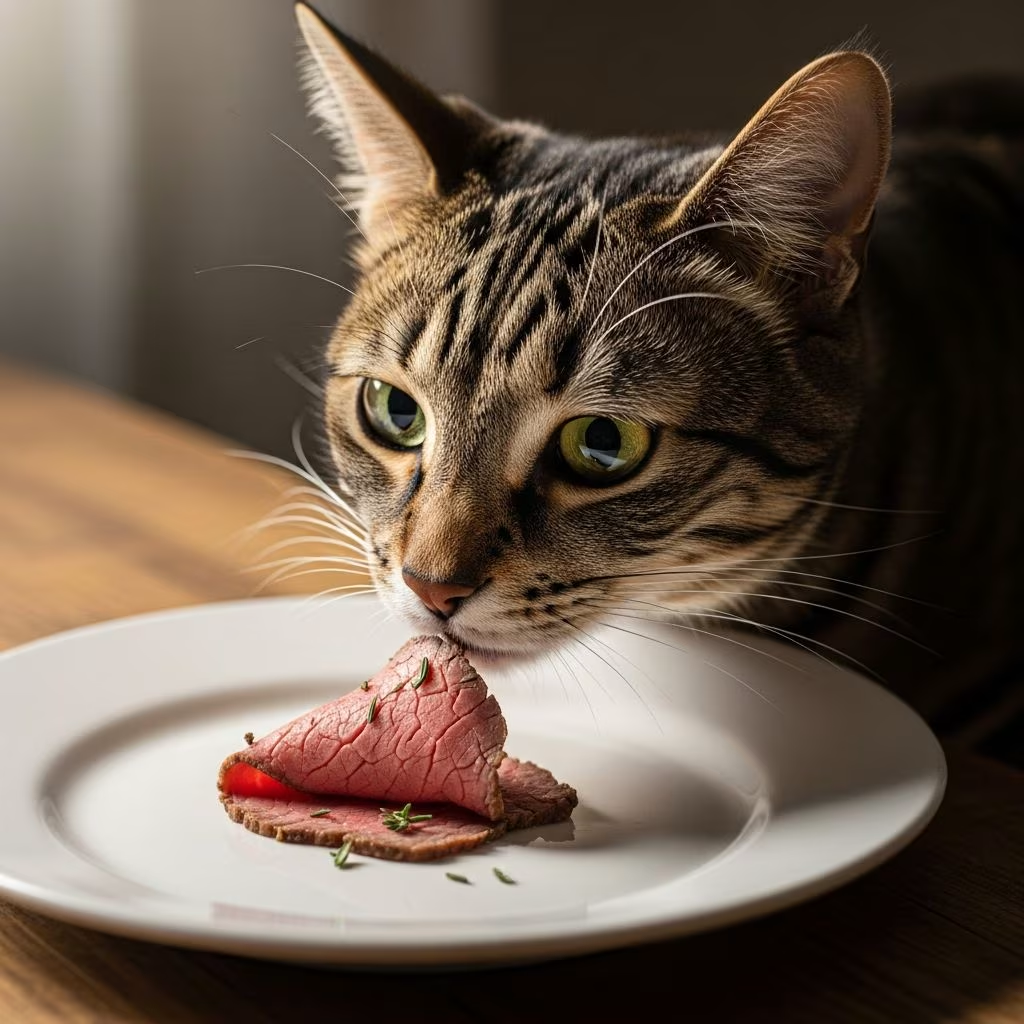
Roast beef can be safe for cats in small amounts if it is plain, cooked, lean, and free from harmful seasonings or additives. As obligate carnivores, cats thrive on animal proteins, and plain roast beef provides high-quality protein, taurine, and essential nutrients, but risks like toxicity from garlic, onions, excess salt, or fat content make it unsuitable as a regular food.
How Is Roast Beef Beneficial for Cats?
Cats are obligate carnivores, meaning they require nutrients from animal sources that they cannot produce themselves, such as taurine, arginine, and vitamin A, which are abundant in beef. Roast beef offers several key benefits when fed appropriately as an occasional treat.
- High-Quality Protein: Beef is rich in complete proteins essential for muscle maintenance, energy, and overall growth in cats.
- Taurine: This amino acid, vital for heart health, vision, and reproduction, is found in beef and cannot be synthesized by cats in sufficient amounts.
- Arginine: Another essential amino acid that prevents ammonia buildup, which can cause lethargy, vomiting, and seizures if deficient.
- Vitamin A: Supports vision, skin health, and acts as an antioxidant; cats must obtain it from meat.
- Iron and Vitamin B12: Iron aids red blood cell production to prevent anemia, while B12 supports the nervous system and energy metabolism.
- Zinc and Other Minerals: Contribute to immune function and coat health.
These nutrients make plain roast beef a appealing treat that adds variety to a cat’s diet, but it should never replace commercial cat food formulated to meet all nutritional needs. Studies from veterinary sources emphasize that while meat like beef fulfills carnivorous requirements, balance is key to avoid deficiencies.
What Are the Issues With Giving Roast Beef to Cats? 3 Main Concerns
Despite its benefits, roast beef poses significant risks if not prepared correctly. The primary concerns include toxicity from seasonings, food allergies, and improper preparation like excess fat or bones.
1. Food Allergies
Some cats develop allergies or sensitivities to beef proteins, leading to symptoms like itching, vomiting, diarrhea, or skin issues. Introduce new foods gradually and consult a vet if reactions occur, especially for cats with known allergies.
2. Seasonings and Additives
Common roast beef preparations contain garlic, onion, salt, or spices toxic to cats. Garlic and onions damage red blood cells causing hemolytic anemia; excess salt leads to dehydration, thirst, and kidney strain; other additives upset digestion.
3. Trimming and Fat Content
Fatty cuts can cause obesity, gastrointestinal irritation, or pancreatitis—a serious inflammation of the pancreas. Bones or fragments risk choking, blockages, or punctures in the mouth or gut, potentially requiring surgery. Always trim visible fat and remove bones.
Additional risks include nutritional imbalances from overfeeding, which displaces balanced cat food, and bacterial concerns if undercooked.
Can Cats Eat Raw Beef?
No, raw beef is not recommended for cats due to high risks of foodborne pathogens like Salmonella, E. coli, Campylobacter, Listeria, and parasites such as Toxoplasma gondii. The American Veterinary Medical Association advises against raw meat diets for pets to avoid these illnesses, which can affect both cats and handlers. Cooked beef eliminates these bacteria while remaining digestible.
How Should You Safely Feed Your Cat Roast Beef?
To minimize risks, follow these strict guidelines for feeding roast beef as an occasional treat, not a staple:
- Select plain, unseasoned roast beef with no garlic, onion, salt, spices, or gravies.
- Choose lean cuts and trim all visible fat to prevent obesity and pancreatitis.
- Cook thoroughly without bones to eliminate pathogens and reduce splinter risks.
- Cut into small, bite-sized pieces to avoid choking.
- Limit to tiny portions: 1-2 small pieces (pea-sized) 1-2 times per week, comprising less than 10% of diet.
- Monitor closely post-feeding for vomiting, diarrhea, lethargy, or allergies; discontinue if issues arise.
Not suitable for kittens (need balanced growth diets), obese cats, or those with kidney issues, allergies, or pancreatitis history—stick to vet-approved foods.
| Cat Type | Safe? | Reason |
|---|---|---|
| Healthy Adult | Occasional small treat | Provides protein if plain/lean |
| Kittens | No | Disrupts balanced nutrition |
| Overweight/Obese | Avoid fatty cuts | Risk of weight gain |
| Allergic/Sensitive | Avoid | May cause reactions |
| Kidney Disease | Avoid high-salt | Strains kidneys |
What Should I Do if My Cat Eats My Roast Beef?
If your cat consumes seasoned, fatty, or raw roast beef, watch for 24-48 hours for symptoms including pale gums, lethargy, rapid breathing/heart rate, vomiting, diarrhea, weakness, tremors, excessive thirst/urination, or collapse. Mild cases may resolve, but contact a vet immediately for severe signs or if seasonings were involved. Provide water and withhold food briefly if upset occurs.
Frequently Asked Questions (FAQs)
Can cats eat roast beef with seasoning?
No, seasonings like garlic, onion, and salt are toxic and can cause anemia, dehydration, or digestive issues.
How much roast beef can I feed my cat?
Only small bite-sized pieces occasionally (1-2 times weekly), as a treat not exceeding 10% of diet to avoid imbalances.
Is cooked or raw beef better for cats?
Cooked is safer, killing bacteria/parasites; raw risks Salmonella, E. coli, and more.
Can roast beef cause allergies in cats?
Yes, beef allergies can cause itching, GI upset; monitor and consult vet.
What if my cat eats seasoned roast beef?
Observe for symptoms like vomiting/lethargy; seek vet care if concerned.
Is roast beef a good daily food for cats?
No, it’s not balanced; use complete cat food for daily nutrition.
Plain roast beef can delight your cat occasionally but prioritize safety and moderation. Always consult your veterinarian before dietary changes, especially for health-compromised cats, to ensure optimal feline health.
References
- Can Cats Eat Roast Beef? Safety & Feeding Tips — Zoorithm. 2023. https://www.zoorithm.com/cats/can-cat-eat-roast-beef
- Can Cats Eat Roast Beef? Vet Reviewed Benefits & Concerns — Catster (Vet Reviewed). 2024-01-15. https://www.catster.com/nutrition/can-cats-eat-roast-beef/
- Can Cats Eat Cooked Meat? — TrustedHousesitters. 2023. https://www.trustedhousesitters.com/blog/pets/can-cats-eat-cooked-meat/
- Can My Cat Eat That? Most Commonly Asked Culprits Answered — Hardyston Animal Hospital. 2023. https://www.hardystonvet.com/services/blog/can-my-cat-eat-most-commonly-asked-culprits-answered-veterinarian
- Can Cats Eat Human Food? A Guide to Safety — Purina US. 2025-06-01. https://www.purina.com/articles/cat/feeding/can-cats-eat/is-human-food-safe-for-cats



