

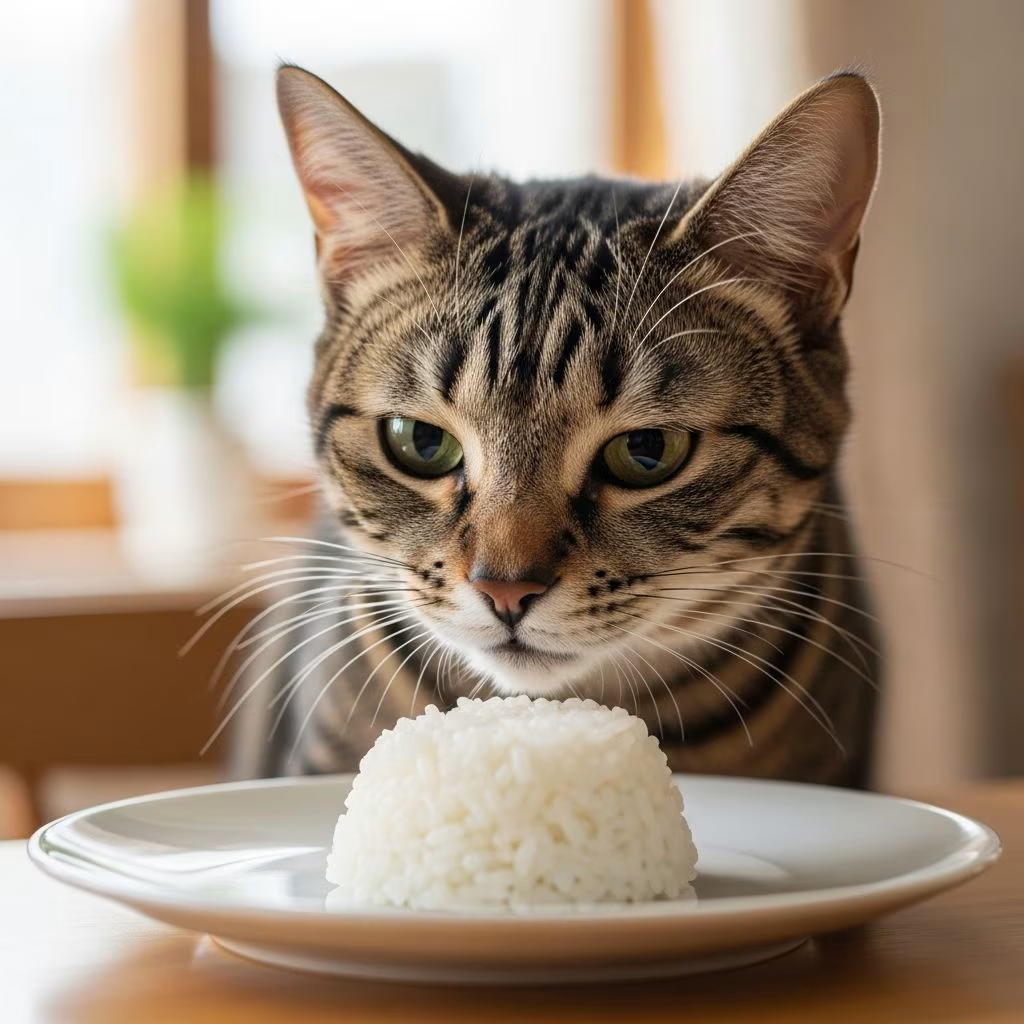
Can Cats Eat Rice? A Complete Guide for Cat Owners
As a cat owner, you may wonder whether common human foods like rice are safe for your feline companion. Rice is a staple grain in many households and appears in numerous commercial cat food formulations, making it a natural question for pet parents. The short answer is yes, cats can eat rice, but with important caveats and guidelines you should follow to ensure your cat’s health and wellbeing.
Plain rice is not toxic to cats and can be offered occasionally in small amounts as part of a balanced diet. However, since cats are obligate carnivores, rice should never become a primary food source or replace the animal-based proteins that form the foundation of proper feline nutrition. Understanding the nuances of feeding rice to your cat will help you make informed decisions about your pet’s dietary needs.
Is Rice Safe for Cats?
Yes, rice is safe for cats when prepared and served correctly. Unlike some foods that are toxic to felines, such as onions, garlic, and chocolate, rice itself contains no compounds that poison cats. This means you don’t need to panic if your cat accidentally ingests a small amount of rice.
However, safety doesn’t automatically mean nutritional benefit. While rice won’t harm your cat in small quantities, it also doesn’t contribute meaningful nutrition to their diet. Cats have evolved as carnivores and their digestive systems are optimized for processing animal proteins and fats, not plant-based carbohydrates. According to veterinary nutritionists, cats gain no significant nutritional advantage from consuming rice, even though some commercial cat foods include it as a filler ingredient.
Understanding Your Cat’s Nutritional Needs
Cats are obligate carnivores, which means they require nutrients that are primarily found in animal tissue. This fundamental biological fact shapes everything about feline nutrition and should influence your decisions about supplementary foods like rice. When you feed your cat a high-quality, complete and balanced commercial cat food, they receive all the essential nutrients they need to thrive, including:
- Taurine—a critical amino acid found only in animal protein
- Arachidonic acid—an essential fatty acid
- Vitamin A in its active form
- Vitamin B12 and other B vitamins
- Complete proteins with all essential amino acids
Since proper cat food already provides complete nutrition, adding rice as a supplement offers no additional benefit. In fact, excessive grain consumption can crowd out more nutritious foods and contribute to health problems.
White Rice vs. Brown Rice for Cats
Not all rice is created equal, and understanding the differences between varieties helps you make better choices for your cat.
White Rice
White rice is processed rice with the bran and germ removed, making it easier for most digestive systems to process. For cats, white rice is simpler to digest than brown rice and is often recommended by veterinarians specifically for addressing digestive issues like diarrhea. The bland nature of plain white rice makes it gentle on sensitive stomachs. If you choose to give your cat rice, plain white rice cooked without seasonings is typically the safer option.
Brown Rice
Brown rice is the whole grain form that retains the bran and germ, making it more nutrient-dense than white rice for humans. It contains higher levels of B vitamins, fiber, iron, selenium, magnesium, potassium, and folate. However, for cats, brown rice presents digestive challenges. Because it’s a whole grain, brown rice is significantly harder for cats to digest. More importantly, while brown rice contains these beneficial nutrients, cats’ digestive systems cannot absorb most of them except for fiber.
Veterinarians may sometimes recommend brown rice specifically for constipation issues due to its fiber content, but this should only be done under professional guidance. For most situations, white rice is the better choice if you’re going to offer rice to your cat at all.
Cooked vs. Uncooked Rice: Critical Safety Information
The preparation method for rice is absolutely crucial to your cat’s safety. Never feed your cat uncooked or partially cooked rice under any circumstances.
Why Uncooked Rice Is Dangerous
Uncooked rice poses several serious risks to feline health. Raw rice grains are extremely difficult for cats to digest, and consumption can result in:
- Severe abdominal pain and cramping
- Bloating and gas
- Gastrointestinal distress
- Constipation or diarrhea
Beyond digestive difficulties, uncooked rice contains lectin, a natural pesticide that can cause vomiting and diarrhea in cats. If your cat consumes uncooked rice and experiences bloating or appears to be in pain for more than 24 hours, seek veterinary attention immediately.
Proper Rice Preparation
If you decide to offer rice to your cat, always cook it thoroughly until soft. Plain boiled rice prepared without salt, butter, oil, or other seasonings is the only acceptable form. The rice should be cooled to room temperature before serving to your cat.
Plain Rice Only: Avoiding Harmful Seasonings and Additives
A critical rule for feeding rice to cats is that it must be completely plain. Many seasonings and ingredients commonly added to rice dishes are toxic or harmful to felines.
Dangerous Seasonings and Ingredients
Onions and garlic are perhaps the most dangerous additions. Both contain compounds that can cause oxidative damage to a cat’s red blood cells, potentially leading to hemolytic anemia. Even small amounts in cooked form can accumulate to toxic levels. Symptoms of onion or garlic toxicity include weakness, vomiting, and pale gums.
Salt in excessive amounts can be problematic for cats, particularly those with existing health conditions.
Spices and seasonings used in rice dishes—whether hot peppers, cumin, paprika, or others—can cause gastrointestinal upset in sensitive cats.
Butter and oils, while not inherently toxic, add unnecessary calories and fat that contribute to obesity.
Always serve rice that is prepared specifically for your cat with no added ingredients whatsoever.
Potential Health Risks of Excessive Rice Consumption
While small amounts of rice are generally safe, feeding rice regularly or in large quantities can create serious health problems for cats.
Taurine Deficiency
One significant concern is taurine depletion. Research has shown that cats whose diets consisted of 25% or more rice bran developed reduced taurine levels resulting in deficiency. Taurine is a critical amino acid essential for feline heart function, eye health, and reproduction. It is found exclusively in animal protein and cannot be synthesized by cats from other sources. A taurine deficiency can lead to dilated cardiomyopathy, a serious heart condition.
Obesity and Weight Gain
The carbohydrates in rice can contribute to weight gain in cats. Obesity in felines significantly increases the risk of developing serious health conditions including diabetes, arthritis, and urinary tract diseases. Cats have minimal nutritional need for carbohydrates, and excess carbs serve only as empty calories.
Malnutrition and Appetite Suppression
If a kitten or cat consumes too much rice too frequently, they might become malnourished. Cats may feel full after eating rice and subsequently lose their appetite for the meat-based nutrition they actually require. This is particularly concerning for kittens during critical developmental periods.
Digestive Issues
Despite sometimes being recommended for digestive issues, excessive rice—particularly high-fiber brown rice—can actually cause constipation or diarrhea depending on the individual cat. The high fiber content can disrupt digestive balance.
Rice for Digestive Health: When Your Veterinarian May Recommend It
One legitimate use for rice in feline diets is addressing mild digestive upset. Some veterinarians recommend plain, cooked white rice as a temporary aid for diarrhea and gastrointestinal issues. The bland nature and mild fiber content can help harden stool and support recovery from minor digestive disturbances.
If your cat is experiencing diarrhea, you can add a small amount of plain cooked white rice to their regular food to improve digestion. However, this should be a temporary measure only. Once your cat recovers, transition back to their normal meat-based diet. Additionally, there are various other methods for addressing feline digestive issues, which is why consulting with your veterinarian about the best approach is always recommended.
How to Safely Feed Rice to Your Cat
If you’ve decided to offer rice to your cat following veterinary consultation, follow these guidelines to minimize risks:
Amount and Frequency
Offer rice only as an occasional treat in small amounts, never as a regular meal component. If rice is incorporated into a meal, it should represent less than 25% of that meal’s total volume. At least 50% of your cat’s meal should come from meat products to ensure adequate protein and essential nutrient intake.
Preparation
Always cook rice thoroughly until soft, then cool it completely. Serve it plain with no salt, butter, seasonings, or other additions.
Monitoring Commercial Cat Foods
When selecting commercial cat food, check ingredient lists carefully. Even if the first ingredient is a meat product, some foods contain more grains than meat overall. Look for foods where animal-based proteins dominate the ingredient list.
Consulting Your Veterinarian
Before introducing rice to your cat’s diet, consult with your veterinarian, particularly if your cat has a sensitive stomach or existing health conditions. Many cats have sensitive digestive systems, and new foods can trigger adverse reactions like vomiting or diarrhea.
Nutritional Content of Brown Rice
While brown rice isn’t ideal for cats, understanding its nutritional profile explains why some veterinarians may recommend it in specific circumstances.
Brown rice as a whole grain contains B vitamins, folate, iron, selenium, magnesium, and potassium. It also provides dietary fiber that supports digestive regulation and may help with blood sugar control and healthy gut microbiome function. However, cats’ digestive systems are simply not equipped to absorb most of these nutrients from plant sources. The one nutrient cats can utilize is fiber, which is why brown rice might be suggested for constipation issues.
Key Takeaways for Cat Owners
Understanding whether and how to feed rice to your cat requires balancing safety with nutritional knowledge. Here are the essential points to remember:
- Plain rice is safe for cats in small, occasional amounts but provides no nutritional benefits
- Cats are obligate carnivores requiring animal-based proteins as their diet foundation
- Always serve cooked, plain rice without seasonings, salt, butter, or additives
- Never feed uncooked rice, which can cause serious digestive distress and contains toxic lectin
- Brown rice is harder to digest than white rice, though fiber content may help with constipation
- Excessive rice consumption can lead to taurine deficiency, obesity, and malnutrition
- Rice may be used temporarily for mild diarrhea under veterinary guidance
- Rice should never exceed 25% of your cat’s diet if included at all
- Always consult your veterinarian before making dietary changes, especially for cats with sensitive stomachs
Frequently Asked Questions
Q: Can kittens eat rice?
A: While rice isn’t toxic to kittens, it’s best avoided during their critical growth period. Kittens require nutrient-dense, protein-rich foods for proper development, and rice can cause them to feel full without providing necessary nutrition, potentially leading to malnutrition.
Q: Is rice good for cats with sensitive stomachs?
A: Rice can sometimes help cats with sensitive stomachs experiencing mild diarrhea, but it should only be used temporarily and under veterinary guidance. Many cats with sensitive stomachs may actually react negatively to rice, so consult your vet first.
Q: How much rice can I safely give my cat?
A: If offering rice, keep it to very small amounts as an occasional treat. Rice should never exceed 25% of any single meal and ideally should be offered rarely rather than regularly.
Q: Can rice cause obesity in cats?
A: Yes, the carbohydrates in rice contribute to weight gain in cats. Since cats have minimal carbohydrate requirements, rice essentially provides empty calories that can lead to obesity and associated health problems like diabetes.
Q: What should I do if my cat eats uncooked rice?
A: Monitor your cat closely for symptoms including bloating, abdominal pain, gas, and vomiting. If your cat shows signs of distress lasting more than 24 hours, contact your veterinarian immediately. Uncooked rice can cause serious digestive complications.
Q: Are there better alternatives to rice for addressing cat digestive issues?
A: Yes, discuss alternative approaches with your veterinarian. There are various evidence-based methods for addressing feline digestive problems beyond rice, and your vet can recommend the most appropriate solution for your specific cat.
References
- Can Cats Eat Rice? — Pawlicy Advisors. 2024. https://www.pawlicy.com/blog/can-cats-eat-rice/
- Can Cats Eat Rice? Read Before You Feed — Purina Arabia. 2024. https://www.purina-arabia.com/en-gb/care-and-advice/cat/feeding-and-nutrition/can-eat-rice
- Can Cats Eat Rice? Get the Answer Now! — Untamed Cat Food. 2024. https://untamed.com/blogs/nutrition/can-cats-eat-rice
- Can Cats Eat Rice? The Benefits and Risks of Rice for Cats — Noble Vet Clinic. 2024. https://noblevetclinic.com/blog/can-cats-eat-rice
- Can Cats Eat Rice? — PetMD. 2024. https://www.petmd.com/cat/nutrition/can-cats-eat-rice
- Can Cats Eat Rice? — Chewy. 2024. https://www.chewy.com/education/cat/food-and-nutrition/can-cats-eat-rice
- Can Cats Eat Rice? — Hill’s Pet Nutrition. 2024. https://www.hillspet.com/cat-care/nutrition-feeding/can-cats-eat-rice



