

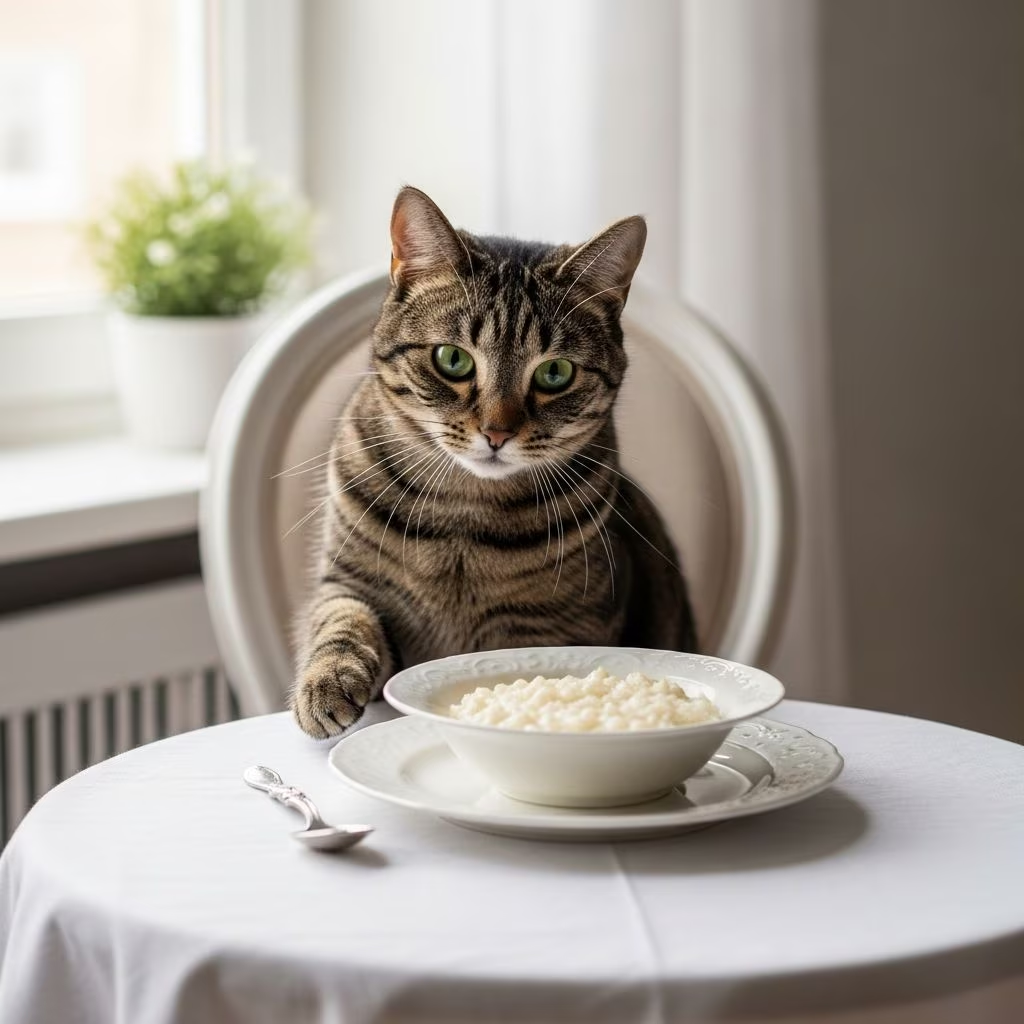
Rice pudding is not safe for cats due to its high sugar content, dairy, fats, and potential toxic additives like raisins or alcohol-containing vanilla extract. While plain cooked rice can be given sparingly, the full dessert form offers no nutritional benefits and risks obesity, digestive upset, or poisoning.
Why Is Rice Pudding Bad for Cats?
Rice pudding combines several ingredients harmful to feline health. Cats are obligate carnivores, meaning their diets should prioritize meat-based proteins over carbohydrates, sugars, and dairy. Here’s a breakdown of the key concerns:
- Sugar Content: Excessive sugar leads to obesity and diabetes in cats, as they lack efficient carbohydrate metabolism. Even natural sugars strain their systems.
- Dairy (Milk and Cream): Most adult cats are lactose intolerant, causing diarrhea, vomiting, and gas from undigested lactose.
- High Fat from Butter or Cream: Contributes to calorie overload, promoting weight gain and related issues like heart disease.
- Raisins or Grapes: Highly toxic, potentially causing acute kidney failure even in small amounts. Symptoms include vomiting, lethargy, and reduced urination.
- Vanilla Extract: Often alcohol-based, leading to gastrointestinal distress or worse if consumed in quantity.
- Spices like Cinnamon or Nutmeg: Can irritate the stomach or be toxic in higher doses.
- Artificial Sweeteners (e.g., Xylitol): Extremely dangerous, causing hypoglycemia or liver failure.
Plain rice itself is not toxic and appears in some commercial cat foods, but rice pudding’s additives make it unsuitable. Feeding it regularly disrupts a cat’s balanced diet.
Nutritional Breakdown of Rice Pudding for Cats
To illustrate why rice pudding fails as a cat treat, consider this comparison table of typical ingredients versus cat nutritional needs:
| Ingredient | Amount in Typical Rice Pudding (per serving) | Impact on Cats | Cat Dietary Need |
|---|---|---|---|
| Sugar | High (10-20g+) | Obesity, diabetes risk | Minimal carbs (<10% diet) |
| Milk/Cream | Primary base | Lactose intolerance, diarrhea | No dairy; water or meat broth |
| Rice | Carb-heavy filler | Limited nutrition; empty calories | Protein-focused (40-50%+) |
| Butter/Fat | Added richness | Weight gain, pancreatitis | Moderate fats from animal sources |
| Additives (Raisins, etc.) | Variable | Toxicity, kidney failure | None; avoid fruits/seasonings |
This table highlights how rice pudding mismatches feline requirements, per veterinary nutrition guidelines. Cats thrive on taurine-rich meats, not grain-based desserts.
Health Risks of Feeding Rice Pudding to Cats
Beyond immediate ingredients, habitual human treats like rice pudding contribute to broader issues:
- Obesity Epidemic: Excess carbs and fats lead to fat buildup, shortening lifespan and raising risks for diabetes, arthritis, and urinary problems. Obese cats face 2-3x higher disease odds.
- Digestive Disorders: Lactose and sugars ferment in the gut, causing chronic diarrhea or IBS-like symptoms.
- Toxin Exposure: Raisins trigger renal failure; no safe amount exists. Even trace vanilla alcohol can cause ataxia or breathing issues.
- Nutrient Imbalance: Displaces essential proteins, vitamins (e.g., taurine for heart/eye health), leading to deficiencies.
Vets emphasize complete cat foods over treats, limiting extras to 10% of calories max.
Can Cats Eat Plain Rice Instead?
Plain, cooked white or brown rice is safe in tiny amounts (e.g., 1-2 teaspoons) as an occasional bland filler, especially for diarrhea to firm stools via fiber. Avoid uncooked rice—its lectin causes vomiting, bloating, and pain.
- Benefits: Soothes mild GI upset; easy to digest when plain.
- Risks: High carbs promote obesity if overfed; no taurine or protein.
- Tips: Fully cooked, unseasoned, cooled. Mix sparingly with wet food.
However, rice isn’t nutritionally vital—prioritize meat-based diets.
My Cat Ate Rice Pudding, What Should I Do?
Act quickly based on amount and ingredients:
- Assess: Note if raisins, xylitol, or large quantities were involved.
- Mild Case (No Toxins): Monitor for vomiting/diarrhea 4-24 hours. Withhold food 12 hours, offer water.
- Toxic Ingredients: Contact vet or pet poison hotline immediately—even asymptomatic cats need evaluation for raisins.
- Symptoms to Watch: Vomiting, lethargy, abdominal pain, increased thirst, reduced urine, tremors.
- Urgent Care: Vets may induce vomiting, give activated charcoal, or IV fluids for kidney support.
Early intervention prevents severe outcomes like kidney failure.
Safe Alternatives: Human Foods Cats Can Eat
Skip rice pudding for these vet-approved treats (10% diet max):
- Cooked, plain meat (chicken, turkey, fish)—protein boost.
- Steamed veggies (pumpkin, carrots)—fiber for digestion.
- Small fruits (blueberries, melon)—antioxidants, low sugar.
- Commercial cat treats—formulated for nutrition.
Always plain, no seasonings. Consult vets for personalized advice.
Feeding Human Treats to Cats Is Not Good for Their Health
Human foods often lack feline-specific nutrients and introduce risks. Obesity from treats shortens life by years, complicating conditions like diabetes. Stick to AAFCO-approved cat food for optimal health—treats should mimic prey, not desserts.
Frequently Asked Questions (FAQs)
Q: Can cats eat rice pudding?
A: No, avoid rice pudding due to sugar, dairy, fats, and toxins like raisins causing obesity, digestive issues, or kidney failure.
Q: Is plain rice safe for cats?
A: Yes, small amounts of plain cooked rice are okay occasionally, aiding digestion, but not as a staple due to low nutrition.
Q: What if my cat ate uncooked rice?
A: Monitor for bloating/vomiting from lectin; uncooked rice is hard to digest. See vet if symptoms appear.
Q: Are there any benefits to rice for cats?
A: Limited—helps firm stools in diarrhea cases, but revert to meat diet post-recovery.
Q: Why is milk in rice pudding bad?
A: Cats are lactose intolerant; it causes gas, diarrhea. Use lactose-free alternatives rarely.
Q: How much plain rice can I give?
A: 1-2 tsp max per day, mixed with food, not daily to avoid carb overload.
References
- Can Cats Eat Rice Pudding? Vet Approved Nutrition Facts & FAQ — Hepper. 2023. https://articles.hepper.com/can-cats-eat-rice-pudding/
- Can Cats Eat Rice Pudding? Vet Reviewed Nutrition Facts & FAQ — Catster. 2023. https://www.catster.com/nutrition/can-cats-eat-rice-pudding/
- Can Cats Eat Rice | Everything You Need to Know — Feline Fancy. 2023. https://felinefancy.co.uk/blogs/cat-care-tips/can-cats-eat-rice
- Can cats eat rice? Get the answer now! — Untamed. 2023. https://untamed.com/blogs/nutrition/can-cats-eat-rice
- Can Cats Eat Rice? — TrustedHousesitters. 2023. https://www.trustedhousesitters.com/blog/pets/can-cats-eat-rice/
- Can Cats Eat Rice? The Verdict Is In! — Genius Litter. 2023. https://geniuslitter.com/blogs/cat-nutrition/can-cats-eat-rice-the-verdict-is-in
- Can Cats Eat Rice? — Alpha Paw. 2023. https://www.alphapaw.com/cat-nutrition/can-cats-eat-rice/



