

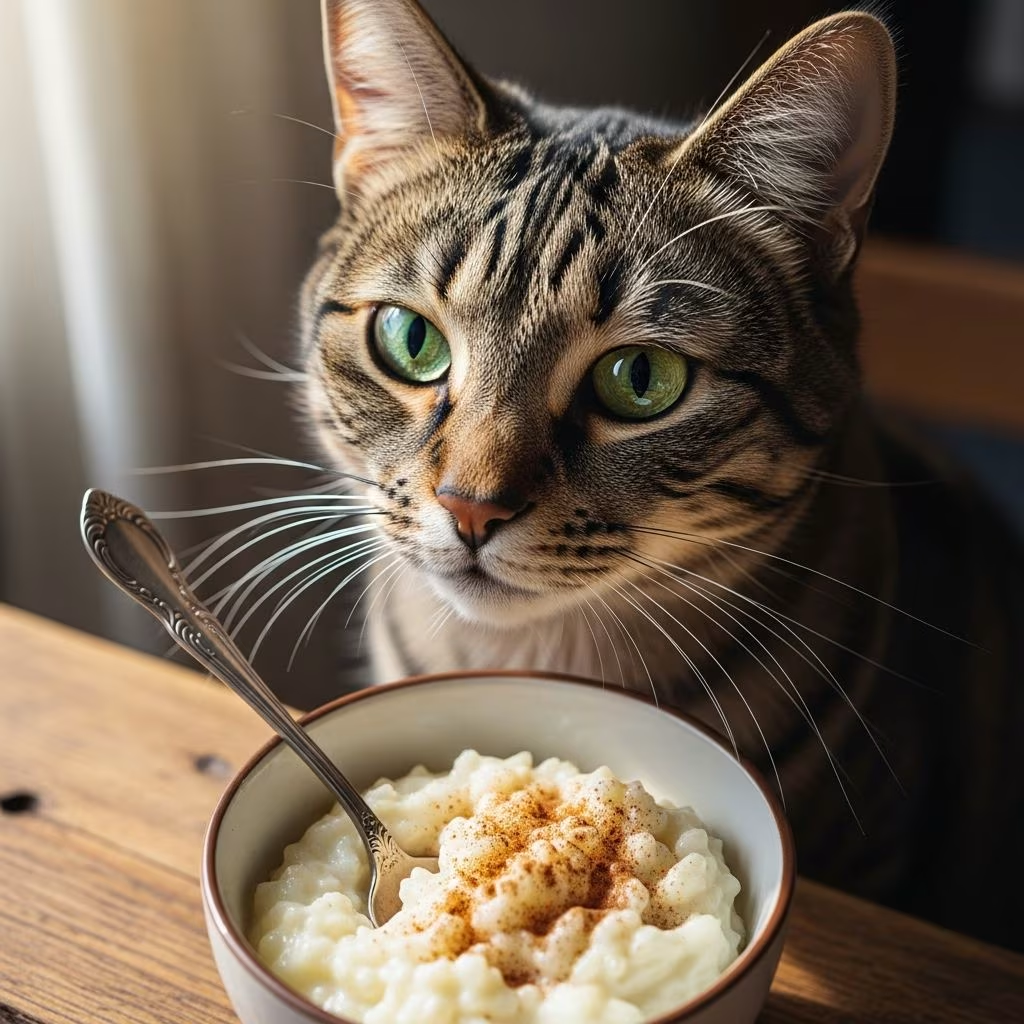
Rice pudding is not safe for cats due to high sugar, dairy content, fats, and potential toxins like raisins or alcohol from vanilla extract. Cats are obligate carnivores with digestive systems unsuited for human desserts, risking obesity, diabetes, gastrointestinal upset, or kidney failure.
Why Is Rice Pudding Bad for Cats?
Rice pudding combines several ingredients harmful to felines. While plain cooked rice is occasionally tolerable in tiny amounts, the full dessert poses multiple risks.
Sugar Content
Sugar provides no nutritional value for cats and can lead to obesity, diabetes, and dental issues. Cats lack enzymes to efficiently process carbohydrates, making excess carbs particularly problematic. Artificial sweeteners like xylitol in some recipes are outright toxic, causing hypoglycemia or liver failure.
Dairy and Lactose Intolerance
Most rice puddings use cow’s milk or cream, but adult cats are typically lactose intolerant. They produce insufficient lactase enzyme, leading to bloating, diarrhea, vomiting, and abdominal pain upon consumption.
High Fat and Calories from Butter or Cream
Butter, cream, or full-fat milk adds excessive calories and fats unsuitable for cats. Regular indulgence promotes weight gain, pancreatitis, and hepatic lipidosis (fatty liver disease).
Toxic Additives: Raisins, Cinnamon, Vanilla
- Raisins: Even small amounts are toxic, causing acute kidney injury. Symptoms include vomiting, diarrhea, lethargy, reduced urination, and potential renal failure. No safe quantity is known.
- Cinnamon: Irritates the mouth, stomach, and can cause low blood sugar or liver damage in quantity.
- Vanilla Extract: Contains alcohol, toxic to cats, leading to vomiting, disorientation, respiratory depression, or coma.
White Rice Itself
Plain, long-grain white rice is not toxic but offers minimal benefits. It’s carbohydrate-heavy without essential proteins, taurine, or vitamins cats require. Overfeeding risks nutritional imbalance.
Can Cats Eat Plain Rice?
Yes, in very small amounts occasionally. Plain, cooked white or brown rice is non-toxic and may soothe mild diarrhea by firming stools due to soluble fiber.
- Feed no more than 1-2 teaspoons per meal, mixed with regular food.
- Avoid as a staple; cats need meat-based nutrition.
- Never uncooked rice: hard to digest, expands in stomach, contains lectin causing vomiting, diarrhea, bloating.
| Rice Type | Safe for Cats? | Notes |
|---|---|---|
| Plain Cooked White Rice | Occasionally, Small Amounts | May aid digestion; low nutrition. |
| Brown Rice (Cooked) | Occasionally | Higher fiber; still carb-heavy. |
| Uncooked Rice | No | Expands, lectin toxicity, GI blockage risk. |
| Seasoned/Fried Rice | No | Onions, garlic, oils toxic. |
Health Risks of Feeding Human Desserts to Cats
Beyond rice pudding, human treats disrupt feline health. Cats are obligate carnivores needing 50-60% protein, 20-30% fat, minimal carbs.
- Obesity: Leads to diabetes, arthritis, heart disease, reduced lifespan.
- Diabetes: From chronic high carbs/sugar.
- Digestive Disorders: Lactose, spices cause chronic issues.
- Nutrient Deficiency: Displaces balanced cat food.
Stick to vet-approved diets for optimal health.
My Cat Ate Rice Pudding, What Should I Do?
Act quickly based on ingredients and amount:
- If raisins suspected: Contact vet or pet poison hotline immediately, even if asymptomatic. Induce vomiting only under guidance.
- Dairy/sugar only: Monitor for vomiting, diarrhea 4-24 hours. Withhold food briefly, offer water.
- Symptoms appear (vomiting, lethargy, no urine): Emergency vet visit for fluids, activated charcoal, kidney tests.
- Large amount: Seek professional advice promptly.
Online services like PangoVet offer quick consultations if travel is impossible.
Healthy Alternatives: Safe Treats for Cats
Offer these sparingly (10% of calories max):
- Cooked, unseasoned chicken, turkey, fish (no bones).
- Steamed veggies: pumpkin, carrots (fiber boost).
- Commercial cat treats formulated for nutrition.
- Fresh water; avoid milk substitutes unless lactase-added.
Prioritize AAFCO-approved complete cat foods.
Final Thoughts
Rice pudding’s sugar, dairy, fats, and toxins make it unsafe for cats. Opt for species-appropriate nutrition to prevent health issues. Consult your vet for personalized advice.
Frequently Asked Questions
Can cats eat rice pudding?
No. It contains lactose, sugar, fats, and potential toxins like raisins, causing digestive upset, obesity, or kidney failure.
Is plain rice safe for cats?
Yes, small amounts of plain cooked rice occasionally; avoid uncooked or seasoned.
What if my cat ate rice pudding with raisins?
Contact vet immediately; raisins can cause fatal kidney damage.
Why is milk in rice pudding bad for cats?
Most cats are lactose intolerant, leading to diarrhea and vomiting.
Can rice help a cat with diarrhea?
Plain cooked rice can firm stools short-term; revert to normal diet soon.
References
- Can Cats Eat Rice Pudding? Vet Approved Nutrition Facts & FAQ — Hepper. 2024. https://articles.hepper.com/can-cats-eat-rice-pudding/
- Can Cats Eat Rice Pudding? Vet Reviewed Nutrition Facts & FAQ — Catster. 2024. https://www.catster.com/nutrition/can-cats-eat-rice-pudding/
- Can Cats Eat Rice | Everything You Need to Know — Feline Fancy. 2024. https://felinefancy.co.uk/blogs/cat-care-tips/can-cats-eat-rice
- Can cats eat rice? Get the answer now! — Untamed. 2024. https://untamed.com/blogs/nutrition/can-cats-eat-rice
- Can Cats Eat Rice? — TrustedHousesitters. 2024. https://www.trustedhousesitters.com/blog/pets/can-cats-eat-rice/



