

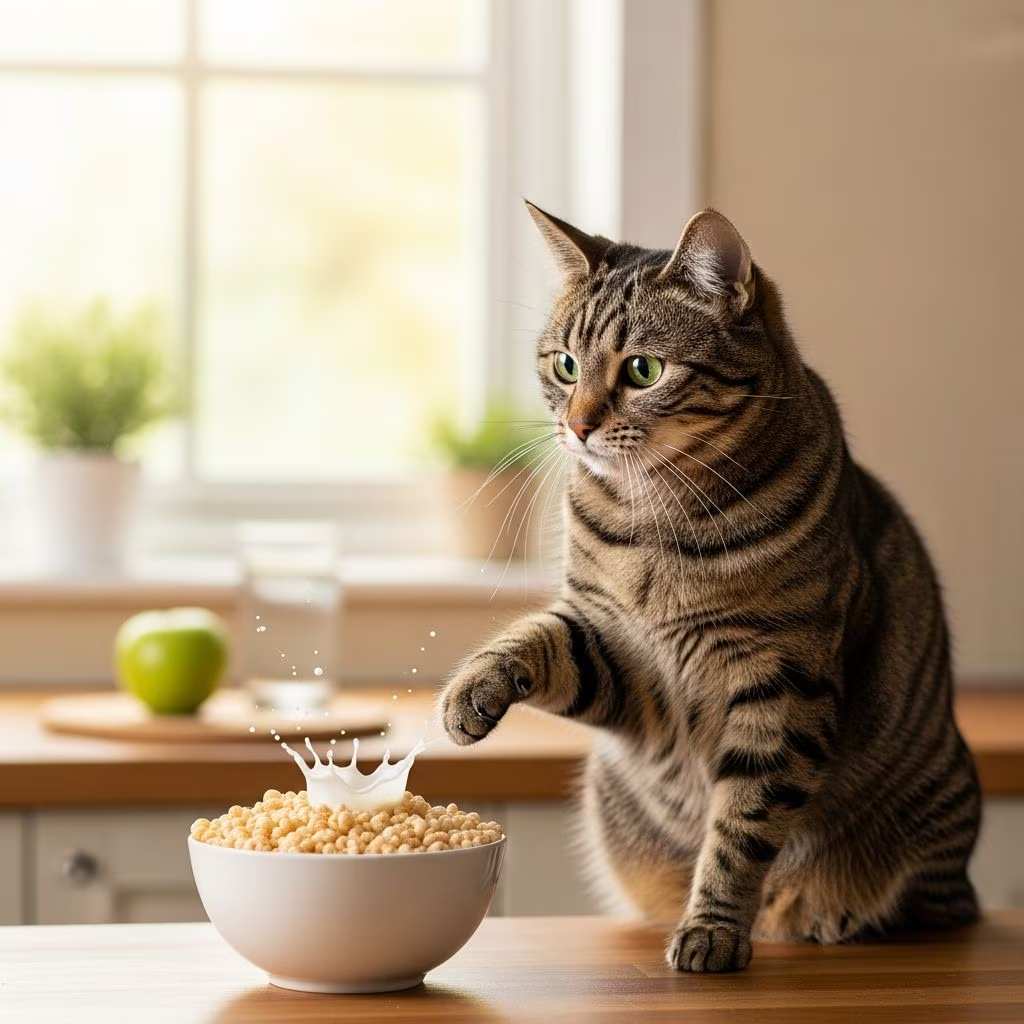
Can Cats Eat Rice Krispies? Vet-Approved Facts & FAQ
Rice Krispies are a beloved breakfast cereal made from puffed rice that many households enjoy. Kids love this sweet food for its fun popping sound, and some pet owners may want to share this tasty treat with their kitty. However, the question of whether this is a safe snack for cats deserves careful consideration. While Rice Krispies are technically safe for cats in very small amounts, there are multiple important reasons why your cat shouldn’t be fed Rice Krispies intentionally. Understanding the nutritional needs of cats and the potential health risks associated with this cereal can help you make better decisions about your feline companion’s diet.
Why Are Rice Krispies Not Good for Cats?
Rice Krispies are composed primarily of puffed rice and sugar, making them high in carbohydrates and low in nutritional value. The fundamental issue is understanding your cat’s dietary requirements. Cats are obligate carnivores, which means they require a diet that is high in animal protein and relatively low in carbohydrates. This biological fact is crucial when evaluating whether any food is appropriate for your feline friend.
Although some carbohydrates are necessary for proper body function in cats, those carbs should ideally not come from simple starches like corn syrup and white sugar. Rice Krispies contain both of these ingredients in significant amounts, making them nutritionally inappropriate for cats. The high sugar content is particularly problematic, as cats lack certain taste receptors for sweetness and don’t require or benefit from sweet foods.
Additionally, Rice Krispies often contain artificial additives, sweeteners, and flavorings that are designed for human consumption and may not be suitable for feline digestive systems. These additives can accumulate in a cat’s body and potentially cause adverse effects over time.
Rice Krispies Treats: An Even Worse Option
If Rice Krispies cereal alone is problematic, Rice Krispies treats are significantly worse for your cat. These popular human snacks combine Rice Krispies with marshmallows and butter, creating a treat that is extremely high in sugar, calories, and fat. The marshmallows in the recipe add even more sugar than the cereal itself, and the butter content increases the caloric density dramatically.
This combination of high sugar, high fat, and marshmallow-based ingredients creates a snack that is genuinely unhealthy for cats. The excess butter can be particularly problematic because of the calories and fat content, potentially leading to stomach upset and other digestive issues. If you’re tempted to share your Rice Krispies treats with your cat, it’s best to resist that urge entirely.
Nutritional Comparison: What Cats Actually Need
To understand why Rice Krispies are inappropriate for cats, it’s helpful to compare them to what cats actually require nutritionally:
| Nutrient Component | Cat Requirement | Rice Krispies Profile | Suitability for Cats |
|---|---|---|---|
| Protein | High (40-50% of diet) | Very low (<3%) | Poor |
| Carbohydrates | Low (5-10% optimal) | Very high (85%+) | Poor |
| Sugar | Minimal/none required | High (10-14%) | Poor |
| Fat | Moderate (10-15%) | Low (<5%) | Fair |
| Fiber | Low/none required | Minimal | Fair |
This comparison clearly demonstrates that Rice Krispies are fundamentally mismatched to feline nutritional requirements. The protein content is far too low, the carbohydrate content is far too high, and the presence of added sugars is completely unnecessary for cats.
Will Rice Krispies Make My Cat Sick?
This is a question many cat owners ask, and the answer is more nuanced than a simple yes or no. It’s unlikely for a few Rice Krispies to be immediately dangerous for your cat, but there is a risk with cats being fed Rice Krispies in large quantities or regularly.
Short-Term Effects
In the short term, Rice Krispies can lead to digestive difficulty and stomach discomfort for your cat. This is due to the carbohydrate load, additives, and sugar in the cereal, which can cause the following symptoms:
- Gas and abdominal discomfort
- Diarrhea
- Vomiting
- General digestive upset
These symptoms may appear within a few hours of consumption and typically resolve within a day or two. However, if your cat shows signs of significant distress or prolonged symptoms, veterinary attention is recommended.
Long-Term Health Consequences
The more serious concern with regular Rice Krispies consumption involves long-term health impacts. If Rice Krispies and other sweet cereals are fed to your cat regularly or in large quantities, they can lead to various serious and potentially deadly health issues:
- Malnutrition: Regular consumption of nutritionally empty calories can prevent your cat from consuming adequate nutrients from their proper diet, leading to nutritional deficiencies.
- Obesity: The high carbohydrate and sugar content contributes to excessive calorie intake, leading to weight gain and obesity, which carries numerous health complications.
- Diabetes: Regular sugar consumption increases the risk of developing feline diabetes, a serious chronic condition requiring lifelong management.
- Dental Problems: The sugar in Rice Krispies can contribute to plaque buildup and dental disease.
- Metabolic Dysfunction: High-carbohydrate diets may disrupt normal metabolic processes in cats.
All of these diseases are usually related to your cat’s diet—both the quality of the diet and the number of calories they consume per day compared to their activity level. Preventing these issues through proper nutrition is far easier than treating them once they develop.
What Should I Do if My Cat Eats Rice Krispies?
If your cat has already consumed Rice Krispies, the good news is that there is typically not really anything critical you’ll need to do. If your cat only ate a small amount that fell on the floor or a few pieces from your bowl, there is very little risk for any negative side effects. Cats that consume minimal amounts of Rice Krispies rarely experience serious problems.
However, if your cat consumed a large quantity of Rice Krispies, monitor them carefully over the next 24-48 hours for signs of gastrointestinal upset. You might observe digestive symptoms such as vomiting, diarrhea, or decreased appetite. These signs are rarely dangerous and typically resolve on their own.
If your cat seems to be experiencing significant discomfort, has prolonged vomiting or diarrhea, or shows other concerning symptoms, contact your veterinarian. Additionally, if your cat has pre-existing health conditions such as diabetes or obesity, or if you have concerns about what your cat consumed, it’s always better to err on the side of caution and seek professional veterinary advice.
Better Treat Alternatives for Your Cat
Rather than offering Rice Krispies or other inappropriate human foods, there are many better treat options that align with your cat’s nutritional needs:
- Protein-Based Treats: Look for treats made primarily from chicken, turkey, fish, or beef—foods that match your cat’s obligate carnivore diet.
- Freeze-Dried Meat: These treats are nutritious, calorie-controlled, and provide the protein cats need.
- Wet Food Toppers: Small portions of high-quality wet food can serve as tasty rewards.
- Commercial Cat Treats: Choose products formulated specifically for cats that meet AAFCO standards.
- Interactive Toys with Food Rewards: Puzzle feeders that dispense treats encourage mental stimulation and exercise.
- Plain Cooked Chicken: Small pieces of unseasoned, cooked chicken breast are a safe, nutritious option.
These alternatives provide genuine nutritional value while keeping your cat’s dietary requirements in mind. When selecting any treat, always check the ingredient list and choose options without added sugars, artificial additives, or ingredients toxic to cats like onions, garlic, or xylitol.
Frequently Asked Questions (FAQs)
Q: Can I give my cat a very small piece of Rice Krispies as a rare treat?
A: While a tiny piece of plain Rice Krispies won’t cause immediate harm, it’s not recommended even occasionally. The lack of nutritional value, combined with sugar and additives, makes it an inappropriate choice even in small amounts. Better treat options exist that actually benefit your cat’s health.
Q: Are there any types or brands of Rice Krispies that are safer for cats?
A: All varieties of Rice Krispies—whether original, frosted, or flavored—contain similar problematic ingredients including sugar and additives. None are recommended for cats regardless of the brand or variety.
Q: My cat accidentally ate Rice Krispies. Should I take her to the vet?
A: If your cat consumed a small amount that fell on the floor, veterinary care is usually not necessary. Monitor her for 24-48 hours for any digestive upset. However, if she consumed a large quantity, shows severe symptoms, or if you’re concerned, contacting your vet is advisable.
Q: How much rice is safe for cats to eat?
A: Plain, cooked white rice can be offered in very small amounts—about a teaspoon or less—as an occasional treat or when recommended by your vet for digestive issues. It should never be a regular part of your cat’s diet.
Q: Why do cats like Rice Krispies if they’re not good for them?
A: Cats may be attracted to the texture, sound, or simply because they see you eating it. Cats don’t seek foods based on nutritional value; they explore what’s available. Just because a cat shows interest doesn’t mean the food is appropriate.
Q: Can I use Rice Krispies to train my cat or as positive reinforcement?
A: No, there are much better options for training rewards. Protein-based treats specifically formulated for cats are more effective and nutritionally appropriate. You can also use small pieces of cooked chicken or commercial cat treats designed for training purposes.
In Conclusion
Rice Krispies are not unsafe in the short term for your cat to eat in tiny amounts, but they absolutely aren’t appropriate for the obligate carnivore diet of cats. In the long term, regular consumption of Rice Krispies will lead to poor health and potentially dangerous conditions like malnutrition, obesity, and diabetes.
While a few Rice Krispies accidentally consumed off your kitchen counter won’t cause an emergency, you should never intentionally feed this cereal to your cat. The nutritional mismatch is simply too great, and far better treat options exist that actually support your cat’s health and wellbeing.
If your cat consumes any Rice Krispies, there’s minimal risk of any serious impact, but you may see some digestive symptoms for a day or so afterward. If you feel like your cat seems to be experiencing significant discomfort, though, make sure to contact your vet. Most importantly, use this as a reminder to provide your feline companion with the protein-rich, carbohydrate-appropriate diet that their biology demands and deserves.
References
- Can Cats Eat Rice Krispies? Vet Approved Facts & FAQ — Catster. 2026. https://www.catster.com/nutrition/can-cats-eat-rice-krispies/
- Can Cats Eat Rice | Everything You Need to Know — Feline Fancy. 2026. https://felinefancy.co.uk/blogs/cat-care-tips/can-cats-eat-rice
- Can Cats Eat Rice? The Verdict Is In! — Genius Litter. 2026. https://geniuslitter.com/blogs/cat-nutrition/can-cats-eat-rice-the-verdict-is-in



