

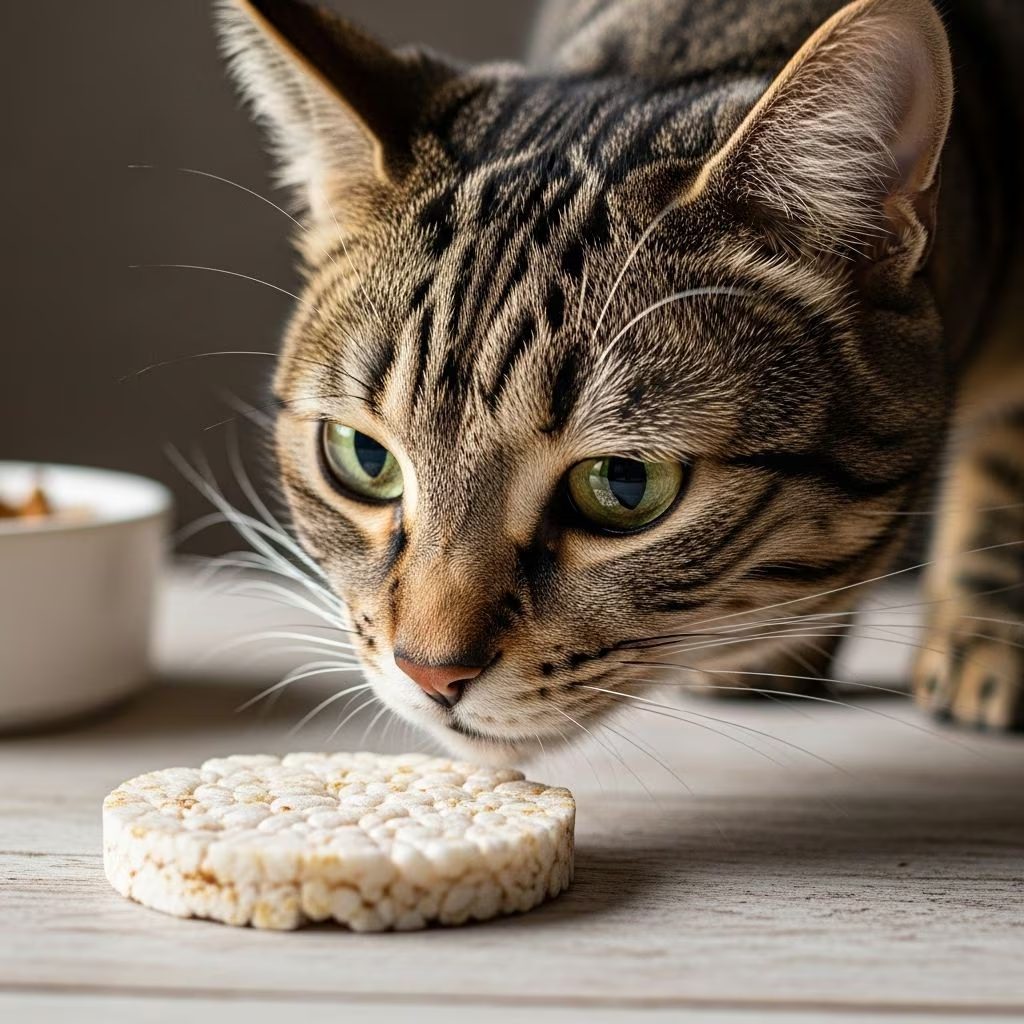
Rice cakes are a light, crunchy snack popular among humans for their low-calorie appeal, but cat owners often wonder if they’re suitable for felines. The short answer is yes, plain rice cakes are not toxic to cats and are generally safe in very small amounts. However, they offer minimal nutritional benefits and can pose risks depending on ingredients and quantity. As obligate carnivores, cats thrive on meat-based proteins, not carb-heavy grains like rice. This comprehensive guide breaks down the facts, risks, nutrition, and alternatives to help you make informed choices for your cat’s diet.
Can Cats Eat Rice Cakes?
Cats can eat plain rice cakes without immediate harm, as they contain no inherently toxic ingredients for felines. Made primarily from puffed rice—either white or brown—these snacks are dried and baked into a lightweight form. A basic rice cake lists just one ingredient: rice, making it benign for occasional nibbling.
That said, safety hinges on the variety. Plain or lightly salted versions pose the least risk, while flavored ones often include problematic additives. Veterinary experts emphasize checking labels, as cats lack the digestive enzymes to efficiently process large amounts of carbohydrates from rice.
- Plain rice cakes: Safe in tiny portions; no toxicity.
- Lightly salted: Acceptable sparingly, but monitor sodium.
- Flavored varieties: Avoid due to potential toxins like garlic or onion powder.
Even safe types aren’t ideal. Cats evolved to derive nearly all nutrients from animal sources, so rice provides ’empty calories’—energy without essential proteins, fats, or vitamins like taurine.
Rice Cake Nutritional Facts
A standard rice cake offers little that aligns with feline needs. Here’s a breakdown for a typical 9g serving of plain rice cake:
| Nutrient | Amount per 9g Serving |
|---|---|
| Calories | 34.8 kcal |
| Fat | 0.25 g |
| Carbohydrates | 7.34 g |
| Protein | 0.73 g |
| Fiber | 0.37 g |
| Sodium | 2.34 mg |
| Phosphorus | 32.4 mg |
These stats reveal why rice cakes fall short for cats. Protein is scant at under 1g, far below the 30-40% cats require daily from high-quality animal sources. Carbs dominate at over 80% of calories, which can overwhelm a cat’s limited carb-digesting capacity.
Compare to cat food standards: The Association of American Feed Control Officials (AAFCO) mandates minimum protein levels of 26-30% for adult maintenance on a dry matter basis. Rice cakes deliver none of this balance.
Should You Feed Your Cat Rice Cakes?
No, you should not intentionally feed your cat rice cakes as a treat or supplement. While not dangerous in small nibbles, they provide no meaningful nutrition and can lead to issues over time. Cats are obligate carnivores, meaning their biology demands animal-derived nutrients—taurine for heart and eye health, arachidonic acid for skin and coat, and pre-formed vitamin A.
Rice cakes fill the belly with carbs cats don’t efficiently metabolize, potentially displacing vital foods. Vets recommend treats comprise no more than 10% of daily calories, prioritizing nutrient-dense options.
- Pros: Low-fat, non-toxic base; crunchy texture may satisfy chewing urges.
- Cons: Empty calories; high carb load risks obesity and diabetes; lacks taurine and other essentials.
If your cat sneaks one, observe for upset stomach. Contact a vet if symptoms like vomiting persist.
Potential Risks of Feeding Rice Cakes to Cats
Beyond low nutrition, rice cakes carry hidden dangers, especially flavored or excessive amounts. Here’s what to watch for:
- Digestive Upset: High carbs can cause gas, bloating, diarrhea, or vomiting as cats struggle to break down starches.
- Sodium Overload: Many contain added salt (up to 100mg per cake), risking hypertension or thirst in sensitive cats.
- Toxic Additives: Flavors with onion, garlic, spices, or xylitol (in some ‘sugar-free’) are poisonous, causing anemia or hypoglycemia.
- Obesity and Deficiencies: Regular feeding adds calories without satiety, leading to weight gain or taurine shortages.
- Choking Hazard: Hard, dry texture may splinter or be hard to chew for some cats.
Studies from veterinary nutritionists note cats have shorter digestive tracts optimized for protein, not grains, amplifying these risks.
Can Cats Eat Flavored Rice Cakes?
Absolutely not. Flavored rice cakes amplify dangers with seasonings toxic to cats. Common culprits include:
- Onion/garlic powder: Damage red blood cells, leading to hemolytic anemia.
- Sugar/sweeteners: Spike blood sugar; xylitol causes liver failure.
- Spices/herbs: Irritate GI tract or worse.
Even ‘healthy’ flavors like sea salt or caramel pack excess sodium or sugars. Stick to plain if sharing at all—and even then, rarely.
Can Cats Eat Rice?
Unlike rice cakes, plain cooked rice is safer and sometimes beneficial in moderation. It’s non-toxic and included in many commercial cat foods as a binder.
Benefits include:
- Firming loose stools during mild diarrhea (the BRAT diet principle: bananas, rice, applesauce, toast).
- Easy digestibility when well-cooked and unseasoned.
Limit to tiny amounts—1-2 teaspoons max per meal—to avoid carb overload. Never raw rice, which expands in the stomach.
Healthier Alternatives to Rice Cakes for Cats
Opt for treats mirroring a cat’s natural diet. Top vet-approved options:
| Treat Type | Benefits | Examples |
|---|---|---|
| Commercial Cat Treats | Balanced nutrition, taurine-rich | Freeze-dried chicken, salmon bites |
| Plain Meat | High protein, low carb | Cooked turkey, chicken (no skin/bones) |
| Veggies | Low-cal crunch, fiber | Cucumber slices, steamed broccoli |
| Dairy (if tolerated) | Protein boost | Small cheese bits or plain yogurt |
DIY treats: Puree tuna in water or bake chicken morsels. Always introduce slowly to check tolerance.
Frequently Asked Questions (FAQs)
Are rice cakes toxic to cats?
No, plain ones aren’t toxic, but flavored varieties can be due to additives like garlic or xylitol. Limit exposure.
How much rice cake can a cat eat?
Very little—a nibble at most. Treats should not exceed 10% of daily calories.
Can rice cakes cause diarrhea in cats?
Yes, the high carb content often leads to digestive upset like diarrhea or vomiting.
Is brown rice better for cats than white?
Slightly, due to more fiber, but neither is ideal. Cooked plain rice is preferable to cakes.
What if my cat ate a whole rice cake?
Monitor for vomiting or lethargy. Call your vet if concerned, especially with flavored types.
Conclusion
Plain rice cakes won’t kill your cat, but they’re far from a healthy choice. Lacking essential nutrients and loaded with unnecessary carbs, they risk digestive woes, obesity, and more. Reserve them for accidental encounters, and prioritize protein-packed treats instead. Always consult your veterinarian for personalized diet advice to keep your feline thriving.
References
- Can Cats Eat Rice Cakes? Vet-Approved Nutrition Facts & Safety — Catster. 2023. https://www.catster.com/nutrition/can-cats-eat-rice-cakes/
- Can Cats Eat Rice Cake? Safety & Nutrition Guide — Zoorithm. 2024. https://www.zoorithm.com/cats/can-cat-eat-rice-cake
- Can Cats Eat Rice Cakes? Vet-Reviewed Facts & FAQ — Hepper. 2024. https://articles.hepper.com/can-cats-eat-rice-cakes/
- Can Cats Eat Rice | Everything You Need to Know — Feline Fancy. 2023. https://felinefancy.co.uk/blogs/cat-care-tips/can-cats-eat-rice



