

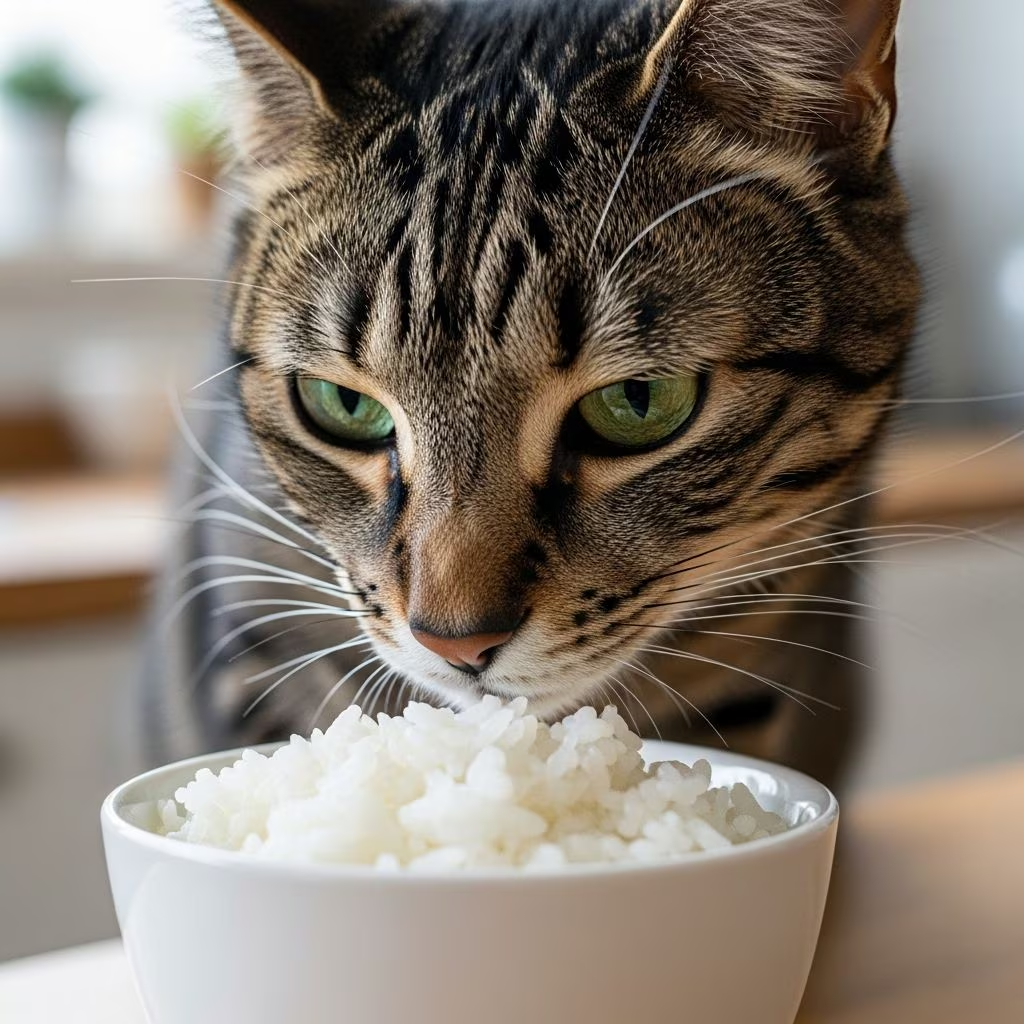
Can Cats Eat Rice? A Complete Guide for Cat Owners
Many cat owners wonder if they can share their meals with their feline companions, and rice is a common question that arises. The straightforward answer is: yes, cats can eat rice in small amounts, but it should never become a regular part of their diet. While rice is non-toxic to cats, understanding the nuances of feeding rice to your pet is essential for maintaining their optimal health and nutrition.
Since cats are obligate carnivores, their digestive systems are specifically designed to process meat-based proteins rather than grains and carbohydrates. This fundamental difference in nutritional requirements means that rice offers minimal nutritional value to cats compared to their natural prey-based diet.
Is Rice Safe for Cats?
Rice itself is not toxic to cats, making it technically safe for them to consume. However, safety and nutritional appropriateness are two different considerations. A food can be safe for cats to eat without being beneficial or necessary for their health.
The key to safely feeding rice to cats involves proper preparation and portion control:
- Cook the rice thoroughly before offering it to your cat, as uncooked rice can be difficult to digest and may contain lectin, a plant protein that acts as a natural pesticide and could cause intestinal issues like diarrhea and vomiting
- Serve rice plain without any seasonings, butter, salt, garlic, or onions, as these additives can be harmful to cats and cause serious health problems
- Keep portions extremely small, limiting rice to less than a tablespoon per week
- Avoid giving rice as a primary food source, as it should only be an occasional addition to their diet
White Rice vs. Brown Rice for Cats
Not all rice is created equal when it comes to feline nutrition. Understanding the differences between white and brown rice can help you make better choices for your cat.
| Rice Type | Digestibility | Nutritional Content | Best Use |
|---|---|---|---|
| White Rice | Easier to digest due to removed outer layers | Lower in nutrients but provides carbohydrates | Better for cats with digestive upset; gentler on stomach |
| Brown Rice | More difficult for cats to digest | Contains fiber, B vitamins, folate, iron, and selenium | May help with constipation; rarely recommended for regular feeding |
White rice is generally the safer choice for most cats because it is softer and has had its outer layers removed, making it much gentler to digest. It is sometimes suggested in tiny portions for cats dealing with mild stomach upset. Brown rice, while containing more nutrients than white rice, is unprocessed and more difficult for cats to digest. Additionally, their digestive systems won’t absorb most of the nutrients present in brown rice except for fiber.
Nutritional Value of Rice for Cats
Understanding what rice actually provides to cats is crucial for making informed feeding decisions. While rice does contain certain nutrients, the nutritional contribution to cats is minimal compared to their actual dietary requirements.
Carbohydrates
Rice is a source of carbohydrates in the form of starch. While rice provides a good amount of carbs, cats don’t actually need a significant amount of carbohydrates in their diets. Carbohydrates from rice can be useful in specific situations, such as when a cat needs a quick energy boost or is recovering from an illness that has left them at low energy levels.
Fiber Content
Rice, especially brown and wild rice, contains dietary fiber that can help with digestion. A small amount of fiber can aid in bowel movements and prevent constipation in cats. Fiber can also help cats regulate their internal blood sugar level and support a healthy gut microbiome.
Protein Content
While rice does contain some protein, it is not sufficient for a cat’s nutritional needs. Protein is the main nutrient cats require for growth, development, and energy. The protein found in rice is incomplete and cannot replace the high-quality animal proteins that cats need to thrive.
Potential Health Risks of Feeding Rice to Cats
Although rice itself isn’t toxic, feeding too much rice to your cat can create several health concerns that cat owners should be aware of.
Nutritional Imbalance
Relying on rice too heavily can lead to nutritional imbalance. Cats require a specific diet that mostly consists of protein from meat products. If your cat’s diet leans too much on rice, they won’t have room for protein and other essential nutrients. Research has shown that cats whose diet consisted of 25% or more rice bran had reduced taurine levels, resulting in a taurine deficiency. Taurine is a crucial amino acid for felines and can only be found in animal protein.
Digestive Issues
Some cats might experience bloating or gas after eating rice, as every cat’s digestive system is different. Rice is rich in fiber, and if fed in significant quantities, it can cause diarrhea or make your cat constipated. Additionally, uncooked rice is particularly harmful and can lead to digestive complications.
Obesity and Diabetes Risk
Excessive carbohydrate intake can lead to obesity and health issues such as diabetes. This is particularly concerning for cats that are already overweight or predisposed to metabolic issues.
Allergic Reactions
Some cats may be allergic to rice or other grains, which is a rare but possible concern. Cats with rice allergies can exhibit signs such as itching, vomiting, or swelling. When these symptoms appear, you should seek expert veterinary advice immediately.
When Rice Might Be Beneficial for Cats
While rice shouldn’t be a staple in your cat’s diet, there are specific situations where veterinarians might recommend it.
Plain, cooked rice can be harmless and sometimes even helpful, especially if your cat has an upset stomach. Some veterinarians recommend boiled or plain rice as an aid for gastrointestinal issues. Brown rice, which has a good amount of fiber, might also be used to help with constipation, but you should check with your veterinarian before using rice for any cat GI situations.
If your cat is recovering from illness and has depleted energy levels, the carbohydrates in rice can provide a quick energy boost during the recovery process.
How Much Rice Can Cats Safely Eat?
Portion control is critical when offering rice to your cat. The recommended amount is less than a tablespoon of rice per week. This small portion ensures your cat receives any potential benefits while minimizing the risk of nutritional imbalance or digestive issues.
If your kitty accidentally gets into a large portion of rice or eats any amount of uncooked rice, contact your veterinarian. Be alert for possible side effects, which include:
- Stomach discomfort
- Vomiting
- Diarrhea
- Bloating
- Straining in the litter box
- Lethargy
If any of these signs are present, call your veterinarian or an emergency clinic right away.
Best Practices for Feeding Rice to Your Cat
If you decide to offer rice to your cat, follow these guidelines to ensure safety and minimize potential health issues:
- Always cook rice thoroughly to make it digestible and remove any harmful compounds
- Never add seasonings – ingredients like salt, garlic, and onions can be harmful to cats
- Mix rice with their main food, such as a protein source like cooked chicken, fish, or turkey. The rice creates a nice texture that can make cats enjoy their food more
- Start with very small portions and observe your cat’s response before offering it again
- Consult your veterinarian before introducing rice, especially if your cat has existing health conditions
- Skip rice if your cat has diabetes or is overweight, suffers from chronic digestive issues, or is allergic to grains
When to Avoid Feeding Rice to Your Cat
There are specific situations where rice should be avoided entirely:
- Cats with diabetes or those who are overweight due to carbohydrate sensitivity
- Cats suffering from chronic digestive issues that aren’t specifically being treated with rice
- Cats with known grain allergies or sensitivities
- Cats on specialized therapeutic diets prescribed by veterinarians
- Kittens whose nutritional needs are especially critical for growth and development
Better Nutritional Alternatives to Rice
Rather than feeding rice to your cat, focus on providing a balanced diet specifically formulated for their nutritional needs. Quality commercial cat foods are designed to meet all of your cat’s nutritional requirements without the need for grain additives. If you want to provide occasional treats or add variety to your cat’s meals, consider:
- Small portions of cooked lean meats like chicken, turkey, or fish
- High-quality cat food formulated for their life stage and health status
- Veterinarian-approved cat treats
- Raw or lightly cooked meat options designed specifically for cats
Frequently Asked Questions About Cats and Rice
Q: Can cats eat rice every day?
A: No, cats should not eat rice every day. Rice should be limited to less than a tablespoon per week, and it should only be offered occasionally, not as part of their regular diet.
Q: Is white or brown rice better for cats?
A: White rice is generally the better option for cats because it’s easier to digest and gentler on their stomachs. Brown rice is more difficult to digest and offers minimal additional nutritional benefit to cats.
Q: Can rice help my cat’s digestive problems?
A: Plain, cooked white rice may help with mild digestive upset in some cases. However, you should always consult with your veterinarian before using rice to treat any digestive issues, as it may not be appropriate for all conditions.
Q: What should I do if my cat eats uncooked rice?
A: Uncooked rice can be harmful to cats and may contain lectin, which can cause digestive complications. If your cat eats uncooked rice, monitor them for signs of digestive distress and contact your veterinarian if symptoms develop.
Q: Can I mix rice with my cat’s wet food?
A: Yes, you can mix small amounts of plain, cooked rice with your cat’s regular food, combining it with a protein source like cooked chicken. However, ensure the portion is very small and that it doesn’t replace their regular nutritionally complete diet.
Q: Will rice cause my cat to gain weight?
A: Excessive rice consumption can contribute to weight gain and obesity in cats because of its high carbohydrate content. This is especially concerning for cats already at risk for weight-related health issues.
The Bottom Line: Should You Feed Rice to Your Cat?
While rice is not toxic and can be safely consumed in very small amounts, it offers minimal nutritional benefit to cats and should be avoided as a regular part of their diet. Since cats are obligate carnivores, their bodies are designed to flourish on animal protein rather than grains or carbs. The best approach is to focus on providing your cat with a quality, balanced diet specifically formulated for their nutritional needs.
If you choose to offer rice to your cat, do so only occasionally, in very small amounts, and always with veterinary approval. Plain, cooked white rice mixed with their regular meals is the safest approach if you decide to include it at all. Remember that cats don’t need rice to thrive, and their health and happiness depend far more on a protein-rich diet that matches their natural carnivorous requirements.
References
- Can Cats Eat Rice? Read Before You Feed — Purina Arabia. 2025. https://www.purina-arabia.com/en-gb/care-and-advice/cat/feeding-and-nutrition/can-eat-rice
- Can Cats Eat Rice? — PetSmart Learning Center. 2025. https://www.petsmart.com/learning-center/cat-care/can-cats-eat-rice
- Can Cats Eat Rice? A Complete Guide for Cat Parents — Heads Up For Tails. 2025. https://headsupfortails.com/blogs/cats/can-cats-eat-rice
- Can Cats Eat Rice? The Benefits and Risks of Rice for Cats — Noble Vet Clinic. 2025. https://noblevetclinic.com/blog/can-cats-eat-rice
- Can Cats Eat Rice? — PetMD. 2025. https://www.petmd.com/cat/nutrition/can-cats-eat-rice
- Can Cats Eat Rice? Here’s Everything You Need to Know — Pawlicy. 2025. https://www.pawlicy.com/blog/can-cats-eat-rice/
- Can Cats Eat Rice? — Chewy. 2025. https://www.chewy.com/education/cat/food-and-nutrition/can-cats-eat-rice



