

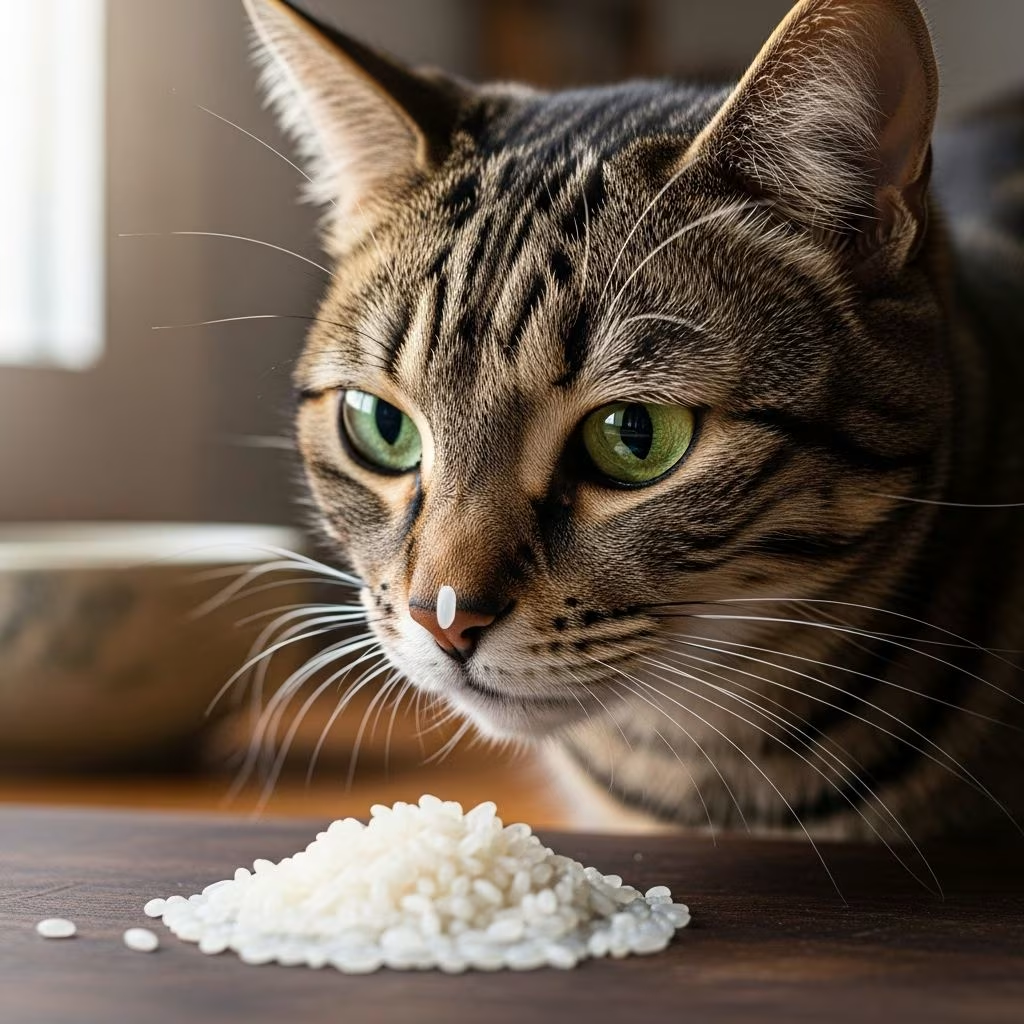
Cats are obligate carnivores, meaning their bodies are designed to thrive on animal-based proteins rather than plant matter like grains. Rice is not toxic to cats and can be fed in small amounts, but it provides minimal nutritional value and should never replace their primary meat-based diet. While some cat foods include rice as a filler or binder, excessive carbohydrates from grains can contribute to obesity, diabetes, and other health issues. This comprehensive guide explores whether cats can safely eat rice, the potential benefits and risks, differences between rice types, proper feeding methods, and expert veterinary insights to help you make informed decisions for your feline friend’s nutrition.
Is Rice Safe for Cats?
Yes, plain cooked rice is safe for most cats when given occasionally and in tiny portions. It poses no immediate toxicity risks, unlike foods such as onions, garlic, or chocolate. Veterinarians often note that rice can even serve as a bland dietary component during short-term gastrointestinal upset, helping to firm up stools due to its easy digestibility. However, cats do not require rice in their diet. As obligate carnivores, they derive essential nutrients—such as taurine, arachidonic acid, and vitamin A—exclusively from animal sources. Feeding rice regularly may displace these critical proteins, leading to deficiencies over time.
PetMD emphasizes that while rice won’t harm cats outright, it’s best avoided unless for a specific purpose, like mixing a small amount with boiled chicken for a recovery meal. Purina advises sticking to complete, balanced cat foods that meet AAFCO standards, as supplemental rice offers no extra benefits and could reduce intake of nutrient-dense kibble or wet food. Always monitor your cat for individual tolerances, as some may experience bloating or gas from even small amounts.
Nutritional Value of Rice for Cats
Rice primarily consists of carbohydrates in the form of starch, which cats can digest but do not efficiently utilize for energy compared to proteins and fats. It lacks the amino acids, fatty acids, and vitamins cats need, making it a poor standalone food. Here’s a breakdown:
- Carbohydrates: Provides quick energy but excess can lead to weight gain. Cats use carbs sparingly, preferring fats.
- Fiber: Brown rice offers more soluble fiber, aiding digestion and potentially preventing constipation. White rice has less but is gentler on sensitive stomachs.
- Protein: Minimal amounts; insufficient for feline needs.
- Micronutrients: Trace B vitamins, magnesium, and selenium in brown rice, but cats absorb them poorly without animal proteins.
One study highlighted in Pawlicy Advisor noted that diets with 25% or more rice bran reduced taurine levels in cats, causing deficiencies since taurine is only bioavailable from meat. Overall, rice acts more as a textural filler than a nutrient source, enhancing palatability when mixed with proteins.
Benefits of Feeding Rice to Cats
Though not nutritionally essential, rice has niche uses in feline care:
- Digestive Aid: Plain white rice is recommended by vets for diarrhea or mild tummy upset, as it’s binding and low-residue.
- Fiber Support: Brown rice’s higher fiber content can help with constipation or regulate blood sugar in moderated amounts.
- Palatability Booster: Mixing small amounts with boiled meats makes meals more appealing for picky eaters.
- Energy for Recovery: Carbs offer a temporary boost during illness when protein intake is low.
Hill’s Pet Nutrition notes rice appears in some commercial formulas for its binding properties, contributing to stool quality without compromising nutrition. These benefits are situational; rice shines as a short-term tool, not a staple.
Risks and Dangers of Rice for Cats
While safe in moderation, rice carries risks if overfed or improperly prepared:
- Nutritional Imbalance: High-carb diets can cause obesity, diabetes, and taurine deficiency.
- Digestive Issues: Uncooked rice is hard to digest and contains lectins, potentially causing vomiting, diarrhea, or bloating.
- Allergies: Rare grain sensitivities may trigger itching, vomiting, or swelling.
- Seasonings: Salt, butter, garlic, or onions in flavored rice are toxic.
- Overfeeding: More than a tablespoon weekly risks straining or lethargy.
Cats with diabetes, obesity, or grain allergies should avoid rice entirely. PetSmart warns that excessive rice displaces protein-rich foods, leading to long-term deficiencies.
White Rice vs. Brown Rice for Cats
Both types are safe if plain and cooked, but they differ in digestibility and nutrition. Use this table for comparison:
| Aspect | White Rice | Brown Rice |
|---|---|---|
| Digestibility | High; gentle on stomach, ideal for diarrhea | Lower; fiber-rich husk harder to process |
| Fiber Content | Low; less binding | High; aids constipation |
| Nutrients | Minimal; refined | B vitamins, minerals (poorly absorbed by cats) |
| Best Use | Upset stomach | Digestion regulation |
White rice is preferred for sensitive tummies, while brown offers marginal fiber benefits. Always cook thoroughly.
How to Feed Rice to Cats Safely
Follow these guidelines for safe incorporation:
- Preparation: Boil plain, no salt/oil. Cool before serving.
- Portion Size: Less than 1 tablespoon per week for an average cat.
- Mixing: Combine with protein like boiled chicken (e.g., 90% meat, 10% rice).
- Frequency: Occasional treat or vet-recommended bland diet (1-2 days max).
- Monitoring: Watch for vomiting, diarrhea, or lethargy; stop and call vet if seen.
Chewy advises letting picky cats self-select rice, avoiding force-feeding.
Rice in Commercial Cat Food
Many dry kibbles use rice as an affordable carb source for texture and energy. It’s safe in formulated amounts meeting nutritional standards, but grain-free options exist for carb-sensitive cats. Check labels; premium foods minimize grains.
When to Avoid Rice Altogether
- Diabetic or obese cats (high carbs spike blood sugar).
- Grain-allergic cats.
- Kittens or seniors needing max protein.
- Chronic GI issues without vet approval.
Consult a vet before dietary changes, especially with health conditions.
Frequently Asked Questions (FAQs)
Can cats eat uncooked rice?
No. Raw rice is indigestible and may contain harmful lectins, causing severe GI distress. Always cook fully.
Is brown rice better than white for cats?
Brown has more fiber but is harder to digest. White is gentler; choose based on need.
How much rice can I give my cat?
Limit to under 1 tablespoon weekly, mixed with protein.
Can rice help my cat’s diarrhea?
Yes, plain white rice mixed with boiled chicken can firm stools short-term. See vet if persists.
Is rice toxic to cats?
No, plain cooked rice is non-toxic. Avoid seasoned varieties.
Should I feed rice daily?
No. It’s not nutritionally complete; stick to balanced cat food.
References
- Can Cats Eat Rice? Read Before You Feed — Purina Arabia. 2023. https://www.purina-arabia.com/en-gb/care-and-advice/cat/feeding-and-nutrition/can-eat-rice
- Can Cats Eat Rice? — PetSmart. 2024. https://www.petsmart.com/learning-center/cat-care/can-cats-eat-rice
- Can Cats Eat Rice? A Complete Guide for Cat Parents — Heads Up For Tails. 2024. https://headsupfortails.com/blogs/cats/can-cats-eat-rice
- Can Cats Eat Rice? The Benefits and Risks of Rice for Cats — Noble Vet Clinic. 2023. https://noblevetclinic.com/blog/can-cats-eat-rice
- Can Cats Eat Rice? — PetMD. 2024-05-15. https://www.petmd.com/cat/nutrition/can-cats-eat-rice
- Can Cats Eat Rice? Here’s Everything You Need to Know — Pawlicy Advisor. 2024. https://www.pawlicy.com/blog/can-cats-eat-rice/
- Can Cats Eat Rice? — Chewy. 2023. https://www.chewy.com/education/cat/food-and-nutrition/can-cats-eat-rice



