

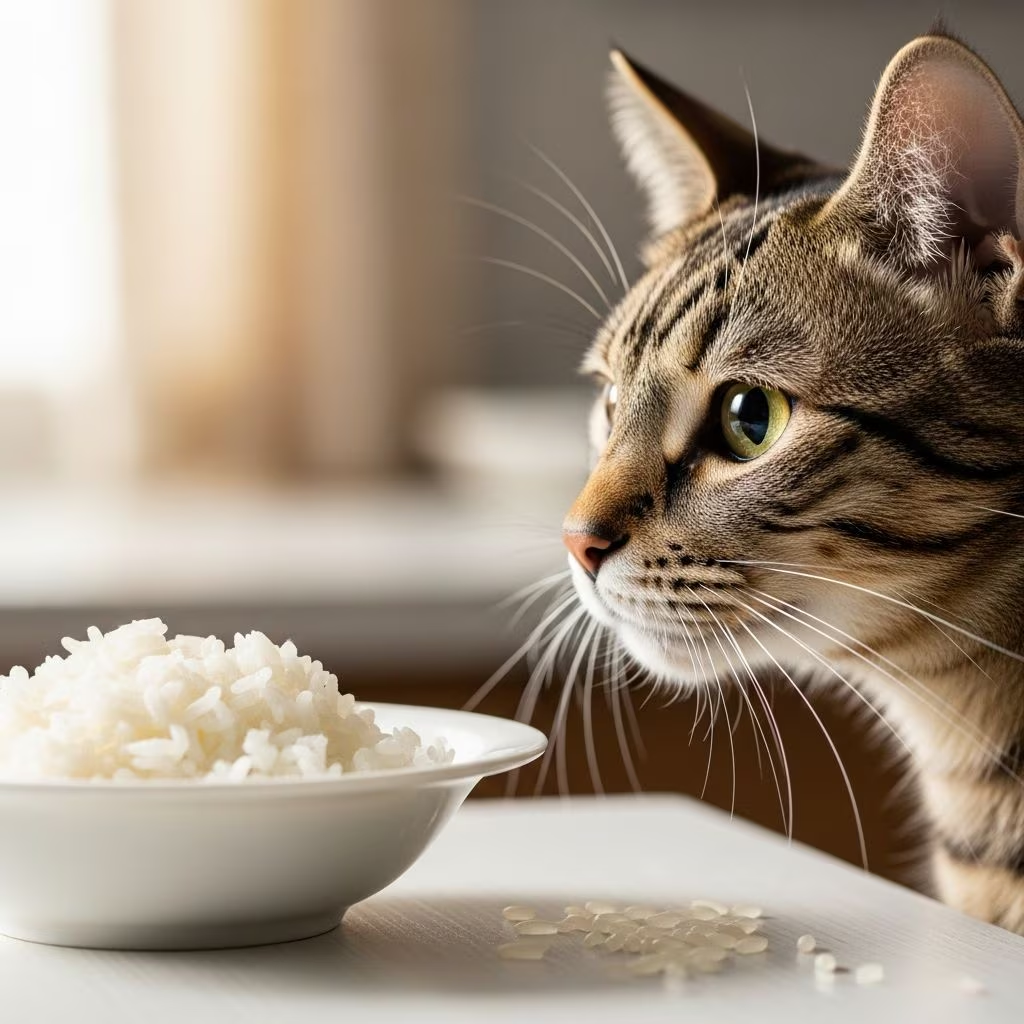
Can Cats Eat Rice? A Complete Guide for Cat Parents
Rice is a staple food in many households, and it’s natural to wonder whether your feline companion can enjoy this grain as well. The straightforward answer is yes—cats can safely eat rice in small amounts, provided it is cooked plain and served without seasonings. However, understanding the nuances of feeding rice to cats is essential for maintaining your pet’s health and nutritional balance.
Cats are obligate carnivores, meaning their bodies are biologically designed to thrive on animal protein rather than grains or carbohydrates. While rice won’t harm your cat in modest quantities, it doesn’t provide essential nutrients that cats require for optimal health. As a pet owner, it’s important to view rice as an occasional addition to your cat’s diet rather than a dietary staple.
Is Rice Safe for Cats?
Rice itself is non-toxic to cats, making it a safe food choice when prepared correctly. Plain, cooked rice poses no immediate danger to your feline friend. However, the safety of rice depends heavily on how it is prepared and the quantity served. Only thoroughly cooked rice should ever be given to cats, as uncooked or partially cooked rice can cause serious digestive complications.
The safest approach is to serve rice in very small amounts mixed with your cat’s regular food, rather than as a standalone meal. This ensures that rice supplements rather than replaces the protein-rich diet your cat needs. Always consult with your veterinarian before introducing any new foods to your cat’s diet, especially if your cat has a history of digestive issues or grain sensitivity.
Nutritional Benefits of Rice for Cats
Digestive Support
One of the primary reasons veterinarians sometimes recommend rice for cats is its potential digestive benefits. Brown and wild rice contain dietary fiber that can aid in digestion and help regulate bowel movements. When cats experience diarrhea, veterinarians may recommend a small amount of rice to help firm up their stool. Similarly, the fiber content can assist cats dealing with mild constipation.
It’s important to note that while fiber can be beneficial, rice should only be used for digestive issues under veterinary guidance. Your vet can determine whether rice is appropriate for your cat’s specific condition and recommend the proper amount to serve.
Fiber Content
Fiber plays a supportive role in feline digestive health. A small amount of fiber can promote healthy bowel movements and prevent constipation in cats. Additionally, dietary fiber may help cats regulate their internal blood sugar levels and support a healthy gut microbiome. However, cats don’t require high fiber intake like some other animals, so moderation is key.
Modest Protein Content
While rice does not contain substantial amounts of protein, it does provide a small quantity that can be utilized by your cat’s body. However, this minimal protein contribution should never be considered a replacement for the complete, high-quality animal protein that cats require for growth, development, and energy production. Cats have specific amino acid requirements, particularly taurine, which can only be obtained from animal sources.
White Rice vs. Brown Rice: Understanding the Differences
| Rice Type | Digestibility | Fiber Content | Best Use |
|---|---|---|---|
| White Rice | Easier to digest; softer texture with outer layers removed | Lower fiber content | Mild stomach upset; gentle option for sensitive cats |
| Brown Rice | Harder to digest for cats; may cause gastrointestinal discomfort | Higher fiber content; rich in vitamins and minerals | Constipation or specific digestive issues under vet supervision |
White rice is generally the preferred option for most cats. Because it has had its outer layers removed, white rice is softer and gentler on a cat’s digestive system. It’s sometimes suggested in tiny portions for cats experiencing mild stomach upset, making it the safer choice for cats with sensitive digestive systems.
Brown rice is nutritionally superior to white rice for humans, but the situation is more complex for cats. While brown rice is higher in fiber and contains beneficial nutrients such as vitamin B, iron, folates, potassium, selenium, and magnesium, cats’ digestive systems struggle to absorb most of these nutrients properly. The fiber is the primary nutrient cats can utilize from brown rice. Additionally, brown rice is significantly harder for cats to digest, potentially causing gastrointestinal discomfort.
For cats with specific digestive issues like diarrhea or constipation, brown rice may be recommended by your veterinarian for its higher fiber content. However, this should only occur under professional guidance rather than as a home remedy experiment.
How to Safely Feed Rice to Your Cat
Cooking Requirements
Never feed your cat uncooked or partially cooked rice under any circumstances. Uncooked rice is exceedingly difficult for cats to digest and can cause serious problems including gas, bloating, abdominal pain, and gastrointestinal distress. Additionally, uncooked rice may contain lectin, a natural pesticide that can cause nausea, vomiting, and diarrhea. Rice should be thoroughly cooked until soft and easy to digest.
Portion Control
When serving rice to your cat, keep portions extremely small. Rice should never replace your cat’s primary diet of meat-based protein. A general guideline is to serve rice as no more than a small side addition to your cat’s regular meals. The majority of your cat’s diet should consist of high-quality commercial cat food formulated to meet their nutritional needs.
Mixing with Main Food
Rice should always be mixed with your cat’s main food, such as a protein source like cooked chicken, fish, or turkey. By combining rice with their primary protein source, you create a more balanced meal that provides your cat with essential nutrients while preventing nutritional imbalance. This approach also makes meals more interesting for your cat, potentially improving their appetite and meal satisfaction.
Avoiding Harmful Additives
Never add seasonings or flavorings to rice served to cats. Ingredients such as salt, garlic, onions, and other allium vegetables are highly toxic to cats. Even minimal amounts of these seasonings can cause serious health problems, including gastrointestinal irritation and anemia. Always serve plain, unseasoned rice to your feline companion.
Avoiding Fried Rice and Flavored Varieties
Fried rice is not recommended for cats as it typically contains oils, onions, garlic, and seasonings that are harmful to feline health. Similarly, flavored rice varieties or rice with added ingredients should be avoided. Stick exclusively to plain, cooked white or brown rice when offering this grain to your cat.
Potential Risks and Side Effects of Feeding Rice to Cats
Nutritional Imbalance
Relying too heavily on rice in your cat’s diet can lead to serious nutritional imbalance. Cats require a specific diet consisting primarily of protein from meat products. If your cat’s diet leans too much on rice, there won’t be room for the protein and other essential nutrients they need for optimal health. This is particularly concerning because cats have specific amino acid requirements, especially taurine, which is exclusively available from animal protein sources.
Obesity and Weight Gain
Since rice is rich in carbohydrates, overfeeding this grain can contribute to rapid weight gain in cats, particularly in neutered cats. Excessive weight can lead to numerous health complications including diabetes, heart disease, high blood pressure, irritable bowel syndrome (IBS), gastrointestinal issues, hormone imbalances, and kidney disease. Given that many cats are already at risk for obesity, limiting carbohydrate intake through grains like rice is an important preventive measure.
Grain Allergies and Sensitivities
Some cats may be allergic to rice or other grains. Cats with rice allergies can exhibit signs of allergic reactions such as itching, vomiting, or swelling. If your feline friend isn’t accustomed to eating grains, it’s best to avoid introducing rice to their diet. Some cats may also develop constipation in response to grain consumption, particularly if they have sensitive digestive systems.
Digestive Complications from Uncooked Rice
Uncooked rice presents a significant risk to feline health. It can cause digestive blockages, severe gas, bloating, and abdominal pain. Additionally, uncooked rice may contain harmful bacteria such as salmonium and naturally occurring toxins like lectin. Always ensure rice is fully cooked before serving any to your cat.
Taurine Deficiency Risk
Basing your cat’s diet too heavily on rice may cause taurine deficiency. Taurine is a critical amino acid for cats that can only be found in animal protein. Deficiency in this essential nutrient can lead to serious health complications including heart disease and vision problems. This is another important reason to ensure rice remains only a minor component of your cat’s overall diet.
When Veterinarians Recommend Rice for Cats
Most veterinarians agree that a small amount of plain, cooked rice can be harmless and sometimes even helpful, especially when cats have upset stomachs. Your vet might suggest you give rice to your cat if they suffer from diarrhea due to the dietary fiber that can help harden stool. Similarly, brown rice may be recommended for cats experiencing constipation.
However, rather than using rice as a home remedy for digestive troubles, it’s always best to consult with your veterinarian about the appropriate course of action. Your vet can determine whether rice is suitable for your cat’s specific condition and recommend proper serving amounts and duration.
Rice and Vegetables: Is It Safe?
Some vegetables can be safely mixed with plain rice to add flavor and nutritional variety. Safe options include cooked carrots or peas, which can complement rice well. However, it’s essential to ensure that any vegetables served with rice are safe for cats and cooked thoroughly. Always avoid ingredients like onions, garlic, or spicy seasonings, as these are toxic to cats.
Practical Tips for Feeding Rice to Cats
- Always cook rice thoroughly until soft and easy to digest
- Serve rice in very small quantities, never as a meal replacement
- Mix rice with your cat’s primary protein source like cooked chicken or fish
- Use only plain rice without any seasonings, oils, or additives
- Monitor your cat for any signs of digestive upset or allergic reactions
- Consult your veterinarian before introducing rice for digestive issues
- Maintain rice as only a minor supplement to complete cat food
- Store cooked rice properly and avoid offering spoiled or old rice
Frequently Asked Questions
Q: Is rice essential for my cat’s diet?
A: No, rice is not essential for cats. Since cats are obligate carnivores, their bodies are designed to flourish on animal protein. Rice provides minimal nutritional value to cats and should be considered an occasional addition only, not a dietary staple.
Q: Can I feed my cat fried rice?
A: No, fried rice is not recommended for cats. It typically contains oils, onions, garlic, and seasonings that are harmful to cats. Stick exclusively to plain, boiled rice if you choose to feed rice to your feline companion.
Q: How much rice can I safely give my cat?
A: Rice should be served in very small amounts—only as a tiny supplement mixed with your cat’s regular food. There is no specific recommended daily amount, but the general rule is less is better. Always consult your veterinarian for personalized guidance.
Q: What should I do if my cat has an allergic reaction to rice?
A: If your cat exhibits signs of allergic reaction such as itching, vomiting, or swelling after eating rice, stop feeding rice immediately and contact your veterinarian. Your vet can help identify whether rice is the culprit and recommend alternative foods.
Q: Is brown rice better than white rice for cats?
A: Brown rice is nutritionally superior for humans, but for cats, white rice is generally the better choice. White rice is easier to digest, while brown rice is harder on a cat’s digestive system, despite containing more fiber. Brown rice may only be recommended by veterinarians for specific digestive issues.
Q: Can rice help my cat’s diarrhea?
A: Rice may help some cats with diarrhea due to its fiber content, but this should only be pursued under veterinary guidance. Your veterinarian can determine whether rice is appropriate for your cat’s specific condition and recommend proper serving amounts.
Q: What are better alternatives to rice for cats?
A: High-quality commercial cat food formulated to meet feline nutritional needs is always the best choice. If your cat has digestive issues, consult your veterinarian about specially formulated therapeutic cat foods rather than attempting home remedies with rice.
References
- Can Cats Eat Rice? The Benefits and Risks of Rice for Cats — Noble Vet Clinic. https://noblevetclinic.com/blog/can-cats-eat-rice
- Can Cats Eat Rice? Read Before You Feed — Purina Arabia. https://www.purina-arabia.com/en-gb/care-and-advice/cat/feeding-and-nutrition/can-eat-rice
- Can Cats Eat Rice? — PetSmart. https://www.petsmart.com/learning-center/cat-care/can-cats-eat-rice
- Can cats eat rice? Get the answer now! — Untamed Cat Food. https://untamed.com/blogs/nutrition/can-cats-eat-rice
- Can Cats Eat Rice? A Complete Guide for Cat Parents — Heads Up for Tails. https://headsupfortails.com/blogs/cats/can-cats-eat-rice
- Can Cats Eat Rice? A Guide to Feeding Rice Safely to Cats — Waggle. https://mywaggle.com/blogs/pet-food/can-cats-eat-rice
- Can Cats Eat Rice? — Chewy. https://www.chewy.com/education/cat/food-and-nutrition/can-cats-eat-rice
- Can Cats Eat Rice? — PetMD. https://www.petmd.com/cat/nutrition/can-cats-eat-rice



