

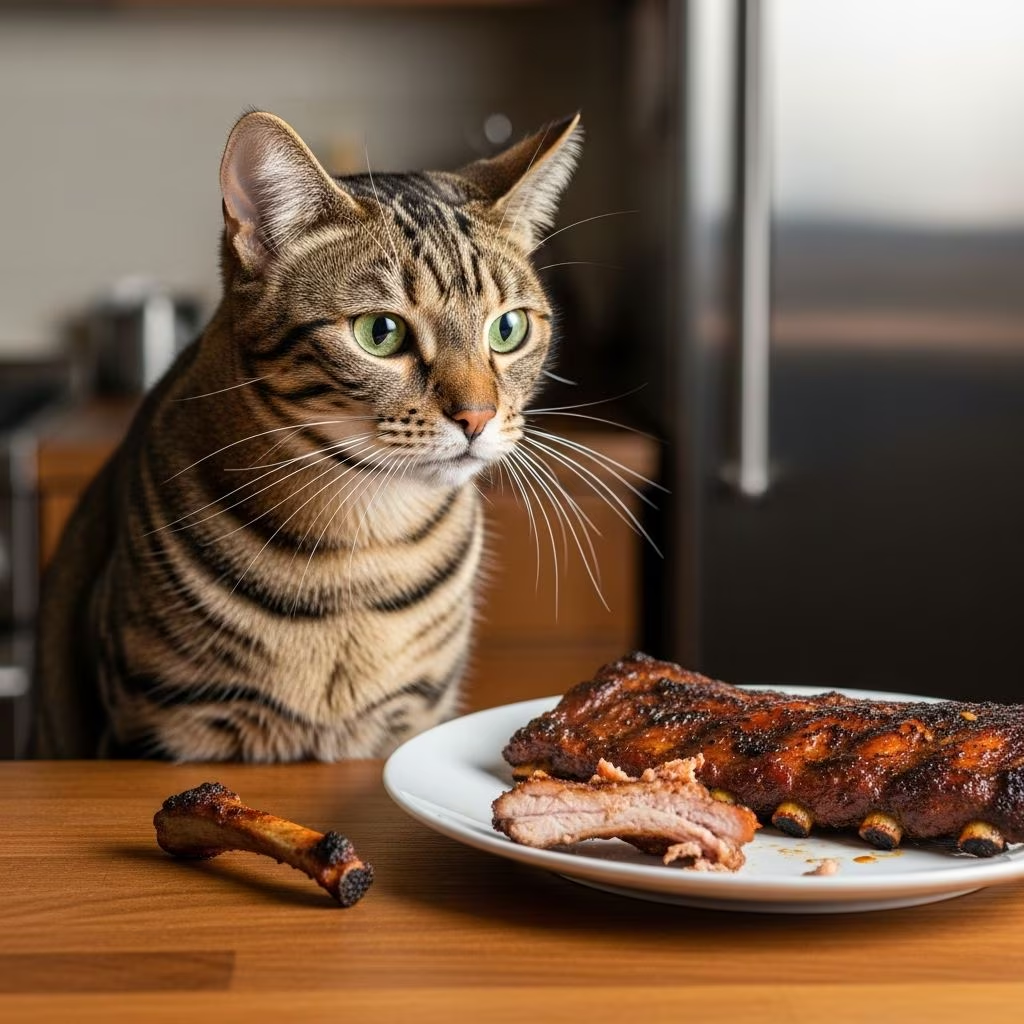
Cats are obligate carnivores with a strong craving for meat, but ribs pose significant risks due to bones, seasonings, and high fat content. While plain rib meat can be offered sparingly in small amounts, it’s generally not recommended as a regular treat to avoid health complications.
Quick Answer: Can Cats Eat Ribs?
No, cats should not eat ribs with bones or seasonings, as cooked bones can splinter causing choking or internal injuries, and additives like garlic or sauces are toxic. Plain, boneless rib meat may be given occasionally in tiny portions, but safer alternatives exist for feline nutrition.
Are Ribs Safe for Cats?
Ribs, whether pork, beef, or other types, are not safe for cats in their typical prepared form. Cats have sensitive digestive systems and shorter intestines optimized for high-protein, low-carb diets, making human-prepared ribs problematic.
- Cooked bones splinter easily: Heat makes bones brittle, leading to sharp fragments that can pierce the mouth, throat, or intestines.
- Seasonings and sauces: Common BBQ rubs contain onion, garlic, salt, and spices toxic to cats, potentially causing anemia, vomiting, or organ damage.
- High fat content: Fatty trimmings trigger pancreatitis, a serious inflammation of the pancreas marked by severe pain and lethargy.
- Raw ribs risks: Bacterial contamination like Salmonella or parasites such as Trichinella in pork can infect cats and spread to humans.
Even without these issues, ribs lack essential nutrients like taurine, vital for cat heart and eye health, making them nutritionally incomplete.
The Risks of Feeding Ribs to Cats
Feeding ribs can lead to immediate and long-term health problems. Understanding these dangers helps prevent accidents during mealtimes.
Bone-Related Dangers
Cooked rib bones are the primary hazard. Unlike raw bones, which some advocate for dental benefits, cooked ones become hazardous.
- Choking: Fragments lodge in the throat.
- Mouth and gum lacerations: Sharp edges cause bleeding and infections.
- Intestinal perforations: Splinters puncture the gut, leading to peritonitis—a life-threatening infection requiring surgery.
- Blockages: Larger pieces obstruct digestion, causing constipation or obstruction.
Toxic Seasonings
Many rib recipes include Allium family members (onions, garlic), toxic to cats as they damage red blood cells.
- Garlic powder: Even small amounts cause hemolytic anemia.
- Onion: Leads to gastrointestinal upset and weakness.
- Salt: Excessive sodium causes thirst, vomiting, and hypernatremia.
Pancreatitis from Fat
Ribs are marbled with fat, problematic for cats prone to obesity and pancreatitis.
- Symptoms: Vomiting, diarrhea, hunched posture, refusal to eat.
- Treatment: Hospitalization with fluids and pain management.
Bacterial and Parasitic Risks
Raw or undercooked ribs harbor pathogens.
| Risk Factor | Pathogen/Parasite | Effects on Cats |
|---|---|---|
| Raw Pork Ribs | Salmonella, E. coli, Trichinella | Diarrhea, fever, muscle pain, potential zoonotic spread |
| Raw Beef Ribs | Salmonella, Campylobacter | Gastroenteritis, dehydration |
| Undercooked | Bacteria from handling | Food poisoning symptoms |
Prevention is key: Supervise meals and secure trash.
Nutritional Breakdown of Ribs for Cats
Pork ribs offer protein (essential for obligate carnivores), calcium, iron, zinc, and B vitamins, supporting muscle, bone, and energy needs. However, drawbacks outweigh benefits.
- Pros: High-quality animal protein aids taurine intake indirectly.
- Cons: Excessive fat (up to 30% in some cuts), sodium (from brining), and zero fiber lead to imbalance.
Cats require 26-30% protein, 9-15% fat in diets; ribs exceed fat limits, risking obesity.
How to Safely Prepare Ribs for Cats (If You Must)
Only offer plain, boneless meat sparingly as an occasional treat—not exceeding 10% of calories.
- Remove all bones, cartilage, and fat trimmings meticulously.
- Cook plainly: Bake or boil without oils, salts, or spices—avoid grilling due to char toxins.
- Shred into tiny pieces to prevent gulping.
- Introduce gradually: Start with pea-sized amounts, monitor for 24-48 hours.
- Limit frequency: Once weekly max, for healthy adults only.
Puppies, seniors, or cats with health issues should avoid entirely. Consult a vet first.
Healthier Alternatives to Ribs for Cats
Opt for vet-approved proteins mimicking ribs’ appeal without risks.
| Alternative | Benefits | Preparation Tips |
|---|---|---|
| Plain Cooked Chicken Breast | Lean protein, taurine-rich, low-fat | Boil or bake boneless/skinless, shred |
| Turkey Meat | High protein, B vitamins, low calorie | Ground or diced, unseasoned |
| Commercial Cat Treats/Food | Balanced nutrition, AAFCO-approved | As labeled; choose meat-first formulas |
| Oily Fish (Sardines, Salmon) | Omega-3s for coat/skin, DHA for brain | Canned in water, deboned, occasional |
| Lean Beef | Iron, zinc for immunity | Trim fat, cook thoroughly |
Freeze-dried raw treats or puzzle feeders enhance engagement safely.
What to Do If Your Cat Eats Ribs
Act quickly if ingestion occurs.
- Monitor symptoms: Vomiting, diarrhea, lethargy, blood in stool, difficulty breathing.
- Don’t induce vomiting: Risks aspiration.
- Contact vet immediately: Provide details on amount, preparation, time elapsed.
- Home care if minor: Withhold food 12 hours, offer water, bland diet after.
Emergency signs warrant ER visit: pale gums, collapse, severe pain.
FAQs
Can cats eat cooked ribs?
No, cooked ribs are unsafe due to splintering bones and potential toxic seasonings that can cause choking, injuries, or poisoning.
Are raw ribs safe for cats?
Raw ribs risk bacterial infections like Salmonella and parasites; they’re not recommended without veterinary supervision and proper sourcing.
Can cats eat pork ribs?
Pork rib meat can be given sparingly if boneless, plain, and lean, but avoid due to high fat and raw pork hazards like Trichinella.
Is BBQ sauce okay for cats?
No, BBQ sauce contains garlic, onion, sugar, and salt toxic to cats, leading to anemia, obesity, and digestive upset.
What meats are best for cats?
Lean chicken, turkey, beef, and fish like salmon are ideal; always plain, cooked, and deboned for safety.
Conclusion
While tempting to share ribs, the risks far outweigh any appeal. Prioritize commercial cat food and safe treats for optimal health. Regular vet check-ups ensure your cat thrives on a tailored diet.
References
- Merck Veterinary Manual: Bones and Foreign Bodies in Cats — Merck & Co. 2024-01-15. https://www.merckvetmanual.com/cat-owners/disorders-affecting-multiple-body-systems-of-cats/bones-and-foreign-bodies-in-cats
- ASPCA: Toxic Foods for Cats — ASPCA. 2025-06-10. https://www.aspca.org/pet-care/animal-poison-control/people-foods-avoid-feeding-your-pets
- AAFP: Feline Nutrition Guidelines — American Association of Feline Practitioners. 2023-09-01. https://catvets.com/public/PDFs/PracticeGuidelines/NutritionGuidelines.pdf
- CDC: Salmonella and Cats — Centers for Disease Control. 2024-11-20. https://www.cdc.gov/healthypets/pets/cats.html
- Pet Poison Helpline: Pancreatitis in Cats — Pet Poison Helpline. 2025-03-05. https://www.petpoisonhelpline.com/pet-tips/pancreatitis-in-cats/



