

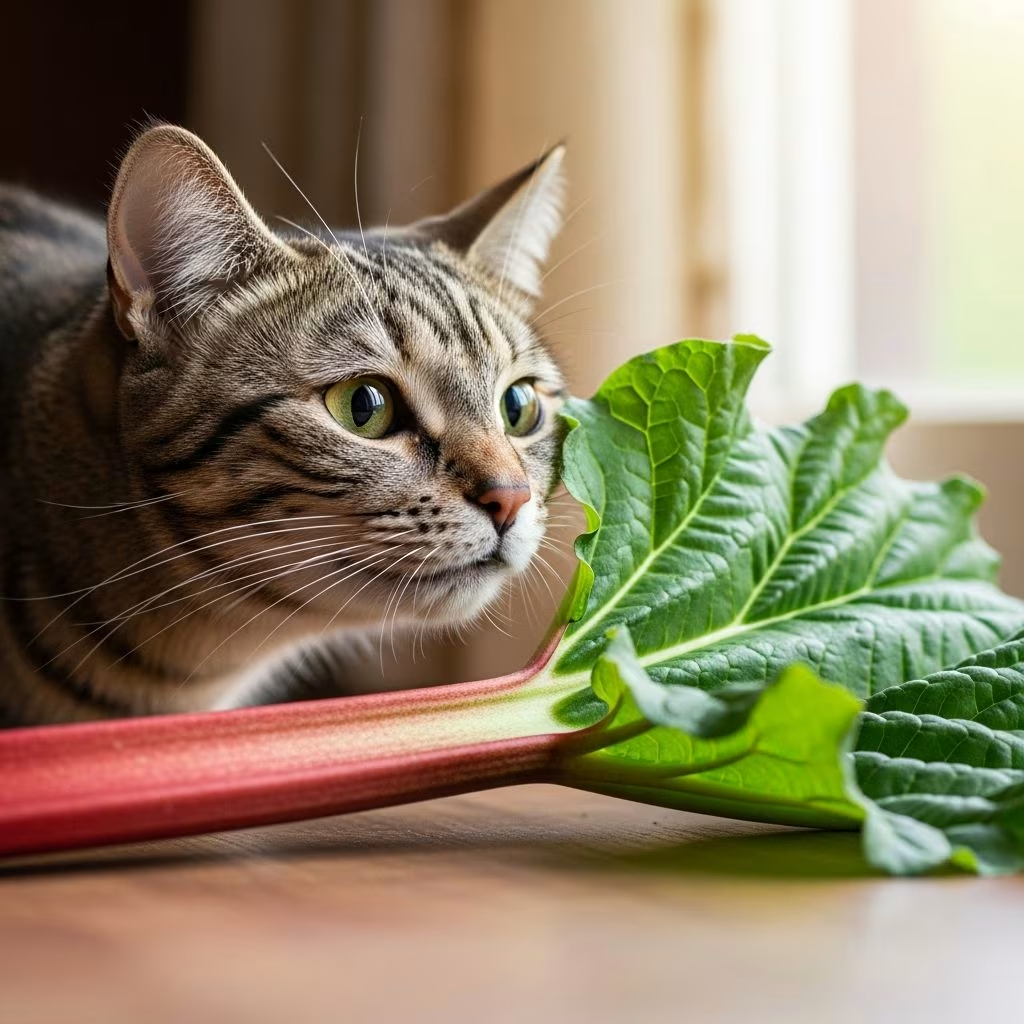
Rhubarb may be a popular ingredient in human desserts and jams, but it poses serious dangers to cats. Both the leaves and stalks contain high levels of soluble oxalates, making rhubarb toxic to felines, dogs, and horses. As obligate carnivores, cats lack the digestive enzymes to safely process most plant materials, and rhubarb’s compounds can lead to hypocalcemia (low blood calcium) and kidney damage.
Gardeners with cats must be cautious, as even a small nibble can cause harm. While rhubarb’s bitter taste deters most cats, accidental ingestion remains a risk, especially in homes with indoor plants or outdoor patches. This comprehensive guide covers why rhubarb is unsafe, potential symptoms, emergency steps, and nutritious alternatives to keep your cat healthy.
Can Cats Eat Rhubarb?
No, cats cannot safely eat rhubarb in any form—raw stalks, cooked preparations, or leaves. Rhubarb belongs to the Polygonaceae family and accumulates soluble oxalates, primarily in the leaves but also present in stalks. These oxalates bind to calcium in the bloodstream upon absorption, drastically lowering calcium levels and triggering hypocalcemia.
Humans avoid rhubarb leaves for the same reason, cooking only the stalks after processing to reduce oxalates. However, even processed stalks remain hazardous for cats due to their sensitive physiology. Cats’ short digestive tracts and carnivorous diet make them ill-equipped for oxalate-heavy plants, unlike herbivores.
Insoluble calcium oxalate crystals in some plants cause oral irritation, but rhubarb’s soluble form poses systemic threats like renal nephrosis or failure. Veterinary toxicology confirms rhubarb as a high-risk plant for pets, with cats particularly vulnerable due to grooming habits that increase ingestion. The Merck Veterinary Manual notes that oxalate plants can lead to edema, hypersalivation, and renal issues in cats.
Most cats reject rhubarb’s tart, bitter profile, reducing voluntary consumption. Still, curious kittens or stressed adults might investigate garden plants. Prevention is key: remove rhubarb from cat-accessible areas and supervise outdoor time.
What Can Happen If My Cat Eats Rhubarb?
Ingestion of rhubarb triggers a cascade of symptoms from mild gastrointestinal upset to life-threatening complications. Soluble oxalates rapidly absorb, chelating calcium and causing hypocalcemia within hours. Severe cases progress to kidney damage as oxalates precipitate in renal tubules.
Immediate effects include mouth and throat irritation from crystals, leading to drooling and pawing at the face. Gastrointestinal signs follow: vomiting, diarrhea, and abdominal pain. Neurological symptoms from low calcium manifest as tremors, stiffness, weakness, hypersensitivity, muscle twitching, spasms, restlessness, and seizures.
- Mild symptoms (small stalk ingestion): Vomiting, diarrhea, oral/throat irritation, hypersalivation.
- Severe symptoms (leaf or larger amounts): Hypocalcemia signs like tremors, seizures, weakness; kidney issues including nephrosis, elevated creatinine/BUN, oliguria.
- Critical outcomes: Renal failure, coma, death if untreated.
Symptom onset varies: 30 minutes to 6 hours for GI effects, longer for renal signs. The Merck Veterinary Manual details that cats ingesting oxalate plants show immediate pain, lethargy, anorexia, and potential renal failure 2–4 days later. WhiskerDocs reports drooling, lethargy, bloody urine, and thirst changes from hypocalcemia.
Factors influencing severity include amount eaten, plant part (leaves worst), cat’s size/health, and timeliness of intervention. Kittens and seniors face higher risks due to immature or compromised systems.
How Should I React If My Cat Eats Rhubarb?
Act swiftly if you suspect rhubarb ingestion—do not wait for symptoms. Contact your veterinarian or a pet poison hotline (e.g., ASPCA Animal Poison Control) immediately, providing details on amount, plant part, time elapsed, and your cat’s weight.
Do NOT induce vomiting at home without vet guidance, as it risks aspiration or further irritation. Vets may recommend:
- Activated charcoal to bind toxins.
- IV fluids for hydration and renal support.
- Calcium supplementation for hypocalcemia.
- Anti-emetics, pain relief, and monitoring (bloodwork for kidney values).
For minor exposures, home monitoring with vet consultation suffices: ensure hydration, withhold food briefly, watch for worsening. Leaf ingestion demands urgent care due to concentrated oxalates. Baseline tests (CBC, chemistry, urinalysis) track progression; repeat every 24 hours initially.
Prognosis is good with early treatment—most cats recover fully. Delayed care raises renal failure odds. Prevention trumps reaction: secure gardens, use plant-safe deterrents like citrus sprays.
Are There Any Safe Amounts of Rhubarb for Cats?
No safe amount exists. Even tiny quantities risk oxalate absorption, with effects dose-dependent but unpredictable in cats. A nibble might cause mild upset, but leaves equate to poison.
Veterinary consensus advises zero tolerance, as cats metabolize oxalates poorly. Unlike humans who dilute oxalates via cooking/sugar, cats gain no benefit and face amplified harm.
What Vegetables Can Cats Eat?
Cats thrive on meat-based diets, but small amounts of certain vegetables add fiber, hydration, and nutrients as treats (under 10% of calories). Always introduce gradually, plain, and cooked if fibrous. Consult your vet for tailored advice.
| Vegetable | Safe? | Benefits | Preparation & Portion |
|---|---|---|---|
| Cooked Carrots | Yes | Vitamin A, fiber | Steamed, mashed; 1-2 tsp small cat |
| Green Beans | Yes | Low-cal filler, vitamins | Plain boiled; small handful |
| Peas | Yes | Protein, fiber | Fresh/frozen, no shells; few peas |
| Pumpkin | Yes | Digestion aid, hydration | Canned plain; 1 tsp |
| Cucumber | Yes | Hydration, low-cal | Sliced skinless; small pieces |
| Zucchini | Yes | Vitamins, low-cal | Steamed; tiny portions |
Avoid onions, garlic, chives (toxic), raw potatoes, and high-oxalate veggies like spinach/beets. These cat-safe options support weight management and gut health without risks.
Conclusion
Rhubarb’s allure for humans doesn’t extend to cats—its oxalates make it a veterinary no-go. Prioritize prevention, recognize symptoms promptly, and seek professional help. Opt for safe veggies to enrich your cat’s diet safely. A rhubarb-free environment ensures your feline companion stays vibrant and healthy.
Frequently Asked Questions
What if my cat ate a little bit of rhubarb stalk?
Monitor for vomiting/diarrhea; contact vet for advice. Mild cases often resolve, but bloodwork checks kidneys.
Are rhubarb leaves or stalks more toxic to cats?
Leaves have higher oxalate concentration, making them far more dangerous. Both are unsafe.
How quickly do rhubarb poisoning symptoms appear in cats?
GI signs in 30 min-6 hours; severe hypocalcemia/kidney issues in hours to days.
Can I give my cat rhubarb pie or cooked rhubarb?
No—cooking doesn’t neutralize oxalates for cats; sugar/fats add GI upset.
What are the best safe treats for cats instead of veggies?
Commercial cat treats, plain cooked meat (chicken/turkey), or vet-approved veggies like pumpkin.
References
- Can Cats Eat Rhubarb? Vet-Reviewed Risks & Alternatives — Catster. 2023-05-15. https://www.catster.com/nutrition/can-cats-eat-rhubarb/
- Houseplants and Ornamentals Toxic to Animals — Merck Veterinary Manual. 2024-01-10. https://www.merckvetmanual.com/toxicology/poisonous-plants/houseplants-and-ornamentals-toxic-to-animals
- Rhubarb – Toxins — whiskerDocs. 2023-08-20. https://www.whiskerdocs.com/toxins/rhubarb
- Poisonous Plants — International Cat Care. 2024-02-05. https://icatcare.org/articles/poisonous-plants
- Cat Poisoning Awareness: What’s Poisonous to Cats — EveryPaw. 2023-11-12. https://www.everypaw.com/all-things-pet/cat-poisoning-awareness-whats-poisonous-to-cats



