

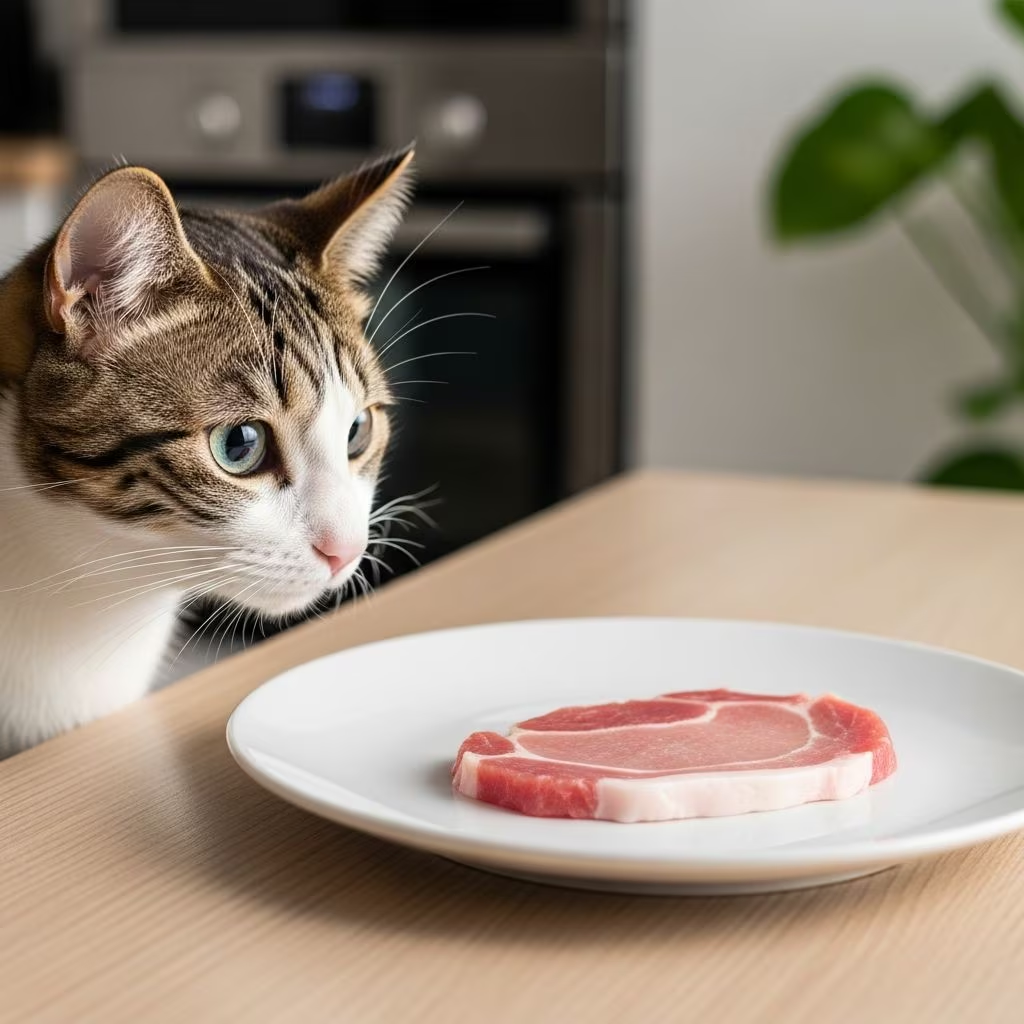
Cats, as obligate carnivores, require high-quality animal proteins in their diet, but not all meats are safe. Raw pork poses significant health risks due to potential bacterial contamination and parasites, making it unsuitable for feline consumption. Veterinary experts strongly recommend avoiding raw pork entirely, opting instead for thoroughly cooked plain pork in very small amounts as an occasional treat.
The Short Answer
No, cats should never eat raw pork. It can harbor dangerous pathogens like Salmonella, E. coli, Listeria, and parasites such as Trichinella spiralis, leading to severe illness including trichinosis, digestive upset, and even life-threatening conditions. Always cook pork thoroughly and serve plain, unseasoned portions sparingly to minimize risks.
Why Can’t Cats Eat Raw Pork? Key Risks Explained
Raw pork is particularly hazardous for cats due to its vulnerability to contamination during processing and handling. Cats’ acidic stomachs offer some protection against bacteria, but this is insufficient against the high pathogen loads often found in raw meats. Studies indicate that up to 25% of commercial raw pet foods test positive for Salmonella or Listeria, underscoring the dangers even in regulated products.
- Bacterial Infections: Pathogens like Salmonella, E. coli, and Listeria can cause vomiting, diarrhea, fever, and lethargy in cats. Kittens, seniors, and immunocompromised felines are at highest risk.
- Parasitic Threats: Unfrozen raw pork often carries Trichinella spiralis, leading to trichinosis. Symptoms include muscle pain, inflammation, digestive issues, and fever, which can be fatal if untreated.
- Cross-Contamination: Handling raw pork spreads bacteria to counters, utensils, and your cat’s fur. Self-grooming then ingests these pathogens, posing risks to humans, especially vulnerable household members.
The American Veterinary Medical Association (AVMA) explicitly discourages raw or undercooked animal proteins for cats due to these health implications for both pets and people.
Nutritional Profile of Pork for Cats
Pork provides high-quality protein, essential amino acids like taurine (though in lower amounts than needed daily), B vitamins (B12, niacin), zinc, and iron—nutrients vital for cats’ muscle maintenance, immune function, and energy metabolism. However, its high fat content (up to 20-30% in some cuts) makes it unsuitable as a staple, risking obesity, pancreatitis, and organ strain on liver and kidneys.
| Nutrient | Benefit for Cats | Potential Drawback |
|---|---|---|
| Protein | Supports muscle repair and growth | Excess can strain kidneys in older cats |
| Fat | Energy source | High levels lead to obesity, diabetes |
| Vitamin B12 & Niacin | Aids nerve function, metabolism | Insufficient without balanced diet |
| Zinc | Boosts immunity, skin health | Overload from processed pork harmful |
While pork can benefit cats with sensitivities to chicken or beef—being more digestible and less allergenic—it must be prepared safely.
Can Cats Eat Cooked Pork?
Yes, plain cooked pork is safer than raw and can be offered occasionally. Thorough cooking (internal temperature of 160°F/71°C) kills bacteria and parasites. Trim excess fat, remove bones, and avoid seasonings like garlic, onion, salt, or spices, which are toxic or irritating to cats.
- Portion Control: Limit to 10% of daily calories; e.g., 1-2 teaspoons for a 10-lb cat, 1-2 times weekly max.
- Best Cuts: Lean tenderloin or loin chops, boiled or baked plain.
- Avoid: Fatty ribs, bacon, ham, sausages—high sodium causes thirst, dehydration, salt poisoning; preservatives linked to cancer risks.
Commercial raw diets like high-pressure processed pork nuggets may reduce risks but still carry caveats; consult a vet.
Dangers of Pork Bones, Rinds, and Processed Products
Pork bones, whether raw or cooked, splinter easily, causing choking, mouth injuries, blockages, or perforations. Pork rinds and scratchings are fat- and salt-laden snacks leading to obesity, hypertension, and GI upset.
- Bacon & Ham: Cured with nitrates/nitrites; high salt risks hypernatremia (seizures, coma).
- Sausages: Contain onions/garlic (toxic, cause anemia) and spices upsetting digestion.
- Pork Scratchings: Dehydrating, fattening; no nutritional value.
Health Consequences of Improper Pork Feeding
Short-term: Vomiting, diarrhea, lethargy from bacteria or fat. Long-term: Obesity (increasing diabetes, arthritis, heart disease), pancreatitis from fats, nutrient imbalances if displacing balanced kibble/wet food.
If your cat consumes unsafe pork, monitor for symptoms and contact a vet or ASPCA Poison Control (888-426-4435). Prompt intervention prevents escalation.
Safe Alternatives to Pork for Cats
Prioritize AAFCO-approved complete cat foods. For treats:
- Commercial cat treats (freeze-dried chicken, fish).
- High-quality canned meats (plain turkey, rabbit).
- DIY: Boiled chicken breast, scrambled egg whites (no yolk excess).
- Raw alternatives: Only vet-formulated, frozen/thawed diets tested for pathogens.
For sensitive stomachs, pork-inclusive limited-ingredient foods may help, but raw-free.
Veterinary and Expert Recommendations
Vets like Kathryn Dench emphasize raw meat’s risks outweigh benefits; opt for cooked or commercial moist foods mimicking raw nutrition safely. AVMA and NIH studies highlight antimicrobial resistance spread from raw-fed pets.
Frequently Asked Questions (FAQs)
Can cats eat pork scratchings?
No. High fat, salt, and additives cause obesity, dehydration, and digestive issues. Choose cat-specific treats instead.
Is pork OK for cats?
Plain, cooked pork in moderation yes; provides protein but high fat limits frequency. Avoid processed varieties.
Can cats eat pork sausage?
No. Loaded with salt, fat, garlic/onion (toxic), risking anemia and poisoning.
Is pork bad for cats?
Not inherently, if plain/cooked sparingly. Excess or processed forms harmful due to fat/sodium.
Can cats have pork bones?
No. Choking hazard, splintering causes blockages/injuries.
Do cats eat pork in the wild?
Wild cats prey on small mammals, not often pigs; domestics don’t need pork replication.
Conclusion: Prioritize Safety in Feline Nutrition
While pork offers nutritional perks, raw is a strict no-go due to grave risks. Cooked, plain, minimal portions as treats complement—not replace—a balanced commercial diet. Consult your vet for personalized advice, especially for health-challenged cats. Healthy feeding ensures your cat thrives.
References
- Can Cats Eat Pork? | Is It Safe for Your Feline Friend? — Feline Fancy. 2023. https://felinefancy.co.uk/blogs/cat-care-tips/can-cats-eat-pork
- Should You Feed Your Cat Raw Meat? It’s Better Not to. — GoodRx. 2024-10-15. https://www.goodrx.com/pet-health/cat/can-cats-eat-raw-meat
- Can Cats Eat Pork? — Chewy. 2025. https://www.chewy.com/education/cat/food-and-nutrition/can-cats-eat-pork
- Benefits of Pork in Your Cat’s Diet | Veterinarian Recommendations — Vital Essentials. 2024. https://www.vitalessentials.com/raw-guide/the-surprising-benefits-of-pork-in-your-cat-s-diet-why-veterinarians-recommend-including-pork-in-your-cat-s-meal-plan
- Do Cats Eat Raw Meat? The Basics of Raw Cat Food — Noble Vet Clinic. 2024-08-20. https://noblevetclinic.com/blog/do-cats-eat-raw-meat-the-basics-of-raw-cat-food
- Raw or Undercooked Animal-Source Protein Cat and Dog Diets — American Veterinary Medical Association (AVMA). 2023-07-01. https://www.avma.org/resources-tools/avma-policies/raw-or-undercooked-animal-source-protein-cat-and-dog-diets
- Current Evidence on Raw Meat Diets in Pets — PubMed Central / NIH. 2024. https://pmc.ncbi.nlm.nih.gov/articles/PMC11816250/



