

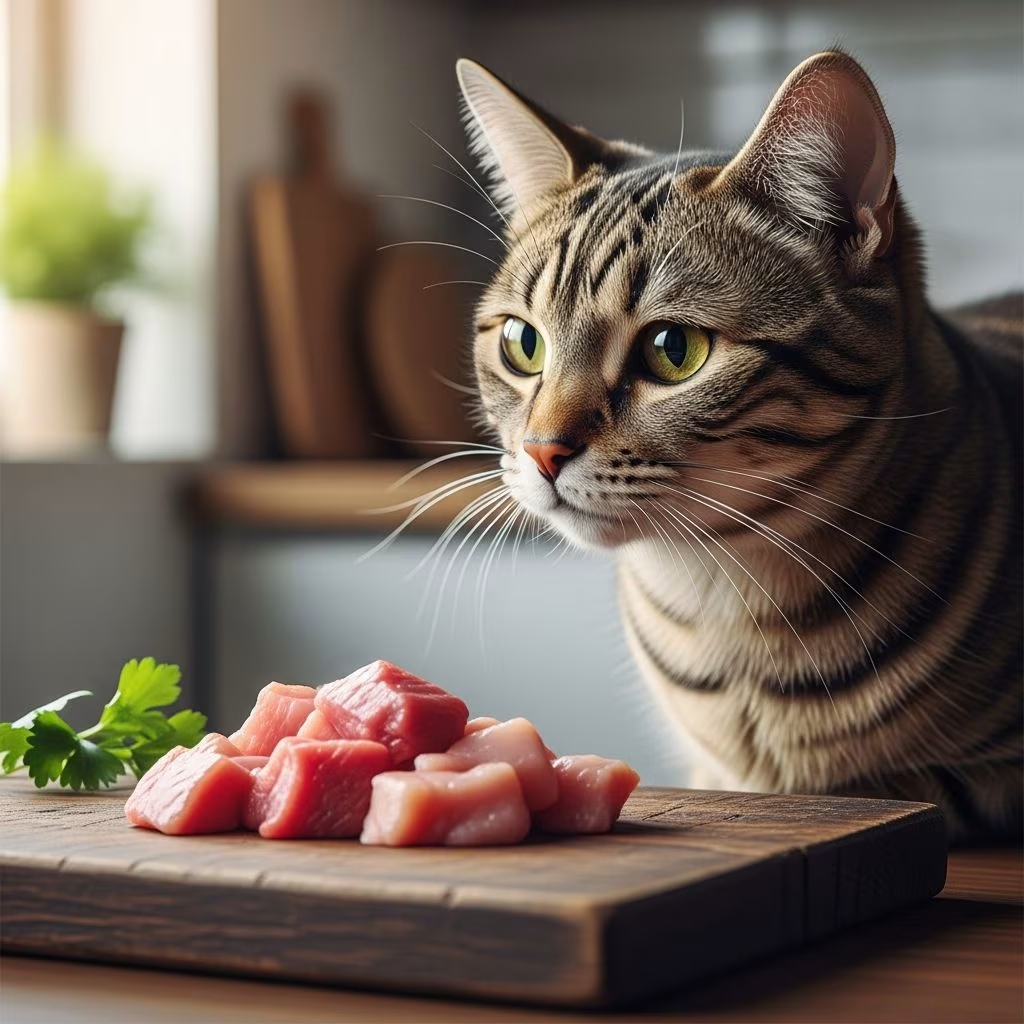
Cats are obligate carnivores, evolved to thrive on meat-based diets, leading many owners to wonder if raw meat mirrors their natural ancestral meals. While raw feeding has gained popularity for its perceived naturalness, veterinary experts caution against significant health risks including bacterial contamination, nutritional imbalances, and zoonotic diseases that threaten both cats and households. This comprehensive guide examines the safety, benefits, drawbacks, and alternatives to raw meat diets for cats.
Why Are Cats Interested in Raw Meat?
Cats exhibit strong instincts toward raw meat due to their biology as obligate carnivores, meaning their survival depends on animal-derived nutrients like high-quality protein, taurine, and arachidonic acid not found in plant foods. In the wild, felines consume prey whole—including muscle meat, organs, bones, and fur—providing a complete nutrient profile. Domestic cats retain short digestive tracts optimized for raw protein digestion, with stomach acids and enzymes that efficiently break down uncooked meat without the bloating often seen in processed kibble-fed cats.
Owners report benefits like shinier coats, better hydration from high moisture content (raw meat is 70-80% water), smaller firmer stools indicating superior nutrient absorption, and increased energy levels in raw-fed cats. However, these anecdotal gains must be balanced against documented risks from authoritative sources like the FDA, CDC, and veterinary associations.
Potential Benefits of Raw Meat for Cats
- High Bioavailability: Raw meat preserves heat-sensitive nutrients like enzymes, vitamins (e.g., B vitamins, taurine), and fatty acids that cooking can degrade, allowing better absorption for muscle maintenance, heart health, and vision.
- Improved Digestion: Cats’ pH-low stomachs (1.5-2.5) neutralize many pathogens, and raw diets promote gut health without fillers like grains that can cause allergies or obesity.
- Weight Management: Lean raw meats help prevent obesity, a common issue in 60% of domestic cats, by mimicking satiating wild prey.
- Dental Health: Chewing raw bones or meat scraps can reduce tartar buildup, though this requires appropriately sized, supervised pieces to avoid injury.
Proponents argue raw diets align with evolutionary needs, potentially reducing chronic issues like diabetes or urinary tract disease linked to dry foods. Yet, peer-reviewed observations note healthy body conditions in many raw-fed pets, but emphasize formulation is key to avoid deficiencies.
Risks and Dangers of Feeding Cats Raw Meat
Despite appeal, raw meat poses serious threats substantiated by veterinary consensus. The CDC, FDA, and CVMA unanimously warn of dangers to cats, other pets, and humans.
Bacterial Contamination
Raw meat frequently harbors pathogens: studies detect Salmonella or Listeria in 25% of commercial raw cat foods. E. coli, Campylobacter, and others cause vomiting, diarrhea, fever, and lethargy in cats, with healthy felines sometimes asymptomatic carriers shedding bacteria via feces. Veterinarian Kathryn Dench highlights these as the primary risk.
Parasites and Toxoplasmosis
Parasites like Toxoplasma gondii survive in raw meat, causing toxoplasmosis—life-threatening for immunocompromised humans or pregnant women via cross-contamination. Freezing reduces but does not eliminate risks.
Nutritional Imbalances
Muscle meat alone lacks calcium, vitamins A/D/E, and iodine; without organs (liver, heart) and bones, cats risk dilated cardiomyopathy from taurine deficiency, bone fragility, or hyperthyroidism. Pet nutritionist David D’Angelo stresses balanced formulation.
Bone Hazards
Raw bones provide minerals but splinter risks include mouth injuries, choking, or intestinal blockages/perforations. Cooked bones are worse, becoming brittle.
Human Health Risks (Zoonoses)
Cross-contamination spreads bacteria to surfaces, utensils, and via cat grooming; high-risk households (infants, elderly, immunocompromised) face severe illness. FDA deems raw pet foods dangerous for people.
Safe Ways to Feed Raw Meat to Cats (If You Choose To)
Veterinarians advise against homemade raw diets but if pursued, prioritize safety.
- Source Quality: Use human-grade, USDA-inspected meat; freeze at -4°F (-20°C) for 3+ days to kill parasites.
- Balance PMR Model: 80% muscle meat, 10% bone, 10% organs (5% liver, 5% other); supplement as needed.
- Commercial Formulas: Choose AAFCO-tested raw foods meeting complete/balanced standards, tested for pathogens.
- Hygiene: Use pet-only surfaces/utensils; thaw in fridge; discard leftovers promptly.
- Transition Gradually: Mix 25% raw with current food over 7-10 days; monitor stool, weight, energy.
- Vet Oversight: Regular bloodwork checks taurine, kidney function.
Supervise bone-chewing; appropriate sizes: chicken wing tips, ground bone in patties.
What Types of Raw Meat Can Cats Eat?
| Meat Type | Safe? | Notes/Benefits | Risks |
|---|---|---|---|
| Chicken | Yes, lean cuts | High protein, taurine, Omega-6 for skin/coat; easy digest | Common Salmonella source |
| Beef/Steak | Yes, moderation, trim fat | Protein for heart/eyes; zinc, B12 | Obesity if fatty; parasites |
| Turkey | Yes | Lean protein, selenium | Similar bacterial risks |
| Fish | Limited/No raw | Omega-3s (cooked/safe sources) | Thiaminase destroys B1; mercury, bacteria |
| Pork | Avoid | – | High parasite risk (Trichinella) |
| Sausage/Seasoned | No | – | Fat, salt, garlic toxic |
Rabbit, duck, quail offer variety; always fresh, unseasoned.
Alternatives to Raw Meat Diets
- High-Quality Wet/Canned Food: Moisture mimics raw (78-82%), complete nutrition without risks; prefer meat-first recipes.
- Freeze-Dried Raw: Pathogen-killed via HPP (high-pressure processing), rehydrate for raw-like benefits.
- Fresh Refrigerated (Gentle Cook): Lightly cooked for safety, retains nutrients.
- Kibble Toppers: Raw-frozen nuggets as 10% treats atop balanced base.
Purina and VCA endorse commercial complete diets over raw.
Frequently Asked Questions
Is raw meat safe for kittens or senior cats?
No, heightened risks; immature immune systems in kittens or weakened in seniors increase illness severity. Consult vets.
Can raw diets cause kidney disease?
Imbalanced high-protein without hydration monitoring can strain kidneys; balanced raw with water access is safer, but evidence mixed.
How do I know if my raw diet is balanced?
Test via labs (e.g., taurine levels); use vet nutritionists or commercial guarantees.
What if my cat loves cooked meat—can I mix?
Yes, but prioritize balance; raw bones never cooked.
Is commercial raw food safer?
Safer than homemade if pathogen-tested, but still 25% contamination rate.
For cat health, evidence favors vet-approved complete commercial foods minimizing risks while delivering ancestral nutrition benefits. Always prioritize safety.
References
- Should You Feed Your Cat Raw Meat? It’s Better Not to. — GoodRx. 2023. https://www.goodrx.com/pet-health/cat/can-cats-eat-raw-meat
- Can Cats Eat Raw Meat? Raw Feeding Diet For Cats. — Bella+Duke. 2023. https://www.bellaandduke.com/cats/expert-advice/cat-nutrition/can-cats-eat-raw-meat/
- Avoiding Raw Food in Cats. — VCA Animal Hospitals. 2023. https://vcahospitals.com/know-your-pet/avoiding-raw-food-in-cats
- Can Cats Eat Raw Meat? Read Before You Feed. — Purina Arabia. 2023. https://www.purina-arabia.com/en-gb/care-and-advice/cat/feeding-and-nutrition/raw-food-diets
- Raw Meat Diets for Cats and Dogs. — Today’s Veterinary Nurse. 2023. https://todaysveterinarynurse.com/nutrition/raw-meat-diets-for-cats-and-dogs/



