

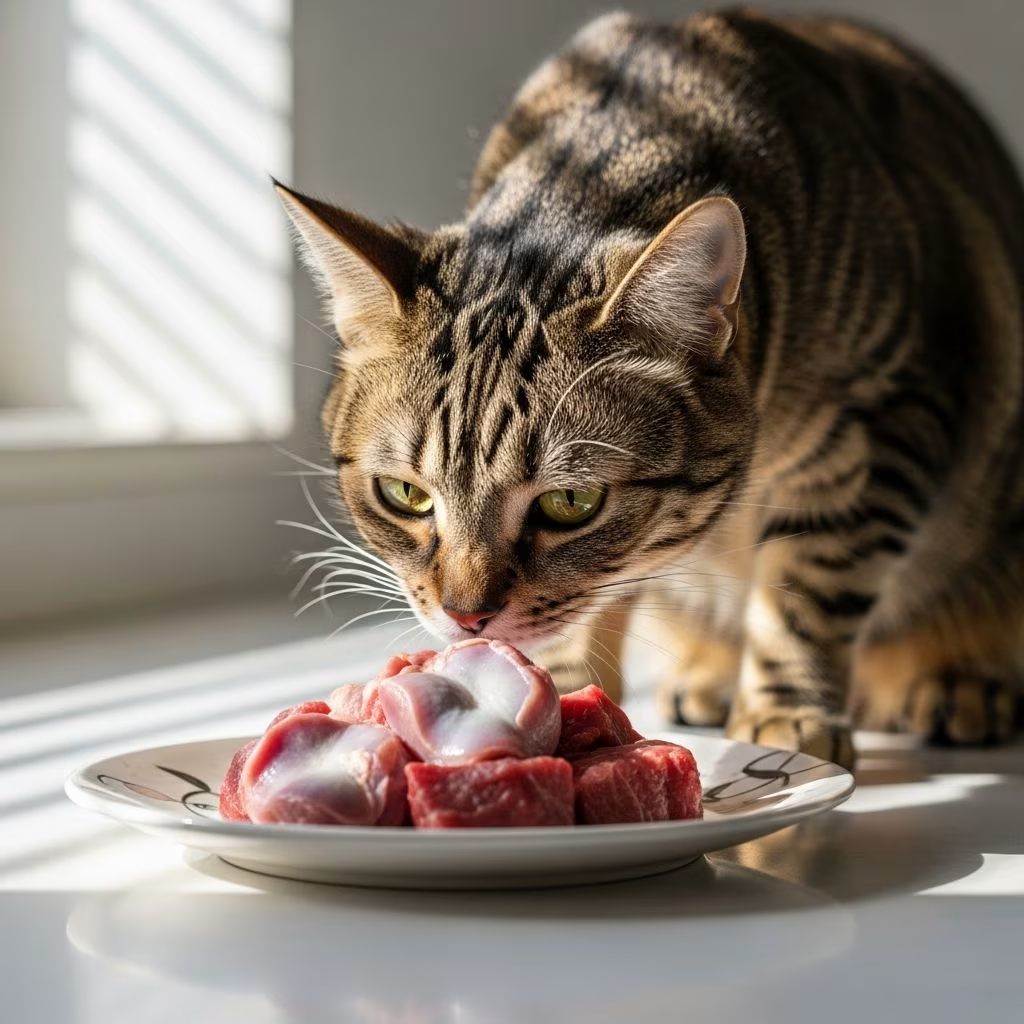
Can Cats Eat Raw Meat? A Complete Guide to Raw Feline Diets
The question of whether cats can eat raw meat has become increasingly popular among pet owners seeking more natural feeding options for their feline companions. While cats are obligate carnivores with hunting instincts that align with consuming raw meat, the reality of providing a raw diet is more nuanced. Yes, cats can technically eat raw meat, but doing so safely requires careful consideration of multiple factors, including proper handling, nutritional balance, and understanding the associated health risks.
Understanding Cats as Natural Carnivores
Cats are obligate carnivores, meaning their bodies are biologically designed to thrive on meat-based diets. In their natural state, wild cats hunt and consume raw prey, including muscle tissue, organs, and bones. This evolutionary background has led many pet owners to believe that feeding raw meat mirrors a cat’s natural diet and may provide superior health benefits compared to commercially processed cat foods. The concept makes intuitive sense: raw diets are biologically appropriate and contain fewer processed ingredients and artificial additives found in conventional cat food.
Potential Benefits of Raw Meat Diets for Cats
Proponents of raw feeding for cats point to several potential advantages that align with feline nutritional needs:
- Improved Digestion: Cats fed raw diets often experience smaller, firmer, and less smelly stools because raw meat is highly digestible and lacks unnecessary fillers found in commercial pet foods.
- Healthier Skin and Coat: Raw diets naturally contain omega-3 and omega-6 fatty acids, particularly when including raw chicken, turkey, or oily fish, improving skin health and coat quality while preventing serious skin issues.
- Cleaner Teeth and Better Oral Health: Chewing and tearing through raw meat and meaty bones acts as natural toothbrushes, helping to scrape off plaque and exercise a cat’s jaws.
- Stronger Bones and Joints: Raw cat food, especially bones, provides essential amounts of calcium and phosphorus, minerals that support bone health and skeletal development.
- Increased Energy: High-protein raw diets without fillers can improve your cat’s energy levels, resulting in more playful and active behavior.
- Lean Muscle Mass: High-quality animal protein builds lean muscle, while the absence of processed carbohydrates reduces fat gain.
- Better Hydration: Raw meat contains approximately 70-75% moisture, similar to a cat’s natural prey, supporting kidney function and urinary tract health.
Critical Safety Concerns with Raw Meat Diets
Despite potential benefits, major veterinary organizations have raised serious concerns about raw feeding. The CDC, FDA, CVM, American Veterinary Medical Association (AVMA), and Canadian Veterinary Medical Association (CVMA) all warn that feeding raw food to cats poses significant dangers to pets, other household animals, and human family members.
Bacterial Contamination
Raw meat can harbor harmful bacteria including Salmonella, E. coli, and Listeria monocytogenes. A study examining commercially available raw pet foods found that nearly 25% of samples tested positive for disease-causing bacteria. While cats have highly acidic stomachs that can help destroy some pathogens, the risk remains substantial, particularly for kittens, senior cats, and those with compromised immune systems. Bacterial infections can result in severe digestive issues including chronic vomiting, diarrhea, and abdominal pain. Apparently healthy cats can develop subclinical infections and unknowingly transmit these pathogens to other animals and humans in the household.
Parasitic Infections
Certain raw meats carry specific parasitic risks. Raw pork may contain Trichinella spiralis, a parasite that causes trichinosis, a potentially fatal disease in cats. Raw fish can contain thiaminase, a compound that destroys vitamin B1 (thiamine), an essential vitamin for proper neurological function.
Nutritional Imbalances
While raw meat provides excellent protein sources, consuming meat exclusively leads to nutritional deficiencies. Cats require a varied diet with proper mineral ratios, vitamins, and other essential nutrients for growth and development. Improperly balanced raw diets can cause long-term health issues and developmental problems. Without professional formulation, raw feeding may not meet all of a cat’s complex nutritional requirements.
Bone Hazards
Although raw bones help clean teeth and provide natural calcium, they present serious risks. Bones can fracture teeth, puncture gums, or cause choking. When bones become lodged in the gastrointestinal tract, they can damage the intestinal lining, lead to blockages requiring surgical intervention, or cause sepsis—a life-threatening condition. These risks are especially pronounced when bones are too large or too hard for your cat to handle safely.
Cross-Contamination Risks
Improperly prepared raw food at home poses cross-contamination risks. Bacteria from raw meat can spread throughout your kitchen via chopping boards, knives, and countertops, endangering all household members. People handling contaminated raw pet foods have an increased risk of becoming sick, particularly vulnerable individuals including young children, elderly family members, pregnant women, and immunocompromised individuals.
Health Risks: Can Raw Meat Make Cats Sick?
Yes, raw meat can make cats sick through multiple pathways. Bacterial contamination from species like Salmonella, E. coli, and Listeria can cause serious illness. Bones accompanying raw meat pose choking hazards and can create intestinal blockages. Additionally, improperly sourced or handled raw meat may contain parasites and pathogens that cause acute or chronic illness in cats.
Comparison of Raw Meat Types and Their Risks
| Meat Type | Specific Risk | Health Impact |
|---|---|---|
| Raw Pork | Trichinella spiralis parasite | Trichinosis—potentially fatal disease |
| Raw Fish | Thiaminase compound | Destroys vitamin B1, causing neurological problems |
| Processed Meats | Toxic seasonings and preservatives | Kidney damage and poisoning |
| Raw Turkey | Bacterial contamination | Foodborne illness and infection |
Veterinary Organizations’ Position on Raw Feeding
Leading veterinary authorities have issued clear guidance against raw feeding. The AVMA discourages feeding any raw or undercooked animal-sourced protein to dogs and cats due to health risks. The CVMA states that compelling evidence demonstrates health risks to both pets and humans from raw meat-based pet food products, concluding that scientific evidence of animal and human health risks outweighs any purported benefits. The FDA and CDC have similar positions, emphasizing the public health concerns associated with raw pet food diets.
Raw versus Freeze-Dried Raw Cat Food
Pet owners interested in raw feeding have alternatives to consider. Fresh raw meat offers high moisture content and natural textures but requires careful refrigeration or freezing and carries higher bacterial contamination risks. Freeze-dried raw food provides shelf stability, convenience, and reduced bacterial risk while requiring rehydration before feeding. Though both aim to provide biologically appropriate nutrition, freeze-dried options present lower safety concerns than fresh raw meat.
Safe Handling if You Choose Raw Feeding
If you decide to feed your cat raw meat despite veterinary warnings, proper handling is essential:
- Purchase meat from reputable sources with proper safety certifications
- Handle raw meat using dedicated utensils and cutting boards separate from human food preparation
- Maintain proper refrigeration and freezing temperatures
- Store raw food separately from other household items
- Wash hands thoroughly after handling raw meat
- Clean and sanitize all surfaces and equipment that contact raw meat
- Consult with a veterinary nutritionist to ensure dietary balance
Recommended Alternatives to Raw Meat
Veterinarians recommend high-quality commercial cat foods formulated to meet all nutritional requirements. Look for foods with named meat proteins, appropriate fat content, and balanced mineral ratios. If seeking more natural options, consider cooked meat diets prepared under veterinary guidance, high-protein commercial foods with minimal fillers, or prescription diets designed for specific health conditions. These alternatives provide nutritional completeness while eliminating bacterial and parasitic risks associated with raw feeding.
Frequently Asked Questions
Q: Is it safe to feed my cat raw chicken?
A: Raw chicken carries significant risks of bacterial contamination, including Salmonella and Campylobacter. While cats have acidic stomachs that help fight pathogens, kittens, seniors, and immunocompromised cats remain at high risk. Veterinary organizations discourage raw chicken feeding.
Q: Can cats get sick from raw meat?
A: Yes, cats can develop serious illness from raw meat through bacterial infections, parasitic infestations, and gastrointestinal blockages from bones. Even apparently healthy cats can carry pathogens asymptomatically and transmit them to other animals and humans.
Q: What should I do if my cat accidentally ate raw meat?
A: Monitor your cat closely for signs of illness including vomiting, diarrhea, lethargy, or abdominal pain. Contact your veterinarian if symptoms develop. Most cats tolerate occasional raw meat exposure due to their stomach acid, but professional evaluation ensures your cat’s safety.
Q: Is commercially available raw cat food safer than home-prepared raw?
A: Commercially available raw cat food undergoes some safety protocols, but studies show nearly 25% of samples tested positive for harmful bacteria. Home-prepared raw food lacks these controls entirely, making it generally less safe. Both carry risks that veterinarians warn against.
Q: Can I safely include bones in my cat’s raw diet?
A: Raw bones present serious hazards including choking, tooth fractures, gum punctures, and intestinal blockages requiring surgery. The risk of internal perforation and sepsis makes raw bones dangerous for cats, even those accustomed to raw feeding.
Q: What are the best alternatives to raw feeding?
A: High-quality commercial cat foods formulated by veterinary nutritionists provide complete nutrition without safety risks. Premium brands with named meat proteins, appropriate fat content, and balanced minerals offer the nutrition benefits without raw feeding dangers.
References
- Get the Facts: Raw Pet Food Diets can be Dangerous to You and Your Pet — U.S. Food and Drug Administration (FDA). 2019. https://www.fda.gov/animal-veterinary/animal-health-literacy/get-facts-raw-pet-food-diets-can-be-dangerous-you-and-your-pet
- Raw or Undercooked Animal Source Protein in Cat and Dog Diets — American Veterinary Medical Association (AVMA). 2012. https://www.avma.org/resources-tools/avma-policies/raw-or-undercooked-animal-source-protein-cat-and-dog-diets
- Safety of Raw Meat-Based Pet Food Products — Canadian Veterinary Medical Association (CVMA). October 16, 2023. https://www.canadianveterinarians.net/policy-and-outreach/position-statements/statements/safety-of-raw-meat-based-pet-food-products/
- Avoiding Raw Food in Cats — VCA Animal Hospitals. https://vcahospitals.com/know-your-pet/avoiding-raw-food-in-cats
- Do Cats Eat Raw Meat? The Basics of Raw Cat Food — Noble Vet Clinic. https://noblevetclinic.com/blog/do-cats-eat-raw-meat-the-basics-of-raw-cat-food



