

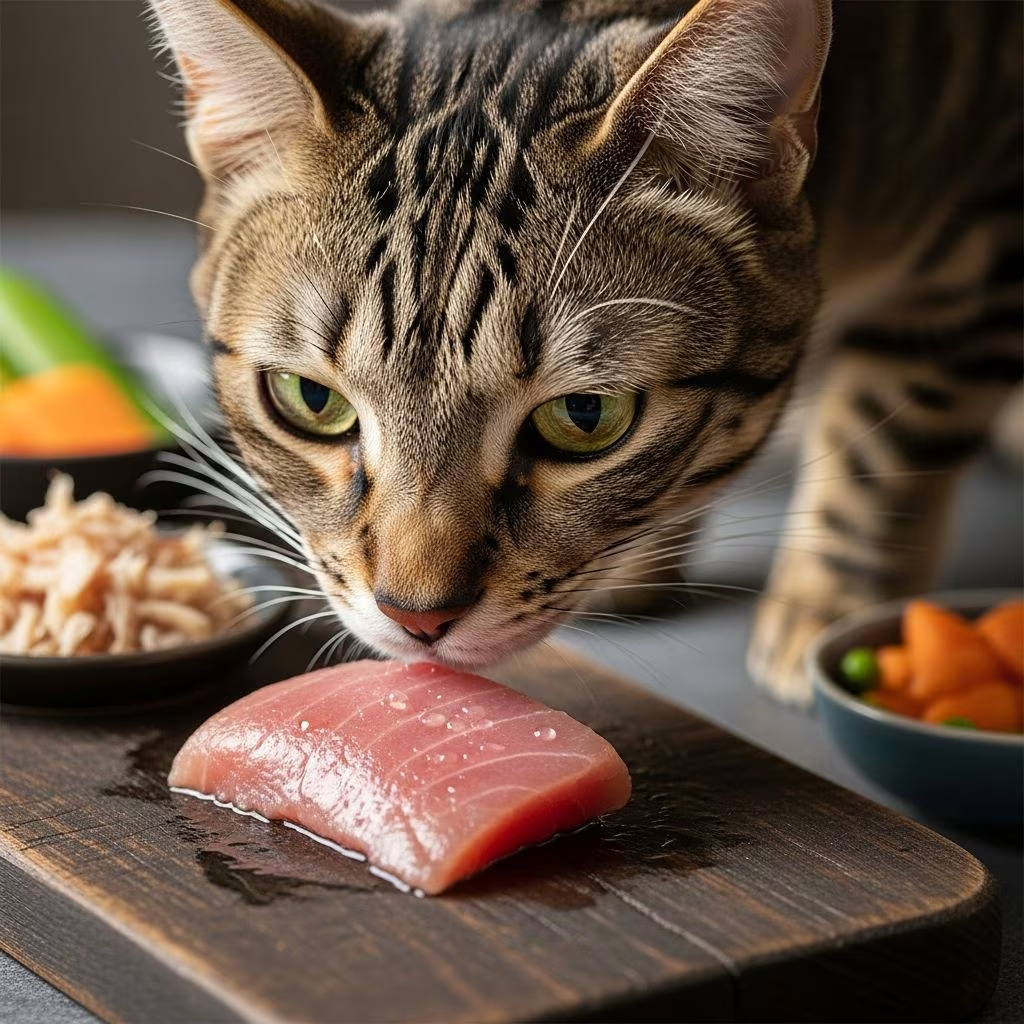
Can Cats Eat Raw Fish? A Complete Safety Guide for Cat Owners
The image of a cat eagerly consuming fresh fish is deeply ingrained in popular culture, often leading cat owners to assume that fish is an ideal food choice for their feline companions. However, the reality is far more nuanced. While cats can enjoy certain fish products, raw fish presents significant health risks that responsible pet owners should understand. This comprehensive guide explores the dangers of raw fish for cats and provides safer, nutritionally sound alternatives to satisfy your cat’s seafood cravings.
Why Do Cats Love Fish?
Cats have a natural attraction to fish, which stems from their evolutionary history as hunters. Their wild ancestors, including lions, tigers, and bobcats, do hunt and consume fish in their natural environments. However, the domesticated cat’s digestive system and nutritional needs have evolved differently, and what works in nature doesn’t necessarily translate to the home environment where food safety standards differ dramatically.
Fish is rich in high-quality protein and omega-3 fatty acids, nutrients that genuinely benefit feline health. When prepared safely, fish can contribute to a cat’s coat health, joint support, and overall nutritional intake. The problem isn’t fish itself—it’s raw fish specifically, which carries considerable risks that cooked alternatives eliminate.
The Serious Risks of Feeding Raw Fish to Cats
Parasitic Infections and Salmon Poisoning Disease
One of the most significant dangers of raw fish is parasitic contamination. Fish such as salmon can carry parasites that prove harmful to cats when consumed in their raw state. The most serious concern is salmon poisoning disease, a potentially fatal condition that requires prompt veterinary treatment. While cats are more resistant to salmon poisoning than dogs, the risk still exists and should not be overlooked.
Parasites like Paragonimum Westermani (lung fluke) can be present in raw shellfish and fish, compromising your cat’s respiratory and digestive systems. These parasites survive in raw or undercooked preparations but are eliminated through proper cooking.
Thiamine Deficiency and Neurological Problems
Raw fish contains an enzyme called thiaminase, which actively breaks down thiamine, also known as vitamin B1. This vitamin is absolutely essential for your cat’s nervous system function and energy metabolism. When cats consume raw fish regularly, thiaminase depletes their thiamine stores, potentially leading to serious neurological complications.
Thiamine deficiency can manifest as:
- Neurological problems and dysfunction
- Convulsions and seizures
- Loss of appetite
- Weakness and lethargy
- Coordination difficulties
The severity of these symptoms increases with prolonged raw fish consumption, making this a serious long-term health concern.
Bacterial Contamination and Foodborne Illness
Raw fish poses the same bacterial risks as any uncooked meat. Harmful bacteria including salmonella, E. coli, and listeria thrive in raw fish and can cause severe food poisoning in both cats and humans. These pathogens can be transmitted between pets and their owners through handling and consumption.
Additionally, raw fish can accumulate environmental contaminants such as heavy metals and water pollutants, creating long-term health risks when consumed regularly. These toxins accumulate in fish tissue over time, making older, longer-lived fish like tuna particularly concerning.
Choking Hazards and Digestive Damage
Whether raw or cooked, fish bones present a serious choking hazard for cats. These sharp bones can also damage your cat’s digestive tract, potentially causing internal injuries, blockages, or perforations that require emergency veterinary intervention.
Fish Safety: What to Avoid
Not all fish are equally safe for cats, even when properly prepared. Understanding which varieties to avoid is crucial for your cat’s long-term health:
- High-Mercury Fish: Tuna and swordfish accumulate dangerous mercury levels and should be fed only occasionally in very small amounts
- Salt-Cured Fish: Anchovies stored in salt contain sodium levels toxic to cats
- Fish in Seed Oils: Canned fish packed in sunflower or other seed oils can cause pansteatitis, a painful inflammatory condition affecting fatty tissues
- Smoked or Brine-Packed Fish: These processing methods add excessive sodium that can be potentially fatal in large quantities
- Raw Shellfish: Raw mussels, clams, and crab should be lightly cooked to eliminate bacteria from their algae-based diets
Safe Alternatives to Raw Fish
Commercially Prepared Fish-Based Cat Foods
The safest option for including fish in your cat’s diet is purchasing commercially prepared cat foods containing fish. These products are specifically formulated to meet all of your cat’s nutritional needs and are manufactured with safety protocols that eliminate harmful parasites and bacteria. Quality commercial cat foods provide balanced nutrition without the risks associated with raw preparations.
Look for products that list specific fish types as primary ingredients and avoid those with questionable fillers or by-products. Reputable manufacturers conduct safety testing and maintain strict quality standards.
Safely Prepared Home-Cooked Fish
If you prefer preparing fish at home for your cat, thorough cooking is essential. Cooking destroys thiaminase enzymes and eliminates parasites and harmful bacteria, making the fish safe for consumption. Follow these guidelines:
- Cook fish thoroughly until it flakes easily
- Prepare plain fish without added oils, butter, or seasonings
- Steaming or boiling are ideal preparation methods
- Remove all bones carefully before serving
- Avoid any fish seasoned with onions, garlic, or salt
- Allow the fish to cool completely before offering to your cat
Best Fish Choices for Cats
When selecting fish for your cat, certain varieties offer superior nutritional benefits:
- Cooked Salmon: Rich in omega-3 and omega-6 fatty acids, salmon supports heart health, eyesight, and coat condition. It’s one of the most nutritionally beneficial options when properly cooked
- Cooked Tilapia: A good source of omega-3 fatty acids with lower mercury content than tuna, tilapia provides nutritional benefits without excessive toxin accumulation
- Herring: Provides exceptional support for digestion, skin and coat health, and joint health
Nutritional Benefits of Fish for Cats
When prepared safely and fed appropriately, fish offers genuine nutritional advantages:
- High-Quality Protein: Essential for maintaining strong muscles and overall feline health
- Omega-3 and Omega-6 Fatty Acids: Promote healthy skin, shiny coats, and reduce joint inflammation
- Vitamins B12 and D: Contribute to improved eye health, stronger immune system, and enhanced overall wellbeing
- Amino Acids: Support various bodily functions and metabolic processes
However, it’s important to note that fresh or frozen fish is not a nutritionally complete food source for cats and should only constitute a portion of their overall diet.
Guidelines for Feeding Fish to Your Cat
If you decide to include fish in your cat’s diet, follow these safety guidelines:
- Moderation is Essential: Fish should only be an occasional addition to your cat’s diet, not a dietary staple
- Proper Storage: If using raw fish, freeze store-bought varieties for at least 3 days to kill parasites and bacteria
- Always Cook: Never feed your cat raw fish. Cook thoroughly to eliminate all safety risks
- Portion Control: Limit fish to small, occasional portions to prevent excessive fat intake and nutrient imbalances
- Monitor Your Cat: Watch for any signs of gastrointestinal upset or allergic reactions, including vomiting, diarrhea, or itchy skin
- Consult Your Veterinarian: Discuss appropriate fish portions and frequency with your vet based on your cat’s individual health status and dietary needs
Signs Your Cat May Be Having an Adverse Reaction
Monitor your cat carefully after introducing fish to their diet. Contact your veterinarian immediately if you notice:
- Vomiting or regurgitation
- Diarrhea or changes in bowel habits
- Loss of appetite or refusal to eat
- Lethargy or unusual behavior
- Neurological symptoms such as tremors or coordination problems
- Allergic reactions including itching, swelling, or respiratory difficulty
Frequently Asked Questions About Cats and Raw Fish
Q: Can cats digest raw fish?
A: Technically, cats can digest raw fish just fine from a digestive standpoint. However, they should not consume it because of the serious health risks including bacterial infection, parasites, and thiamine deficiency. The ability to digest something is very different from it being safe to eat.
Q: Is raw salmon safe for cats?
A: No, raw salmon is not safe for cats. It can contain pathogens like E. coli, salmonella, and listeria that cause food poisoning. Raw salmon also contains thiaminase, which breaks down thiamine (vitamin B1), potentially leading to serious thiamine deficiency if fed regularly.
Q: Can cats get salmon poisoning disease?
A: While cats are more resistant to salmon poisoning disease than dogs, they can still contract it from raw salmon. The disease is potentially fatal if not treated promptly, making raw salmon a serious risk.
Q: How often can I feed my cat fish?
A: Fish should only be an occasional addition to your cat’s diet, not a regular staple. Occasional means once or twice weekly at most, in small portions as a treat rather than a meal replacement.
Q: Can cats eat canned tuna?
A: Canned tuna in brine or processed seed oils is not beneficial to cats and should be avoided. If offering tuna at all, stick to small occasional amounts of fresh, cooked tuna without any added ingredients.
Q: What’s the safest way to prepare fish for my cat?
A: The safest preparation method is steaming or boiling fish plain, without any oils, butter, seasonings, or salt. Remove all bones carefully and allow it to cool completely before serving. Commercial cat foods containing fish are also a safe option.
Q: Are fish skin and fish oil beneficial for cats?
A: Fish skin is high in omega-3 fatty acids and proteins but should be fed in moderation, as excessive amounts can cause stomach problems and contribute to unhealthy fat consumption. Fish oils can be beneficial when sourced from reputable manufacturers and given in appropriate amounts as directed by your veterinarian.
Conclusion: Prioritizing Your Cat’s Health and Safety
While the image of a cat happily eating fish is charming and has some basis in nutritional reality, raw fish poses unacceptable health risks to your beloved companion. The dangers—from parasitic infections and thiamine deficiency to bacterial contamination—far outweigh any perceived benefits. The good news is that you don’t have to eliminate fish from your cat’s diet entirely. By choosing commercially prepared fish-based cat foods or carefully preparing cooked fish at home following the guidelines outlined above, you can offer your cat the nutritional benefits of fish safely and responsibly. When in doubt about your cat’s dietary needs, consult with your veterinarian to ensure your feeding choices support your cat’s long-term health and happiness.
References
- Can Cats Eat Raw Fish — Park Veterinary Hospital. https://parkvet.net/blog/can-cats-eat-raw-fish/
- Can cats eat fish, seafood and shellfish? — Bella+Duke. https://www.bellaandduke.com/cats/expert-advice/cat-nutrition/can-cats-eat-raw-fish/
- Everything About Cats and Seafood — Pet Honesty. https://www.pethonesty.com/blogs/blog/can-cats-eat-raw-fish-everything-you-need-to-know-about-cats-and-seafood
- Can Cats Eat Salmon? Is Salmon Good for Cats? — PetMD. https://www.petmd.com/cat/nutrition/can-cats-eat-salmon
- Can Cats Eat Salmon? A Guide to Safe and Healthy Feeding — Wholesome’s Pet Food. https://wholesomespetfood.com/can-cats-eat-salmon-a-guide-to-safe-and-healthy-feeding/
- A Vet’s Guide to the Risks and Benefits of Feeding Fish to Your Feline Friend — Holistic Vet Blend. https://holisticvetblend.com/blogs/news/should-cats-eat-fish-a-vets-guide-to-the-risks-and-benefits-of-feeding-fish-to-your-feline-friend
- Top 5 foods you should never feed to your cat — Vetwest. https://www.vetwest.com.au/pet-library/feeding-top-5-foods-you-should-never-feed-to-your-cat/



