

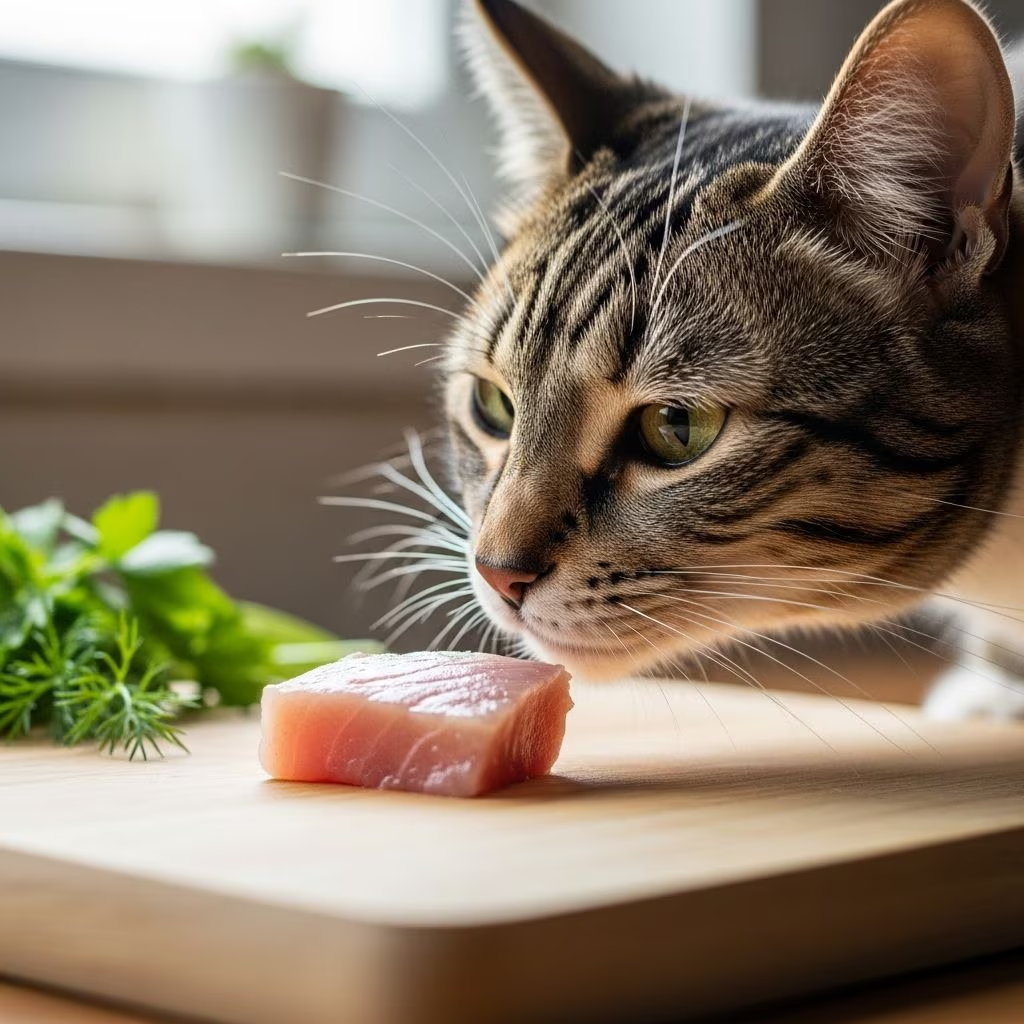
Cats often show a strong affinity for fish, but feeding them raw fish can be hazardous to their health. While fish provides valuable nutrients like protein and omega-3 fatty acids, consuming it in raw form introduces significant risks such as parasites, bacterial infections, and nutritional deficiencies. Veterinary experts strongly advise against offering raw fish to cats, recommending cooked or commercially prepared options instead to ensure safety and nutritional balance.
Quick Answer: Can Cats Eat Raw Fish?
No, cats should not eat raw fish. Raw fish contains thiaminase, an enzyme that destroys thiamine (vitamin B1), leading to potential neurological issues. It also harbors parasites, bacteria like Salmonella and E. coli, and toxins that can cause severe illness or even death in cats.
Why Do Cats Love Fish So Much?
Cats’ fascination with fish stems from their evolutionary history as obligate carnivores. In the wild, their ancestors occasionally consumed fish, which provided high-quality protein and fats. The strong aroma and oily texture of fish appeal to cats’ heightened sense of smell and taste, making it an irresistible treat. However, domestic cats do not require fish in their diet, as commercial cat foods are formulated to meet all nutritional needs without it.
Omega-3 fatty acids in fish support skin, coat, and joint health, which may explain why cats crave it. Despite this appeal, the dangers outweigh the benefits when fish is served raw.
Risks of Feeding Raw Fish to Cats
Feeding raw fish to cats exposes them to multiple health threats. These risks make raw fish an unsuitable choice for feline diets.
Thiamine (Vitamin B1) Deficiency
Raw fish contains thiaminase, an enzyme that breaks down thiamine, essential for cats’ nervous system, energy metabolism, and overall health. Regular consumption leads to thiamine deficiency, causing symptoms like loss of appetite, weight loss, seizures, and neurological disorders such as ataxia or convulsions. This condition can be fatal if untreated.
Thiamine deficiency develops over time with repeated feedings, making occasional treats risky if not monitored. Veterinary intervention often requires immediate thiamine supplementation.
Parasites
Many raw fish species carry parasites harmful to cats. Salmon, for instance, can transmit Neorickettsia helminthoeca, causing salmon poisoning disease with symptoms including fever, vomiting, diarrhea, and lethargy. This potentially fatal illness requires prompt antibiotic treatment.
Other parasites like lung flukes in raw lobster or contaminants in shellfish add to the dangers. Freezing fish for at least three days may kill some parasites, but it’s not foolproof and doesn’t address other issues.
Bacterial Infections
Raw fish is prone to bacteria such as Salmonella, E. coli, and Listeria, leading to food poisoning. Symptoms include vomiting, diarrhea, fever, and dehydration, which can be life-threatening for cats with weakened immune systems.
These pathogens pose risks to humans handling the fish, emphasizing proper hygiene.
Heavy Metals and Toxins
Fish accumulate mercury, PCBs, and other pollutants from contaminated waters. Predatory fish like tuna and swordfish have higher levels, causing long-term issues like neurological damage or organ failure with chronic exposure.
Choking Hazard and Digestive Issues
Fish bones can splinter, causing choking, mouth injuries, or intestinal blockages. Raw fish may also upset digestion, leading to pancreatitis from high fat content.
Safe Ways to Feed Fish to Cats
If you want to include fish in your cat’s diet, opt for safe preparation methods to eliminate risks while retaining benefits.
Cooked Fish
Thoroughly cook fish to destroy thiaminase, parasites, and bacteria. Steaming or baking without oils, salts, seasonings, onions, or garlic is ideal. Safe options include salmon, tilapia, and whitefish, offering omega-3s for coat health and inflammation reduction.
Remove all bones before serving. Limit to occasional treats (10% of diet) to avoid nutritional imbalances.
Commercially Prepared Fish Cat Foods
Choose AAFCO-approved cat foods with fish ingredients. These are cooked, balanced, and fortified to prevent deficiencies. Wet foods with fish flavors provide hydration benefits.
How Much Cooked Fish Can Cats Eat?
Cooked fish should comprise no more than 10% of a cat’s daily calories as a treat. For a 10-pound cat needing 200-250 calories, this equates to 1-2 ounces weekly. Overfeeding leads to obesity, mercury buildup, or allergies. Always prioritize complete cat food.
| Cat Weight | Daily Calories | Max Weekly Fish (oz) |
|---|---|---|
| 5 lbs | 150-200 | 1 |
| 10 lbs | 200-250 | 2 |
| 15 lbs | 250-300 | 3 |
Best Fish for Cats
- Salmon: Rich in omega-3s for heart, skin, and eye health. Cook thoroughly; avoid raw or canned.
- Tilapia: Low-mercury, mild flavor, good protein source. Cook plainly.
- Cod or Whitefish: Lean, low contaminants, easy to digest when cooked.
- Herring: Omega-3 benefits for joints and coat; use in moderation.
Fish Cats Should Avoid
- Tuna (large amounts): High mercury; occasional small servings only.
- Swordfish/Shark: Excessive mercury levels.
- Shellfish (raw): Bacteria and parasites; cook lightly if at all.
- Canned in oil/brine/smoked: High sodium, fats causing pansteatitis or toxicity.
Signs of Fish-Related Illness in Cats
Monitor for vomiting, diarrhea, lethargy, seizures, poor coordination, weight loss, or skin issues. Seek veterinary care immediately for suspected thiamine deficiency or poisoning.
Conclusion
While cats adore fish, raw fish is dangerous due to thiaminase, parasites, bacteria, and toxins. Stick to cooked, boneless fish as occasional treats or commercial foods for safety. Consult your vet for personalized dietary advice to keep your cat healthy and thriving.
Frequently Asked Questions
Can cats eat raw salmon?
No, raw salmon risks parasites causing salmon poisoning and thiaminase leading to B1 deficiency. Always cook it.
Is canned tuna okay for cats?
In water, occasionally yes, but avoid oil or brine versions due to fats and sodium. Limit to prevent mercury buildup.
How do you prepare fish safely for cats?
Cook thoroughly without seasonings, debone completely, and serve small portions.
Can kittens eat raw fish?
Absolutely not; kittens are more vulnerable to deficiencies and infections. Stick to kitten formula.
What if my cat ate raw fish accidentally?
Watch for symptoms and contact a vet promptly. They may need thiamine supplements or treatment.
References
- Can Cats Eat Raw Fish — Park Veterinary Hospital. 2023. https://parkvet.net/blog/can-cats-eat-raw-fish/
- Can cats eat fish, seafood and shellfish? — Bella+Duke. 2023. https://www.bellaandduke.com/cats/expert-advice/cat-nutrition/can-cats-eat-raw-fish/
- Everything About Cats and Seafood — Pet Honesty. 2023. https://www.pethonesty.com/blogs/blog/can-cats-eat-raw-fish-everything-you-need-to-know-about-cats-and-seafood
- Can Cats Eat Salmon? Is Salmon Good for Cats? — PetMD. 2023. https://www.petmd.com/cat/nutrition/can-cats-eat-salmon
- Can Cats Eat Salmon? A Guide to Safe and Healthy Feeding — Wholesome Pet Food. 2023. https://wholesomespetfood.com/can-cats-eat-salmon-a-guide-to-safe-and-healthy-feeding/
- Top 5 foods you should never feed to your cat — Vetwest. 2023. https://www.vetwest.com.au/pet-library/feeding-top-5-foods-you-should-never-feed-to-your-cat/



