

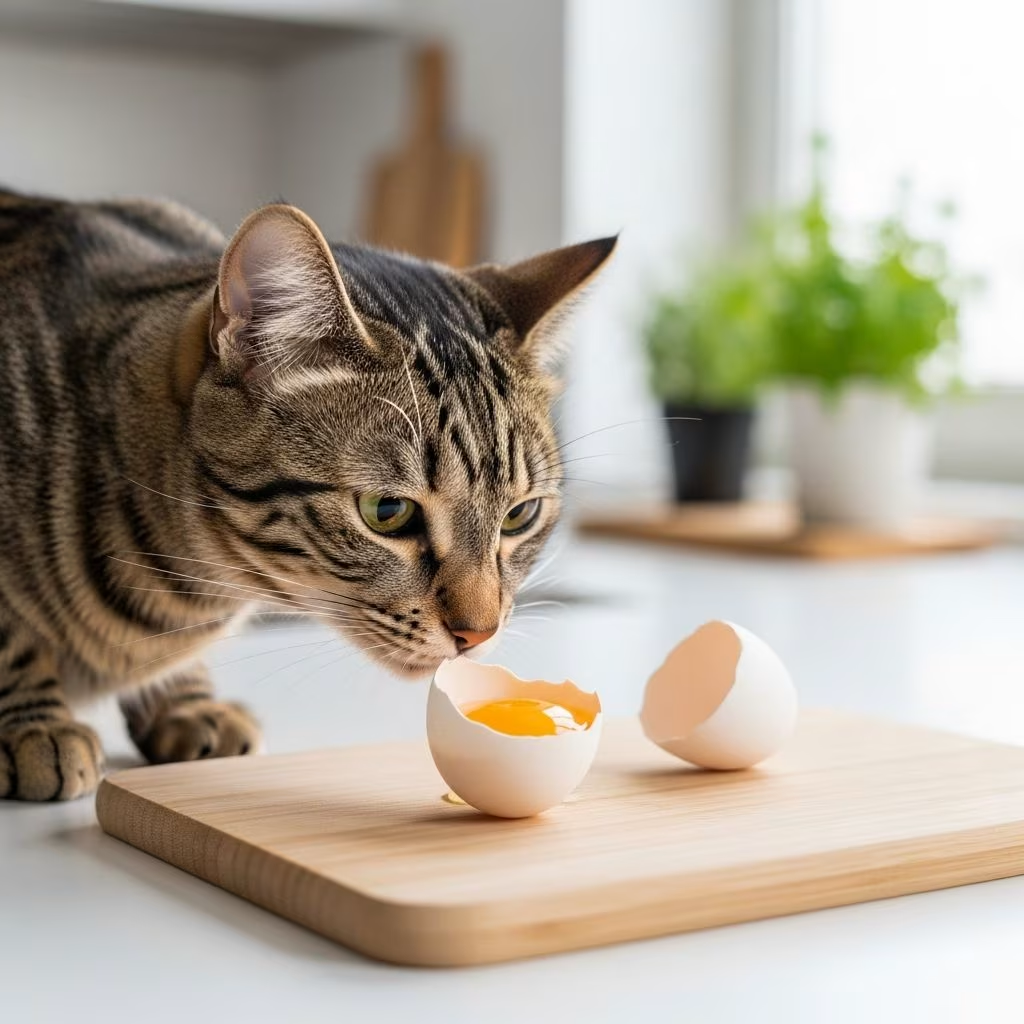
Can Cats Eat Raw Eggs? A Complete Nutrition Guide
As a cat owner, you may wonder whether it’s safe to share eggs with your feline companion. Eggs are nutritious for humans, but are they suitable for cats? The simple answer is that cats can eat eggs, but raw eggs are not recommended. While cooked eggs can be a healthy occasional treat, raw eggs pose several health risks that make them unsafe for your pet. This comprehensive guide explores everything you need to know about feeding eggs to cats, including the nutritional benefits, safety concerns, and proper preparation methods.
Nutritional Benefits of Eggs for Cats
Eggs are packed with essential nutrients that can benefit your cat’s health when prepared correctly. Understanding these nutritional advantages helps explain why eggs can be a valuable occasional treat in your cat’s diet.
High-Quality Protein Content
A single medium-size egg contains approximately 6 grams of protein, making it an excellent protein source for cats. Since cats are obligate carnivores with naturally high protein requirements, eggs align well with their dietary needs. The protein in eggs is complete, containing all essential amino acids that support muscle development, maintenance, and overall body function.
Essential Amino Acids and Taurine
Eggs provide a diverse array of amino acids, with taurine being particularly noteworthy. Taurine plays a critical role in feline health by supporting vision, digestion, heart function, immune response, healthy pregnancy, and proper fetal development. This amino acid is essential for cats and cannot be synthesized by their bodies, making dietary sources crucial.
Healthy Fats and Fatty Acids
Cats require healthy fats in their diet, and eggs are an excellent source. They provide monosaturated fats for heart health and polyunsaturated fats including omega-3 and omega-6 fatty acids. These fatty acids support brain development, nervous system function, and cardiovascular health in cats.
Vitamins and Minerals
Eggs contain numerous vitamins essential for feline health, including vitamins A, B6, B12, D, and E. They also provide important minerals such as iron, zinc, selenium, and calcium. These nutrients support your cat’s immune system, bone health, and overall metabolic function.
Can Cats Eat Raw Eggs? The Safety Concerns
While cooked eggs offer nutritional benefits, raw eggs present several significant health risks. Understanding these dangers is essential for protecting your cat’s wellbeing.
Bacterial Contamination Risk
The primary concern with raw eggs is bacterial contamination. When eggs are not cooked or are undercooked, they can harbor dangerous bacteria including Salmonella and E. coli. According to health authorities, ingesting raw eggs significantly increases the risk of bacterial infection for both cats and their owners. Salmonella infection can cause serious gastrointestinal symptoms in cats, including vomiting and diarrhea, potentially leading to dehydration and more severe health complications.
Biotin Deficiency from Avidin
Raw egg whites contain a protein called avidin, which binds to biotin, also known as vitamin B7. This binding prevents proper biotin absorption in your cat’s body, potentially leading to a vitamin deficiency over time. Biotin is essential for maintaining healthy skin, coat, and metabolic function in cats. Cooking eggs thoroughly eliminates this risk by denaturing the avidin protein, making the biotin bioavailable. Alternatively, feeding whole eggs including the yolk rather than just raw egg whites also mitigates this risk.
Potential Avian Flu Transmission
Raw eggs could potentially transmit avian flu to cats, which can be a deadly infection. This additional risk reinforces the importance of thoroughly cooking eggs before offering them to your feline companion.
Safe Ways to Prepare Eggs for Your Cat
If you decide to offer eggs to your cat, proper preparation is essential. Follow these guidelines to ensure safety and maximize nutritional benefits.
Cooking Methods
The best preparation methods for cat-safe eggs include:
- Scrambled eggs: Plain scrambled eggs with no added ingredients are an excellent choice for cats.
- Boiled eggs: Hard-boiled eggs without salt or seasoning are safe and convenient to prepare.
- Chopped eggs: Finely chopped cooked eggs can be mixed into your cat’s regular food in small amounts.
Ensure all parts of the egg—both yolks and whites—are fully cooked to eliminate any risk of harmful pathogens.
Important Preparation Rules
When preparing eggs for your cat, follow these essential guidelines:
- Keep eggs plain: Do not add oil, salt, seasoning, butter, milk, or other dairy products. These ingredients can cause digestive issues or even be toxic to cats.
- Remove eggshells: Never serve eggs with shells, as they pose a choking hazard and can cause intestinal blockage.
- Avoid fried eggs: Fried eggs cooked in oil are not recommended, as the excess oil can cause digestive upset including vomiting and diarrhea.
- Prepare eggs yourself: Only share eggs that you personally prepared to ensure safety and control over ingredients.
How Much Egg Can Your Cat Safely Eat?
While eggs offer nutritional benefits, they should be treated as occasional treats, not dietary staples. Proper portion control is crucial for maintaining your cat’s health.
Daily Treat Guidelines
Eggs should constitute no more than 10% of your cat’s total daily caloric intake. For most cats, this means a teaspoon or two of cooked egg is an appropriate serving size. Eggs should be offered no more than once or twice per week as an occasional treat, not a daily food item.
Caloric Considerations
Eggs are relatively high in calories, particularly the yolks, which are rich in fat. Feeding too many eggs can contribute to excess calorie consumption and increase your cat’s obesity risk. Scrambled or boiled egg whites contain significantly fewer calories and less fat than whole eggs, making them a better choice for cats prone to weight gain. However, they still provide excellent protein content.
Nutritional Balance
While eggs are nutritious, they do not provide complete and balanced nutrition for cats. A cat’s diet should be primarily based on a high-quality commercial cat food formulated to meet all feline nutritional requirements. Eggs should complement, not replace, a balanced diet.
Special Considerations for Different Cats
Various factors should influence your decision about offering eggs to your specific cat.
Kittens and Egg Safety
Kittens have developing immune systems that are more susceptible to bacterial infections from raw eggs. While kittens can eat cooked eggs, their sensitive digestive systems may react negatively to egg introduction. If offering eggs to kittens, introduce them gradually in very small amounts and monitor for adverse reactions including vomiting, diarrhea, or constipation. Avoid giving eggshells to kittens under 6 months old, as they cannot efficiently process the excess calcium. Always consult your veterinarian before introducing eggs to a kitten’s diet.
Cats with Health Conditions
Cats with certain health conditions may need to avoid eggs. Those prone to obesity, pancreatitis, or gastrointestinal issues should have limited egg intake. Fat in egg yolks can trigger gastrointestinal upset and potentially cause pancreatitis in susceptible cats. Always consult your veterinarian before offering eggs to a cat with pre-existing health conditions.
Individual Allergies and Sensitivities
Some cats may have allergies or sensitivities to eggs. Signs of an allergic reaction include itching, vomiting, diarrhea, or skin issues. If you notice any adverse reactions after introducing eggs, discontinue feeding them and consult your veterinarian.
Introducing Eggs to Your Cat’s Diet
When offering eggs for the first time, follow a gradual introduction process to monitor your cat’s response.
Step-by-Step Introduction
- Start with an extremely small portion—just a few peas-sized pieces of cooked egg.
- Offer the egg separately or mixed into your cat’s regular food.
- Monitor your cat for 24-48 hours for any negative reactions.
- If no adverse effects occur, you can gradually increase the portion to a teaspoon or two.
- Space out egg offerings to no more than once or twice per week.
What to Watch For
During and after egg introduction, monitor your cat for:
- Vomiting or regurgitation
- Diarrhea or constipation
- Loss of appetite
- Lethargy or behavior changes
- Itching, skin irritation, or hair loss
- Abdominal discomfort or bloating
If any concerning symptoms develop, stop feeding eggs and consult your veterinarian.
Frequently Asked Questions About Cats and Eggs
Q: Are raw eggs ever safe for cats?
A: Raw eggs are not recommended for cats due to risks of Salmonella infection, E. coli infection, avian flu transmission, and biotin deficiency from avidin in egg whites. Thoroughly cooked eggs are the safer choice.
Q: Can cats eat scrambled eggs?
A: Yes, cats can safely eat plain scrambled eggs prepared without salt, seasoning, butter, or other dairy products. Scrambled eggs should be fully cooked and offered in moderation as an occasional treat.
Q: What part of the egg is best for cats?
A: The egg yolk is the most nutritious part, containing beneficial fats and vitamins. However, yolks are higher in calories. Egg whites provide protein with fewer calories and less fat, making them suitable for weight-conscious cats.
Q: How often can I give my cat eggs?
A: Eggs should be offered no more than once or twice per week in very small amounts—typically a teaspoon or two. Eggs should constitute no more than 10% of your cat’s daily caloric intake.
Q: Can I give my kitten eggs?
A: Kittens can eat cooked eggs, but their sensitive digestive systems may react negatively. Introduce eggs gradually in tiny amounts and monitor for adverse reactions. Consult your veterinarian before offering eggs to kittens.
Q: What should I do if my cat eats a raw egg?
A: Monitor your cat closely for symptoms including vomiting, diarrhea, lethargy, or loss of appetite. Contact your veterinarian if any concerning symptoms develop, especially in kittens or cats with health conditions.
Q: Are there any egg preparations I should avoid?
A: Avoid fried eggs, eggs with added salt or seasoning, eggs cooked in butter or oil, and eggs mixed with cheese or other dairy products. Keep egg preparations simple and plain.
Consulting Your Veterinarian
Before making significant changes to your cat’s diet, including introducing eggs, consult your veterinarian. Your vet can evaluate your cat’s individual health status, age, breed, and dietary needs to determine whether eggs are appropriate. This is especially important for kittens, senior cats, and cats with health conditions. Your veterinarian can provide personalized recommendations and monitor your cat’s response to dietary changes.
Final Thoughts
Eggs can be a nutritious occasional treat for cats when properly prepared. The key is ensuring eggs are thoroughly cooked, served plain without any added ingredients, and offered in appropriate portions that don’t exceed 10% of your cat’s daily calories. While raw eggs are not suitable for cats due to bacterial contamination risks and biotin deficiency concerns, cooked eggs offer genuine nutritional benefits including high-quality protein, essential amino acids, healthy fats, and important vitamins and minerals. By following proper preparation methods, monitoring portion sizes, and consulting your veterinarian, you can safely incorporate eggs into your cat’s treat rotation and provide variety while supporting their nutritional needs.
References
- Can Cats Eat Eggs? A Guide to Safety — Purina US. 2025. https://www.purina.com/articles/cat/feeding/can-cats-eat/eggs
- Can Cats Eat Eggs? — Chewy Education. 2025. https://www.chewy.com/education/cat/food-and-nutrition/can-cats-eat-eggs
- Can Cats Eat Eggs? Complete Nutrition Facts and Guidelines — Noble Vet Clinic. 2025. https://noblevetclinic.com/blog/can-cats-eat-eggs
- Can Cats Eat Eggs? — PetMD. 2025. https://www.petmd.com/cat/nutrition/can-cats-eat-eggs
- Salmonella Infection — Centers for Disease Control and Prevention. https://www.cdc.gov/salmonella/



