

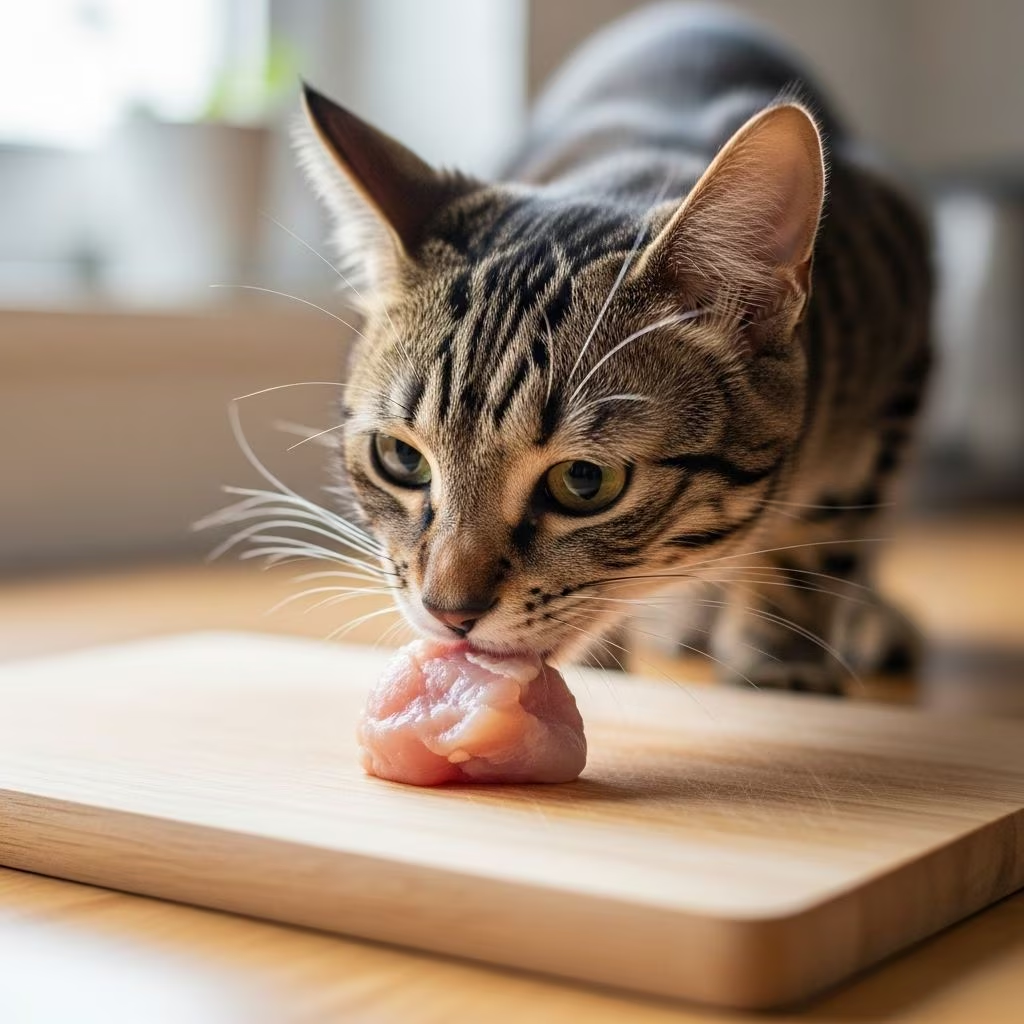
Can Cats Eat Raw Chicken? A Complete Guide
The short answer is yes, cats can technically eat raw chicken, but whether they should is a more complicated question. While cats are obligate carnivores with digestive systems designed to process raw meat, feeding raw chicken at home comes with significant risks that veterinarians and pet health organizations strongly caution against. Understanding these risks and the expert consensus is essential for making informed decisions about your cat’s diet.
Are Cats Built to Eat Raw Meat?
Cats are obligate carnivores, meaning they require animal protein to survive and thrive. In the wild, cats naturally hunt and consume raw prey, including birds and small mammals. Their digestive systems have evolved over thousands of years to process raw meat efficiently, with strong stomach acid and a shorter digestive tract designed to handle bacterial exposure that would make humans seriously ill.
However, there’s an important distinction between what cats can do in nature and what’s safe in a domestic environment. While their digestive systems are more robust than humans’, they are not completely immune to foodborne pathogens.
The Major Risks of Feeding Raw Chicken
Bacterial Contamination and Foodborne Illness
The most significant concern with raw chicken is bacterial contamination. Raw chicken commonly carries harmful pathogens including Salmonella, E. coli, Listeria, and Campylobacter. These bacteria can cause serious illness in cats, leading to symptoms such as vomiting, diarrhea, and dehydration.
Research demonstrates the severity of this risk: approximately 25% of raw pet food samples tested positive for harmful bacteria including Salmonella or Listeria. Even commercial raw pet food products, which are supposedly prepared with safety protocols, show contamination rates that should concern pet owners.
An additional danger is that cats can be asymptomatic carriers of these bacteria. Your cat may show no signs of illness while still spreading dangerous pathogens through its mouth, litter box, and fur to other household members. This poses particular risks to vulnerable populations including young children, elderly adults, and individuals with compromised immune systems.
Danger to Vulnerable Cats
Kittens and senior cats face heightened risks from raw chicken consumption. Kittens have underdeveloped immune systems that cannot effectively fight off infections from foodborne pathogens. For these young animals, Salmonella infection can cause severe diarrhea, vomiting, dehydration, or potentially fatal complications.
Similarly, senior cats with aging immune systems are more susceptible to serious infections from bacterial contamination. If you have kittens or older cats in your household, veterinarians recommend avoiding raw diets entirely.
Choking and Internal Injuries from Bones
Small bone fragments pose serious physical dangers. Bone pieces can become lodged in your cat’s esophagus, stomach, or digestive tract, causing blockages that may require emergency surgery. Sharp bone fragments can pierce the intestinal walls, potentially leading to sepsis, a life-threatening condition.
Cooked chicken bones present an additional hazard, as cooking makes bones brittle and prone to splintering. Once swallowed, splintered bone pieces can cause severe internal damage. If you do feed raw chicken, it must be completely bone-free and carefully prepared.
Nutritional Deficiency
Plain raw chicken does not provide complete nutrition for cats. While chicken is an excellent protein source, it lacks the proper balance of essential nutrients cats require. Cats need specific amounts of taurine, calcium, phosphorus, vitamins A, D, and E, and other micronutrients to maintain optimal health.
Research shows that 60% of homemade raw diets had major nutritional problems. Kittens are particularly vulnerable to nutritional deficiencies because they require more calories and nutrients than adult cats while growing. Missing proper nutrition can lead to weak bones, vision problems, heart disease, and other serious health complications.
What Do Veterinary Experts Recommend?
Major veterinary organizations have taken clear positions against feeding raw meat to cats. The American Veterinary Medical Association (AVMA) explicitly states: “Don’t feed cats or dogs any meat that hasn’t been treated to remove harmful bacteria.” The AAHA (American Animal Hospital Association) holds similar recommendations.
The Centers for Disease Control and Prevention (CDC), the FDA, and the Canadian Veterinary Medical Association (CVMA) all concur that feeding raw food to cats is potentially dangerous to the cat, other pets in the household, and pet owners. These organizations consider the risks too significant to recommend raw feeding as a standard practice.
Some therapy pet programs actually prohibit animals on raw diets due to safety concerns, highlighting the seriousness of the issue from a public health perspective.
What Other Meats Should You Avoid?
Beyond raw chicken, certain meats should never be fed raw:
- Raw Pork: Can contain parasites like Trichinella, which cause serious illness.
- Raw Fish: Contains enzymes that destroy thiamine (vitamin B1), which cats need. Raw fish may also harbor parasites.
- Processed or Spiced Meats: Bacon, deli meats, and anything containing garlic or onions are unsafe for cats regardless of preparation method.
Safer Meat Options for Your Cat
If you want to incorporate fresh meat into your cat’s diet, consult your veterinarian first. With proper veterinary guidance, some safer options may include fresh chicken, turkey, and beef if they are properly prepared and handled with strict food safety protocols. However, most veterinarians recommend commercial cat food specifically formulated to meet all of your cat’s nutritional requirements.
Safe Preparation Tips If You Choose to Feed Raw Chicken
If you decide to feed raw chicken despite veterinary recommendations, follow these essential safety measures:
- Remove all bones: Ensure the chicken is completely bone-free before serving.
- Use fresh meat: Purchase chicken from reputable sources and use it immediately.
- Practice strict hygiene: Wash your hands, surfaces, and utensils thoroughly after handling raw chicken.
- Supervise feeding: Watch your cat carefully while eating, especially with raw chicken necks.
- Refrigerate properly: Store raw chicken at appropriate temperatures and do not leave it exposed.
- Consult your veterinarian: Get professional guidance before starting any raw diet.
Signs Your Cat May Have Gotten Sick
If your cat accidentally consumes raw chicken or shows symptoms after eating it, watch for these warning signs:
- Vomiting or frequent gagging
- Diarrhea or constipation
- Loss of appetite
- Lethargy or unusual behavior
- Abdominal pain or swelling
- Difficulty defecating
If you notice any of these symptoms, contact your veterinarian immediately. While it’s difficult to diagnose foodborne illness at home, professional evaluation is important for your cat’s health.
Better Alternatives to Raw Chicken
High-quality commercial cat food from trusted brands offers numerous advantages over raw diets:
- Complete nutrition: Formulated to meet all feline nutritional requirements
- Safety testing: Subject to rigorous quality and safety standards
- Convenient: No special preparation or handling required
- Shelf-stable: No risk of accidental contamination
- Veterinarian-approved: Developed with expert nutritional guidance
If you want to provide variety, cooked chicken (without bones, seasonings, or skin) can be offered as an occasional treat alongside your cat’s regular diet, but only with veterinary approval.
Frequently Asked Questions (FAQs)
Q: Is raw chicken completely off-limits for cats?
A: Cats can technically eat raw chicken, but veterinary organizations recommend against it due to bacterial contamination risks, potential choking hazards from bones, and nutritional imbalance concerns. If you choose to feed raw chicken, consult your veterinarian and follow strict food safety protocols.
Q: Can raw chicken make cats sick?
A: Yes. Raw chicken commonly carries bacteria like Salmonella, E. coli, and Listeria that cause vomiting, diarrhea, and dehydration. Additionally, cats can be asymptomatic carriers and spread bacteria to other household members.
Q: Are kittens at higher risk from raw chicken?
A: Yes. Kittens have underdeveloped immune systems and are at much higher risk of severe infection and complications from foodborne pathogens. Veterinarians strongly recommend avoiding raw diets for kittens.
Q: What about raw chicken bones?
A: Small bone fragments can become lodged in the digestive tract or pierce intestinal walls, potentially causing life-threatening sepsis. If feeding raw chicken, it must be completely bone-free.
Q: Is commercial raw pet food safer than homemade raw chicken?
A: Not significantly. Research shows that approximately 25% of commercial raw pet food products test positive for harmful bacteria like Salmonella and Listeria.
Q: What’s the best alternative to raw chicken for cats?
A: High-quality commercial cat food is the safest and most nutritionally complete option. It’s formulated to meet all feline requirements without contamination risks. For variety, you can occasionally offer small amounts of cooked, boneless chicken with veterinary approval.
Q: Can I feed my cat raw fish or raw pork instead?
A: No. Raw pork can contain dangerous parasites, and raw fish contains enzymes that destroy essential B vitamins cats need. These should be avoided entirely.
Q: What should I do if my cat accidentally eats raw chicken?
A: Monitor your cat closely for symptoms like vomiting, diarrhea, lethargy, or abdominal pain. Contact your veterinarian immediately if you notice any signs of illness.
Making the Right Choice for Your Cat
While cats have the biological capability to eat raw meat, the risks associated with feeding raw chicken in a domestic setting are substantial and well-documented by leading veterinary organizations. The potential for bacterial contamination, nutritional deficiency, physical injury, and transmission of pathogens to human family members makes raw chicken an unnecessary risk for most cat owners.
If you’re interested in providing the best nutrition for your feline companion, consult with your veterinarian about appropriate diet options. A combination of high-quality commercial cat food and occasional veterinarian-approved treats will provide complete nutrition without the risks associated with raw feeding. Your cat will thrive on a carefully selected diet that prioritizes both nutrition and safety.
References
- Raw Chicken for Cats – Safety, Risks & Feeding Tips — MichuPet. https://michupet.com/blogs/nutrition/can-cats-eat-raw-chicken
- Can Cats Eat Raw Chicken? What You Need To Know — Optimeal. https://optimeal.com/blogs/news/can-cats-eat-raw-chicken-what-you-need-to-know-optimeal
- Can Cats Eat Chicken? — PetMD. https://www.petmd.com/cat/nutrition/can-cats-eat-chicken
- Can Cats Eat Raw Chicken? A Guide to Safety — Purina US. https://www.purina.com/articles/cat/feeding/can-cats-eat/raw-chicken
- Should You Feed Your Cat Raw Meat? It’s Better Not to. — GoodRx. https://www.goodrx.com/pet-health/cat/can-cats-eat-raw-meat
- Can Cats Eat Raw Chicken? Yes, but They Need More Than That — HowStuffWorks. https://animals.howstuffworks.com/pets/can-cats-eat-raw-chicken.htm
- Avoiding Raw Food in Cats — VCA Animal Hospitals. https://vcahospitals.com/know-your-pet/avoiding-raw-food-in-cats
- Raw Pet Food Diets can be Dangerous to You and Your Pet — FDA. https://www.fda.gov/animal-veterinary/animal-health-literacy/get-facts-raw-pet-food-diets-can-be-dangerous-you-and-your-pet



