

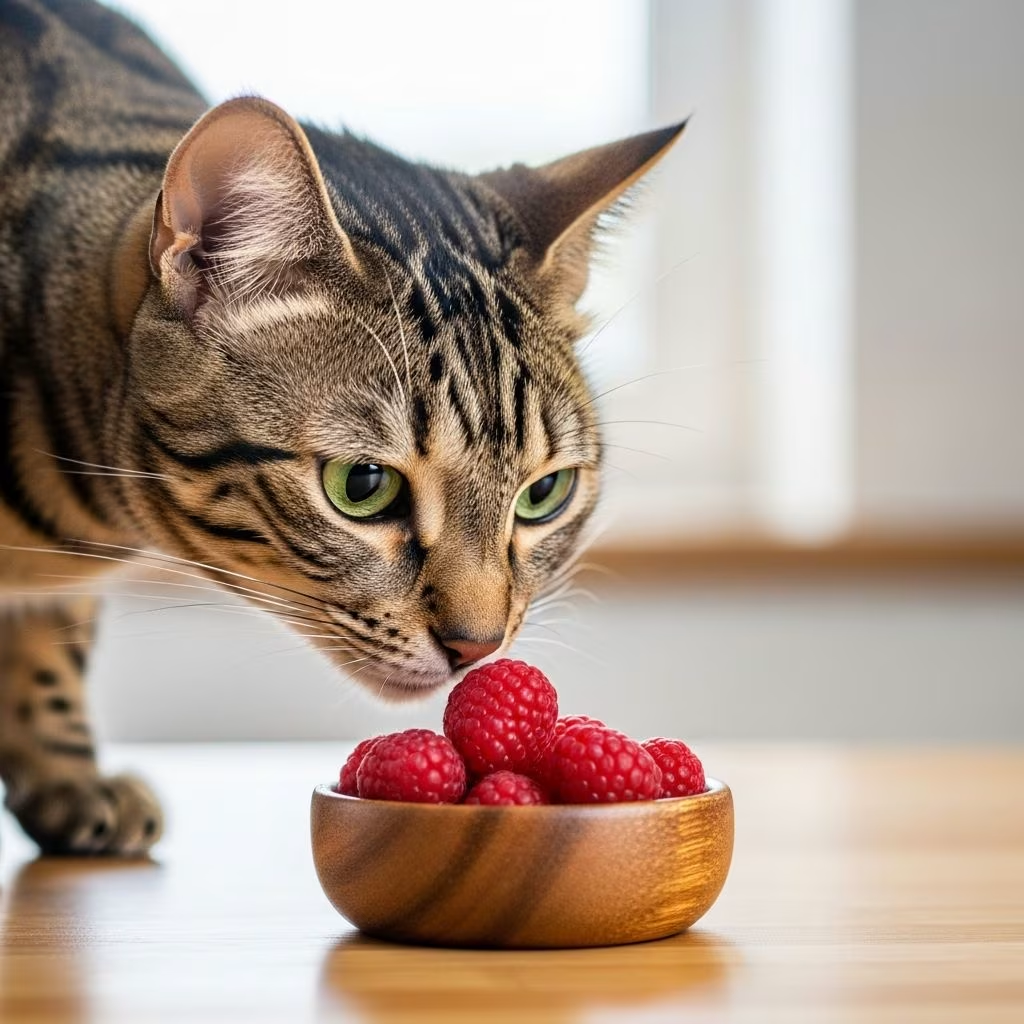
Raspberries are safe for cats to eat in small amounts as an occasional treat. These vibrant berries offer nutritional benefits like fiber, vitamins, and antioxidants, but cats are obligate carnivores whose primary diet should be meat-based. While non-toxic, overfeeding can lead to digestive issues due to high fiber and natural sugars.
This comprehensive guide explores the safety, benefits, risks, and proper ways to introduce raspberries to your cat’s diet. Drawing from veterinary insights, we’ll cover everything from nutritional profiles to feeding guidelines, ensuring you make informed choices for your feline’s health.
Quick Answer: Can Cats Eat Raspberries?
Yes, cats can eat raspberries safely in moderation. According to multiple pet nutrition sources, fresh raspberries are non-toxic and can serve as a low-calorie treat. They provide hydration from high water content (about 86%) and small amounts of beneficial nutrients without the fats found in many treats.
However, moderation is key—limit to 1-2 berries per day for an average adult cat, as their digestive systems are optimized for animal proteins, not plant matter. Always consult your vet before introducing new foods, especially for cats with health conditions like diabetes or kidney disease.
Nutritional Value of Raspberries for Cats
Raspberries pack a nutrient punch that’s appealing for humans, but cats derive limited benefits due to their carnivorous biology. Here’s a breakdown of key components relevant to felines:
- Vitamins: Rich in vitamins A, C, E, and K, which support immune function, skin health, and vision. Cats produce some vitamins internally but can benefit from extras in tiny doses.
- Minerals: Contains potassium, calcium, magnesium, and iron, aiding bone health, muscle function, and oxygen transport.
- Fiber: High dietary fiber promotes gut health, softens stool, and may prevent constipation.
- Antioxidants: Combat oxidative stress, potentially reducing inflammation and supporting longevity.
- Water Content: Over 85% water, helping with hydration—crucial for cats prone to urinary issues.
- Low Calories & Fat-Free: Ideal for weight management, with minimal sugars compared to other fruits.
| Nutrient | Amount per 100g Raspberries | Benefit for Cats |
|---|---|---|
| Fiber | 6.5g | Digestion aid, constipation relief |
| Vitamin C | 26mg | Antioxidant, immune support |
| Potassium | 151mg | Heart & muscle function |
| Water | 86% | Hydration boost |
| Calories | 52 | Low-cal treat option |
Despite these perks, cats lack enzymes to fully process plant sugars and fibers, so benefits are supplementary, not essential. A complete cat food diet already meets core needs.
Benefits of Raspberries for Cats
While not a staple, raspberries can enhance your cat’s well-being when offered sparingly. Key advantages include:
- Digestive Health: Fiber regulates bowel movements, eases constipation, and fosters beneficial gut bacteria. Studies on berries show improved digestion in mammals, potentially translating to cats.
- Hydration Support: Cats often under-drink; the juicy texture encourages fluid intake, vital for kidney and urinary tract health.
- Weight Management: Fat-free and low-calorie, they’re better than commercial treats for overweight cats.
- Antioxidant Boost: Vitamins C and E reduce inflammation, possibly aiding seniors or those with chronic conditions.
- Immune & Skin Support: Nutrients like vitamin K promote healthy skin, coat, and immunity.
For picky eaters or dehydrated cats, a raspberry mash mixed with wet food can entice eating while providing extras. Always prioritize meat-based nutrition.
Risks and Dangers of Raspberries for Cats
Raspberries aren’t risk-free. Potential downsides stem from their plant-based nature:
- Digestive Upset: Excess fiber causes diarrhea, vomiting, gas, or bloating, especially in sensitive stomachs.
- High Sugar: Natural fructose can lead to obesity, dental issues, or diabetes if overfed.
- Xylitol Trace Amounts: Raspberries contain minimal xylitol (toxic to cats), but large quantities pose risks—avoid flavored or processed versions.
- Pesticides: Non-organic berries may carry residues; always wash thoroughly.
- Nutrient Imbalance: Over-reliance displaces essential animal proteins, taurine, and fats.
- Vitamin C Overload: Excess can disrupt gut pH, causing GI distress.
Symptoms to watch: lethargy, vomiting, diarrhea. Stop feeding and see a vet if noticed. Kittens, seniors, and cats with IBD/diabetes should avoid.
How to Safely Feed Raspberries to Your Cat
Preparation Tips
- Wash thoroughly under running water to remove pesticides.
- Remove stems, leaves, and hulls.
- Mash or cut into tiny pieces to prevent choking.
- Use fresh, ripe, organic if possible—avoid canned, sweetened, or dried.
Serving Size Guidelines
Treats should be <10% of daily calories. For a 10lb cat (250kcal/day):
| Cat Size/Weight | Max Raspberries per Serving | Frequency |
|---|---|---|
| Kitten (<6 months) | 1/4 berry | Once/week |
| Adult (8-10lbs) | 1-2 berries | 1-2x/week |
| Senior/Large (>12lbs) | 1 berry | Once/week |
Start small: Offer 1/4 berry, monitor 24-48 hours. Mix with kibble/wet food for appeal.
Best Practices
- Introduce gradually.
- Fresh only—no yogurt dips or sweeteners.
- Store in fridge; discard mushy ones.
- Combine with pumpkin for fiber synergy (vet-approved).
Alternatives to Raspberries for Cats
If raspberries don’t suit, try these vet-safe fruits:
- Blueberries: Antioxidant-rich, low sugar.
- Strawberries: Hydrating, vitamin C (small pieces).
- Cantaloupe: High water, low cal (seeds removed).
- Pumpkin: Fiber superstar for digestion.
- Apples: Skinless slices for crunch/crunch.
Stick to pet-formulated treats for optimal nutrition.
Frequently Asked Questions
Are raspberries toxic to cats?
No, fresh raspberries are non-toxic. They’re safe occasionally but not daily due to fiber/sugar.
How many raspberries can I give my cat?
1-2 small berries max, 1-2 times weekly for adults. Less for kittens/seniors.
Can raspberries help with cat constipation?
Yes, fiber aids mild cases, but consult vet for persistent issues.
Is raspberry yogurt safe for cats?
No—dairy and xylitol in yogurts can harm. Plain fresh only.
What if my cat eats too many raspberries?
Monitor for vomiting/diarrhea. Hydrate and vet if symptoms persist.
Final Thoughts on Raspberries in Cat Diets
Raspberries make a fun, healthy occasional treat for most cats, boosting hydration and fiber without toxicity risks. Prioritize balanced commercial cat food for taurine, proteins, and fats—fruits are bonuses, not basics. Monitor your cat’s response and consult vets for personalized advice. With care, raspberries can add variety safely.
References
- Can Cats Eat Raspberries? Safety, Benefits, and Risks Explained — Basepaws. 2023. https://basepaws.com/blog/can-cats-eat-raspberries
- Can Cats Eat Raspberries? Safety, Benefits, and Risks Explained — Jet Pet Resort. 2023. https://jetpetresort.com/blog/pet-care/can-cats-eat-raspberries-safety-benefits-and-risks-explained/
- Can Cats Eat Raspberries? Human Food for Cats — Kinship. 2023. https://www.kinship.com/cat-nutrition/can-my-cat-eat-raspberries
- Can Cats Eat Raspberries? Let’s Find Out — Untamed Cat Food. 2023. https://untamed.com/blogs/nutrition/can-cats-eat-raspberries
- Are Raspberries Safe for Cats? — Bailey’s CBD. 2023. https://baileyscbd.com/blogs/cat-nutrition/are-raspberries-safe-for-cats
- Can Cats Eat Raspberries? Vet Reviewed Facts & Safety — Catster. 2023. https://www.catster.com/nutrition/can-cats-eat-raspberries/



