

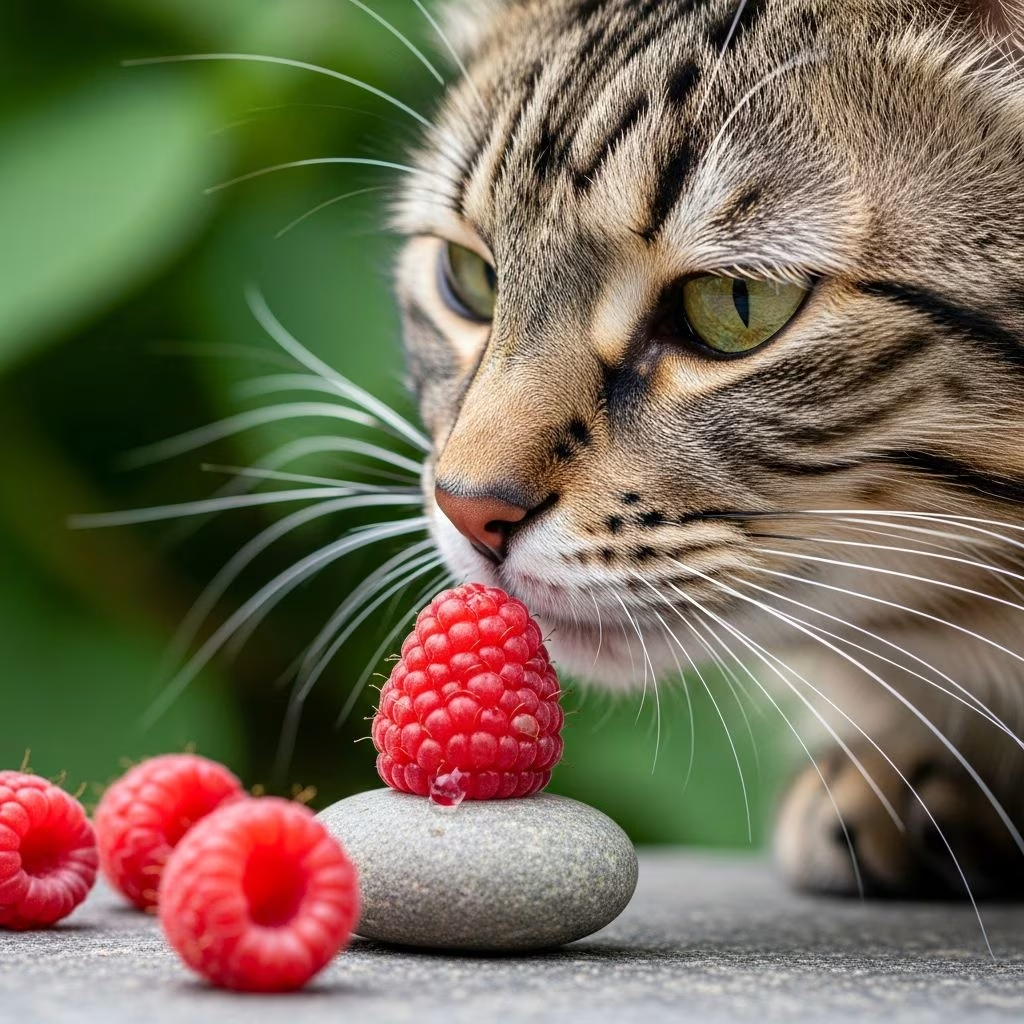
Can Cats Eat Raspberries? A Complete Guide for Pet Owners
When it comes to treating your feline companion, many cat owners wonder whether they can share their favorite fruits with their pets. Raspberries are a popular fruit among humans, but the question remains: can cats safely enjoy them too? The simple answer is yes, but with important caveats. While raspberries are not toxic to cats, they are not a typical part of their natural diet, and understanding how to safely offer them is crucial for your cat’s health and wellbeing.
Are Raspberries Safe for Cats?
Raspberries are generally considered safe for cats when offered in small amounts and as occasional treats. Unlike some human foods that pose serious toxicity risks to felines, raspberries do not contain harmful compounds that would poison your cat. However, safety extends beyond the absence of toxicity—it requires understanding your cat’s unique dietary needs and digestive capabilities.
Cats are obligate carnivores, meaning their bodies are specifically designed to process and derive nutrition from meat rather than plant-based foods. This fundamental aspect of feline biology is essential to remember when considering any non-meat food items, including raspberries. While raspberries offer certain nutritional benefits, your cat’s digestive system is not optimized to extract maximum value from plant-based foods.
Understanding Your Cat’s Nutritional Needs
A cat’s ideal diet should consist of high-quality animal protein and fat. The nutritional breakdown for optimal feline health includes:
- Animal protein: Over 50% of daily calories
- Animal fat: Up to 20% of daily calories
- Carbohydrates: Less than 3% of daily calories
Animal protein is particularly important because it contains essential amino acids, such as taurine and arginine, which are vital for normal pregnancy, regular bowel movement, good eyesight, adequate immune response, and efficient heart function. Since cats cannot synthesize all amino acids independently, they must obtain them from animal protein sources, making meat the best energy source for their bodies.
Nutritional Benefits of Raspberries for Cats
While raspberries may not be essential to your cat’s diet, they do contain several nutrients that can provide supplementary benefits when offered appropriately. Understanding these nutritional aspects helps explain why raspberries can be an occasional treat without being a necessary dietary component.
Vitamins and Minerals
Raspberries are packed with essential vitamins and minerals that support various bodily functions. These include potassium, calcium, magnesium, Vitamin K, and iron—all critical to normal life functions for your cat. Additionally, raspberries contain vitamins A, C, and E, along with antioxidants that may help protect cells from oxidative stress.
However, it’s important to note that if your cat is eating a complete and balanced commercial cat food, they are already receiving adequate amounts of these nutrients. Any additional vitamins and minerals obtained from raspberries serve as a bonus rather than a necessary supplement.
Fiber Content and Digestive Support
One of the most celebrated benefits of raspberries is their high fiber content. Dietary fiber plays an important role in supporting digestive health, promoting regular bowel movements, and preventing constipation. For some cats, particularly those experiencing occasional constipation, a small amount of raspberries may provide gentle digestive support.
The antioxidants found in raspberries may also help combat oxidative stress and potentially benefit pets at risk for conditions like obesity or diabetes. Some research suggests that increased berry consumption can help lower blood sugar levels, which could be relevant for cats facing similar metabolic concerns.
Hydration Support
Raspberries have a high water content, which can contribute to your cat’s overall hydration. This is particularly beneficial for cats with certain health problems, including kidney disease or urinary issues, where increasing fluid intake is medically important.
Important Safety Considerations
Before introducing raspberries to your cat’s diet, several safety factors deserve careful attention to ensure you’re making the best choice for your pet’s health.
High Fiber Content Concerns
While fiber offers digestive benefits, too much fiber can actually be detrimental to cats, especially if they are not accustomed to it. Excessive fiber consumption can cause bloating, gas, and digestive upset. This is why raspberries should be limited to just a small taste initially, allowing you to observe how your individual cat tolerates this new food. Every cat has unique sensitivities, and what works well for one may cause issues for another.
Sugar Content and Metabolic Risks
Raspberries contain natural sugars, and excessive consumption can contribute to obesity and diabetes in cats if offered too frequently or in large quantities. Since cats lack the ability to taste sweetness and don’t naturally seek out sweet foods in the wild, there is no evolutionary reason for them to consume sugar-containing foods. Limiting portion sizes and frequency helps prevent these metabolic concerns.
Vitamin C Overdose Potential
Excessive consumption of raspberries can lead to a vitamin C overdose in cats. Too much vitamin C can cause an imbalance of pH levels in your cat’s digestive system, resulting in gastrointestinal distress. This risk is minimal when raspberries are offered in appropriate quantities, but it underscores the importance of moderation.
Pesticide and Chemical Residues
Non-organic raspberries may carry pesticide and herbicide residues that could be harmful to your pet’s health. Always wash raspberries thoroughly before serving them to your cat to remove any chemicals or contaminants. When possible, selecting organic raspberries reduces the risk of exposing your feline friend to unwanted substances.
Limited Nutrient Absorption
Cats lack the necessary enzymes to efficiently process plant materials, which means they cannot absorb nutrients from plant-based foods as effectively as humans can. Even if you offer raspberries as a natural vitamin supplement, your cat’s digestive system simply cannot extract the maximum nutritional value from these berries. This means your cat would need to consume an impractically large amount of raspberries to gain any significant health benefit—an amount that would be inappropriate and potentially harmful.
How to Safely Introduce Raspberries to Your Cat
If you’ve decided that raspberries might be a nice occasional treat for your cat, following proper introduction methods is essential for ensuring a safe and positive experience.
Portion Size Guidelines
The appropriate serving size for cats is quite small. A few bites as an occasional treat is acceptable, but too many can cause digestive upset. Most experts recommend limiting servings to just one or two raspberries at a time. Remember that treats should not exceed 10% of your cat’s total caloric intake, ensuring that their main nutrition continues to come from a balanced, meat-based diet.
Frequency of Offering
Raspberries should be offered no more than once a week, and many experts suggest treating them as an occasional indulgence rather than a regular snack. This limited frequency helps prevent any accumulation of potential risks associated with excessive fiber or sugar consumption.
Monitoring for Adverse Reactions
When introducing any new food to your cat’s diet, start with a tiny amount and closely observe your pet for any signs of digestive upset. Watch for symptoms such as vomiting, diarrhea, reduced appetite, or unusual behavior. If your cat safely digests the raspberries without any negative reactions, the fruit is likely acceptable for them in measured quantities. However, if you notice any signs of distress, discontinue offering raspberries immediately and consult your veterinarian.
Preparation Tips
- Wash raspberries thoroughly under running water to remove pesticides and chemicals
- Serve at room temperature, as extremely cold foods can cause digestive discomfort
- Offer fresh raspberries rather than those that are moldy or damaged
- Avoid serving raspberries in any form that includes added sugars or artificial sweeteners
- Never serve raspberries with xylitol, an artificial sweetener that is toxic to cats
What About Raspberry Leaves?
In addition to the fruit itself, cat owners sometimes wonder about other parts of the raspberry plant. Raspberry leaves are not toxic to cats, but they are high in fiber and can pose the same digestive concerns as the fruit when offered in excess. Interestingly, raspberry leaves have been traditionally associated with inducing labor in pregnant animals, so they should be strictly avoided for pregnant cats or cats of breeding age.
Why Cats May or May Not Enjoy Raspberries
An interesting quirk of feline biology is that cats cannot taste sweetness. Unlike humans and many other animals, cats lack the functional taste receptors for sweet flavors. This means that even if you offer your cat a raspberry, they are unlikely to find it particularly appealing or enjoyable. Any interest a cat shows in raspberries is typically driven by curiosity about texture or the novelty of a new food item, rather than genuine flavor preference.
When to Consult Your Veterinarian
Before introducing raspberries or any new food to your cat’s diet, consulting with your veterinarian is always a wise approach. This is particularly important if your cat has pre-existing health conditions such as diabetes, kidney disease, or digestive sensitivities. Your veterinarian can provide personalized advice based on your individual cat’s health status and dietary needs, ensuring that any dietary additions align with their specific medical requirements.
Frequently Asked Questions
Q: How many raspberries can a cat eat?
A: A few bites as an occasional treat is acceptable, but too many can cause digestive upset. Limit servings to one or two raspberries at a time, offered no more than once a week.
Q: Are raspberries toxic to cats?
A: No, raspberries are not toxic to cats in small amounts. However, excessive consumption can lead to stomach upset, diarrhea, and other digestive issues.
Q: Can cats digest raspberries properly?
A: Cats cannot digest plant materials as efficiently as humans. Their digestive systems are designed for meat-based diets, so they cannot absorb nutrients from raspberries as effectively.
Q: Why do cats like raspberries?
A: Cats may not actually like raspberries since they cannot taste sweetness. Any interest is likely driven by curiosity about texture or novelty rather than flavor preference.
Q: Can cats eat frozen raspberries?
A: Yes, frozen raspberries can be a safe occasional snack, especially during summer months. Ensure they are thoroughly washed and offered in small portions.
Q: Should I feed organic or non-organic raspberries?
A: Organic raspberries are preferable as they contain fewer pesticide residues. Always wash any raspberries thoroughly before offering them to your cat, regardless of whether they are organic or conventional.
Q: Can pregnant cats eat raspberries?
A: Pregnant cats should avoid raspberries and especially raspberry leaves, as the leaves have been traditionally associated with inducing labor.
Conclusion
Raspberries can indeed be a delightful and non-toxic occasional treat for your beloved cat, but they should never replace proper feline nutrition centered on high-quality animal proteins and fats. While these vibrant berries offer certain nutritional benefits including vitamins, minerals, fiber, and antioxidants, cats cannot efficiently digest plant materials or derive substantial health advantages from them. The key to safely incorporating raspberries into your cat’s diet is moderation, careful observation, and understanding your individual pet’s tolerance levels. By limiting servings to one or two berries offered no more than once weekly, washing them thoroughly, and monitoring for any adverse reactions, you can safely share this treat with your feline companion. However, always prioritize your cat’s primary dietary needs through complete and balanced commercial cat food, and consult your veterinarian before introducing any new foods, particularly if your cat has existing health conditions. With these guidelines in mind, you can make informed decisions that keep your cat healthy, happy, and well-nourished.
References
- Can Cats Eat Raspberries? Human Food for Cats — Kinship. 2024. https://www.kinship.com/cat-nutrition/can-my-cat-eat-raspberries
- Can Cats Eat Raspberries? Safety, Benefits, and Risks Explained — BasePaws. 2024. https://basepaws.com/blog/can-cats-eat-raspberries
- Can Cats Eat Raspberries? Safety, Benefits, and Risks Explained — Jet Pet Resort. 2024. https://jetpetresort.com/blog/pet-care/can-cats-eat-raspberries-safety-benefits-and-risks-explained/
- Can my cat eat raspberries without getting sick? — Dial A Vet. 2024. https://www.dialavet.com/vet-answers/post/cats-eating-raspberries-safety-48984
- Can cats eat raspberries? Let’s find out — Untamed Cat Food. 2024. https://untamed.com/blogs/nutrition/can-cats-eat-raspberries
- Can Cats Eat Raspberries? Vet Reviewed Nutritional Facts & Safety — Catster. 2024. https://www.catster.com/nutrition/can-cats-eat-raspberries/



