

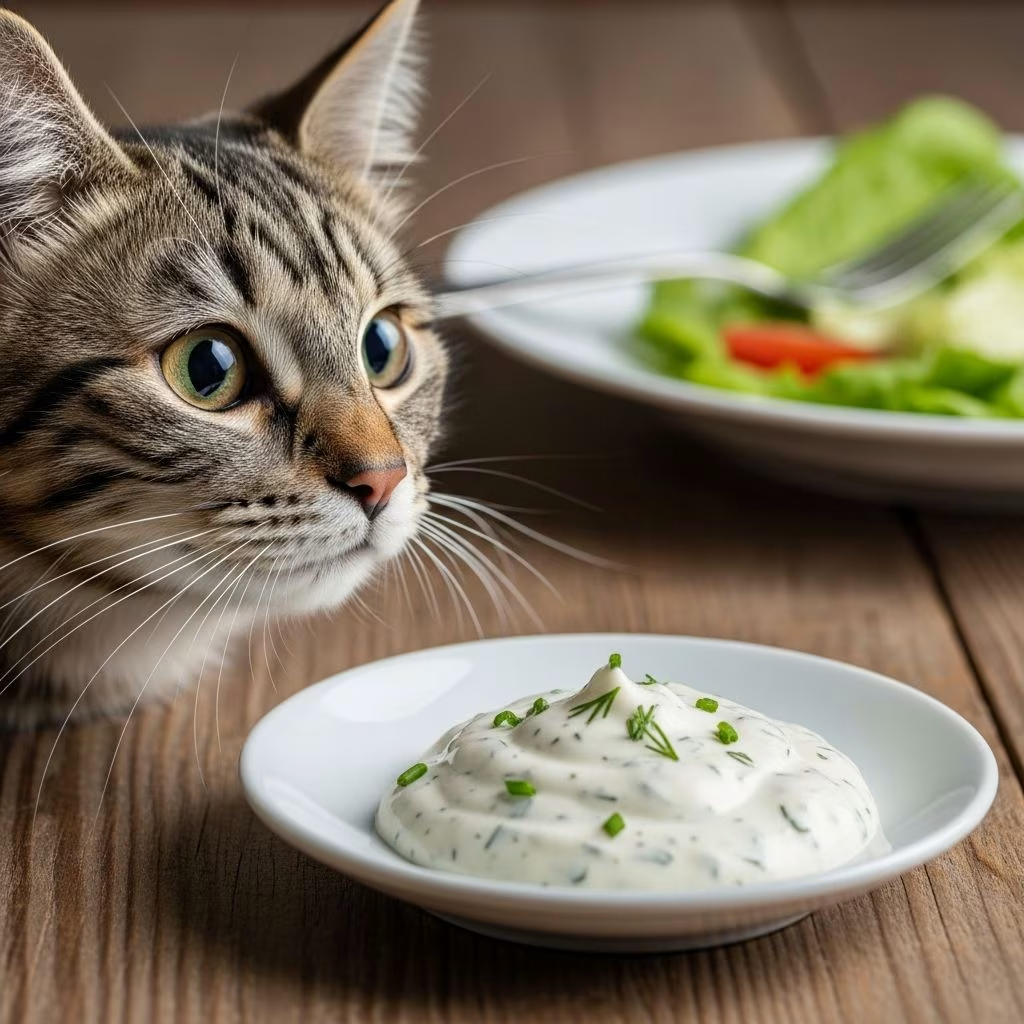
Ranch dressing is a popular human condiment, but it poses significant health risks to cats due to toxic ingredients like garlic and onions, lactose from dairy, and excessive fats, salts, and sugars. While a tiny lick may not cause immediate harm, regular consumption can lead to serious issues including anemia, digestive upset, and obesity.
Here’s Why You Should Not Feed Ranch Dressing to Your Cat
Ranch dressing contains several ingredients harmful to felines. Common components include buttermilk, sour cream, mayonnaise, garlic, onions, chives, herbs, spices, oil, salt, sugar, and preservatives like MSG. These elements offer no nutritional value for cats and can trigger adverse reactions.
Allium vegetables (garlic, onions, chives): These belong to the Allium family and contain compounds like N-propyl disulfide that damage red blood cells, leading to hemolytic anemia. Toxicity risk increases with amount and frequency; even powdered forms in dressings are dangerous. Lighter or younger cats, such as kittens, are more vulnerable as effects amplify relative to body weight. Symptoms may not appear immediately but can build over time with repeated exposure.
Dairy content (buttermilk, sour cream, mayonnaise): Most adult cats are lactose intolerant, lacking sufficient lactase enzyme to digest dairy. Ingestion causes fermentation in the gut, resulting in gas, bloating, diarrhea, and vomiting. Ranch’s creamy base exacerbates this issue.
High fat, oil, salt, sugar, and additives: Oils and fats contribute to obesity and pancreatitis. Excess sodium leads to dehydration and thirst. Sugars disrupt blood sugar levels, while MSG may alter appetite, causing cats to lose interest in balanced meals. Preservatives and artificial flavors irritate the digestive tract.
Even small amounts can upset a cat’s sensitive system, and cats’ smaller body size (often under 10 pounds) makes impacts more profound compared to humans.
What’s in Ranch Dressing? A Quick Look at the Ingredients
Store-bought and homemade ranch dressings vary, but core ingredients consistently include:
- Buttermilk or sour cream: Primary dairy sources causing lactose issues.
- Mayonnaise: Adds fats and potential allergens.
- Garlic and onion powder: Toxic Allium compounds in trace but cumulative amounts.
- Herbs and spices (dill, parsley, chives): Chives add Allium risk; others may irritate.
- Salt, sugar, oils: Promote dehydration, weight gain, and metabolic issues.
- MSG and preservatives: Appetite disruptors and gut irritants.
A typical serving has high calories with zero feline benefits, making it unsuitable as a treat.
Risks of Cats Eating Ranch Dressing
Short-term and long-term risks make ranch off-limits:
- Digestive upset: Vomiting, diarrhea, flatulence from dairy and fats.
- Toxicity: Anemia from Allium damage, with pale gums, weakness, rapid breathing.
- Obesity/weight gain: Calorie-dense fats lead to unhealthy weight.
- Dehydration: High salt increases thirst; uncompensated intake worsens it.
- Pancreatitis or appetite changes: Fats and MSG effects.
Frequent small exposures accumulate toxins, heightening dangers over time.
How Cats React to Ranch Dressing
Reactions vary by amount, cat size, and sensitivity. A tiny lick (e.g., from a plate) often causes mild or no symptoms, but an ounce or more, like from Hidden Valley Ranch, risks issues despite not being immediately life-threatening. Watch for:
- Vomiting or diarrhea
- Lethargy/weakness
- Loss of appetite
- Increased thirst
- Pale gums (anemia sign)
- Gas or bloating
Symptoms may onset within hours; severe cases involve collapse or breathing difficulty.
When to Call the Vet
Monitor closely after exposure. Seek immediate vet care if:
- Persistent vomiting/diarrhea
- Lethargy, collapse, or breathing issues
- Pale gums, rapid heart rate (anemia)
- Seizures or extreme weakness
- Ingestion of large amounts (e.g., ounce+)
For small licks, observe 24-48 hours. Vets may induce vomiting, provide fluids, or run blood tests. Early action prevents complications.
There Are No Alternatives to Ranch Dressing
No cat-safe ranch mimics exist due to inherent harmful ingredients. Distract curious cats with nutritious options:
- Plain cooked chicken, turkey, or fish (no seasoning)
- Commercial cat treats low in calories
- Catnip or toys for engagement
- High-quality wet cat food as toppers
Keep counters clear and rinse dishes promptly to prevent access.
Table: Ranch Ingredients vs. Cat Safety
| Ingredient | Common in Ranch? | Safe for Cats? | Risks |
|---|---|---|---|
| Garlic/Onion | Yes | No | Anemia, toxicity |
| Buttermilk/Sour Cream | Yes | No | Lactose intolerance, diarrhea |
| Salt/Sugar | Yes | No | Dehydration, obesity |
| Oils/Fats | Yes | Limited | Pancreatitis, weight gain |
| Herbs (Dill) | Yes | Usually | Mild upset possible |
Frequently Asked Questions (FAQs)
Q: Can cats have a tiny lick of ranch dressing?
A: A tiny lick is unlikely to cause serious harm but best avoided. Garlic, onion, and dairy can still upset the stomach or build toxicity.
Q: What should I do if my cat eats ranch dressing?
A: Monitor for vomiting, diarrhea, lethargy. Contact vet for large amounts or symptoms.
Q: Are there any cat-safe dressings or dips?
A: No; most contain unsafe elements. Use plain meats or cat treats instead.
Q: Why are garlic and onion harmful to cats?
A: They damage red blood cells, causing anemia. Even small/powdered amounts accumulate danger.
Q: Can ranch dressing cause long-term health problems in cats?
A: Yes, repeated intake leads to obesity, chronic digestive issues, toxicity.
Q: My cat licked an ounce of Hidden Valley Ranch—is it dangerous?
A: Unlikely serious toxicity from one ounce, but monitor for symptoms and call vet if any appear.
Final Thoughts
Ranch dressing lacks feline nutritional value and carries high risks from toxins, dairy, and additives. Stick to vet-recommended cat food and limited plain treats. A small accidental taste rarely harms, but prevention keeps your cat healthy—store dressings securely and consult vets promptly for exposures.
References
- Can Cats Eat Ranch Dressing? What You Need to Know! — Hepper. 2023. https://articles.hepper.com/can-cats-eat-ranch-dressing/
- Can Cats Eat Ranch Dressing? Risks and Safety Tips — Dial A Vet. 2024. https://www.dialavet.com/blog/can-cats-eat-ranch-dressing
- Can Cats Eat Ranch Dressing? Vet-Approved Nutritional Facts & FAQ — Catster. 2024. https://www.catster.com/cat-health-care/can-cats-eat-ranch-dressing/
- My cat just licked up an ounce of Hidden Valley Ranch — Dial A Vet. 2024. https://www.dialavet.com/vet-answers/cat-licked-hidden-valley-ranch-dangerous-199891



