

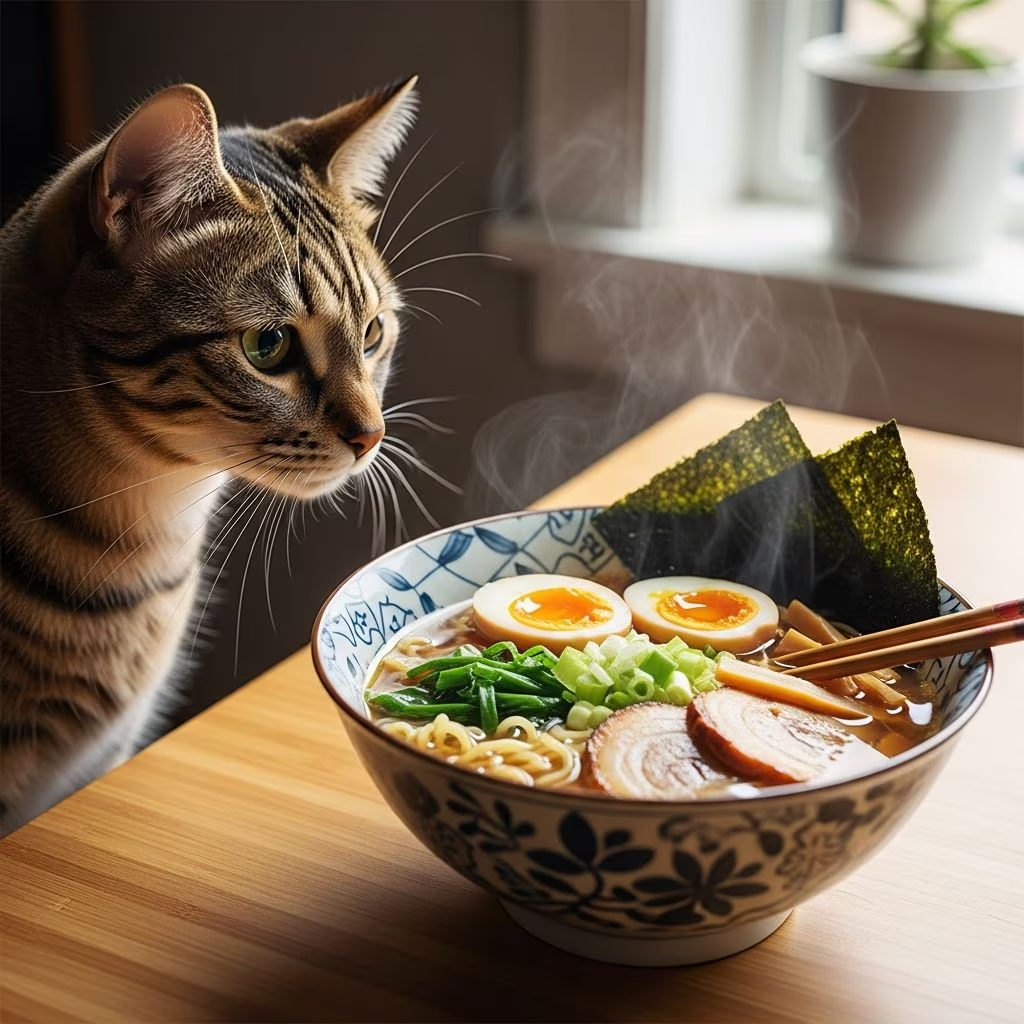
Ramen noodles, a popular quick meal for humans, are not safe for cats. These processed foods lack the essential nutrients cats need as obligate carnivores and contain harmful ingredients like excessive sodium, artificial additives, and potentially toxic seasonings such as garlic and onion powder. While a tiny nibble of plain noodles might not cause immediate harm, regular or larger consumption can lead to serious health issues including dehydration, digestive upset, kidney damage, and obesity.
Cats require a high-protein, low-carbohydrate diet primarily from meat sources. Ramen noodles are carbohydrate-heavy, providing empty calories that offer no nutritional value and can disrupt a cat’s balanced diet. Veterinary experts emphasize sticking to commercially prepared cat food to meet taurine, arachidonic acid, and other vital needs that ramen cannot fulfill.
The Dangers of Ramen Noodles for Cats
Ramen noodles present multiple risks due to their composition. Instant varieties often include seasoning packets loaded with salt, MSG, preservatives, and spices that are outright dangerous for felines.
- High Sodium Content: A single serving of ramen can contain over 1,500mg of sodium, far exceeding a cat’s daily needs. Excess salt leads to thirst, dehydration, vomiting, and long-term issues like hypertension and kidney strain.
- Toxic Seasonings: Many flavors include garlic, onion, or chili powders. These contain compounds like N-propyl disulfide that damage red blood cells, causing hemolytic anemia.
- Artificial Additives: MSG and preservatives can trigger gastrointestinal distress, allergic reactions, or neurological symptoms in sensitive cats.
- High Fat and Carbs: Fried noodles contribute empty calories, promoting weight gain, diabetes, and pancreatitis.
- Choking Hazard: Long, slippery strands pose a suffocation risk, especially for kittens or fast eaters.
Even plain boiled ramen lacks amylase enzymes in cats’ saliva, making carb digestion inefficient and leading to bloating or diarrhea.
Nutritional Breakdown: Why Ramen Fails Cats
Cats are obligate carnivores, meaning their biology is optimized for meat. Ramen’s profile mismatches this:
| Nutrient | Ramen Noodles (per serving) | Cat’s Daily Needs (avg. adult) | Impact on Cats |
|---|---|---|---|
| Protein | ~8-10g (mostly from wheat) | 20-30g+ (animal-based) | Insufficient; leads to muscle wasting |
| Fat | 15-20g (often palm oil) | 5-10g (animal fats) | Excess causes obesity, pancreatitis |
| Carbs | 60g+ | <10% of diet | Digestion issues, diabetes risk |
| Sodium | 1,500mg+ | <100mg | Dehydration, kidney damage |
| Taurine | 0mg | 250-500mg | Heart/eye disease without it |
This table highlights ramen’s inadequacy. Over-reliance displaces nutrient-dense kibble or wet food, risking malnutrition.
How Much Ramen Noodles Can Cats Eat?
Veterinarians recommend zero ramen as a regular treat. A single strand occasionally might pass without issue in healthy adults, but frequency matters. Small amounts accumulate sodium and fats, straining organs over time. Kittens, seniors, or cats with conditions like kidney disease face amplified risks—even tiny portions can tip balances.
Monitor intake: If begging occurs, redirect to cat-safe options. Quantity thresholds vary by cat size and health, but err on none to avoid cumulative harm.
Can Cats Eat Plain Ramen Noodles?
Plain ramen (boiled without seasoning) is less risky but still unwise. It omits toxins like garlic yet retains high sodium from boiling water retention, carbs cats poorly process, and preservatives in dried noodles. No nutritional upside justifies it over proper treats. Occasional microscopic tastes won’t kill, but it’s not ‘safe’—better alternatives abound.
Spicy Ramen Noodles: A Definite No
Spicy varieties amplify dangers with capsaicin, irritating mouths, throats, and stomachs. Symptoms include drooling, pawing at face, vomiting, and diarrhea. Combined with garlic/onion in packets, toxicity escalates to anemia or organ failure. Keep far from reach—fumes alone irritate sensitive noses.
What If My Cat Ate Ramen Noodles?
Act swiftly if ingestion occurs:
- Assess Amount: Tiny nibble? Monitor. Full serving? Vet immediately.
- Remove Access: Clear all remnants.
- Watch Symptoms: Vomiting, diarrhea, lethargy, thirst, drooling, breathing issues, or weakness signal trouble.
- Hydrate: Offer fresh water.
- Contact Vet: Describe ingredients/quantity. Induce vomiting only on professional advice.
Most recover from small amounts, but delays worsen outcomes. Plain noodles: mild upset. Seasoned: potential poisoning.
Symptoms of Ramen Toxicity in Cats
- Excessive thirst/urination
- Vomiting/diarrhea
- Lethargy/weakness
- Drooling/pawing mouth
- Abdominal pain (hunching)
- Difficulty breathing
- Red eyes/nose irritation
- Loss of appetite
Onset: 30min-24hrs. Severe cases need IV fluids, monitoring.
Healthier Alternatives to Ramen for Cats
Skip human junk; opt for:
- Commercial Treats: Freeze-dried meat bits (low-cal, high-protein).
- Homemade: Boiled chicken/turkey (plain, small pieces).
- Veggies: Steamed broccoli/cucumber (fiber, hydration).
- Cat-Safe Pasta: Tiny plain pasta bits occasionally, but prioritize protein.
- Interactive Feeders: Puzzle toys with kibble mimic hunting.
Limit treats to 10% diet. Consult vet for personalized plans.
Preventing Cats from Eating Human Food
Begging stems from scent appeal. Strategies:
- Feed scheduled meals of quality food.
- Elevate bowls during yours.
- Use deterrents like citrus sprays.
- Train ‘leave it’ with rewards.
- Enrich environment: toys, scratching posts.
Consistency breaks habits, promoting health.
Frequently Asked Questions (FAQs)
Q: Can cats die from eating ramen noodles?
A: Yes, large amounts or toxic seasonings can cause fatal sodium poisoning, anemia, or pancreatitis. Small nibbles rarely lethal but risky.
Q: Are there safe noodles for cats?
A: Plain cooked pasta sparingly ok, but no benefits. Stick to meat-based treats.
Q: Will my cat get addicted to ramen?
A: Possible; flavorful foods displace kibble, leading to picky eating. Avoid to prevent.
Q: What if my cat gets sick after ramen?
A: Vet ASAP. Withhold food, hydrate, monitor. Switch to vet-recommended diet post-recovery.
Q: Is instant ramen worse than fresh?
A: Instant far worse due to packets. Both unhealthy, but fresh plain marginally better.
Conclusion: Keep Ramen for Humans Only
Prioritize your cat’s health—ramen isn’t worth risks. A meat-centric diet ensures vitality. Consult vets for tailored advice, catching issues early.
References
- Can Cats Eat Ramen Noodles? Vet-Verified Facts — Huston Veterinary Clinic. 2023-05-15. https://hustonveterinary.com/can-cats-eat-ramen-noodles/
- Can Cats Eat Ramen Spicy Noodles? Spicy Noodle Risks — Dial A Vet. 2024-02-20. https://www.dialavet.com/blog/can-cats-eat-ramen-spicy-noodles
- Can Cats Eat Ramen Noodles? What You Need to Know! — Hepper Pet Resources. 2024-08-10. https://articles.hepper.com/can-cats-eat-ramen-noodles/
- Can Cats Eat Pasta? Get the Relevant Facts! — Untamed Cat Food (Veterinary Nutrition Insights). 2023-11-05. https://untamed.com/blogs/nutrition/can-cats-eat-pasta
- Cat Ate Ramen Noodles – Vet Answers — Dial A Vet. 2024-06-12. https://www.dialavet.com/vet-answers/cat-ate-ramen-noodles-184369



