Can Cats Eat Rabbit? Vet-Verified Health Risks & Precautions
Learn if rabbit is safe for cats, nutritional benefits, and how to feed it properly.
Can Cats Eat Rabbit? A Complete Nutritional Guide
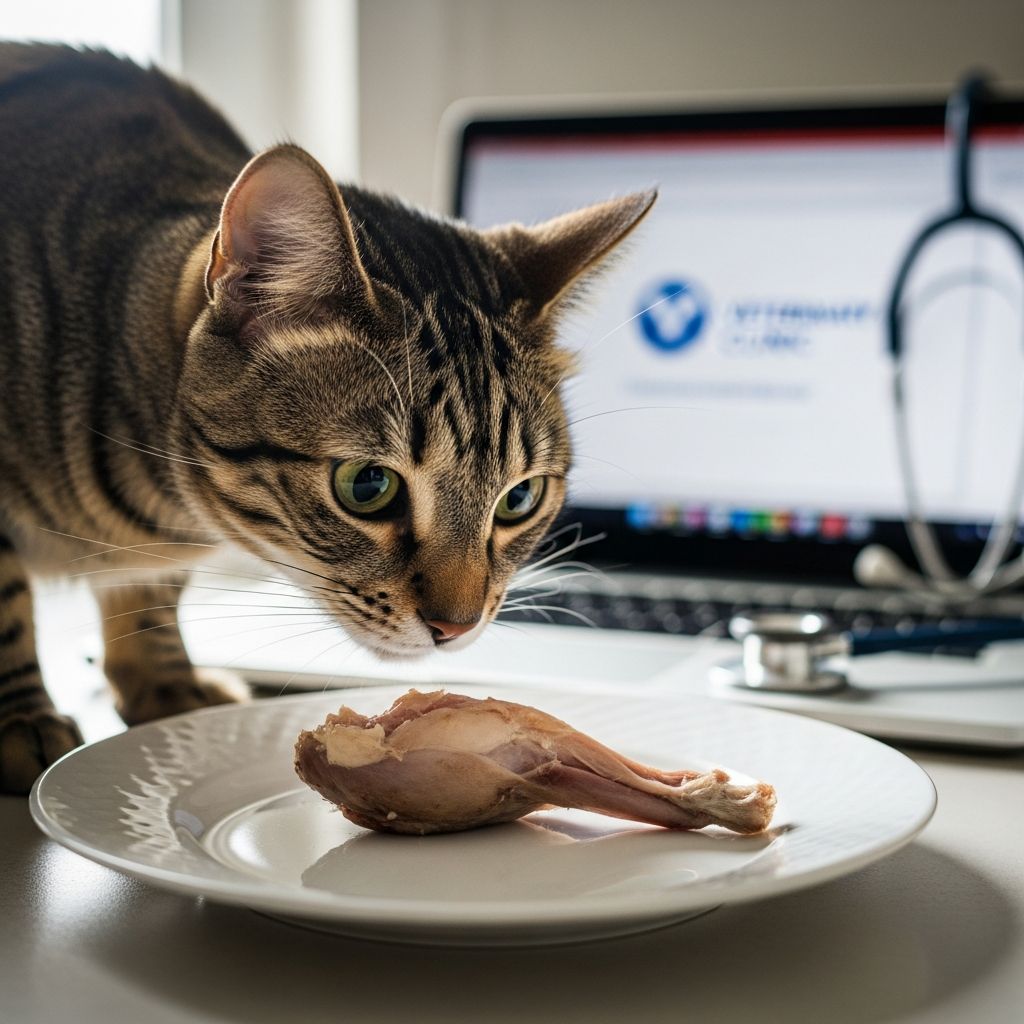
Cats are obligate carnivores with a natural instinct to hunt, making rabbit an intriguing dietary option for many pet owners. The question of whether cats can eat rabbit meat is one that generates considerable interest, especially among those exploring raw diets or novel protein sources for their felines. The straightforward answer is yes—cats can eat rabbit meat—but this comes with important caveats regarding preparation, sourcing, and nutritional balance that every cat owner should understand.
Is Rabbit Safe for Cats to Eat?
Rabbit meat is generally safe for cats when prepared appropriately. Since cats are obligate carnivores requiring animal protein to thrive, rabbit represents a nutritionally sound protein source. However, safety depends critically on how the rabbit is sourced and prepared.
- Cooked rabbit meat is significantly safer than raw, eliminating most pathogenic risks
- Farm-raised rabbit is preferable to wild-caught due to lower disease transmission risk
- Properly sourced commercial rabbit cat foods from reputable brands are formulated to meet feline nutritional standards
- Raw rabbit requires careful handling and sourcing from trusted suppliers to minimize parasite exposure
The key distinction lies in preparation methods. Cooked rabbit meat reduces infection risks substantially, while wild rabbits pose greater health concerns due to potential disease exposure and parasite loads.
Nutritional Benefits of Rabbit for Cats
Rabbit meat offers several compelling nutritional advantages that make it an appealing dietary option for felines:
High-Quality Protein Content
Rabbit meat contains more protein per pound than chicken, turkey, lamb, beef, or pork, making it an excellent choice for maintaining lean muscle mass and providing sustained energy. This superior protein profile supports muscle maintenance, tissue repair, and overall metabolic function in cats.
Low Fat Profile
With a fat content of approximately 5.3%, rabbit meat is considerably leaner than many alternative proteins. Chicken contains over 9% fat, while beef and lamb contain even higher percentages. This lean composition makes rabbit particularly suitable for cats requiring weight management or those prone to obesity.
Omega-3 Fatty Acids
Rabbit meat is rich in omega-3 fatty acids, including eicosapentaenoic acid (EPA) and docosahexaenoic acid (DHA). These essential nutrients provide multiple health benefits for feline companions:
- Improve coat quality, skin health, and nail strength
- Support joint mobility, particularly beneficial for aging cats or those with arthritis
- Possess anti-inflammatory properties helpful for cats with allergies or skin conditions
- Promote brain, heart, and kidney health
Essential B Vitamins
Rabbit meat provides substantial quantities of vitamin B3 (niacin) and vitamin B12. Niacin supports healthy skin, nervous system function, and digestive health, while B12 is essential for digestive tract function, immune system support, and ocular health.
Mineral Content
Rabbit meat is abundant in several critical minerals, including selenium for improved skin condition and immune function, calcium for bone and teeth strength, phosphorus for bone health, and magnesium and potassium for overall physiological function.
Potential Risks When Feeding Rabbit to Cats
Despite its nutritional benefits, rabbit consumption carries specific health considerations that responsible pet owners must understand:
Parasites and Bacterial Pathogens
Raw rabbit meat can harbor dangerous parasites like Toxoplasma gondii and bacterial pathogens including Salmonella and Listeria. These organisms can cause serious gastrointestinal illness, particularly in immunocompromised cats. Wild rabbits present particularly high risk due to their exposure to environmental contaminants.
Bone-Related Hazards
While some raw feeders include whole prey, cooked rabbit bones pose significant dangers to cats. Cooked bones become brittle and prone to splintering, potentially causing choking, intestinal blockages, or internal perforations. Even crushed cooked bones present risks of aspiration or digestive tract damage.
Allergic Reactions
Though relatively uncommon, some cats may develop allergic sensitivities to rabbit protein. Introducing rabbit gradually allows owners to monitor for adverse reactions including itching, gastrointestinal upset, or skin inflammation.
Nutritional Imbalances
A critical concern identified through veterinary research is that rabbit-only diets may be insufficient in taurine, an essential amino acid for cats. Taurine deficiency can lead to dilated cardiomyopathy, a potentially fatal heart condition. Research indicates that rabbit samples typically contain only 20-90% of minimum recommended taurine concentrations established for commercial cat foods.
Safe Feeding Guidelines for Rabbit Meat
If you choose to incorporate rabbit into your cat’s diet, follow these evidence-based guidelines:
Preparation and Cooking
- Cook rabbit meat thoroughly through boiling or baking without seasoning
- Avoid adding salt, garlic, onions, or other seasonings that may be harmful to cats
- Ensure internal temperatures reach appropriate levels to eliminate pathogens
- Allow meat to cool to room temperature before serving
Bone Removal
Always remove all bones before serving rabbit to your cat, regardless of whether the meat is raw or cooked. Bone fragments pose significant injury risks and should never be offered to felines.
Gradual Introduction
Introduce rabbit meat gradually, starting with small portions to allow your cat’s digestive system to adjust. Monitor for any signs of allergic reactions, digestive upset, vomiting, or diarrhea during the introduction period.
Dietary Balance
Rabbit meat should never comprise the entirety of your cat’s diet. It should be part of a complete and balanced diet that meets Association of American Feed Control Officials (AAFCO) nutrient profile guidelines. Many commercial cat foods include rabbit as one ingredient among others, ensuring nutritional completeness.
Veterinary Consultation
Before introducing rabbit meat, especially if your cat has pre-existing health conditions, special dietary needs, or is taking medications, consult your veterinarian. They can assess your individual cat’s health status and provide personalized feeding recommendations.
Raw Rabbit Meat Considerations
Some cat owners practice raw feeding, including raw rabbit meat. While cats possess the digestive capacity to process raw meat, this approach requires careful consideration:
Parasite Risk Mitigation
Raw rabbit may contain parasites like Toxoplasma gondii. To reduce risk, freeze raw meat at -4°F (-20°C) for at least three days, which can kill many parasites. However, freezing does not eliminate all pathogens.
Sourcing Importance
If feeding raw rabbit, source from trusted suppliers who follow food safety protocols. Several commercial brands, including Primal, Viva Raw, and Stella & Chewy’s, produce raw rabbit cat food formulated to minimize pathogenic risks while maintaining nutritional completeness.
Hygiene Protocols
Maintain strict hygiene when handling raw meat, including separate utensils, cutting surfaces, and handwashing to prevent cross-contamination with human food or other surfaces.
Professional Guidance
Always consult your veterinarian before initiating a raw diet. Vets can discuss breed-specific considerations, individual health factors, and ensure the diet meets your cat’s complete nutritional requirements.
Wild Rabbits and Hunting Behavior
Cats are natural hunters with instinctive prey drives that may manifest as hunting wild rabbits. While this behavior reflects their evolutionary heritage, it carries substantial health risks:
Disease Transmission
Wild rabbits can carry serious diseases transmissible to cats, including Tularemia (rabbit fever), which can be fatal. Additionally, wild rabbits may harbor parasites or bacterial infections hazardous to feline health.
Injury Risks
Hunting and consuming prey—particularly the bones—can result in injuries including bite wounds, choking hazards, or internal damage from bone fragments.
Environmental Toxins
Wild rabbits may have ingested pesticides, herbicides, or other environmental toxins that accumulate in their tissues, potentially poisoning cats that consume them.
Monitoring Recommendations
If your cat hunts and consumes wild rabbits, monitor their health carefully. Watch for vomiting, lethargy, diarrhea, abdominal pain, or other symptoms suggesting illness. Seek veterinary attention immediately if concerning signs develop, informing your vet that your cat has consumed wild prey.
Commercial Rabbit-Based Cat Foods
Many reputable pet food manufacturers have developed rabbit-inclusive formulas for cats. Brands such as Instinct, Stella & Chewy’s, and Dr. Elsey’s incorporate rabbit meat into complete and balanced diets formulated to meet AAFCO standards. These commercial options provide a convenient, nutritionally complete alternative to home-prepared rabbit, with the advantage of professional formulation ensuring adequate taurine and other essential nutrients.
Frequency and Portion Guidelines
Rabbit meat can be fed daily as part of a balanced diet, much like beef, chicken, or fish. However, it should not constitute the entire diet. A reasonable approach includes offering rabbit-based meals several times weekly while rotating other protein sources and ensuring adherence to AAFCO nutrient profile guidelines for complete and balanced nutrition.
Special Considerations for Cats with Allergies
Rabbit serves as an excellent novel protein source for cats with allergies to common meats like chicken or beef. The limited exposure history and distinct amino acid profile make rabbit suitable for elimination diets or when managing food-related sensitivities. However, introduce rabbit gradually during allergy management protocols to ensure it does not trigger reactions, and work with your veterinarian to confirm dietary improvements before concluding that rabbit resolves allergic issues.
Frequently Asked Questions
Q: Can cats eat raw rabbit meat safely?
A: Raw rabbit meat carries parasite and bacterial pathogen risks. While freezing at -4°F for three days can reduce parasite burden, cooking is the safest preparation method. If interested in raw feeding, use commercial raw cat food brands specifically formulated for feline nutrition and always consult your veterinarian first.
Q: Is rabbit meat beneficial for cats with food allergies?
A: Yes, rabbit functions as a novel protein source and can help cats with sensitivities to common meats like chicken or beef. Introduce it gradually while monitoring for allergic reactions, and work with your vet to confirm dietary improvements.
Q: Can cats eat rabbit bones?
A: No, cooked rabbit bones can splinter and cause choking, intestinal blockages, or internal injuries. Always remove all bones before serving rabbit to your cat, whether raw or cooked.
Q: How often can I feed rabbit meat to my cat?
A: Rabbit meat can be fed daily as part of a complete and balanced diet. However, it should not be the sole protein source. Feeding rabbit a few times weekly while rotating other proteins ensures nutritional diversity and completeness.
Q: Does rabbit meat contain adequate taurine for cats?
A: Rabbit meat typically contains insufficient taurine compared to commercial cat food standards. If feeding rabbit exclusively or predominantly, taurine supplementation is recommended. Veterinary research indicates the need for further study on taurine requirements for cats consuming whole-prey or raw diets.
Q: What should I do if my cat hunts wild rabbits?
A: Monitor your cat’s health closely for symptoms including vomiting, lethargy, or diarrhea. Contact your veterinarian immediately if concerning signs develop, informing them that your cat has consumed wild prey. Prevent future hunting when possible, as wild rabbits carry disease risks including Tularemia.
Q: Are there commercial cat foods made with rabbit?
A: Yes, reputable brands including Instinct, Stella & Chewy’s, Dr. Elsey’s, Primal, and Viva Raw produce rabbit-inclusive cat foods formulated to meet AAFCO nutritional standards, providing a convenient alternative to home-prepared rabbit.
References
- Rabbit Carcasses for Use in Feline Diets: Amino Acid and Nutrient Analysis — National Center for Biotechnology Information (NCBI). 2021. https://www.ncbi.nlm.nih.gov/pmc/articles/PMC7859488/
- Can a Cat Eat a Rabbit? Safety & Nutrition Guide — Zoorithm. https://www.zoorithm.com/cats/can-a-cat-eat-a-rabbit
- Can Cats Eat Rabbit? — Wag! Walking. https://wagwalking.com/wellness/can-cats-eat-rabbit
- Rabbit Meat — Feline Future Cat Food Company. https://tcfeline.com/rabbit-meat/
Similar Articles







Read full bio of medha deb