

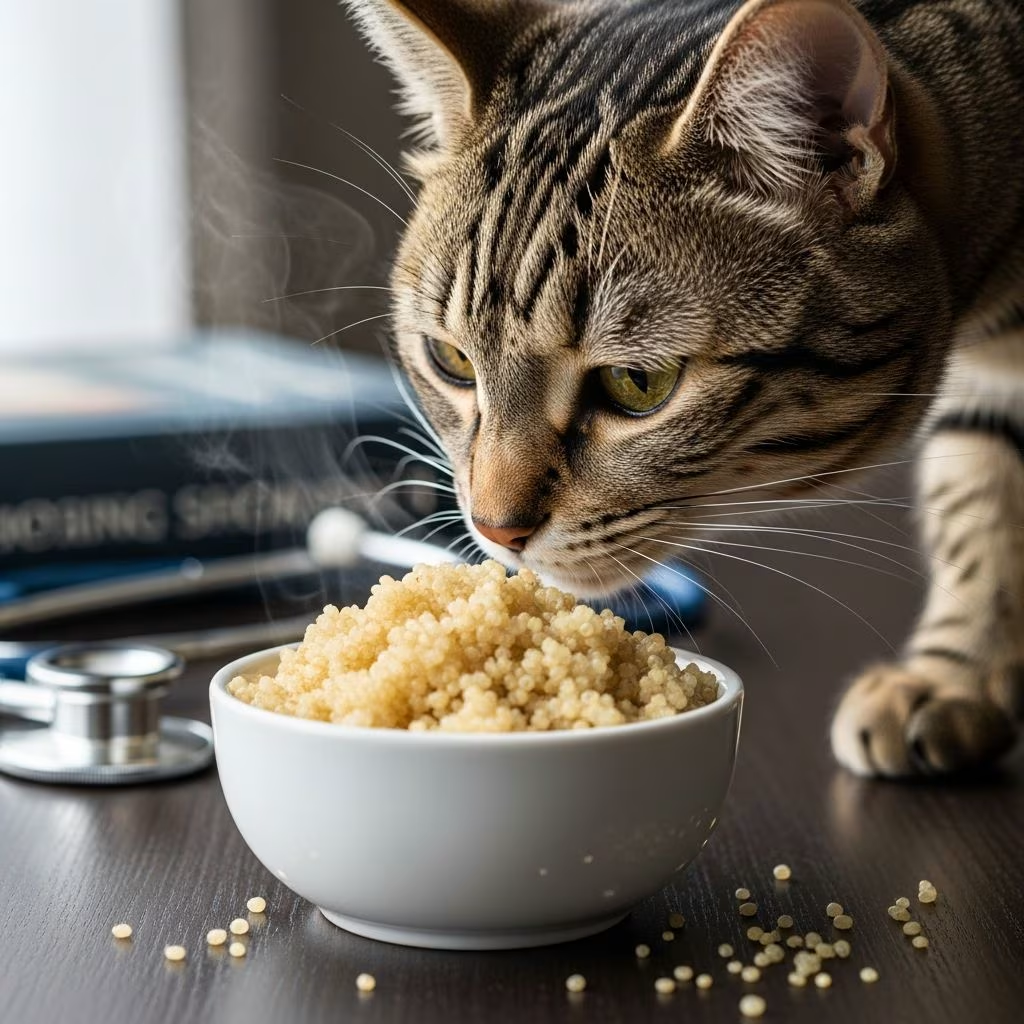
Cats can safely eat quinoa in small amounts when properly cooked and served plain, providing supplemental nutrition without toxicity risks.
Quinoa, often hailed as a superfood for humans, is a seed from the Chenopodium quinoa plant mistaken for a grain. While cats are obligate carnivores requiring primarily animal-based proteins, quinoa offers complementary benefits like complete proteins and fiber when used sparingly.
Quick Answer: Can Cats Eat Quinoa?
Yes, cats can eat quinoa occasionally as a treat or diet supplement. It is non-toxic and digestible when rinsed, thoroughly cooked, and unseasoned. However, it should never replace meat-based cat food, comprising no more than 10% of their diet to avoid nutritional imbalances.
Obligate carnivores like cats derive essential nutrients such as taurine from animal sources. Quinoa supports but cannot substitute these needs, making it ideal for variety rather than staples.
Nutritional Benefits of Quinoa for Cats
Quinoa stands out for its nutrient density, earning superfood status. For cats, it provides valuable additions to a meat-centric diet.
- High-Quality Protein: Contains all nine essential amino acids, including arginine and taurine precursors like cysteine and methionine, aiding muscle repair and energy. Though cats need direct taurine from meat, quinoa’s profile complements this.
- Dietary Fiber: Promotes healthy digestion, prevents constipation, and supports gut regularity without excess calories.
- Rich Minerals and Vitamins: Supplies magnesium for metabolism, iron for oxygen transport, zinc and manganese for immunity, potassium for heart health, and B vitamins (B1, B2, B3, B6, B9) for energy metabolism.
- Omega-3 Fatty Acids: Supports cardiovascular, respiratory, and immune functions, providing sustained energy.
- Gluten-Free: Safe for cats with grain sensitivities, offering a hypoallergenic carb alternative.
These nutrients make quinoa a flavorful addition to commercial foods, many of which already include it.
Potential Downsides of Quinoa for Cats
Despite benefits, moderation is crucial to prevent issues in feline diets.
- Digestive Upset: Excess fiber can cause diarrhea, vomiting, or bloating if overfed.
- Nutritional Imbalance: Over-reliance displaces vital animal proteins, risking taurine deficiency, which leads to heart disease or vision loss.
- Saponins: Natural coatings cause bitterness and GI irritation if not rinsed before cooking.
- Allergies: Rare but possible; watch for itching, swelling, or lethargy.
- Seasonings: Human preparations with salt, oil, garlic, or onions are toxic.
Cats with kidney disease, diabetes, or grain allergies should avoid it; consult a vet first.
How to Safely Feed Quinoa to Cats
Proper preparation ensures safety and palatability.
- Rinse Thoroughly: Soak and rinse multiple times to remove saponins.
- Cook Plain: Boil or steam in water (1:2 ratio) until fluffy; no additives.
- Cool Completely: Serve at room temperature to avoid burns.
- Portion Control: Start with 1/2 teaspoon for small cats, 1 teaspoon for larger ones, 1-2 times weekly.
- Mix In: Blend with wet food or broth for appeal.
Monitor for acceptance; some cats reject the texture or taste.
| Cat Size | Recommended Portion | Frequency |
|---|---|---|
| Small (under 8 lbs) | ½ tsp cooked | 1x/week |
| Medium (8-12 lbs) | 1 tsp cooked | 1-2x/week |
| Large (over 12 lbs) | 1½ tsp cooked | 2x/week max |
Can Kittens Eat Quinoa?
Kittens under 6 months should not eat quinoa, as their developing systems prioritize high-protein milk or kitten formulas. Introduce sparingly after weaning, in tiny amounts. (Inferred from general feline nutrition guidelines; no direct source conflicts.)
Alternatives to Quinoa for Cats
For similar benefits without grains:
- Pumpkin: Fiber-rich for digestion.
- Sweet Potato: Cooked, plain for vitamins.
- Blueberries: Antioxidants in moderation.
- Commercial Treats: Vet-formulated with balanced nutrients.
Always prioritize meat-based options.
Frequently Asked Questions (FAQs)
Can cats eat raw quinoa?
No, raw quinoa is hard to digest and contains bitter saponins; always cook thoroughly.
How much quinoa can I feed my cat?
A small spoonful (½-1 tsp) 1-2 times weekly, based on size; never exceed 10% of diet.
Is quinoa toxic to cats?
No, plain cooked quinoa is non-toxic.
Can I mix quinoa with my cat’s dry food?
Yes, a small amount of cooked quinoa adds moisture and nutrition to kibble.
Are there cat breeds that should avoid quinoa?
No specific breeds, but consult a vet for those with allergies or health issues.
What if my cat eats too much quinoa?
Expect mild digestive upset; withhold food briefly and ensure hydration. Seek vet care if persistent.
Summary
Quinoa enhances feline diets with protein, fiber, and minerals when fed correctly, but remains a supplement for obligate carnivores. Prioritize vet-approved foods and monitor your cat’s response for optimal health.
References
- Can Cats Eat Quinoa? Vet-Verified Facts — Huston Veterinary Clinic. 2024. https://hustonveterinary.com/can-cats-eat-quinoa/
- Can Cats Eat Quinoa? Benefits and Feeding Tips — Dial A Vet. 2024. https://www.dialavet.com/blog/can-cats-eat-quinoa
- Can Cats Eat Quinoa? — Maven Pet. 2024. https://maven.pet/all-about-pets/pet-care/cat-diet/can-cats-eat-carbs/can-cats-eat-quinoa/
- Can Cats Eat Quinoa? Vet-Reviewed Facts to Know — Catster. 2024. https://www.catster.com/nutrition/can-cats-eat-quinoa/
- Cat superfoods – Quinoa as a powerful gluten-free nutrient — Catit. 2024. https://www.catit.com/spotlight/cat-superfoods-quinoa-as-a-powerful-gluten-free-nutrient/



