

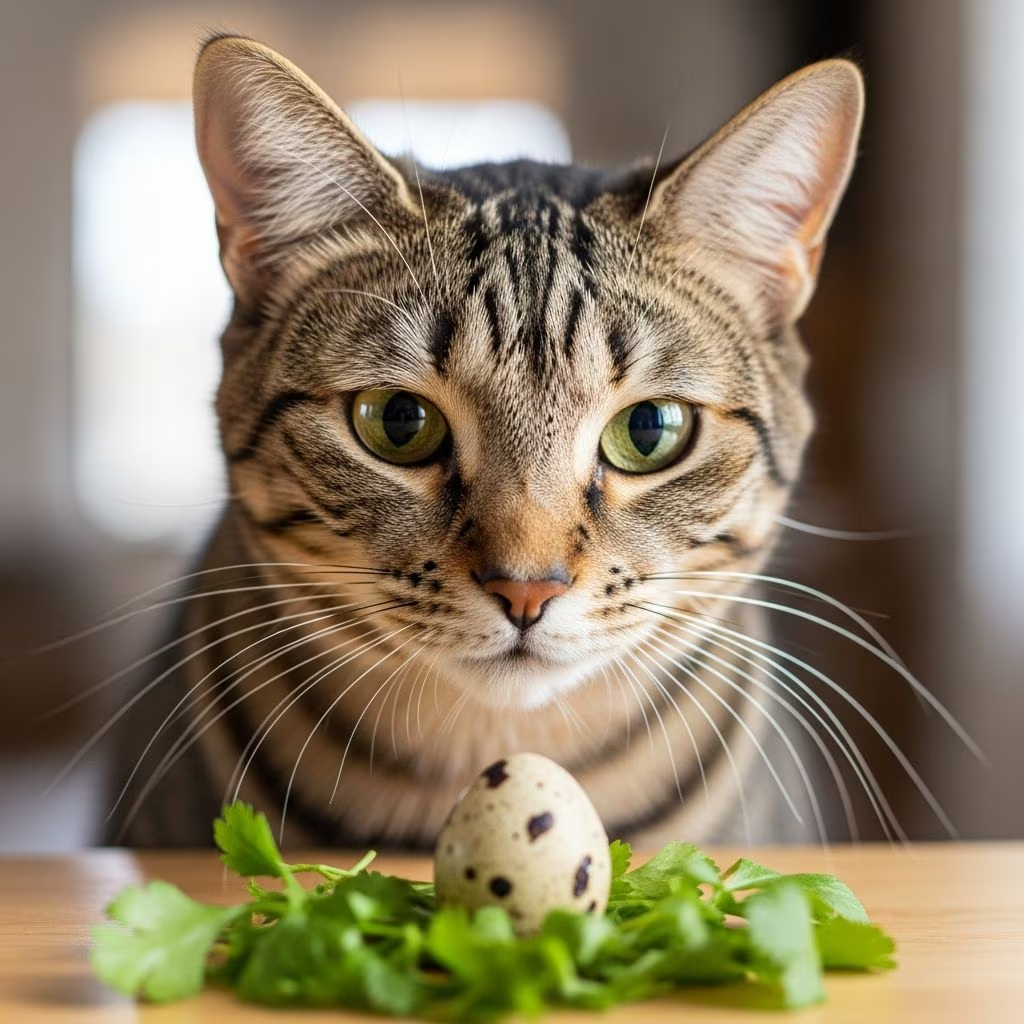
Can Cats Eat Quail Eggs? A Comprehensive Guide
Like chicken eggs, quail eggs can serve a very nutritionally beneficial purpose for cats. Yes, cats can have quail eggs scrambled or boiled, but eggs should always be cooked before serving to your feline companion. However, you will want to give your cat quail eggs in moderation, as they contain fat and should only be offered as occasional treats alongside a balanced, high-quality cat food diet.
Why Consult a Veterinarian First
Even though quail eggs are safe for most cats to consume, you should always consult a veterinarian before switching or adding anything to your cat’s diet. If your cat is immunocompromised in any way or has a particular health concern, an experienced vet might advise against feeding them quail eggs, or they could provide guidance on how to offer the eggs safely. Your veterinarian knows your cat’s specific health history and can give personalized recommendations.
Nutritional Benefits of Quail Eggs for Cats
Quail eggs certainly carry significant health benefits for cats. They are perfectly portioned for a nice little serving to add as a topper to dry kibble or wet cat food. These tiny eggs are packed with essential nutrients that complement a cat’s natural dietary needs. Let’s explore the key nutritional advantages:
1. High Protein Content
One of the most apparent benefits of cats eating quail eggs is the abundance of protein. Since cats are carnivores, they require and love all the animal protein they can get. Protein is an essential building block in their systems, helping the body create strong muscles, tendons, and other soft tissue, as well as aid tissue repair. One quail egg contains more than 1 gram of protein, which is an excellent little enhancement to your cat’s daily meals. This makes quail eggs particularly valuable for maintaining muscle mass and supporting overall body function.
2. Calcium Boost
Generally, cats get enough calcium in their daily diet from quality cat food. However, they can also get a boost from eating quail eggs. The shells are especially abundant in calcium, and some cats will enjoy crunching on these as well; others will ignore them entirely. You can include the shell when cooking the eggs, but many cats will pick it out. If your cat shows interest in the crunchy shell, this provides an additional calcium source that supports bone health and dental strength.
3. Vitamin and Mineral Content
Beyond protein and calcium, quail eggs contain a variety of vital nutrients. These eggs are packed with vitamins and minerals that can contribute to your cat’s overall health and wellbeing. The nutrient density of quail eggs, combined with their small size, makes them an efficient treat option that provides substantial nutritional value in a tiny package.
4. Digestive System Support
The fats present in quail eggs can help support a healthy digestive system. A healthy digestive system means fewer tummy issues and more purring. The balanced nutrient profile helps maintain proper digestive function, which is important for cats that may occasionally experience digestive sensitivities.
5. Immune System Enhancement
Quail eggs help support your cat’s immune system. With their rich nutrient profiles, these eggs can help ward off illnesses, providing an extra layer of protection for your feline companion. This immune support comes from the combination of proteins, vitamins, and other beneficial compounds found in these nutritious eggs.
Important Precautions When Feeding Quail Eggs
While quail eggs offer numerous benefits, there are important safety considerations you must understand before incorporating them into your cat’s diet. Being informed about potential risks helps you make the best decision for your pet’s health and safety.
Salmonella Risk and Raw Eggs
Even though some online blogs claim that Salmonella cannot grow in quail eggs, this is not true. A study published in the Turkish Journal of Veterinary and Animal Sciences discovered that almost 6% of the eggs tested were positive for Salmonella enteritidis. Feeding raw eggs that have not been in-shell pasteurized is not recommended due to this risk. Always cook quail eggs before serving them to your cat to eliminate any potential bacterial contamination. Boiling or scrambling without oils and seasonings are the safest preparation methods.
Recognizing Signs of Food Poisoning
Cats can contract certain foodborne illnesses from raw eggs, most commonly Salmonella. It can cause a range of gastrointestinal problems from very mild signs to severe symptoms. Watch for the following warning signs:
- Mild to severe fever
- Inappetence (loss of appetite)
- Diarrhea – mild to severe, potentially bloody
- Vomiting
- Lethargy
- Dehydration
- Coughing
- Septicemia
If your cat shows any of these signs, contact your veterinarian immediately for advice, evaluation, and treatment. Early intervention can prevent complications and help your cat recover quickly.
Fat Content Considerations
One quail egg has just under a gram of fat in it. While this might seem minimal, cats can easily become overweight, which can lead to numerous associated diseases. It is important that you keep this healthy snack to little and occasional portions. Obesity in cats is linked to diabetes, joint problems, and other serious health conditions, so moderation is essential when offering any high-fat treats.
Potential Allergic Reactions
Just like humans, some cats may have allergies to certain foods, including eggs. If you notice any signs of allergic reactions, such as itching, swelling, or any digestive issues after introducing quail eggs, you should refrain from offering them and contact your veterinarian. Start by offering only a small amount and monitor your cat carefully for any adverse reactions.
How to Safely Prepare Quail Eggs for Your Cat
Proper preparation is crucial for ensuring your cat can safely enjoy quail eggs. Here are the recommended methods:
- Boiled eggs: Boil the quail eggs until they are fully cooked through, then let them cool before serving. This method eliminates all bacterial risk.
- Scrambled eggs: Scramble the eggs without adding any oil, butter, salt, or seasoning. Keep them plain and simple for your cat.
- Avoid raw eggs: Even though some sources claim raw quail eggs are safe, the risk of bacterial contamination makes cooked eggs the safer choice.
- No seasonings or additives: Never add salt, garlic, onions, or other seasonings, as these can be harmful to cats.
- Cool before serving: Always allow cooked eggs to cool to room temperature before offering them to your cat.
Serving Size and Frequency Guidelines
The yolk of the egg is higher in calories, so only give quail eggs in moderation to your cat. For kittens, it’s recommended not to give eggshells to those under 6 months old, as they can’t process excess calcium as well as adult cats. Generally, quail eggs should only be offered as occasional treats, not as a regular part of your cat’s daily diet. One whole quail egg or even half of one serves as an adequate treat portion for most adult cats.
Quail Eggs vs. Chicken Eggs for Cats
| Feature | Quail Eggs | Chicken Eggs |
|---|---|---|
| Protein per egg | 1+ gram | Higher total protein |
| Size | Very small, portion-controlled | Large, requires portioning |
| Nutrient density | High concentration of nutrients | Good nutritional profile |
| Fat content | Just under 1 gram per egg | Higher fat content |
| Salmonella risk | Present in raw eggs (6% contamination rate) | Present in raw eggs |
| Shell calcium | Abundant if included | Present but larger quantity |
Frequently Asked Questions About Quail Eggs for Cats
Q: Are quail eggs safe for all cats?
A: While most cats can safely eat quail eggs, some may have allergies or dietary restrictions. It’s always best to check with your veterinarian before adding quail eggs to their diet to ensure they’re appropriate for your specific cat.
Q: Can I feed my cat raw quail eggs?
A: Raw quail eggs can carry salmonella, so it’s advisable to cook the eggs before serving them to your cat for safety. The risk, while relatively low, is not worth taking when cooked alternatives are readily available.
Q: How should I prepare quail eggs for my cat?
A: Cooking quail eggs by boiling or scrambling them is a safe way to serve them. Always ensure they’re cooked adequately to avoid any risks, and never add seasonings, oils, or other ingredients.
Q: What if my cat doesn’t like quail eggs?
A: No problem at all! Every cat has different tastes and preferences. If your furry friend isn’t interested, try offering them alternative treats or foods they enjoy instead.
Q: Can quail eggs replace regular cat food?
A: While nutritious, quail eggs should only be offered as a treat and not replace a balanced meal plan tailored to your cat’s nutritional needs. Cats need a complete and balanced diet from quality commercial cat food, with quail eggs serving as an occasional supplement.
Q: How often can I give my cat quail eggs?
A: Quail eggs should be given sparingly, only as occasional treats, not as a regular part of your cat’s daily diet. Due to their fat content, moderation is necessary to prevent weight gain and maintain overall health.
Q: Are there any signs I should watch for after feeding quail eggs?
A: After introducing quail eggs, monitor your cat for signs of allergic reactions or digestive upset. If you notice vomiting, diarrhea, lethargy, or other unusual symptoms, discontinue quail eggs immediately and contact your veterinarian.
Final Thoughts on Quail Eggs for Your Cat
Cats can eat quail eggs in moderation. Like chicken eggs, quail eggs can provide numerous benefits to your cat, but it’s important to consult with your vet before adding anything new to your cat’s diet. If you do feed quail eggs to your cat, it’s best to feed them boiled or cooked, as feeding raw eggs can allow harmful bacteria to enter your cat’s digestive system. Quail eggs are high in fat as well as protein, so moderation is necessary to prevent your cat from becoming overweight. They should only be given as treats alongside a good-quality cat food diet.
When introduced properly and served appropriately, quail eggs can be a delightful and nutritious occasional treat that your cat will enjoy. Remember to always prioritize your cat’s overall dietary balance and consult with your veterinarian before making any significant changes to their diet. Your cat’s health and happiness should always be the top priority.
References
- Can Cats Eat Quail Eggs? Vet-Approved Nutritional Benefits & Facts — Catster. 2025. https://www.catster.com/nutrition/can-cats-eat-quail-eggs/
- Can Cats Eat Quail Eggs? Vet-Verified Facts — Hustonveterinary.com. 2025. https://hustonveterinary.com/can-cats-eat-quail-eggs/
- Can cats eat eggs? — Bella+Duke. 2025. https://www.bellaandduke.com/cats/expert-advice/cat-nutrition/can-cats-eat-eggs/



