

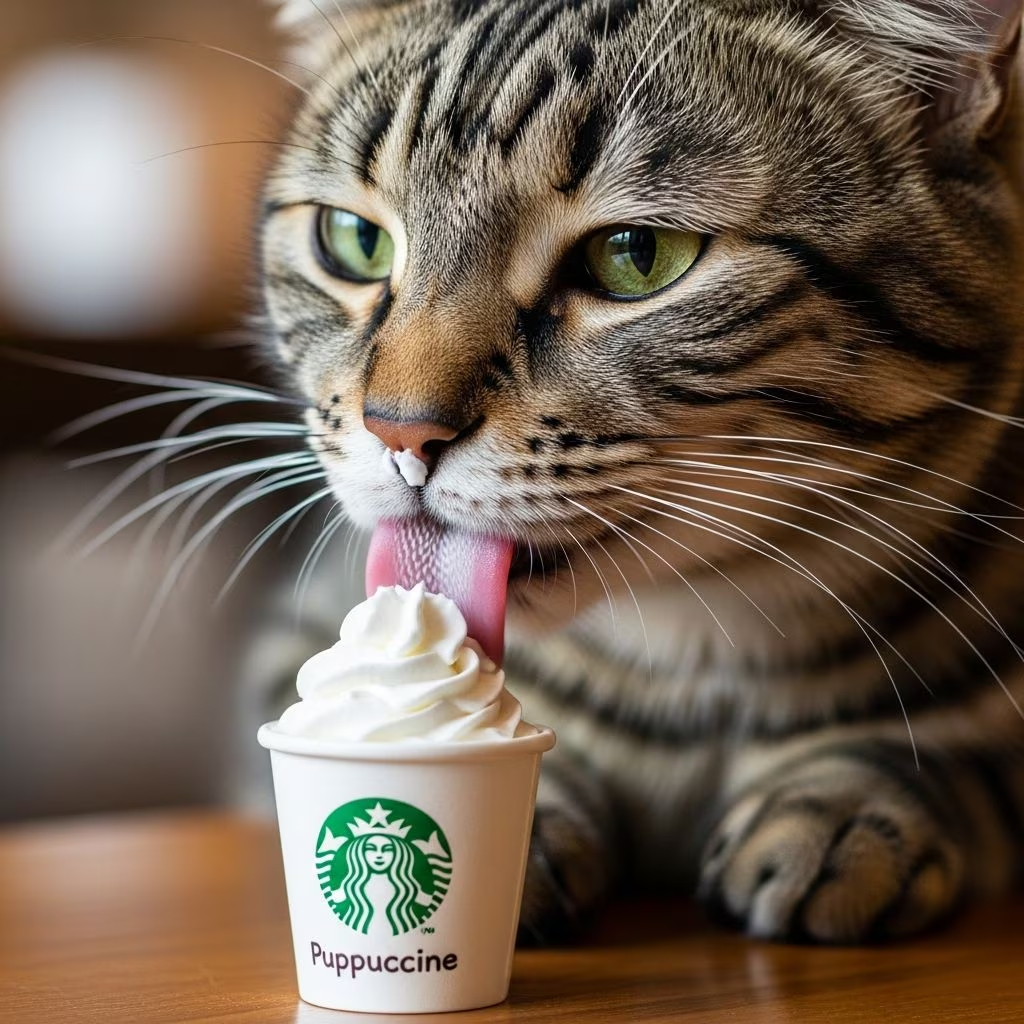
Can Cats Eat Puppuccino From Starbucks?
Many cat owners enjoy treating their feline companions to special snacks, especially when visiting popular coffee shops like Starbucks. The iconic Puppuccino, a free treat designed for dogs, has become a beloved offering for pet owners everywhere. But what if your adventurous cat accompanies you on a trip to Starbucks? Can cats enjoy Puppuccinos safely, or should this treat remain exclusively for our canine friends?
Yes, cats can technically have Puppuccinos, as they contain no inherently toxic ingredients. However, this doesn’t mean they should consume them regularly or that they’re healthy for feline dietary needs. Understanding the composition of Puppuccinos and how cats metabolize their ingredients is essential before offering this treat to your pet.
What Are Puppuccinos?
A Puppuccino, despite its cappuccino-inspired name, contains no coffee or caffeine—ingredients that would be dangerous for cats and dogs alike. Instead, Starbucks offers these cups as small servings of whipped cream, served cold in a cup specifically marketed toward canine companions.
The simplicity of the ingredient list is somewhat deceiving. While whipped cream may sound harmless, the composition includes several elements that warrant careful consideration for feline consumption. Puppuccinos are formulated with dogs’ dietary tolerances in mind, not cats’, making them fundamentally unsuitable for regular feline consumption despite their technical safety.
Ingredient Breakdown of Puppuccinos
Understanding what goes into a Puppuccino helps explain why veterinarians recommend caution when it comes to feline consumption. The primary ingredients include:
- Cream
- Water
- Sugar
- Natural flavor
- Potassium sorbate (preservative)
- Citric acid
While some of these ingredients sound concerning due to their chemical-sounding names, understanding each component individually reveals which elements actually pose risks to cats and which are generally recognized as safe.
Cream Content
Cream serves as the primary ingredient in Puppuccinos, and it’s where most dietary concerns arise. Dairy products contain varying levels of lactose, a milk sugar that cats struggle to digest. As cats reach adulthood, they naturally become lactose intolerant, losing the ability to break down lactose efficiently. This is a completely normal biological process in felines.
While cream contains lower lactose levels compared to raw milk, it still presents digestive challenges for most adult cats. Small amounts of cream-based products generally won’t cause immediate harm unless your cat has a severe lactose intolerance, but repeated exposure can lead to digestive upset and discomfort.
Sugar Content
The added sugar in whipped cream makes the product appealing to humans, but cats cannot taste sweet flavors. Cats lack functional sweet taste receptors, meaning they don’t enjoy the sweetness that sugar provides. Instead, they likely appreciate the fat and protein content in dairy products. Sugar adds no nutritional benefit to a cat’s diet and, in excessive amounts, can contribute to serious health issues including obesity and diabetes.
Citric Acid
Citric acid appears in the ingredient list as a flavor enhancer in the vanilla syrup. While citric acid can be toxic to cats in concentrated amounts—potentially causing gastrointestinal upset and nerve damage in extreme cases—the quantity present in a single Puppuccino is negligible and poses minimal risk. However, this ingredient emphasizes why portion control and consumption frequency remain important.
Other Ingredients
Potassium sorbate and other preservatives, along with natural flavoring compounds, are considered safe and approved ingredients in commercial cat foods. These substances don’t pose direct toxicity concerns for feline consumption in the quantities present in a Puppuccino.
Are Puppuccinos Healthy for Cats?
Puppuccinos are not healthy for cats and should not become a regular part of their diet. While they won’t immediately harm an otherwise healthy cat if consumed occasionally in small amounts, they offer zero nutritional value and present several dietary concerns.
Puppuccinos are essentially empty calories from a feline nutritional perspective. A standard Starbucks Puppuccino in an espresso cup size (approximately 3 ounces or 85 grams) contains around 255 calories. For context, this represents a significant portion of many cats’ daily caloric requirements without providing any essential nutrients, proteins, or vitamins that cats need to thrive.
Caloric Impact
The high calorie density of whipped cream, approximately 60 calories per 20 grams, means even small servings pack substantial energy intake. For cats, who typically weigh between 8 and 12 pounds and require roughly 200 to 250 calories daily depending on activity level, a single Puppuccino represents a significant portion of daily caloric allowance. Regular consumption of such calorie-dense treats without corresponding reduction in regular food can rapidly lead to weight gain and obesity.
Lactose Concerns
The lactose content in Puppuccinos represents the most significant health concern. Most adult cats lack sufficient lactase enzymes to digest lactose effectively, making dairy products problematic for feline consumption. While cream products contain less lactose than whole milk, they still present challenges for many cats’ digestive systems.
Potential Health Risks
Understanding the possible negative consequences of Puppuccino consumption helps cat owners make informed decisions about treat selection.
- Digestive Upset: Lactose intolerance can manifest as diarrhea, vomiting, or excessive gas after consumption
- Weight Gain: High calorie content without nutritional value contributes to obesity when given regularly
- Pancreatitis Risk: Excessive fat intake can increase the risk of pancreatitis, a painful pancreatic inflammation
- Dietary Imbalance: Treats replacing balanced nutrition can create nutrient deficiencies
- Diabetes: Obesity and poor dietary choices increase diabetes risk in cats
- Dental Sensitivity: Cold treats might cause discomfort in cats with sensitive teeth or existing dental problems
Can Your Cat Have a Puppuccino Safely?
If your cat has already consumed a small amount of Puppuccino, don’t panic. A tiny taste or small portion is unlikely to cause serious harm to an otherwise healthy cat. However, this shouldn’t become a regular occurrence. If you want to occasionally give your cat a taste, ask your barista for a cat-sized portion—significantly smaller than the standard dog serving.
Monitor your cat carefully after consumption for any signs of digestive distress, including changes in bathroom habits, vomiting, or behavioral changes. If your cat experiences any adverse reactions, avoid giving Puppuccinos in the future.
Important Precautions
Never assume your individual cat can tolerate dairy products. Some cats have more severe lactose intolerance than others, and certain individuals may have dairy allergies that cause inflammatory responses. If your cat has any history of digestive issues, food allergies, or health conditions affecting digestion or metabolism, avoid Puppuccinos entirely.
Additionally, cats with pancreatitis history, obesity, or diabetes should absolutely avoid high-fat, high-calorie treats like Puppuccinos. Always consult with your veterinarian before introducing new treats, particularly if your cat has any existing health concerns or dietary restrictions.
Healthier Treat Alternatives for Cats
Rather than occasionally indulging your cat with Puppuccinos, numerous healthier treat options can satisfy your feline companion while supporting their nutritional needs.
- Cooked Chicken: Plain, unseasoned cooked chicken provides lean protein without added fat or calories
- Cooked Turkey: Another excellent protein source that most cats enjoy
- Pumpkin: Pure pumpkin puree aids digestion and provides beneficial fiber
- Specially Formulated Cat Treats: Commercial treats designed specifically for cats meet feline nutritional needs
- Tuna in Water: Small amounts of water-packed tuna provide protein and omega fatty acids
- Freeze-Dried Meat Treats: Concentrated protein sources without additives
Frequently Asked Questions
Q: Are there any toxic ingredients in a Puppuccino for cats?
A: No, Puppuccinos contain no inherently toxic ingredients for cats. However, this doesn’t mean they’re healthy or recommended. The primary concerns are lactose, sugar, and high fat content rather than toxicity.
Q: What symptoms indicate my cat had an adverse reaction to a Puppuccino?
A: Watch for vomiting, diarrhea, excessive gas, lethargy, loss of appetite, or behavioral changes. These signs suggest digestive upset and warrant veterinary consultation if they persist.
Q: Can I give my cat a dairy-free alternative to Puppuccinos?
A: While dairy-free whipped cream products exist, they’re not specifically formulated for cats and may contain other ingredients that aren’t ideal. Stick with cat-specific treats instead.
Q: How often can I safely give my cat a Puppuccino?
A: It’s best to avoid giving Puppuccinos regularly. If you choose to offer one occasionally, limit it to rare instances with very small portions, no more than once or twice per year at most.
Q: What should I do if my cat regularly consumed Puppuccinos?
A: Contact your veterinarian to assess your cat’s health, particularly checking for weight gain, digestive issues, or nutritional deficiencies. Your vet can recommend dietary adjustments and appropriate treats.
Q: Are all cats lactose intolerant?
A: Most adult cats are lactose intolerant, though the severity varies. Some cats tolerate small amounts of dairy better than others, but dairy isn’t necessary for feline nutrition and should generally be avoided.
Final Thoughts
While Starbucks Puppuccinos represent an adorable and Instagram-worthy treat photo opportunity, they simply aren’t appropriate for cats. These high-calorie, lactose-dense servings of whipped cream offer no nutritional value to felines and present several health risks, particularly with regular consumption.
The free marketing ploy of offering Puppuccinos to pet owners shouldn’t sway your judgment about feline nutrition. Your cat will thrive far better with treats specifically formulated for their dietary needs and nutritional requirements. Countless healthier options exist that your cat will genuinely enjoy while supporting their long-term health and wellbeing.
When visiting Starbucks with your feline companion, resist the temptation to share your coffee shop treats. Instead, pack appropriate cat treats from home or skip treats entirely during outings. Your cat’s digestive system, waistline, and overall health will thank you for making thoughtful nutritional decisions.
References
- Can Cats Eat a Puppuccino (Pup Cups) From Starbucks? Vet Approved — Catster. 2025. https://www.catster.com/nutrition/can-cats-eat-puppuccino-from-starbucks/
- Can Cats Have Pup Cups from Starbucks? — Zoorithm. 2025. https://www.zoorithm.com/cats/can-cats-have-pup-cups-from-starbucks
- Are Puppuccinos Safe For Dogs? — Vetnique. 2024. https://vetnique.com/blogs/vets-corner/are-puppuccinos-safe-for-dogs
- What’s In a Pup Cup: A Review of 9 Famous Pup Cups — Sploov Vets. 2024. https://www.splootvets.com/post/whats-in-a-pup-cup-famous-pup-cups



