

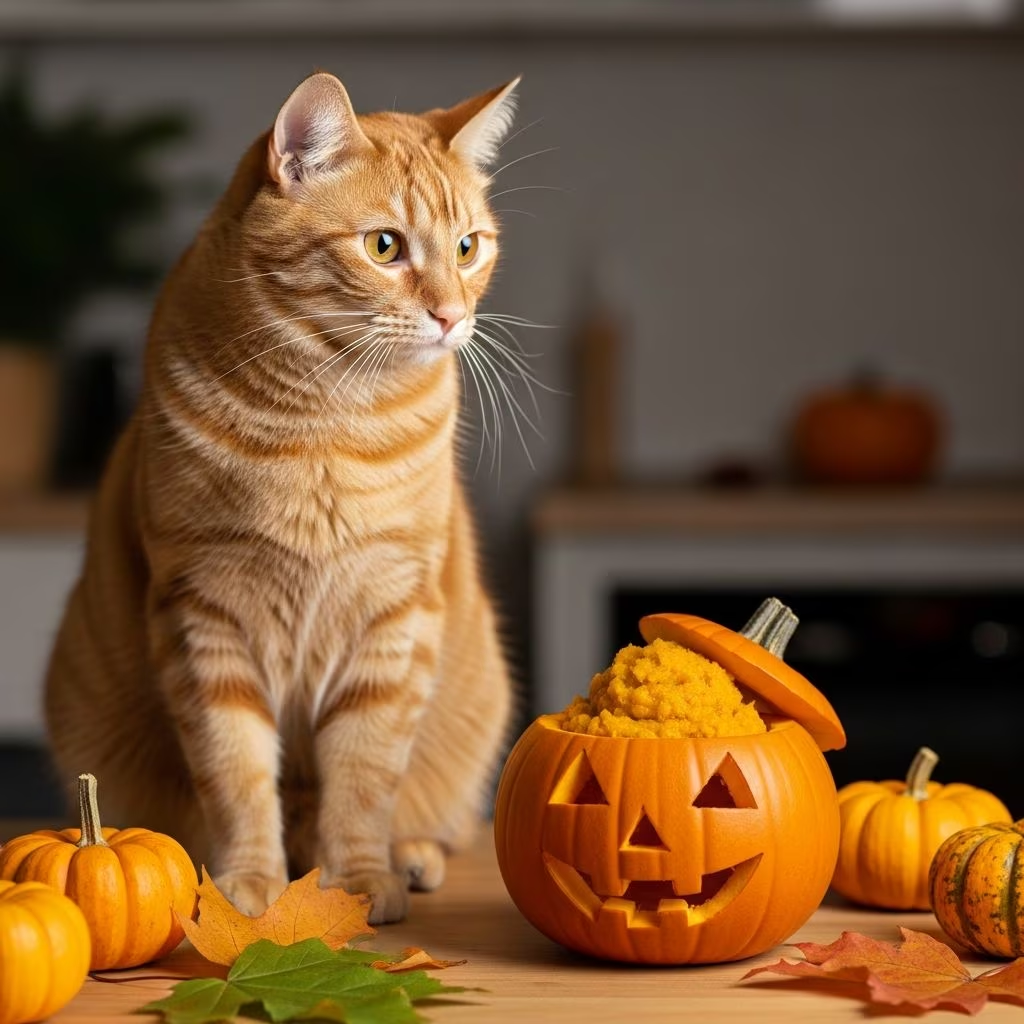
Can Cats Eat Pumpkin? A Comprehensive Guide for Cat Owners
Pumpkin is a seasonal favorite for many households, and pet owners often wonder if their feline companions can enjoy this nutritious food. The answer is yes—cats can safely eat pumpkin, and it may even offer several health benefits when prepared correctly. However, there are important guidelines to follow to ensure your cat benefits from pumpkin without experiencing any adverse effects.
Is Pumpkin Good for Cats? The Health Benefits
Plain, unsweetened pumpkin is not only safe for cats but also offers numerous nutritional advantages. Pumpkin is chock-full of essential nutrients that can support your cat’s overall health and well-being. Understanding these benefits can help you make informed decisions about incorporating pumpkin into your cat’s diet.
Digestive Support and Gastrointestinal Health
The most widely recognized benefit of pumpkin for cats is its ability to help treat digestive issues. If your cat experiences regular gastrointestinal problems, consulting with your veterinarian is essential. However, for occasional abnormal stools or hairballs, pumpkin can be an effective and natural treatment. The fiber content and water in pumpkin work together to support healthy digestion and bowel regularity in cats.
Essential Nutrients and Antioxidants
Pumpkin is high in essential fatty acids and antioxidants, which are beneficial for maintaining healthy skin and fur in cats. Additionally, pumpkin serves as an excellent source of vitamin A, beta-carotene, potassium, and iron. These nutrients may even reduce the likelihood your cat will develop certain health conditions. However, it’s important to remember that if your cat eats a balanced commercial diet, they should not be deficient in these nutritional requirements.
Weight Management Support
With obesity affecting a significant number of cats, pumpkin can be a useful supplement to aid in weight loss for your feline friend. Pumpkin adds bulk and helps keep your cat feeling full longer, making it an excellent addition to a weight management plan. If your cat is obese, contact your veterinarian to develop a personalized diet plan that ensures healthy weight loss at an appropriate pace.
Understanding Cat Digestive Issues and Pumpkin
Cats are obligate carnivores, meaning their digestive systems are designed primarily to process meat. Because of this biological reality, plant-based foods like pumpkin should be fed sparingly and thoughtfully. Nevertheless, pumpkin can serve as a valuable supplement for addressing specific digestive concerns.
Constipation Relief
Perhaps the most common reason veterinarians recommend pumpkin is for constipated cats. The water content combined with the fiber can often help ease constipation effectively. Many cats will respond positively to two to four teaspoons of plain canned pumpkin added to their regular canned cat food if they have a mild case of constipation. Canned food is particularly recommended for constipated cats, as it adds more water into their system, which is further enhanced by the water and fiber in pumpkin.
Diarrhea Management
Interestingly, pumpkin serves double duty—it can be used to treat cats with diarrhea as well as those suffering from constipation. The fiber in pumpkin adds bulk to the stool, which helps relieve the loose stools characteristic of diarrhea. However, a word of caution: if you give your cat too much pumpkin, it can actually result in diarrhea. Finding the right balance is key to achieving the desired digestive benefits.
How to Feed Your Cat Pumpkin Safely
Proper preparation and portion control are essential when feeding pumpkin to your cat. Following these guidelines will help you maximize the benefits while minimizing any potential risks.
Choosing the Right Type of Pumpkin
The best option for your cat is a small amount of cooked, plain pumpkin with no spices added. While it is sometimes best to cook your own pumpkin so you know exactly what’s in it, canned or pureed pumpkin is also safe as long as no other ingredients have been added. Both pie pumpkins and carving pumpkins are safe for cats, though most people find that pie pumpkins taste better. The canned pumpkin you find in the grocery store typically comes from pie pumpkins and works wonderfully as a supplement.
Portion Control and Frequency
Unless otherwise directed by your veterinarian, pumpkin should be given as a treat, meaning it should make up no more than 10 percent of your cat’s daily caloric intake. Your veterinarian can advise you on your specific cat’s daily calorie needs, or you can use online calculators to determine appropriate portions. The amount of pumpkin can be increased or decreased depending on effectiveness and your cat’s personal tolerance, as too much could push gastrointestinal issues in the opposite direction.
Preparation Methods
Some cats will eat plain pumpkin on its own, while others prefer to have it stirred into a small amount of canned cat food—typically about two to three tablespoons. You can also spread small smears of pumpkin on a lick mat for your cat to enjoy as an enrichment activity. No matter how your cat prefers it, plain pumpkin can be a valuable addition to their diet, especially if they experience gastrointestinal problems or mild chronic constipation.
Introduction and Monitoring
When introducing pumpkin to your cat’s diet, do so slowly and under the guidance of your veterinarian. A warning sign that you may be overdoing the pumpkin supplementation is if your cat’s stools become orange, larger than usual, and pudding-like in firmness. If loose stools do occur, skip the next supplementation of pumpkin and reassess the appropriate portion size for your feline friend.
Can Cats Eat Pumpkin Seeds?
Pumpkin seeds are safe for cats to consume, but there are important precautions to take. While pumpkin seeds are not toxic to cats, they can become a choking hazard, especially when eaten quickly. If your cat eats too many, it could result in an intestinal obstruction.
If you do decide to give your cat pumpkin seeds, grind them up and sprinkle them over their meal rather than offering whole seeds. Crushing the seeds is best since whole seeds might pose a choking hazard. Pumpkin seeds are fine to give raw, though your cat may enjoy them toasted even more. However, it’s crucial that you keep your cat’s pumpkin seeds plain and simple—never add salt, spices, or cook them in oil, as these additions markedly increase the fat content and can be unhealthy for your feline companion. Stop feeding seeds immediately if you notice any digestive problems.
Foods to Avoid: Pumpkin Pie and Other Dangerous Options
Not all pumpkin products are appropriate for cats. Understanding what to avoid is just as important as knowing what is safe.
Why Pumpkin Pie Filling Is Dangerous
Never feed your cat pumpkin pie or pumpkin pie filling, which generally contains spices, sugars, and fat—ingredients that are far too rich for their digestive systems. Pumpkin pie filling contains many spices, which are likely not healthy for your cat. Some of these spices, such as cinnamon, nutmeg, ginger, and allspice, can be considered mildly toxic and may result in gastrointestinal upset. A small lick of pumpkin pie filling will likely cause no harm, but if your cat eats more than this, contact your veterinarian to determine if any additional action is needed.
Raw Pumpkin and Jack-O’-Lanterns
It is not safe to feed cats jack-o’-lanterns or raw pumpkin because raw pumpkin parts will go rancid very quickly. Additionally, the leaves and stems of pumpkin plants are covered in sharp little hairs, which can irritate the mouth and gastrointestinal tract and cause tiny cuts in the cat’s intestines. Hard pumpkin rind also can’t be digested and may be a choking hazard or risk blocking your cat’s intestine.
Age Considerations
Avoid giving pumpkin to kittens 16 weeks and younger. At that young age, we simply don’t know enough about their gut health. Their gastrointestinal systems are still developing, and it’s important to allow for normal development before introducing plant-based supplements. Additionally, don’t feed kittens the skin or pulp of pumpkin, as the stringy material isn’t digestible to young felines.
Special Considerations for Cats with Medical Conditions
If your cat has a medical condition, such as diabetes, chronic kidney disease, or suffers from dehydration, always consult with your veterinarian before introducing pumpkin to their diet. Your vet can advise whether pumpkin is appropriate for your cat’s specific health situation and can provide personalized guidance on portions and frequency.
Can I Give My Cat Pumpkin Everyday?
As long as you don’t notice any problems and your cat enjoys pumpkin, you can feed it regularly. However, remember that pumpkin should be given as a treat, making up only 10 percent of your cat’s daily caloric intake unless otherwise directed by your veterinarian. Your vet can advise on your cat’s specific daily calorie needs to ensure you’re maintaining the proper balance in their overall diet.
Frequently Asked Questions About Cats and Pumpkin
Q: Is plain pumpkin safe for all cats?
A: Plain, unsweetened pumpkin is safe for most adult cats. However, kittens under 16 weeks, cats with diabetes, chronic kidney disease, or dehydration should not consume pumpkin without veterinary approval.
Q: How much pumpkin can I give my cat?
A: Most cats benefit from one to four teaspoons of plain canned pumpkin per day, though exact amounts should not exceed 10% of your cat’s daily caloric intake. Always consult your veterinarian for personalized recommendations based on your cat’s individual needs.
Q: Can pumpkin cure my cat’s digestive problems?
A: While pumpkin can effectively treat mild constipation or diarrhea, it’s not a cure-all. If your cat has chronic or severe digestive issues, consult your veterinarian to rule out underlying health conditions.
Q: What’s the difference between canned pumpkin and pumpkin pie filling?
A: Plain canned pumpkin contains only pumpkin puree, while pumpkin pie filling contains added sugars, spices, and fats that are harmful to cats. Always read labels carefully to ensure you’re purchasing plain pumpkin.
Q: Can I give my kitten pumpkin?
A: No, kittens under 16 weeks should not consume pumpkin. Their digestive systems are still developing, and introducing plant-based foods could interfere with normal gut development.
Q: What should I do if my cat eats pumpkin pie?
A: A small lick likely won’t cause harm, but if your cat consumes significant amounts, contact your veterinarian. Watch for signs of gastrointestinal upset such as vomiting or diarrhea.
Conclusion
Pumpkin can be a safe, nutritious, and beneficial addition to your cat’s diet when prepared correctly and given in appropriate portions. Whether you’re addressing mild constipation, supporting digestive health, or helping your cat maintain a healthy weight, plain pumpkin offers multiple advantages. However, always prioritize consulting with your veterinarian before making significant dietary changes, particularly if your cat has existing health conditions. By following the guidelines outlined in this article, you can confidently incorporate pumpkin into your feline companion’s diet and support their overall health and well-being.
References
- Can Cats Eat Pumpkin? — PetMD. 2024. https://www.petmd.com/cat/nutrition/can-cats-eat-pumpkin
- Are Pumpkins Safe for Cats and Dogs? — Joii Pet Care. 2024. https://www.joiipetcare.com/blogs/advice/are-pumpkins-safe-for-cats-and-dogs
- Can Cats Eat Pumpkin? — Chewy. 2024. https://www.chewy.com/education/cat/food-and-nutrition/can-cats-eat-pumpkin
- Is Pumpkin Safe for Dogs and Cats? — Animal Humane Society. 2024. https://www.animalhumanesociety.org/resource/pumpkin-safe-dogs-and-cats



