

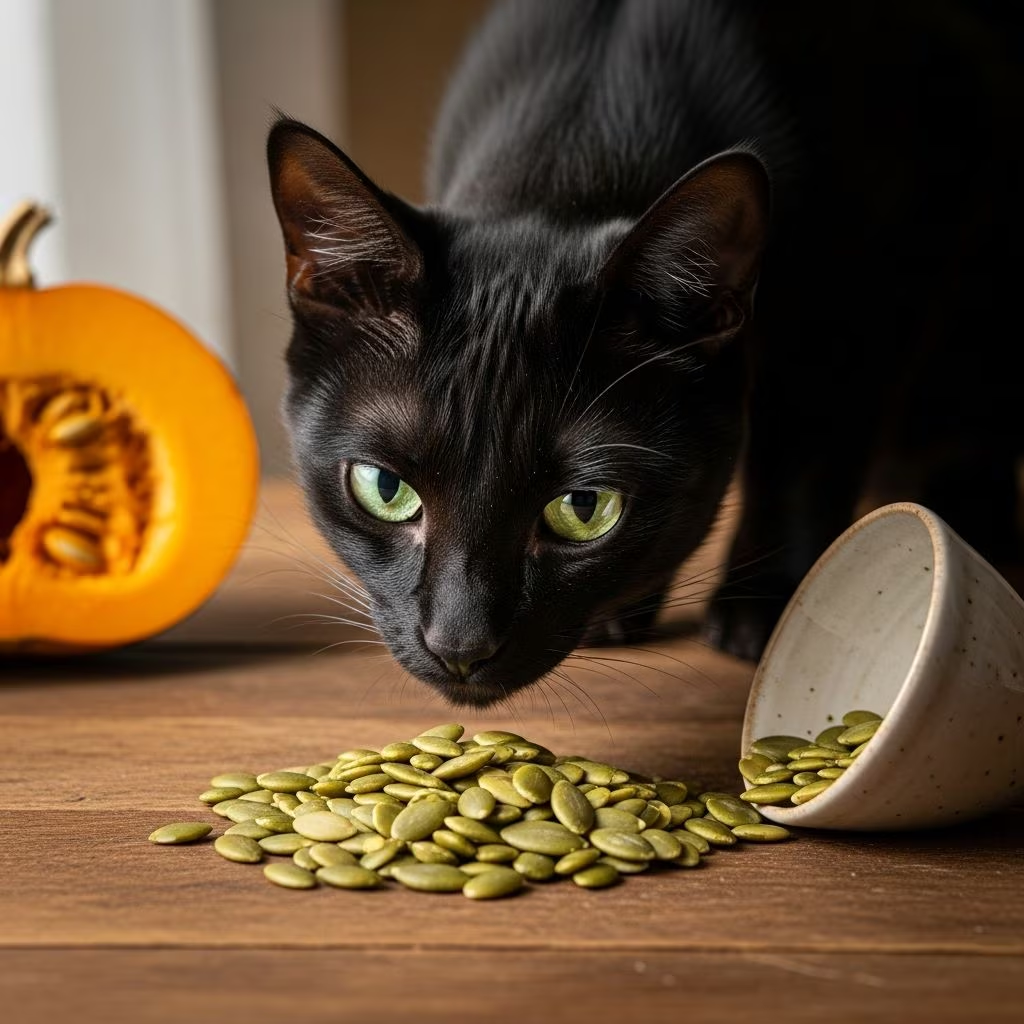
Many cat owners wonder if they can share their pumpkin seeds with their feline friends, especially during fall seasons when these snacks are popular. The good news is that **yes, most cats can safely eat pumpkin seeds** when prepared correctly and offered in moderation. These nutrient-dense seeds provide fiber, vitamins, and minerals that support digestion and overall health, but they come with caveats like choking risks.
Pumpkin seeds, also known as pepitas, are the edible seeds found inside pumpkins. For humans, they’re a crunchy, healthy snack rich in antioxidants and healthy fats. For cats, who are obligate carnivores, plant-based foods like these should never replace their meat-based diet but can serve as occasional treats. Always consult your veterinarian before introducing new foods, especially if your cat has health conditions.
Quick Answer: Can Cats Eat Pumpkin Seeds?
**Yes, cats can eat pumpkin seeds safely in small amounts.** They offer nutritional benefits like high fiber for digestion and essential vitamins, but must be unsalted, unseasoned, ground or crushed to avoid choking, and given sparingly—not daily or as a meal replacement.
A Nutritional Breakdown of Pumpkin Seeds for Cats
Pumpkin seeds are nutrient powerhouses. Per 100g of raw seeds, they contain approximately 446 calories, 19g protein, 49g fat (mostly healthy unsaturated fats), 10g carbs, and 6g fiber. Key micronutrients include zinc (7.8mg), magnesium (535mg), iron (8.8mg), vitamin K (7.3µg), and beta-carotene.
- Vitamin A and Beta-Carotene: Support vision, immune function, and skin health. Cats convert beta-carotene to vitamin A as needed.
- Zinc and Copper: Aid immune response, wound healing, and coat quality.
- Fiber (Soluble and Insoluble): Promotes gut motility, feeds beneficial bacteria, and adds bulk to stool.
- Antioxidants: Combat oxidative stress, potentially reducing inflammation.
While beneficial, cats derive most nutrients from animal proteins, so pumpkin seeds complement rather than complete their diet.
Potential Benefits for Cats Eating Occasional Pumpkin Seeds
Offered properly, pumpkin seeds can enhance your cat’s well-being. Here’s a detailed look at the evidence-based perks:
1. Easing Constipation
The high **soluble fiber** in pumpkin seeds absorbs water, softening stool and easing passage for constipated cats. Unlike laxatives that may cause diarrhea, fiber provides gentle relief. Studies on fiber in feline diets show it regulates bowel movements effectively. Start with 1/8 teaspoon ground seeds mixed into food daily.
2. Promoting Healthy Digestion
Both soluble fiber (fermentable, gut-friendly) and insoluble fiber (bulking agent) improve microbiome balance and reduce diarrhea or irregular stools. Pumpkin seeds’ fiber content mirrors plain pumpkin’s digestive aid, proven in veterinary practice.
3. Weight Management and Satiety
With ~60% of U.S. cats overweight, low-calorie, high-fiber seeds help. Insoluble fiber delays gastric emptying, making cats feel full longer, curbing overeating without excess calories. Ideal for obese felines alongside diet tweaks.
4. Hairball Prevention
Fiber lubricates the digestive tract, helping ingested fur pass through instead of forming hairballs. Regular small doses reduce vomiting incidents, a common grooming side effect.
5. Anti-Inflammatory Effects
Ground seeds may soothe anal gland issues, reducing swelling and discomfort via anti-inflammatory compounds. Also supports urinary health indirectly through better hydration from fiber.
6. Nutrient Boost and Parasite Control
Vitamins restore post-illness nutrients; some anecdotal vet reports suggest cucurbitacin in seeds has mild deworming properties against tapeworms, though not a substitute for meds.
Note: Benefits are from moderation (1/4–1/2 tsp ground seeds, 2–3x/week max for average cat). Overuse dilutes protein intake.
How to Safely Feed Your Cat Pumpkin Seeds
Preparation is key to safety and efficacy.
| Method | Steps | Portion (Adult Cat) | Frequency |
|---|---|---|---|
| Raw, Ground | Wash, dry, grind to powder, mix in wet food | 1/8–1/4 tsp | 2–3x/week |
| Roasted | Oven-roast unsalted at 350°F/15 min, crush shells off | 1–2 small seeds | 1–2x/week |
| Powdered Supplement | Store-bought plain pepita powder | Pinch | Daily if vet-approved |
Supervise eating; mix with strong-smelling food like tuna to entice picky eaters. Kittens/seniors: half portions.
Pumpkin Seeds Risks and Dangers for Cats
Not all risks are obvious—proceed cautiously.
- Choking Hazard: Whole/hulled seeds can lodge in throat or cause obstruction. Always grind.
- Digestive Upset: Excess fiber leads to gas, bloating, diarrhea. Introduce gradually.
- High Fat/Calories: Roasted/oily seeds contribute to pancreatitis or obesity if overfed.
- Salt/Seasonings: Human snacks with salt, garlic, or spices are toxic—cause salt poisoning or GI irritation.
- Allergies: Rare, but watch for itching, vomiting. Discontinue if symptoms appear.
- Nutritional Imbalance: Too much displaces taurine-rich meat, risking heart disease.
Safe for most, but avoid in cats with IBD, pancreatitis, or obesity without vet OK.
Can Kittens Eat Pumpkin Seeds? What About Senior Cats?
Kittens: Wait until 8–12 weeks; use tiny pinches for weaning digestion support. Avoid if nursing.
Seniors: Beneficial for arthritis (anti-inflammatory) and constipation, but monitor kidney function as high phosphorus may strain.
FAQs
Are pumpkin seeds toxic to cats?
No, plain pumpkin seeds are non-toxic and safe in moderation. Issues arise from preparation errors like salting or whole seeds.
How many pumpkin seeds can I give my cat?
1/4 tsp ground daily max for 10lb cat; less for smaller. Not every day.
Can pumpkin seeds help with cat hairballs?
Yes, fiber moves hair through the gut, reducing hairballs effectively.
Raw or roasted pumpkin seeds for cats?
Both OK if unsalted/ground. Raw preserves nutrients; roasted is crunchier but higher fat.
Do pumpkin seeds kill worms in cats?
Mild anthelmintic properties may help tapeworms, but use vet-prescribed dewormers primarily.
Conclusion
Pumpkin seeds can be a healthy, vet-approved treat for cats, aiding digestion, weight control, and more when ground, unsalted, and limited. Supervise to prevent choking, and prioritize balanced cat food. Consult your vet for personalized advice—your cat’s health comes first!
References
- Can Cats Eat Pumpkin Seeds? Are Pumpkin Seeds Safe For Cats? — CatTime. 2023-10-15. https://cattime.com/cat-facts/health/42664-can-cats-eat-pumpkin-seeds-safe
- What Are The Health Benefits Of Pumpkin For Cats? — Autumn Trails Veterinary Center. 2024-05-20. https://autumntrailsvet.com/what-are-health-benefits-of-pumpkin-for-cats/
- Can Cats Eat Pumpkin Seeds? Vet-Reviewed Nutrition Facts & FAQ — Catster. 2025-09-12. https://www.catster.com/nutrition/can-cats-eat-pumpkin-seeds/
- Can Cats Eat Pumpkin? Benefits, Risks, and How to Serve It Safely — Earthborn Holistic Pet Food. 2024-08-01. https://www.earthbornholisticpetfood.com/blog/pet-nutrition/can-cats-eat-pumpkin-benefits-risks-and-how-to-serve-it-safely/
- Can Cats Eat Pumpkin? — PetMD. 2024-11-10. https://www.petmd.com/cat/nutrition/can-cats-eat-pumpkin
- Can Cats Eat Pumpkin? — Now Fresh. 2023-12-05. https://nowfresh.com/en-us/blog/can-cats-eat-pumpkin



