

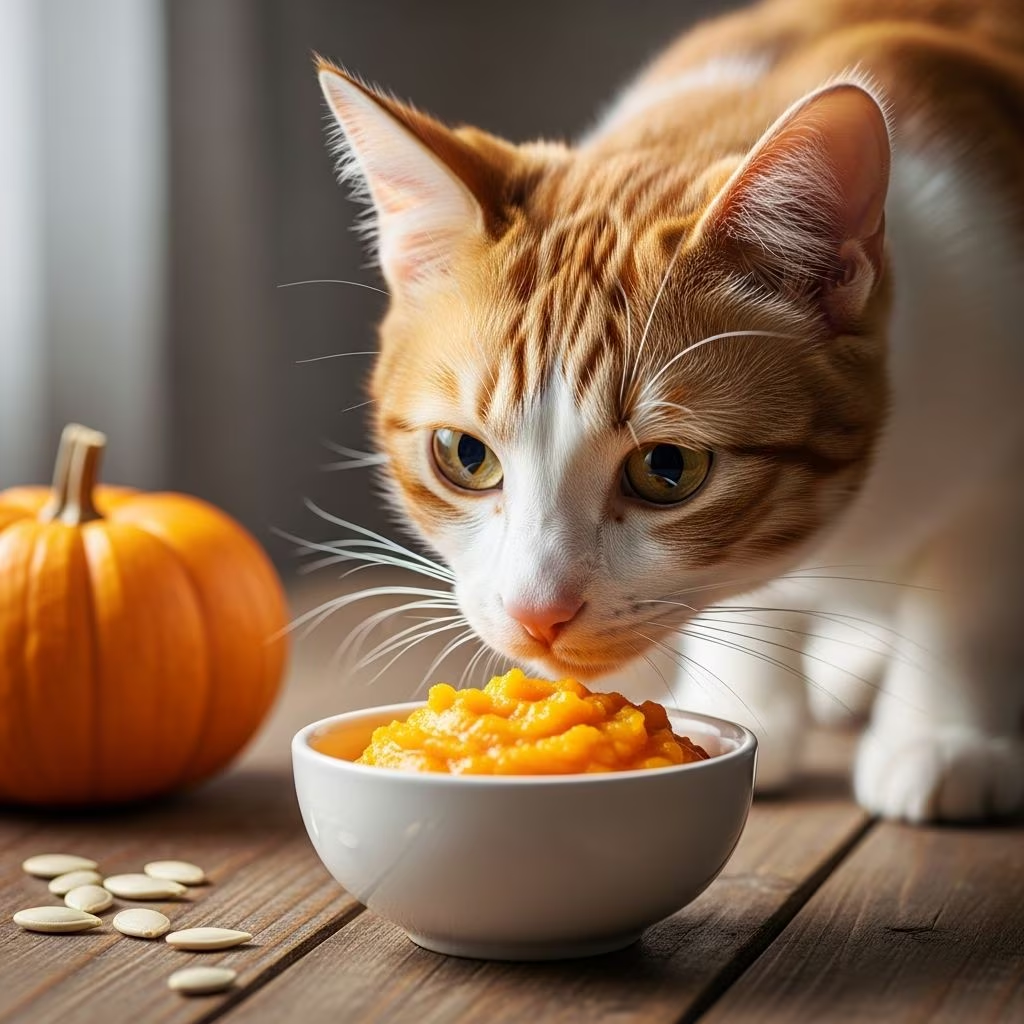
Can Cats Eat Pumpkin Puree? A Complete Guide for Pet Parents
If you’re wondering whether your feline friend can enjoy pumpkin puree, the answer is a resounding yes—but with important caveats. Plain, cooked pumpkin puree is safe for cats and can offer several health benefits when served correctly. However, not all pumpkin products are created equal, and understanding which types are safe is crucial for your cat’s wellbeing. This comprehensive guide will help you navigate the world of pumpkin for cats, ensuring you make the best choices for your pet.
Is Pumpkin Puree Safe for Cats?
Yes, plain pumpkin puree is completely safe for cats. Pumpkin is non-toxic and can be a beneficial addition to your cat’s diet when served in appropriate amounts. The key to safety lies in selecting the right type of pumpkin and understanding proper serving sizes. Plain, cooked pumpkin puree contains natural fiber and nutrients that can support your cat’s digestive system without any harmful side effects when used responsibly.
Cats are obligate carnivores, meaning their primary nutritional needs come from meat. However, small amounts of pumpkin can complement their regular diet and provide specific health benefits. The soluble fiber in pumpkin makes it an excellent natural remedy for certain digestive issues that cats commonly experience.
Key Benefits of Pumpkin Puree for Cats
Pumpkin puree offers several specific advantages for feline health when incorporated into their diet appropriately:
Supports Digestive Health
Pumpkin is well-known for its fiber content, which supports a healthy digestive tract. The soluble fiber works in two ways: it can help cats suffering from constipation by adding bulk to stool, and it can also help absorb excess water in cases of mild diarrhea. This dual-action benefit makes pumpkin particularly valuable for cats with occasional digestive upset. If your cat is struggling with either constipation or loose stools, pumpkin puree may help regulate their digestive system naturally without requiring medication.
Weight Management Support
Pumpkin contains very few calories while providing satiety due to its fiber content. This makes it useful for cats that need to manage their weight. The fiber helps cats feel fuller longer, which can be beneficial for weight control when used as part of a balanced diet plan.
Hairball Control
The fiber in pumpkin puree can help move hairballs through your cat’s digestive system more effectively, reducing the frequency of hairball episodes. This is particularly beneficial for long-haired cats or those prone to excessive grooming.
Added Moisture to Diet
Pumpkin puree has a high water content, which adds hydration to your cat’s diet. This is especially valuable for cats that don’t drink enough water or eat primarily dry kibble, as increased moisture intake supports overall urinary and kidney health.
Nutritional Content
Beyond fiber, pumpkin contains vitamins A, C, and E, as well as beta carotene. While pumpkin puree is not nutritionally complete on its own and should never replace your cat’s regular food, these nutrients can complement your cat’s existing diet and support immune function.
Which Types of Pumpkin Are Safe for Cats?
Not all pumpkin products are safe for cats. Understanding the differences between various pumpkin options is essential for protecting your pet’s health.
Safe Pumpkin Options
Plain Canned Pumpkin Puree
Plain canned pumpkin puree is the safest and most convenient choice for most pet parents. Look for canned pumpkin labeled as “100% pumpkin” with absolutely no added ingredients. Always read the label carefully to ensure there are no added sugars, spices, or salt. The ingredient list should contain only pumpkin. Canned pumpkin puree (not pumpkin pie filling) is widely recommended by veterinarians because it’s already cooked, making the fiber easy to digest, and it has a consistent texture that most cats tolerate well.
Fresh Cooked Pumpkin
Fresh pumpkin can be used for cats, but it must be properly prepared. Raw pumpkin is difficult for cats to digest and poses potential choking hazards from the rind and stem. If you choose to use fresh pumpkin, steam or bake it until it becomes soft, then puree it before serving. Never feed your cat the raw rind, stem, or seeds from a whole pumpkin.
Pumpkin Seeds (with Caution)
Pumpkin seeds can be safe for cats if they’re cleaned, roasted, and ground. Whole seeds may pose a choking hazard or cause digestive blockages. If you offer pumpkin seeds, they should be crushed or powdered to make them easier to digest and safer to consume. Only offer very small amounts, and never use salted or flavored varieties, as these additives can be harmful to cats.
Pumpkin Products to Avoid
Several pumpkin-based foods that are safe for humans can be dangerous for cats:
Pumpkin Pie Filling
Never feed your cat pumpkin pie filling under any circumstances. Pie filling is loaded with sugar, spices, and often contains ingredients like nutmeg and cloves, which can be toxic to cats and cause severe gastrointestinal upset. Even small amounts can cause symptoms such as stomach pain, nausea, vomiting, and diarrhea.
Pumpkin Pie
While pumpkin pie might seem like a harmless human treat to share, it contains sugar, dairy, and multiple spices that can upset your cat’s stomach. Cats don’t tolerate sugar well, making pumpkin pie a definite no-go for feline consumption.
Pumpkin-Flavored Products
Any pumpkin-flavored products designed for human consumption should be avoided. This includes pumpkin muffins, pumpkin bread, pumpkin-spiced treats, and similar foods. These products invariably contain ingredients unsuitable for cats, including sugar, spices, and other additives.
Pumpkin Products with Additives
Avoid any canned or packaged pumpkin that lists ingredients beyond plain pumpkin. Products with added salt, sugar, spices, or preservatives are not appropriate for feline consumption.
How Much Pumpkin Can Cats Eat? Portion Guidelines
Moderation is essential when feeding pumpkin to your cat. Proper portion control prevents digestive upset and ensures pumpkin remains a healthy supplement rather than an excessive addition:
| Cat Category | Recommended Daily Amount |
|---|---|
| Adult Cats | 1 teaspoon to 1 tablespoon daily |
| Kittens | 1/2 teaspoon daily |
| Senior Cats | 1 teaspoon daily |
Start with just one teaspoon mixed into your cat’s regular food and monitor for any signs of digestive upset. This gradual introduction allows your cat’s digestive system to adjust to the new food. You can slowly increase the amount if your cat tolerates it well and you notice improvements in digestion. Mix the pumpkin into wet food, as most cats find this more palatable and easier to consume than serving it separately.
Potential Risks of Feeding Too Much Pumpkin
While pumpkin is generally safe, overfeeding can lead to problems:
Digestive Upset and Diarrhea
Adding too much pumpkin at once can upset your cat’s stomach, leading to loose stools or diarrhea. Cats may struggle with a sudden increase in fiber intake, so gradual introduction is crucial. If your cat develops diarrhea after eating pumpkin, reduce the amount or discontinue use and consult your veterinarian.
Disruption of Balanced Nutrition
Pumpkin should never replace a protein-rich, meat-based diet. Cats require specific nutrients found only in animal proteins, including taurine, which is essential for heart and eye health. Feeding too much pumpkin can dilute your cat’s intake of these essential nutrients. Pumpkin must always be served as a supplement or occasional treat, not as a primary food source.
Weight Gain
While pumpkin can support weight management in appropriate amounts, excessive consumption can contribute to weight gain. Monitor your cat’s overall caloric intake when introducing pumpkin to their diet.
Gas and Bloating
Some cats may experience increased gas or mild bloating from pumpkin if given in excessive amounts. This is another reason to start with small portions and monitor your cat’s response.
How to Serve Pumpkin Puree to Your Cat
Presentation matters when introducing pumpkin to your cat’s diet:
- Mix into wet food: Combine pumpkin with your cat’s regular wet food to make it more appealing and easier to consume.
- Use a lick mat: Smear a small amount of pumpkin puree on a lick mat for a slow, enjoyable eating experience.
- Combine with cat food toppers: Mix pumpkin puree with wet food toppers specifically designed for cats.
- Add to broth: Mix pumpkin with cat-safe broth (low sodium, no onions or garlic) for added flavor and hydration.
- Serve room temperature: Never serve cold pumpkin directly from the refrigerator; allow it to reach room temperature first.
When to Consult Your Veterinarian
Before adding pumpkin to your cat’s diet, consult with your veterinarian, especially if your cat has:
- Ongoing or chronic digestive issues
- Weight management concerns
- Pre-existing medical conditions
- A specialized prescription diet
- Known food allergies or sensitivities
You should also contact your vet immediately if you notice negative reactions after feeding pumpkin, including signs of discomfort, persistent diarrhea, vomiting, or loss of appetite. These symptoms may indicate that pumpkin isn’t appropriate for your individual cat or that it’s interfering with their nutritional balance.
Frequently Asked Questions About Pumpkin for Cats
Q: Can kittens eat pumpkin puree?
A: Yes, kittens can eat pumpkin puree in very small amounts (about 1/2 teaspoon daily). Start with minimal amounts and monitor for any digestive changes. Always consult your veterinarian before introducing new foods to a kitten’s diet.
Q: How quickly does pumpkin work for cat constipation?
A: Most cats show improvement within 12 to 24 hours of consuming pumpkin puree. However, results vary by individual cat. If there’s no improvement after a few days, contact your veterinarian.
Q: Can I give my cat pumpkin every day?
A: Yes, you can offer pumpkin daily in appropriate amounts (1 teaspoon to 1 tablespoon for adult cats). However, if you’re using it as a treatment for digestive issues, consult your vet about the duration and frequency.
Q: What if my cat refuses pumpkin puree?
A: Not all cats enjoy pumpkin. If your cat refuses it, don’t force the issue. Try mixing it with something more appealing, or simply choose alternative digestive support methods recommended by your veterinarian.
Q: Is fresh pumpkin better than canned pumpkin for cats?
A: Both can be appropriate, but canned pumpkin puree is more convenient and consistently safe if you choose plain, unsweetened varieties. Fresh pumpkin must be properly cooked and pureed to be safe for cats.
Q: Can pumpkin cause allergies in cats?
A: While rare, some cats may be allergic to pumpkin. Watch for signs of allergies such as itching, rashes, vomiting, diarrhea, or gastrointestinal distress. If these occur, discontinue pumpkin and consult your veterinarian.
Key Takeaways
- Plain pumpkin puree is safe for cats and can offer digestive and nutritional benefits when served appropriately.
- Use only plain, cooked pumpkin or unsweetened canned pumpkin puree with no added sugars, spices, or flavorings.
- Start with small amounts: Begin with just one teaspoon mixed into your cat’s regular food.
- Avoid harmful products: Never feed pumpkin pie filling, pumpkin pie, or any pumpkin-flavored human foods.
- Watch for side effects: Monitor your cat for any changes in appetite, stool consistency, or behavior.
- Maintain balanced nutrition: Pumpkin should supplement, never replace, your cat’s regular meat-based diet.
- Consult your veterinarian before introducing pumpkin, especially if your cat has existing health conditions or digestive issues.
Conclusion
Pumpkin puree can be a wonderful, natural addition to your cat’s diet when used responsibly. Its digestive benefits, nutrient profile, and low caloric content make it an attractive option for pet parents seeking to support their cat’s health. By understanding which pumpkin products are safe, following proper portion guidelines, and monitoring your cat’s response, you can safely incorporate pumpkin into your feline friend’s nutrition plan. Always prioritize your cat’s primary diet of high-quality, meat-based cat food, and use pumpkin puree as a beneficial supplement to enhance their overall health and wellbeing.
References
- Can Cats Eat Pumpkin? Benefits, Risks, and How to Serve It Safely — Earthborn Holistic Pet Food. 2024. https://www.earthbornholisticpetfood.com/blog/pet-nutrition/can-cats-eat-pumpkin-benefits-risks-and-how-to-serve-it-safely/
- Can Cats Eat Pumpkin? Safety, Portions & Benefits — Lady N Pet. 2024. https://ladynpet.com/us/blog/can-cats-eat-pumpkin-the-superfood-for-digestion/
- Pumpkin for Cats: The Wholesome Wonder — Fruitables Pet. 2024. https://fruitablespet.com/blogs/news/pumpkin-for-cats
- Can Cats Eat Pumpkin? A Guide to Tummy Health & Tasty Treats — Weruva. 2024. https://www.weruva.com/blogs/happy-healthy-hub/can-cats-eat-pumpkin-a-guide-to-tummy-health-tasty-treats
- Is Pumpkin Safe for Dogs and Cats? — Animal Humane Society. 2024. https://www.animalhumanesociety.org/resource/pumpkin-safe-dogs-and-cats



