

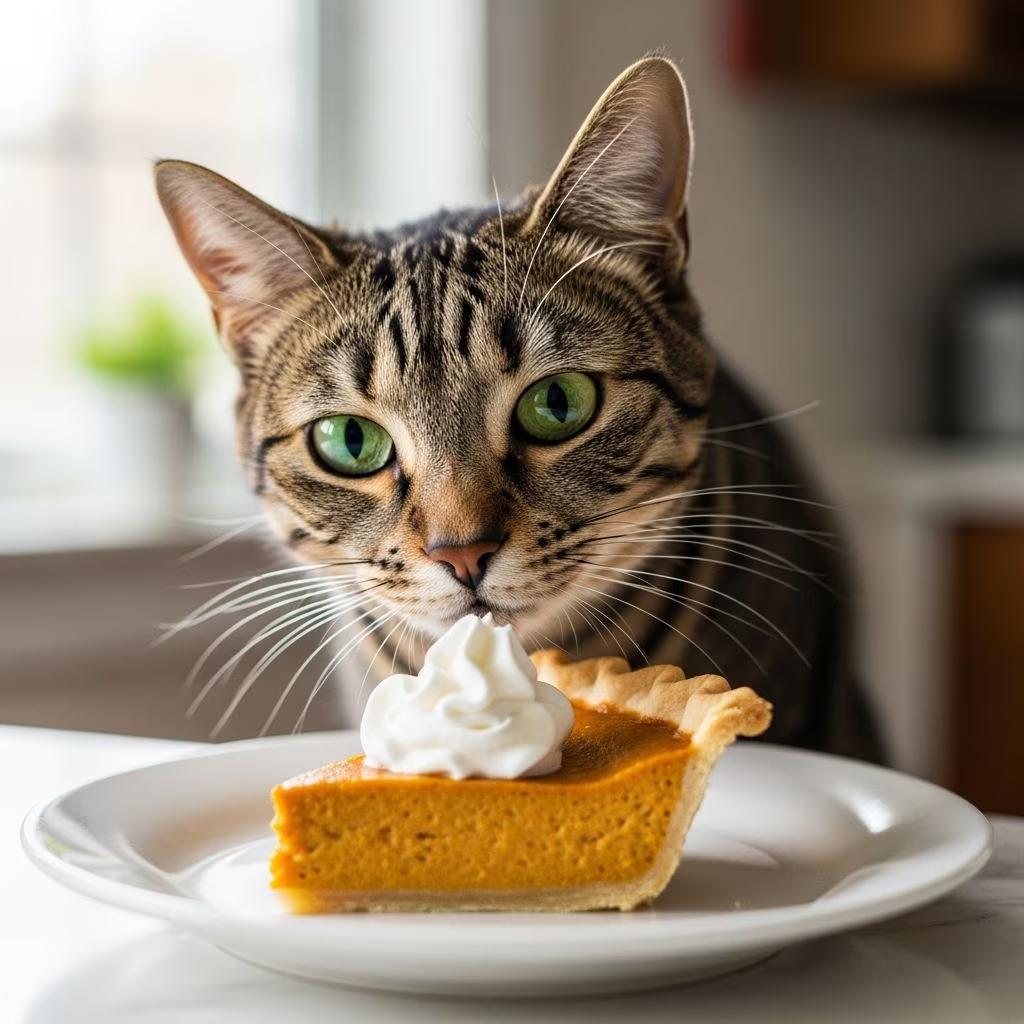
Can Cats Eat Pumpkin Pie? The Interesting Answer
As autumn arrives and pumpkin spice flavors dominate the seasonal menu, many cat owners wonder whether they can share their beloved pumpkin pie with their feline companions. While it might seem like a harmless treat, the answer is a definitive no. Cats should not eat pumpkin pie, despite the fact that plain pumpkin can actually be beneficial for their health. Understanding the distinction between safe and unsafe pumpkin products is essential for keeping your cat healthy and happy.
Cats are obligate carnivores, meaning their digestive system is designed to digest meat, bones, and other animal body parts. Pumpkin pie is not on this list, and while cats can eat pumpkin or plain canned pumpkin, pumpkin pie is bad for them at best and can be a danger at worst. If your cat eats a small amount of pumpkin pie, it’s probably unlikely to cause any problems, but it is always better to be cautious and avoid serving it to your cat when there are much better treats available.
Why Can’t Cats Eat Pumpkin Pie? What’s in It?
While it might sound healthy, pumpkin pie is often made with sweet pastry and canned pumpkin pie filling, which contains spices. Understanding what goes into this beloved dessert helps explain why it’s dangerous for cats.
Sugar and Salt Content
The amount of sugar and salt in pumpkin pie is bad enough for feline consumption. Both of these ingredients can cause serious health problems in cats, including:
- High blood pressure
- Obesity
- Tooth decay
- Diabetes
Cats’ metabolisms are not equipped to process high amounts of sugar and salt like humans can, making pumpkin pie particularly dangerous for them.
Harmful Spices in Pumpkin Pie Filling
Beyond sugar and salt, canned pumpkin pie filling can contain spices such as cinnamon, nutmeg, and allspice, which are harmful to cats. These spices can cause stomach problems or more serious conditions in felines. Nutmeg, in particular, can be toxic to cats in high doses and may cause gastrointestinal upset, including nausea, vomiting, and diarrhea.
The combination of dairy (often from sweetened condensed milk used in pumpkin pie), sugar, spices, and fat creates a recipe that is far too rich for a cat’s digestive system to handle safely.
Is Any Type of Pumpkin Good for Cats?
The good news is that not all pumpkin products are off-limits for your feline friend. A small amount of plain pumpkin isn’t bad for cats and actually has health benefits when prepared correctly.
Health Benefits of Plain Pumpkin
Giving your cat plain canned pumpkin that is unprocessed with no additives can provide several health advantages:
- Aids digestion: Full of fiber and water, pumpkin supports healthy digestive function
- Treats digestive issues: Pumpkin can often be used to help treat diarrhea in cats and is frequently recommended by veterinarians for this purpose
- Provides essential nutrients: Contains minerals and vitamins such as vitamins C and K, as well as potassium and phosphorus
- Supports weight management: The fiber content can help cats feel fuller with fewer calories
- Adds hydration: The high water content helps keep cats properly hydrated
However, it’s important to note that as cats’ digestive systems aren’t equipped to deal with plant material and can’t digest it effectively, there are better sources of minerals and vitamins that are more bioavailable for your cat. Pumpkin should be used as a supplement, never as a replacement for a meat-based diet.
Safe Pumpkin Products for Your Cat
When it comes to feeding your cat pumpkin, choosing the right product is crucial. Here are the safest options:
Plain Canned Pumpkin
The safest and simplest way to incorporate pumpkin into your feline’s diet is by using unsweetened, spiceless, pure canned pumpkin (not pumpkin pie filling). When shopping, always check the label to ensure the ingredient list contains only pumpkin with no added sugars, spices, or preservatives. This type of pumpkin is widely available in grocery stores and is specifically recommended by veterinarians.
Pumpkin Puree
Pureed pumpkin is the best and easiest way to incorporate pumpkin into your cat’s diet. Here’s why:
- It’s most readily ingested and can be mixed with their regular food or given straight should they like it
- Adding it to wet food works particularly well, as it mixes thoroughly without disrupting your cat’s meal
- The texture is easier for cats to consume compared to whole pumpkin
Freshly Cooked Pumpkin
You can also cook plain pumpkin at home, though this requires more effort than using canned varieties. If you choose this option, ensure the pumpkin is cooked plain with no seasonings, butter, or other additives.
Pumpkin Products to Avoid
Several pumpkin-based foods should be kept far away from your cat’s food dish:
| Product | Why to Avoid | Health Risks |
|---|---|---|
| Pumpkin Pie | Contains sugar, dairy, and spices (cinnamon, nutmeg, allspice) | Stomach upset, obesity, diabetes, gastrointestinal issues |
| Pumpkin Pie Filling | High sugar and spice content, may contain xylitol | Digestive upset, potential toxicity from xylitol |
| Pumpkin Muffins | Contains sugar, dairy, spices, and baking ingredients | Nutritional imbalance, gastrointestinal upset |
| Raw Pumpkin | Difficult for cats to digest; may contain seeds | Digestive upset, potential choking hazard |
| Seasoned Pumpkin Treats | Added spices and preservatives | Allergic reactions, digestive problems |
How to Safely Feed Pumpkin to Your Cat
If you’ve decided to incorporate pumpkin into your cat’s diet, proper preparation and portion control are essential.
Starting Portion Sizes
Begin with small amounts to allow your cat’s digestive system to adjust:
- Initial serving: Start with about a teaspoon of plain pumpkin puree mixed into your cat’s regular food
- Frequency: Introduce it gradually, perhaps 2-3 times per week initially
- Maximum amount: Never exceed more than a tablespoon per day for adult cats
- Monitor response: Watch for any signs of digestive upset like diarrhea or vomiting
Mixing Pumpkin into Food
The best way to serve pumpkin to your cat is to mix it with their regular food. This approach has several advantages:
- Pumpkin blends well with wet food, making it less noticeable
- Your cat is more likely to accept the meal if it’s mixed with their familiar food
- It reduces the chance of stomach upset by introducing the pumpkin gradually
- The familiar taste of their regular food helps them adjust to the new ingredient
Potential Side Effects and Precautions
While plain pumpkin is generally safe, there are some potential side effects to be aware of:
Digestive Upset
Adding too much pumpkin at once can upset your cat’s stomach, leading to loose stools or diarrhea. Cats may struggle with a sudden increase in fiber, so it’s best to start with small amounts and keep an eye on their bowel movements. If your cat experiences any changes in appetite, stool, or behavior after eating pumpkin, stop and consult your veterinarian.
Disrupts a Balanced Diet
Pumpkin can be a healthy addition to your cat’s diet, but it should never replace a protein-rich, meat-based diet. Cats require specific nutrients found only in meat, and feeding too much pumpkin can dilute their intake of these essential nutrients, disrupting their nutritional balance. Pumpkin should be given as a supplement, not as a primary ingredient.
When to Consult Your Veterinarian
Talk to your veterinarian before making pumpkin a regular part of your cat’s diet, especially if:
- Your cat has chronic health issues or digestive problems
- Your cat is on a specialized diet prescribed by your vet
- Your cat experiences any adverse reactions after consuming pumpkin
- You’re unsure about the appropriate portion size for your specific cat
Frequently Asked Questions (FAQs)
Q: Can a small bite of pumpkin pie hurt my cat?
A: If your cat accidentally eats a small amount of pumpkin pie, it’s unlikely to cause serious harm, but it’s not worth the risk. The combination of sugar, spices, and dairy can cause stomach upset. Always err on the side of caution and contact your veterinarian if your cat consumes pumpkin pie.
Q: Is pumpkin pie filling safe if it contains only a little spice?
A: No, pumpkin pie filling of any kind should be avoided. Even small amounts of spices like nutmeg, cinnamon, and allspice can be harmful to cats. It’s better to stick with plain, unseasoned pumpkin exclusively.
Q: How often can I give my cat plain pumpkin?
A: Plain pumpkin can be given to your cat several times per week as a supplement, but it should not be a daily addition to their diet. Consult with your veterinarian about the appropriate frequency for your individual cat.
Q: What’s the best way to store plain pumpkin for my cat?
A: Unopened canned pumpkin can be stored in a cool, dry pantry for years. Once opened, transfer any unused pumpkin to an airtight container and refrigerate for up to 5 days. You can also freeze pumpkin puree in ice cube trays for convenient, portion-controlled servings.
Q: Can kittens eat pumpkin?
A: Kittens have sensitive digestive systems and should stick to mother’s milk or kitten formula and appropriate kitten food. Introduce any new foods, including pumpkin, only after consulting with your veterinarian about age-appropriate supplementation.
Q: Are there any pumpkin products specifically made for cats?
A: Yes, some pet food companies produce pumpkin supplements specifically formulated for cats and dogs. These products are made without additives or harmful spices and can be a convenient option for adding pumpkin to your cat’s diet.
Final Thoughts
Pumpkin pie is a festive treat that many people enjoy, but unfortunately for your cat, it should not be given access to the sweet pastry. Pumpkin pie often contains spices such as cinnamon and allspice that cats cannot absorb properly. The dessert is very sugary, and too many sweet treats for your cat can cause obesity, diabetes, and tooth decay. A small amount of pumpkin pie would likely not cause any problems, but the risk of toxicity is always there.
The key takeaway for cat owners is to keep your cat away from pumpkin pie and offer them plain canned pumpkin or another cat-friendly treat in its place. When used appropriately, plain pumpkin can provide digestive benefits and nutritional support for your feline friend. Always prioritize your cat’s health and safety by choosing products made specifically for their dietary needs, and consult with your veterinarian before introducing any new foods into their diet. By understanding the difference between safe and unsafe pumpkin products, you can enjoy your favorite seasonal treats while keeping your cat healthy and happy.
References
- Can Cats Eat Pumpkin? — Chewy. 2024. https://www.chewy.com/education/cat/food-and-nutrition/can-cats-eat-pumpkin
- Can Cats Eat Pumpkin? Benefits, Risks, and How to Serve It Safely — Earthborn Holistic Pet Food. 2024. https://www.earthbornholisticpetfood.com/blog/pet-nutrition/can-cats-eat-pumpkin-benefits-risks-and-how-to-serve-it-safely/
- 13 Holiday Foods That Are Dangerous to Cats — PetMD. 2024. https://www.petmd.com/cat/nutrition/holiday-foods-dangerous-to-cats
- Is Pumpkin Safe for Dogs and Cats? — Animal Humane Society. 2024. https://www.animalhumanesociety.org/resource/pumpkin-safe-dogs-and-cats
- Can Cats Eat Pumpkin? — Broad Ripple Animal Clinic. 2024. https://bracpet.com/blog/can-cats-eat-pumpkin/



