

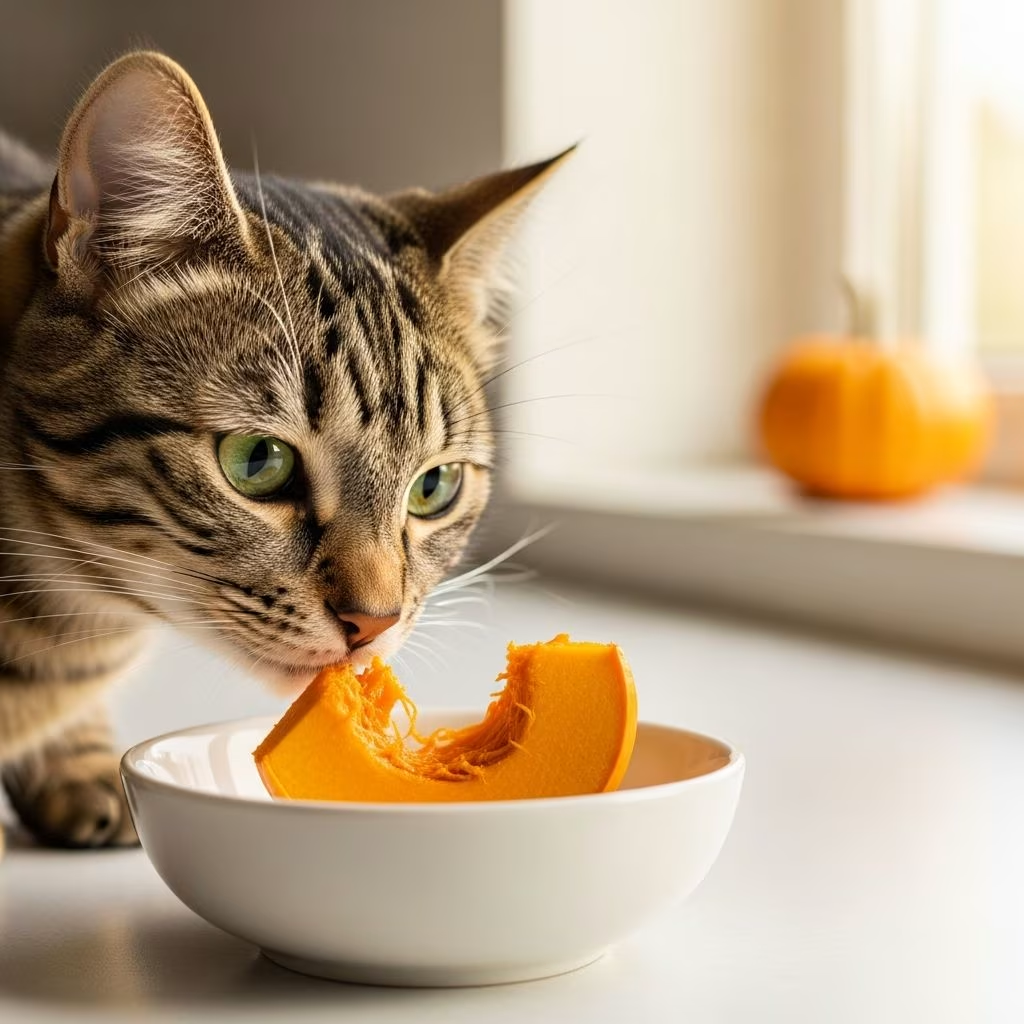
Pumpkin is a nutritious, low-calorie food that can benefit cats when fed in moderation. Plain, cooked pumpkin provides fiber, moisture, vitamins, and antioxidants, supporting digestion, hydration, and overall health for cats as obligate carnivores.
Is Pumpkin Safe for Cats?
Yes, plain 100% pumpkin puree or cooked pumpkin flesh is safe for most cats and can help treat gastrointestinal issues like constipation and diarrhea. It contains potassium, phosphorus, calcium, vitamins A, C, K, and fiber, but should be given sparingly since cats thrive on meat-based diets. Avoid pumpkin pie filling, which has added sugars, spices like nutmeg (toxic to cats), and high calories that can upset stomachs.
Benefits of Pumpkin for Cats
Pumpkin offers multiple health advantages for cats, primarily aiding digestion while providing essential nutrients. Its high fiber content, water, and antioxidants make it a versatile supplement.
Supports Digestive Health
Pumpkin’s soluble and insoluble fiber adds bulk to stool, easing both constipation and mild diarrhea. For constipated cats, it acts as a natural laxative by hydrating the intestines; for diarrhea, it absorbs excess moisture. Prebiotics in pumpkin promote healthy gut bacteria, improving nutrient absorption.
Improves Hydration
With about 90% water content, canned or cooked pumpkin boosts hydration, crucial for cats prone to dehydration. This supports urinary health and prevents issues like crystals, especially in low-water drinkers.
High in Fiber
One cup of canned pumpkin provides over 7 grams of fiber, helping food move through the digestive tract, reducing straining, and encouraging regular litter box use. Fiber also helps control hairballs by moving ingested fur through the system.
Rich in Antioxidants and Nutrients
Pumpkin supplies beta-carotene (converts to vitamin A for vision and immune support), vitamins C and E (for skin, coat, and immunity), potassium, iron, and essential fatty acids. These antioxidants combat oxidative stress and may reduce cancer risk.
Aids Weight Management
Low in calories and fat, pumpkin’s fiber promotes satiety, helping overweight cats feel full on fewer calories. It’s ideal for weight loss diets when mixed with food.
Other Benefits
- Hairball Control: Fiber pushes hairballs through the gut, reducing vomiting.
- Skin and Coat Health: Vitamin E and zinc improve fur quality.
- Urinary Support: Oils in pumpkin may aid incontinence and tract health.
Potential Risks and Side Effects
While beneficial, overfeeding pumpkin can cause digestive upset, nutrient dilution (as cats need meat proteins), or allergies. Watch for vomiting, diarrhea, or lethargy. Cats with diabetes should avoid it due to natural sugars. Always consult a vet for cats with health conditions.
How Much Pumpkin Can Cats Eat?
Serve as a supplement, not a meal replacement. General guidelines:
| Cat Size/Weight | Daily Amount |
|---|---|
| Kitten/Small (<8 lbs) | ½ – 1 teaspoon |
| Average Adult (8-12 lbs) | 1 – 2 teaspoons |
| Large/Senior (>12 lbs) | 1 – 2 tablespoons |
Start small to monitor tolerance. Mix with wet food for picky eaters.
How to Feed Pumpkin to Cats
Best Forms: Plain canned pumpkin (100% pure, no additives) or steamed fresh pumpkin puree. Avoid raw pumpkin (hard to digest) or spiced versions.
- Mix 1 tsp into wet food or broth.
- Top dry kibble (though wet food mixes better).
- Bake into treats or freeze in cubes for portion control.
- Choose cat foods with pumpkin like grain-free formulas for convenience.
Store canned pumpkin in the fridge (up to 1 week) or freeze portions.
Pumpkin Recipes for Cats
Simple Pumpkin Mix
- 1 tbsp plain pumpkin.
- ¼ cup wet cat food.
- Mix and serve fresh.
Pumpkin Hairball Remedy
- 1 tsp pumpkin + ½ tsp coconut oil + wet food.
- Feed 2-3x/week.
Frozen Pumpkin Treats
- Puree pumpkin, freeze in ice cube trays, give as cool treats.
These recipes enhance palatability while delivering benefits.
When to See a Vet
Contact a vet if digestive issues persist beyond 24-48 hours, or if your cat shows signs of allergy (itching, swelling), obstruction, or dehydration. Pumpkin treats symptoms, not underlying conditions like IBD or parasites.
Frequently Asked Questions
Can kittens eat pumpkin?
Yes, in tiny amounts (½ tsp) after weaning, to aid digestion. Consult vet for young kittens.
Is canned pumpkin better than fresh?
Canned is easier, more concentrated in fiber, and safer (cooked). Choose pure varieties.
Can pumpkin help with cat hairballs?
Absolutely; fiber lubricates and moves hair through the intestines.
Is pumpkin safe for diabetic cats?
Use sparingly due to carbs; monitor blood sugar and vet approval needed.
How often can I give my cat pumpkin?
2-4 times weekly as a topper, or daily in small doses for chronic issues.
Conclusion
Incorporating plain pumpkin thoughtfully enhances cat health without replacing a balanced carnivore diet. Its versatility makes it a go-to for digestion, weight, and hydration support.
References
- Is Pumpkin Good For Cats? — Nature’s Logic. 2023-10-15. https://natureslogic.com/blog/is-pumpkin-good-for-cats/
- Can Cats Eat Pumpkin? — PetMD. 2024-05-20. https://www.petmd.com/cat/nutrition/can-cats-eat-pumpkin
- Can Cats Eat Pumpkin? Benefits, Risks, and How to Serve It Safely — Earthborn Holistic Pet Food. 2024-08-12. https://www.earthbornholisticpetfood.com/blog/pet-nutrition/can-cats-eat-pumpkin-benefits-risks-and-how-to-serve-it-safely/
- Can Cats Eat Pumpkin? — Chewy. 2023-11-05. https://www.chewy.com/education/cat/food-and-nutrition/can-cats-eat-pumpkin
- 13 Benefits of Pumpkin for Pets — Morris Animal Inn. 2022-09-28. https://www.morrisanimalinn.com/blog/13-benefits-pumpkin-pets/
- Pumpkin for Cats: The Wholesome Wonder — Fruitables. 2024-02-14. https://fruitablespet.com/blogs/news/pumpkin-for-cats



