

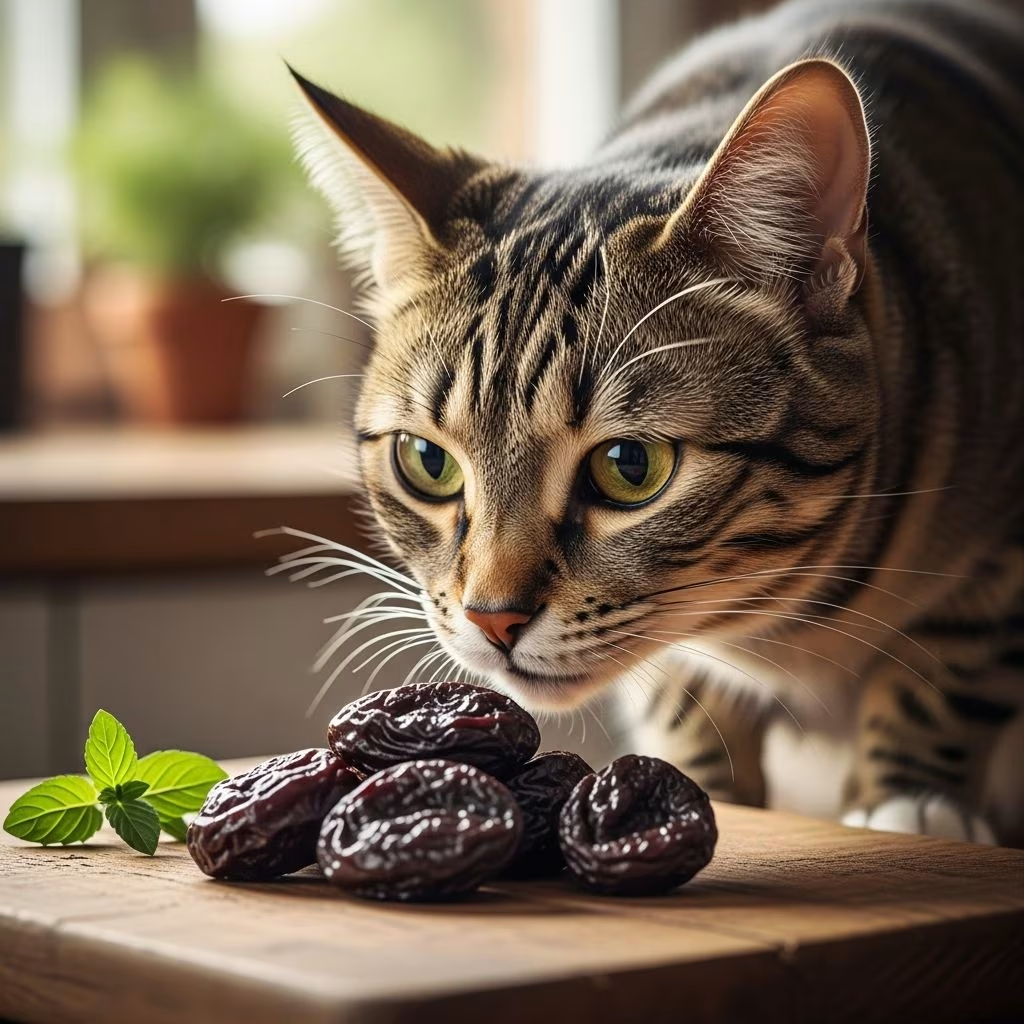
Prunes, the dried form of plums, offer humans benefits like relieving constipation thanks to their high fiber and antioxidants. However, **cats should never eat prunes or plums**. The stems, leaves, and seeds contain cyanide, a potent toxin that can cause severe poisoning in felines. Even the flesh poses choking risks from pits, potentially leading to gastrointestinal blockages. Veterinary experts unanimously advise keeping these fruits far from cats, as they provide no nutritional value and introduce unnecessary dangers.
Why Prunes and Cats Shouldn’t Mix
Cats are obligate carnivores, evolved to thrive on meat-based diets, not fruits. Prunes might seem harmless, but their plant parts harbor amygdalin, which releases cyanide when ingested. This compound interferes with oxygen use in cells, leading to rapid toxicity. A single seed or stem piece can trigger symptoms within minutes to hours.
Symptoms of cyanide poisoning from prunes include:
- Difficulty breathing or panting
- Dilated pupils
- Vomiting and drooling
- Bright red gums or mucous membranes
- Weakness, shock, or collapse
- Seizures, coma, or cardiac arrest in severe cases
Beyond toxicity, prune pits represent a choking hazard. If swallowed, they can lodge in the throat or intestines, causing life-threatening obstructions that demand surgical intervention. The high sugar content in prunes can also upset a cat’s sensitive stomach, leading to diarrhea even without toxins.
Plum Poisoning: Diagnosis and Treatment
If you suspect your cat has eaten any part of a prune or plum, act immediately—contact an emergency vet or animal poison control hotline. Time is critical; early intervention boosts recovery odds dramatically.
Diagnosis involves:
- A detailed history of what and how much was ingested
- Physical exam checking vital signs, gums, and pupils
- Blood tests for cyanide levels and organ function
- X-rays if obstruction is suspected
Treatment is supportive and tailored to symptoms:
- Inducing vomiting (if recent ingestion) with safe drugs like apomorphine
- Gastric lavage or endoscopy to remove pits/seeds under anesthesia
- Intravenous fluids for hydration and flushing toxins
- Activated charcoal to bind remaining poisons
- Oxygen therapy, anticonvulsants, or antidotes like hydroxocobalamin for cyanide
- Hospital monitoring for 24-72 hours
Prognosis is good with prompt care, but delays can lead to permanent damage or death. Always collect vomit samples or plant remnants for the vet.
Which Fruits Are Toxic to Cats?
Besides prunes and plums, several fruits spell trouble for cats. Their toxins target the nervous system, kidneys, or gut. Here’s a breakdown:
| Fruit | Toxin/Risk | Symptoms |
|---|---|---|
| Green Tomatoes | Solanine alkaloid | Vomiting, diarrhea, lethargy |
| Cherries | Cyanide in pits/stems | Breathing issues, shock, red gums |
| Citrus (lemons, limes, grapefruit) | Essential oils/psoralens | Vomiting, diarrhea, depression |
| Grapes/Raisins | Unknown nephrotoxin | Kidney failure, vomiting, thirst |
| Persimmons | Tannins in unripe fruit/pits | Obstruction, enteritis |
Avoid all parts—flesh, skin, seeds. Even “safe” fruits in excess can cause obesity or diabetes due to sugars cats poorly metabolize.
Which Fruits Can Cats Eat?
While fruits aren’t essential, small amounts of cat-safe options can serve as occasional treats (under 10% of diet). Offer bite-sized, seed/pit-free pieces, washed thoroughly. Monitor for allergies or upset.
- Apples: Peeled, cored slices provide fiber and vitamins A/C. Low-calorie crunch.
- Seedless Watermelon: Hydrating rind-free flesh with vitamins A/B6. Rinse off sticky juice.
- Bananas: Mashed or tiny slices for potassium. High sugar—sparingly.
- Blueberries: Antioxidant-rich berries support immunity. Whole or halved.
- Strawberries: Vitamin C boost; chop small to prevent gulping.
- Cantaloupe: Seedless chunks for hydration and beta-carotene.
Introduce gradually. Most cats ignore fruit, preferring meat—respect their carnivorous nature.
What Can I Give My Cat for Constipation?
Prunes tempt owners for their laxative effect, but they’re unsafe. Constipation signals dehydration, diet issues, hairballs, or diseases like megacolon—vet evaluation first.
Safe remedies include:
- Increased water intake: Fountains, wet food, broth additives
- Diet switch: High-fiber wet formulas or novel proteins (e.g., rabbit)
- Fiber supplements: Psyllium (Metamucil, vet-dosed), pumpkin puree (1-2 tsp daily)
- Probiotics: FortiFlora or vet-recommended strains for gut health
- Laxatives: Lactulose or cisapride only under vet prescription
- Grooming: Regular brushing reduces hairballs
Exercise and stress reduction help too. Chronic cases need diagnostics like X-rays.
Frequently Asked Questions
Can cats eat prune flesh without the pit?
No—the flesh is high in sugar, indigestible for cats, and risks diarrhea. Pit removal doesn’t eliminate choking or toxicity if stems/leaves are involved.
What if my cat ate one prune?
Call your vet or poison hotline immediately, even without symptoms. Provide details on amount and time. Better safe than sorry.
Are dried prunes safer than fresh plums?
No—dried forms concentrate sugars and retain pit toxicity. Risks remain identical.
How much safe fruit per day for cats?
No more than a teaspoon or two, 1-2 times weekly. Prioritize balanced commercial cat food.
Why do cats get constipated easily?
Often from dry kibble, low water, hair ingestion, or conditions like IBD. Annual vet checks catch issues early.
Final Thoughts
Prunes offer zero benefits to cats and pack severe risks from cyanide and obstructions. Opt for vet-approved treats and diets tailored to feline needs. Vigilance prevents poisoning—store fruits securely. For constipation or fruit curiosity, consult your vet for personalized, safe solutions. Your cat’s health hinges on meat-centric nutrition, not human snacks.
This comprehensive guide empowers cat parents to make informed choices, ensuring happy, healthy felines free from fruit-related woes.
References
- Can Cats Eat Prunes? Risks & Safe Alternatives — Catster. 2023-05-15. https://www.catster.com/nutrition/can-cats-eat-prunes/
- Can Cats Eat Prunes? Vet Reviewed Nutrition Facts & FAQ — Hepper. 2024-02-20. https://articles.hepper.com/can-cats-eat-prunes/
- What Fruits Can Cats Eat? 19 Fruits Safe for Cats — PetMD. 2025-01-10. https://www.petmd.com/cat/nutrition/which-fruits-can-cats-eat



