

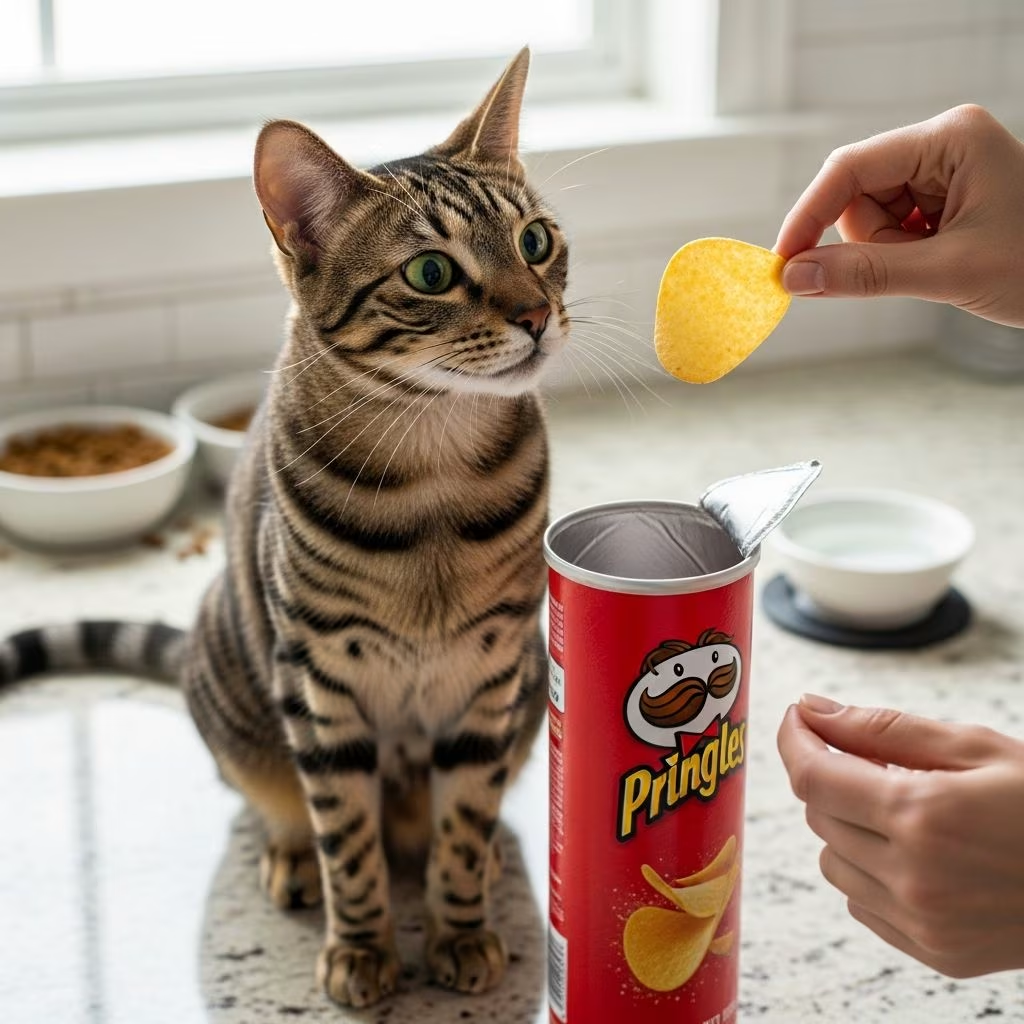
Can Cats Eat Pringles? Vet-Reviewed Facts & FAQ
Does your cat come running every time you pop open a can of Pringles because he loves the funny-shaped potato chips? If you’re wondering if cats can eat Pringles, you should know that Pringles and other chips aren’t good for cats. However, it’s okay if your cat eats one or two Pringles now and then. Just don’t let him eat too many because potato chips aren’t good for cats—just like they’re not good for you!
Why Cats Shouldn’t Eat Many Pringles
All potato chips—including those packaged in cans like Pringles—contain too much fat, carbs, and salt. They don’t have much nutritional value if any. If you look at a can of Pringles, you’ll see that the chips are made with dried potatoes, vegetable oil, flour, cornstarch, sodium, sugar, and flavorings like onion powder. None of these ingredients are a part of a healthy feline diet, and you shouldn’t get into the habit of feeding Pringles to your cat.
While your cat can eat a chip or two without it causing them serious harm, there’s no nutritional value to Pringles at all, so what’s the point? Not only is there no nutritional value to giving Pringles to your cat, but the chips also contain salt, fat, carbs, and other additives, depending on flavor, which in high doses can be quite harmful to your feline friend. Pringles are essentially empty calories for your kitty that may easily give them an upset stomach.
Key Ingredients in Pringles and Their Effects on Cats
Understanding what goes into a can of Pringles is essential for pet owners. Let’s break down the main problematic ingredients:
- Salt (Sodium): While salt is an important mineral composed of sodium chloride and is crucial for maintaining many functions in the body, it can also be harmful if ingested in excessive amounts. However, for salt to become a serious issue, cats would need to eat quite a lot, depending on their body weight. It’s unlikely they would eat that many Pringles, but it’s important to consider this as well. Based on USDA data, one Pringle is likely to have around 9.4 milligrams of salt. This means it would take quite a few Pringles (around 90) to reach the toxic dose of salt for most adult cats, weighing up to 10 lbs.
- Onion Powder and Garlic: Some flavors, including pizza and sour cream and onion, have onion and garlic additives. Unfortunately, onion and garlic can be toxic for cats depending on the amount, so it’s best to just avoid them altogether. These ingredients can damage a cat’s red blood cells, leading to anemia even in small amounts.
- Dairy and Lactose: Some flavors, including pizza and sour cream and onion, have milk in them. Unfortunately, most adult cats are lactose intolerant. This means feeding your cat these flavored Pringles could cause digestive distress.
- Sugar and Artificial Additives: Besides salt, carbs, and fat, Pringles contain various flavorings and additives, such as onion powder, that can be harmful to cats in significant amounts. Cats don’t process sugar well, and artificial flavors or preservatives can upset their digestive system.
- Fat Content: The oils and fats in chips can contribute to obesity or pancreatitis in cats over time.
Can Pringles Cause Harm to Your Cat?
Eating a Pringle may cause a mild stomach upset in some cats, particularly if they have eaten more than one. They might experience vomiting, diarrhea, drooling, or even irritation to the mouth. However, these signs are likely to be very self-limiting and transient in the case of such small amounts. The majority of cats will be just fine after eating a Pringle or two.
If, by any chance, a cat would eat more Pringles, it would be possible to expect a more serious stomach upset, and depending on their size, in case of kittens and very small cats, the amount of salt may become more concerning. Smaller cats and kittens are particularly vulnerable due to their lower body weight and developing systems.
Signs Your Cat Ate Pringles
If your cat manages to sneak a bite of Pringles, you should monitor them closely for any unusual symptoms. Here’s what to watch for:
- Vomiting or diarrhea
- Lethargy or weakness
- Excessive thirst or urination
- Drooling or oral irritation
- Pale gums (a potential sign of anemia)
- Loss of appetite
Just remember how sore your lips may feel after eating several Pringles. Your cat may feel the same, as the flavoring could cause oral irritation and drooling, but luckily, cats are unlikely to show any serious interest in Pringles. If symptoms develop or persist, contact your veterinarian for advice.
Is It Okay to Feed Cats Potato Chips?
Whether it’s Pringles or another brand, potato chips really shouldn’t be fed to your cat. It’s just best to keep the chips away from your cat completely, whether the chips are Pringles or some other brand. Cats have specific dietary requirements that are vastly different from humans. Their bodies are designed to thrive on high-protein, low-carbohydrate diets, and they derive most of their nutrition from meat-based sources.
Snacks like Pringles or other potato chips provide no nutritional value for cats. In fact, they can interfere with their natural diet and lead to unnecessary health problems. Feeding your cat human snacks, even occasionally, can cause them to develop bad habits or beg for food that isn’t safe for them. Still, giving Pringles to your cat is not a wise idea. There are many feline-appropriate treats that your cat will happily enjoy while reaping benefits from it and not facing any risk of a digestive upset or other issues.
Do Cats Like Potato Chips?
Whether it’s Pringles, Lays, Ruffles, or a generic potato chip, it’s probably unlikely that your cat would try to take a chip out of the bag or off your plate. Some cats may be more keen to take a bite off one, but most are unlikely to show any significant interest in potato chips. This is actually good news for most cat owners, as it means your feline friend is naturally less inclined to pursue this unhealthy snack.
What to Do If Your Cat Eats Pringles
If your cat eats Pringles, here are the steps you should take:
- Remove access to the chips immediately to prevent further consumption
- Offer fresh water to help dilute any ingested salt or spices
- Monitor your cat for any signs of distress, such as vomiting, diarrhea, or lethargy
- If symptoms develop, contact your veterinarian for advice
In most cases, a small amount of Pringles may not cause serious harm, but it’s always better to err on the side of caution. Your vet can provide guidance specific to your cat’s health and situation. If your cat ate a significant quantity or is showing symptoms, make an appointment with your vet just to be on the safe side.
Healthier Treat Alternatives for Your Cat
Instead of offering your cat Pringles or other potato chips, consider these healthier alternatives that provide actual nutritional benefits:
- Cooked chicken: Plain, unseasoned chicken is high in protein and safe for cats
- Commercial cat treats: Formulated specifically for feline nutritional needs
- Fish: Cooked salmon or tuna in small portions
- Cat-safe vegetables: Small amounts of cooked pumpkin or carrots
- Freeze-dried meat treats: Made from pure meat with no additives
Frequently Asked Questions (FAQs)
Q: Can cats eat plain Pringles instead of flavored varieties?
A: Plain Pringles are still not recommended for cats due to their high salt and fat content. While they lack harmful seasonings like onion or garlic powder, they still offer no nutritional value and can contribute to health issues.
Q: How many Pringles would be toxic to a cat?
A: Based on USDA data, one Pringle contains approximately 9.4 milligrams of salt. It would take around 90 Pringles to reach the toxic dose of salt for most adult cats weighing up to 10 lbs. However, this doesn’t mean you should let your cat eat that many—health issues can occur well before reaching toxic levels.
Q: What happens if my cat eats salty foods regularly?
A: Frequent consumption of salty foods can lead to dehydration, kidney problems, and high blood pressure in cats. Long-term exposure to high-sodium diets increases the risk of chronic health conditions.
Q: Are there any chips that are safe for cats?
A: No, chips in general are not suitable for cats. Even plain or unsalted varieties are too high in fat and carbohydrates, which are unnecessary and potentially harmful for cats.
Q: Can cats eat BBQ flavored Pringles?
A: No, BBQ Pringles are especially problematic for cats. The spices and additives in BBQ Pringles might enhance flavor for humans, but they can be toxic or irritating for cats. They contain onion and garlic powder, which can damage a cat’s red blood cells and lead to anemia.
Q: What should I do if my cat accidentally ate several Pringles?
A: Remove access to the chips, offer fresh water, and monitor your cat for signs of distress such as vomiting, diarrhea, or lethargy. Contact your veterinarian if symptoms develop or if your cat seems unwell.
Final Thoughts
There is no reason your cat should be offered Pringles, as it will provide them with no health benefits and may cause a stomach upset. Some of the ingredients may be more harmful, particularly if ingested in larger amounts. So, while a bite of a Pringle is unlikely to cause any serious issues, if by any chance your cat would eat more, it’s best to make an appointment with your vet just to be on the safe side.
Regardless of the variety of flavors and the fantastic salty taste, Pringles should be kept away from your cat. Your cat will be much healthier and happier with treats specifically formulated for their nutritional needs. When in doubt about whether a human food is safe for your cat, always consult with your veterinarian to ensure your feline friend stays healthy and safe.
References
- Can Cats Eat Pringles? Vet-Reviewed Facts & FAQ — Catster. 2024. https://www.catster.com/cat-health-care/can-cats-eat-pringles/
- Can Cats Eat Pringles BBQ? Seasoning Risks for Cats — Dial A Vet. 2024. https://www.dialavet.com/blog/can-cats-eat-pringles-bbq



