

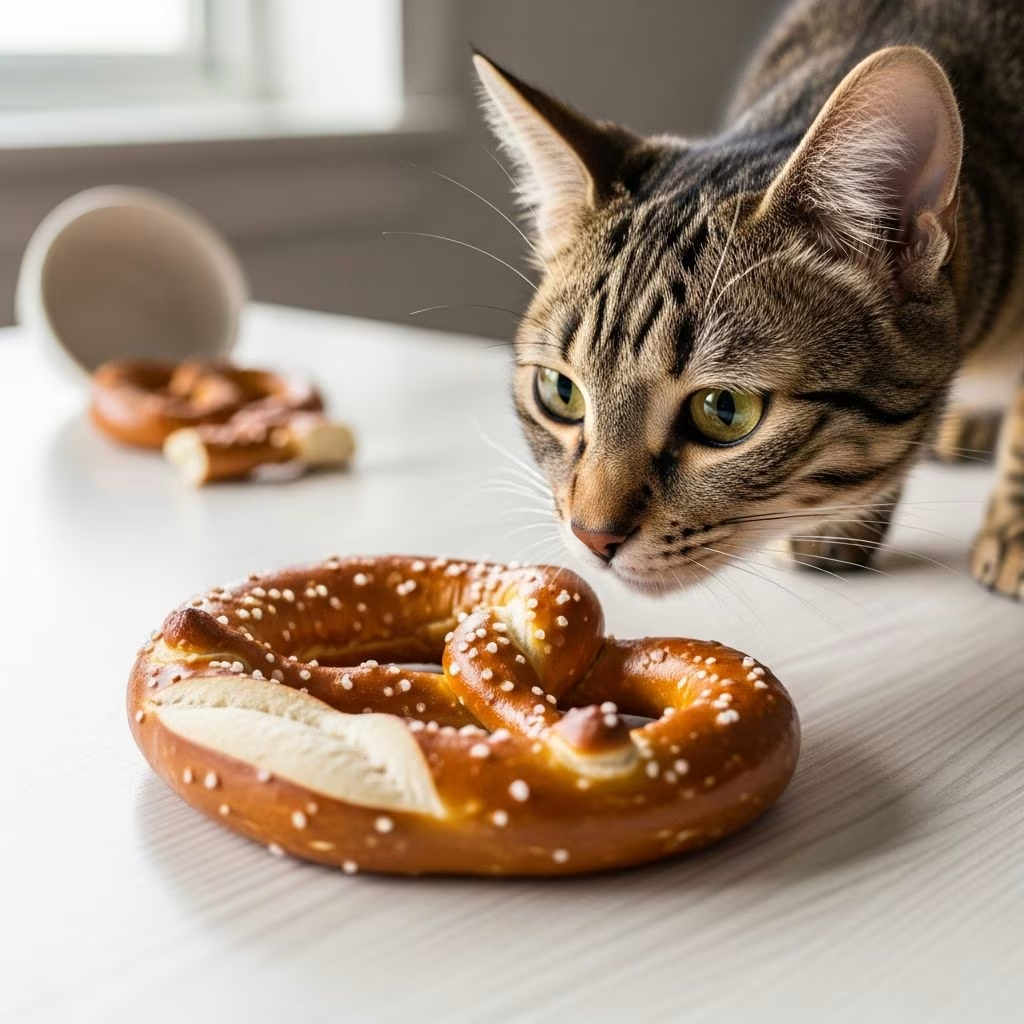
Cats should not eat pretzels due to their high sodium content, potential toxic seasonings, and lack of nutritional value for obligate carnivores. While a tiny nibble of plain pretzels might not cause immediate harm, regular or larger consumption can lead to serious health issues like salt poisoning and digestive upset.
Pretzels are a popular human snack made primarily from flour, water, yeast, and salt, often with added flavors. Cats, however, thrive on meat-based diets rich in protein and taurine, not carbohydrates and excess minerals. Offering pretzels deprives your cat of essential nutrients while exposing them to risks. This article breaks down the dangers, symptoms to watch for, safer alternatives, and answers to common questions.
The Dangers of Pretzels for Cats
Pretzels present multiple hazards for cats, primarily from their composition. Hard-twisted shapes and dense texture make them a choking risk, especially for kittens or cats that gulp food. The baking process creates a hard exterior that’s tough on feline teeth and jaws, potentially leading to dental fractures or gastrointestinal blockages if pieces break off improperly.
Most critically, pretzels are loaded with sodium. A single ounce of hard pretzels contains about 1240 milligrams of sodium, far exceeding what a cat’s kidneys can handle safely. Cats get sufficient salt from commercial cat food, and excess leads to electrolyte imbalances, dehydration, and sodium ion toxicity. Flavored varieties often include onion or garlic powder, which damage red blood cells and cause hemolytic anemia—a potentially fatal condition.
Carbohydrates from wheat flour offer no benefit to cats, who lack enzymes to digest grains efficiently. This can result in bloating, gas, diarrhea, or long-term issues like obesity and diabetes if fed frequently. Sweetened or chocolate-coated pretzels introduce xylitol or theobromine, both highly toxic to cats, causing hypoglycemia, seizures, or heart problems.
Health Risks Associated with Feeding Pretzels to Cats
- Salt Poisoning (Sodium Ion Toxicity): Overloads kidneys, causing vomiting, diarrhea, excessive thirst, lethargy, tremors, seizures, and in severe cases, death. Even small amounts can trigger symptoms in sensitive cats.
- Toxic Ingredients: Onion, garlic, artificial flavors, or sweeteners like xylitol destroy red blood cells or disrupt blood sugar.
- Choking Hazard: Hard pretzels can lodge in the throat; soft ones may expand in the stomach, causing blockages.
- Digestive Issues: Grain intolerance leads to upset stomach, flatulence, and poor nutrient absorption.
- Weight Gain and Nutritional Deficiencies: Empty calories displace vital proteins, contributing to obesity and malnutrition.
These risks compound in kittens, seniors, or cats with pre-existing conditions like kidney disease or heart issues, where even trace amounts can exacerbate problems.
Nutritional Breakdown of Pretzels
Pretzels provide minimal nutrition suited to cats. Here’s the profile for 1 ounce (about 28 grams) of hard pretzels:
| Nutrient | Amount | Implications for Cats |
|---|---|---|
| Calories | 109 | Empty calories; promotes fat storage without satiety. |
| Fat | 0.8g | Low, but irrelevant to carnivorous needs. |
| Protein | 2.9g | Insufficient for muscle maintenance; lacks taurine. |
| Carbohydrates | 22.8g | Indigestible; causes GI distress. |
| Fiber | 1.0g | Minimal; no benefit. |
| Sodium | 1240mg | Dangerously high; risks toxicity. |
This data underscores why pretzels fail as cat treats: high carbs and salt dominate, with negligible protein. Cat food formulations balance these precisely, making human snacks disruptive.
Symptoms of Salt Poisoning in Cats
If your cat sneaks pretzels, monitor closely. Salt poisoning symptoms appear within hours:
- Vomiting or diarrhea
- Excessive thirst and urination
- Lethargy or weakness
- Loss of appetite
- Tremors, seizures, or coordination loss
- Elevated body temperature
- Depression or disorientation
These escalate quickly into emergencies. Contact a vet immediately—do not induce vomiting without guidance, as it can worsen dehydration. Provide fresh water and note the quantity ingested.
What to Do If Your Cat Eats a Pretzel
Act swiftly based on amount and type:
- Tiny plain piece: Observe for 24-48 hours; ensure water access.
- Large amount or flavored: Call vet or pet poison hotline (e.g., ASPCA at 888-426-4435).
- Symptoms present: Seek emergency care; treatment may include IV fluids, monitoring electrolytes.
Prevention is key: store snacks securely and distract with toys during mealtimes.
Are Pretzels Safe for Kittens?
No—kittens are highly vulnerable. Their immature kidneys can’t process sodium, and they need nutrient-dense kitten food for growth. Pretzels offer zero developmental benefits and heighten choking and toxicity risks. Stick to kitten-specific formulas.
Why Do Cats Beg for Pretzels?
Curiosity drives interest, not taste—cats can’t detect sweetness and respond to crunch or your attention. Boredom or hunting instincts mimic begging. Combat with enrichment: puzzle feeders, wand toys, or scheduled play to redirect impulses.
Healthy Alternatives to Pretzels for Cats
Opt for treats comprising under 10% of daily calories, prioritizing protein:
- Cooked, unseasoned chicken or turkey (shredded small)
- Freeze-dried meat treats (e.g., salmon, chicken)
- Plain cooked fish (no bones, salt)
- Commercial cat treats (low-calorie, grain-free)
- Small bits of plain boiled egg
- Catnip or silver vine for fun without calories
These satisfy cravings safely while supporting health. Homemade options: bake plain chicken bits at 350°F for 20 minutes.
Frequently Asked Questions (FAQs)
Can cats eat plain pretzels?
Plain pretzels are safer than flavored but still risky due to high sodium (1240mg/oz) and carbs. Limit to rare, tiny pieces; better avoided entirely.
What if my cat ate a pretzel?
Monitor for symptoms; contact vet for large amounts or flavored types. Provide water but seek pro help if distress shows.
Are pretzels toxic to cats?
Not inherently, but seasonings (onion/garlic) are, and salt causes poisoning. Overall, unsafe as treats.
Can kittens eat pretzels?
No—immature systems can’t handle sodium or grains; risks amplified.
Why is salt bad for cats?
Excess strains kidneys, causes dehydration, electrolyte imbalance, and toxicity symptoms like seizures.
Are there safe pretzel alternatives?
Yes—meat-based treats like chicken or commercial options provide nutrition without harm.
Do pretzels have nutritional value for cats?
No—low protein, high carbs/sodium offer no benefits to carnivores.
References
- Can Cats Eat Pretzels? Risks and Alternatives — Dial A Vet. 2023. https://www.dialavet.com/blog/can-cats-eat-pretzels
- Can Cats Eat Pretzels? Nutrition Facts & FAQ — Hepper Pet Resources. 2023. https://articles.hepper.com/can-cats-eat-pretzels/
- What Can Cats Not Eat? 13 Types of Toxic Foods to Avoid — Chewy Education. 2024. https://www.chewy.com/education/cat/food-and-nutrition/what-can-cats-not-eat
- Foods to Avoid as Cat Treats — Waggle. 2023. https://mywaggle.com/blogs/pet-food/foods-to-avoid-as-cat-treats



